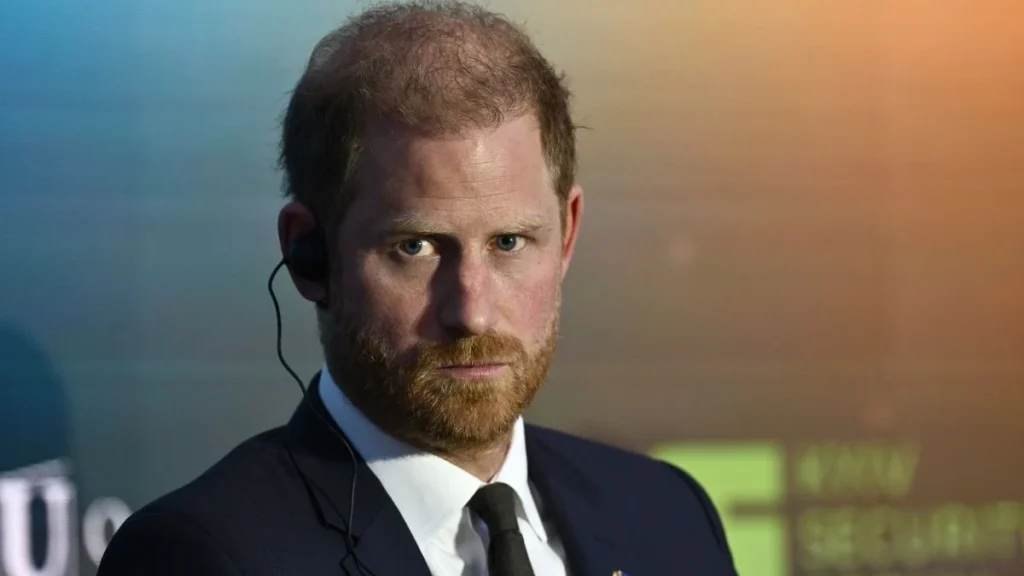

The Duke of Sussex has reportedly undergone a significant strategic pivot, moving away from a long-standing focus on reconciling with the British Royal Family and instead prioritizing the establishment of a global identity independent of the traditional palace framework. According to insiders and close observers of the royal household, Prince Harry is no longer making the restoration of his domestic standing within the "firm" a primary objective. Instead, he is focusing his energy on a role defined by international advocacy, high-profile public engagements, and the cultivation of a personal brand that resonates with a global audience rather than a strictly British constituency.
This shift marks a definitive departure from the period following his 2020 resignation as a senior working royal, during which much of his public output appeared aimed at addressing grievances and seeking acknowledgment from the institution he left behind. Sources close to the Duke indicate that he has accepted a structural reality where his brother, Prince William, the Prince of Wales, is the steward of the institution, while Harry intends to be the steward of the public’s attention.
The Strategy of Global Engagement vs. Institutional Tradition
The core of Prince Harry’s new direction lies in the distinction between "the institution" and "the audience." While the Prince of Wales is being prepared for the throne and the maintenance of the constitutional monarchy, Prince Harry is positioning himself as a humanitarian leader whose influence is not derived from a royal decree but from his ability to connect with people on social and global issues.
This evolution is characterized by a move toward being more "approachable" and "relatable," traits that were hallmarks of his early years as a royal but are now being leveraged in a non-traditional context. By focusing on issues such as mental health, veterans’ welfare through the Invictus Games, and environmental conservation, the Duke is attempting to build a legacy that exists parallel to, rather than within, the British monarchy. This strategy suggests that the Duke has recognized that his future influence depends on his popularity in the United States and other international markets, where the nuances of royal protocol are less significant than the impact of social advocacy.
The Diana Playbook: Comparisons and Divergences
The Duke’s evolving public persona has invited inevitable comparisons to his mother, Diana, Princess of Wales. Like Harry, Diana found herself at odds with the royal establishment and eventually carved out a unique role as a "Queen of Hearts," using her platform to highlight neglected issues such as landmines and the HIV/AIDS crisis. Insiders suggest that Prince Harry is consciously following his mother’s "playbook" by seeking a direct emotional connection with the public.
However, critics and royal historians point out a fundamental difference in their approaches. While Princess Diana challenged the monarchy and pushed for its modernization, she remained a believer in the sanctity of the Crown, particularly as she viewed it as the ultimate inheritance of her eldest son. "Diana bent the institution," one source noted, suggesting she worked to change it from within or alongside it. In contrast, Harry’s recent actions—including his memoir Spare and various media projects—have been characterized by some as an attempt to dismantle the very foundations of the institution’s image.
Furthermore, observers note a difference in temperament. Diana is often remembered for a blend of vulnerability and calculated restraint in the public eye. In contrast, Harry’s approach has been described as more direct and media-centric, utilizing modern platforms like podcasts and docuseries to tell his story. While this has garnered him a massive global platform, some insiders argue it lacks the "emotional intelligence and discipline" that allowed Diana to remain an influential figure within the British consciousness even after her formal exit from the Royal Family.
Chronology of the Royal Departure and Strategic Shift
To understand the current state of Prince Harry’s strategy, it is essential to trace the timeline of his departure and the subsequent evolution of his public role:
- January 2020: Prince Harry and Meghan Markle announce their intention to step back as senior members of the Royal Family, seeking financial independence while still supporting the Queen.
- March 2020: The "Sandringham Summit" results in a clean break. The couple relocates to California and officially ceases to represent the Crown.
- March 2021: The Oprah Winfrey interview airs, marking the first major public airing of grievances regarding the Royal Family’s handling of mental health and racial issues.
- December 2022: The Netflix docuseries Harry & Meghan is released, providing an intimate look at their departure and further critiquing the British media and palace "comms" operations.
- January 2023: The publication of Harry’s memoir, Spare, causes a significant rift with King Charles III and Prince William due to its candid descriptions of private family conflicts.
- 2024–2025: A period of relative quiet regarding family disputes begins. The Duke focuses on the 10th anniversary of the Invictus Games and international tours to Nigeria and Colombia, signaling a move toward "royal-style" tours without official state backing.
- Present: Insiders report a hardening of his stance, with a focus on his US-based life and global charitable ventures over any further attempts at reconciliation.
Supporting Data: The Impact of Archewell and Global Reach
The success of Prince Harry’s "audience-first" strategy can be measured through the reach of the Archewell Foundation. According to the foundation’s most recent impact reports, the organization has facilitated the distribution of millions of vaccines, supported the resettlement of Afghan refugees, and funded community relief centers worldwide.
In terms of media presence, the Duke’s ventures have seen historic numbers. Spare became the fastest-selling non-fiction book in history upon its release, selling 1.43 million copies in its first day across the US, UK, and Canada. His Netflix documentary remains one of the platform’s most-watched factual series. However, polling data from organizations like YouGov shows a stark divide in his popularity. While his favorability remains high among younger demographics and in the United States, it has seen a decline in the United Kingdom, where the public remains more protective of the traditional monarchy.
Official Responses and Inferred Reactions
The Palace has maintained its standard policy of "no comment" regarding the Duke’s personal strategies or the claims made by anonymous insiders. However, the actions of the Royal Family speak to a reciprocal shift. King Charles III has moved forward with a "slimmed-down" monarchy, focusing on a core group of working royals that does not include the Sussexes.
Prince William, in particular, is reported to be focused on his "Homewards" project to end homelessness and his Earthshot Prize, effectively creating his own lane of global advocacy that operates within the institutional framework. The lack of interaction between the brothers during Harry’s recent brief visits to the UK suggests that the Prince of Wales has also moved on, focusing on his future role as King rather than the resolution of past familial disputes.
Broader Impact and Implications for the Monarchy
The Duke of Sussex’s decision to prioritize his global brand over royal reconciliation has several long-term implications for the British Monarchy:
- The Rise of the "Alternative Royal": Harry is essentially creating a new category of public figure—one who possesses the name and history of royalty but operates with the freedom of a private citizen. This could create a "shadow court" effect, where the public looks to Harry for humanitarian leadership while the official monarchy handles the constitutional and ceremonial duties.
- Transatlantic Brand Divergence: The Royal Family now faces the challenge of managing its image in a world where two different versions of "royalty" are being presented. One is rooted in tradition, service to the state, and the UK; the other is rooted in activism, media, and global celebrity.
- Succession and Stability: While Harry remains in the line of succession, his distance from the institution simplifies the "slimmed-down" vision of King Charles. However, it also removes a once-popular member of the family who could have shared the heavy workload of royal engagements.
- The Media Landscape: By bypassing traditional royal media channels and using direct-to-consumer platforms, Harry has challenged the power of the "Royal Rotas" and the British tabloid press. This shift may force the palace to eventually modernize its own communications strategy to keep pace with the Duke’s media-savvy approach.
As Prince Harry continues to build his life in California, his focus on "the audience" suggests a long-term bet on the power of celebrity and social cause over the power of ancient titles. Whether this strategy will grant him the lasting influence he seeks—or if the lack of institutional backing will eventually diminish his global standing—remains the central question of his post-royal life. For now, the Duke appears content to let the institution go its own way while he carves a path that he believes better honors his mother’s legacy and his own vision for the future.