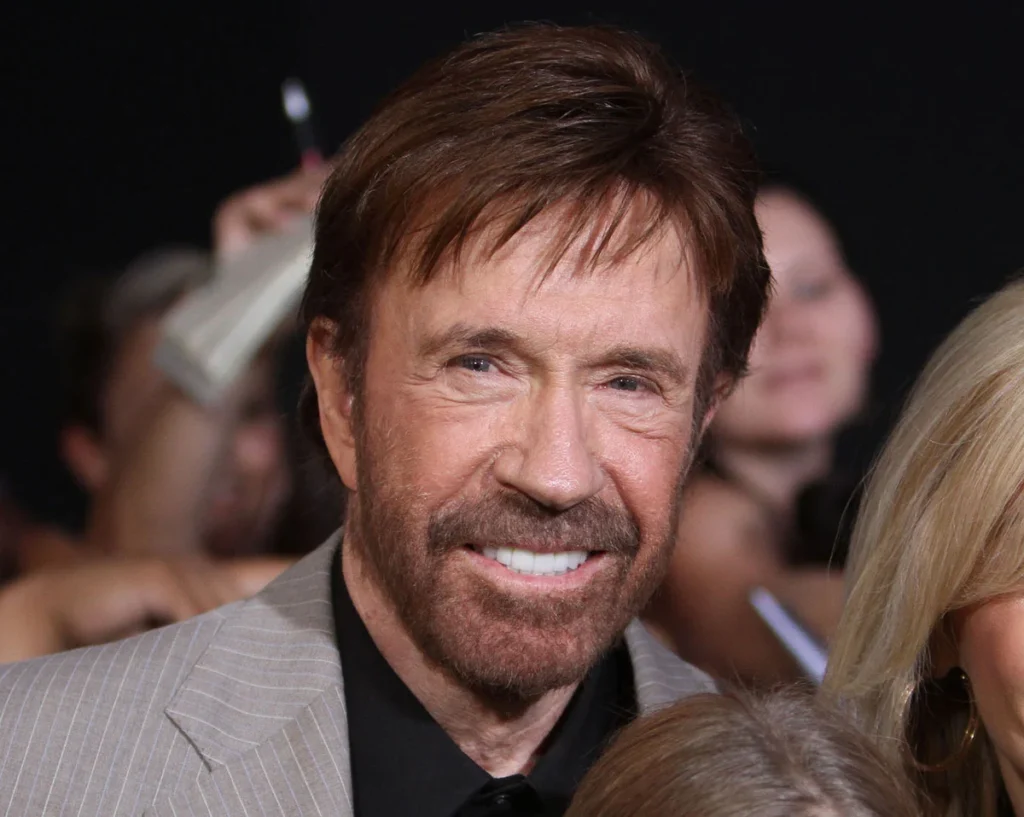

The legendary actor and martial artist Chuck Norris, widely celebrated for his iconic roles and formidable persona, was reportedly rushed to a hospital in Hawaii on Thursday, March 19, 2026, following an undisclosed medical emergency. The news, first broken by TMZ, has sent ripples of concern across his global fanbase and the entertainment industry, prompting widespread well-wishes for the 86-year-old action star. While details surrounding the specific nature of the emergency remain scarce, sources close to the situation indicated that Norris was in "good spirits," a hopeful sign for his recovery.
Chronology of an Unexpected Event
The medical incident appears to have unfolded with suddenness, catching even those close to Norris by surprise. According to an insider who spoke with TMZ, Norris had been in contact with a friend as recently as Wednesday, March 18, 2026, and at that time, everything seemed to be in order. The friend reported that Norris was "fine" during their conversation, offering no indication of any impending health issues. However, within a day, circumstances dramatically shifted, leading to his urgent hospitalization on the island of Kauai.
The exact time and location of the emergency within Kauai have not been specified, nor has the facility where he is currently receiving treatment. The rapid transition from seemingly good health to an emergency medical situation underscores the unpredictable nature of health events, particularly in individuals of advanced age, even those renowned for their robust physical conditioning like Norris. As of the initial reports on Thursday morning, representatives for Norris had not yet released an official statement, leaving the public to rely on the limited information from unnamed sources.
The Enduring Legacy of Chuck Norris: A Biographical Overview
To understand the magnitude of public concern surrounding Chuck Norris’s health, one must appreciate the indelible mark he has left on popular culture. Born Carlos Ray Norris on March 10, 1940, in Ryan, Oklahoma, Norris’s journey from a humble background to international superstardom is a testament to discipline, perseverance, and an unwavering commitment to his craft.
His early life was marked by challenges, including growing up in poverty and experiencing a turbulent family environment. However, it was during his service in the United States Air Force, stationed at Osan Air Base in South Korea, that Norris’s destiny began to take shape. It was there that he first encountered martial arts, training in Tang Soo Do, an experience that would fundamentally alter the course of his life. He earned the nickname "Chuck" during this period and quickly demonstrated an extraordinary aptitude for combat disciplines.
Upon returning to the United States, Norris continued his martial arts training with fervent dedication, eventually founding his own discipline, Chun Kuk Do ("The Universal Way"), which combines elements from various martial arts styles. His prowess in martial arts was not merely theoretical; he became a formidable competitor, achieving the coveted title of World Professional Middleweight Karate Champion six times, a feat that underscored his dominance in the arena. His unparalleled skill and disciplined approach to martial arts paved the way for a natural transition into teaching, establishing a chain of karate schools that further cemented his reputation within the martial arts community.
From Dojo to Silver Screen: A Cinematic Icon
Chuck Norris’s entry into the world of acting was serendipitous, largely influenced by his martial arts connections. His breakthrough role came in 1972 alongside the legendary Bruce Lee in the critically acclaimed film Way of the Dragon (also known as Return of the Dragon). Their climactic fight scene in the Roman Colosseum remains one of the most iconic martial arts sequences in cinematic history, showcasing Norris’s powerful presence and martial arts authenticity on screen.
This pivotal role opened doors for Norris in Hollywood, leading to a string of action films throughout the 1970s and 1980s that capitalized on his stoic demeanor, formidable fighting skills, and unwavering hero persona. Films like Good Guys Wear Black (1978), A Force of One (1979), The Octagon (1980), and An Eye for an Eye (1981) solidified his status as a leading man in the action genre. He became a staple of Cannon Films, a production company known for its high-octane, often gritty action movies, starring in hits such as Missing in Action (1984), Code of Silence (1985), and The Delta Force (1986). These films, though often critically divisive, resonated deeply with audiences who appreciated Norris’s straightforward, no-nonsense approach to justice and his unwavering portrayal of characters who always fought for what was right.
However, it was his foray into television that introduced Chuck Norris to an even broader global audience and cemented his legacy for a new generation. From 1993 to 2001, Norris starred as Cordell Walker in the hit CBS series Walker, Texas Ranger. The show, which ran for eight successful seasons and produced a television film, depicted Walker as a lawman who used his martial arts expertise and strong moral compass to combat crime in Texas. Walker, Texas Ranger became a cultural phenomenon, celebrated for its blend of action, family values, and Norris’s signature brand of heroism. The series not only boosted his international fame but also showcased his ability to carry a long-running television franchise, demonstrating his enduring appeal beyond the big screen.
Even after Walker, Texas Ranger concluded, Norris continued to make sporadic appearances in films, notably reprising his tough-guy image in The Expendables 2 (2012), a film that brought together an ensemble of action movie legends. His brief but memorable role in the film was met with enthusiastic reception from fans, proving that his star power had not diminished.
The "Chuck Norris Facts" Phenomenon and Cultural Impact
Beyond his cinematic achievements, Chuck Norris has transcended the realm of entertainment to become a genuine cultural phenomenon, largely due to the widespread internet meme known as "Chuck Norris Facts." Originating in 2005, these hyperbolic, often absurd, statements humorously exaggerate Norris’s strength, invincibility, and general badassery. Examples include: "Chuck Norris doesn’t do push-ups, he pushes the Earth down," or "Chuck Norris can divide by zero."
The "Chuck Norris Facts" quickly went viral, becoming a cornerstone of early internet meme culture. This phenomenon, while humorous, inadvertently reinforced Norris’s public image as an almost mythical figure of unparalleled power and resilience. It spoke to the deep admiration and reverence many held for his on-screen characters and his real-life martial arts prowess. While Norris himself initially expressed some reservations about the memes, he eventually embraced them, understanding that they were a testament to his unique place in popular culture. The facts underscored his enduring relevance and solidified his status as a legendary figure whose name alone evokes images of strength and invincibility.
A Pillar of Health: The Iron Man Persona Meets Reality
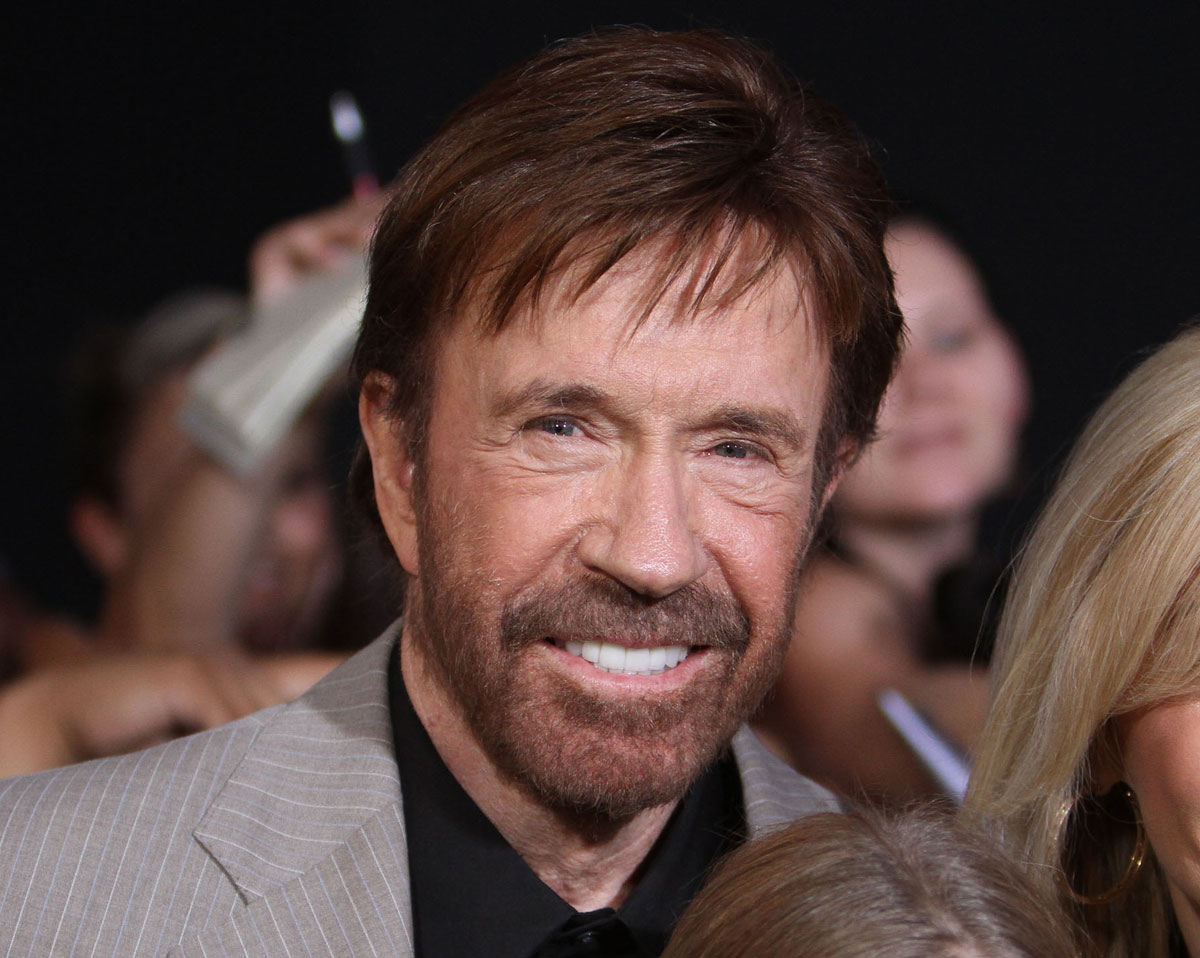
Chuck Norris has long been associated with peak physical condition and a healthy lifestyle. Throughout his career, he has been an advocate for fitness, martial arts training, and overall well-being. His public image has consistently been one of an iron man, seemingly impervious to the ravages of time. This perception was recently reinforced by a post on his Instagram account, shared just last week, showing him actively engaged in training with a sparring partner. The video depicted Norris demonstrating impressive agility and strength for someone his age, further cementing his reputation as a paragon of longevity and fitness.
This widely recognized image of robust health makes the news of his sudden hospitalization all the more striking and concerning. While 86 is an advanced age, Norris has consistently defied conventional expectations of aging, maintaining an active public life and a visible commitment to physical conditioning. The undisclosed nature of his current medical emergency raises questions about how even the most disciplined and seemingly invincible individuals can face unexpected health challenges. It serves as a poignant reminder that age, ultimately, catches up with everyone, regardless of their extraordinary physical history.
Hawaii: A Place of Residence or Retreat?
The reports place Chuck Norris on the island of Kauai, part of the Hawaiian archipelago, at the time of his medical emergency. Hawaii, known for its breathtaking natural beauty, tranquil environment, and celebrity appeal, is a popular destination for both permanent residence and vacation retreats among public figures. While it is not widely publicized if Kauai serves as Norris’s primary residence or a frequent getaway, his presence there suggests he was either enjoying a period of relaxation or residing in the serene island environment.
Kauai, often called the "Garden Isle," is renowned for its lush landscapes, dramatic cliffs, and pristine beaches. It offers a degree of privacy that many celebrities seek, away from the constant glare of mainland media. The specific circumstances of his stay – whether it was for leisure, a personal retreat, or an extended residence – remain part of the broader unanswered questions surrounding his hospitalization.
Navigating Medical Privacy and Public Interest
In the age of instant information and pervasive media, the hospitalization of a figure as prominent as Chuck Norris inevitably generates immense public interest. However, details regarding the "undisclosed medical emergency" remain strictly confidential. This is primarily due to patient privacy laws, such as the Health Insurance Portability and Accountability Act (HIPAA) in the United States, which strictly regulate the disclosure of medical information without the patient’s express consent.
While the public naturally desires information about the well-being of beloved celebrities, healthcare providers and, typically, family members are bound by these legal and ethical considerations. This often leads to a period of speculation and limited official updates during such sensitive times. The initial report from TMZ, citing an unnamed source, is characteristic of how celebrity health news often surfaces – through unofficial channels that may have limited or partial information.
Awaiting Official Statements and Outpouring of Support
As of the initial reporting, there have been no official statements released by Chuck Norris’s family, management, or representatives. This silence is common in the immediate aftermath of a sudden medical emergency, as families prioritize the patient’s care and privacy. The absence of official communication contributes to the general atmosphere of concern and the anticipation for more concrete information.
Despite the lack of official details, the news quickly spread across social media platforms, with fans, fellow actors, and public figures expressing an outpouring of concern and sending well-wishes. Hashtags related to Chuck Norris trended, filled with messages of support, prayers for a swift recovery, and anecdotes recalling his iconic roles and the enduring "Chuck Norris Facts." This collective demonstration of affection underscores the deep impact Norris has had on generations of admirers who view him not just as an actor, but as a symbol of strength, integrity, and entertainment. The digital landscape quickly transformed into a global well-wishing forum, reflecting the unique bond between a beloved celebrity and his devoted audience.
Broader Implications and the Path Forward
The hospitalization of Chuck Norris serves as a poignant reminder of the universal vulnerability to health challenges, irrespective of fame, fortune, or even a lifetime dedicated to physical prowess. While the immediate focus remains on Norris’s recovery, this event also highlights the intense media scrutiny surrounding celebrity health, particularly for figures who embody a larger-than-life persona.
For Norris, whose public image is inextricably linked to invincibility, this incident may prompt broader conversations about aging gracefully, the realities of health at advanced ages, and the delicate balance between public persona and personal well-being. While he has largely stepped away from the demanding schedules of leading roles, his cultural influence persists, and his health remains a matter of significant public interest.
As the situation develops, the world awaits further updates from official channels. The hope remains that Chuck Norris, a man who has always embodied resilience and strength, will make a full and speedy recovery, continuing to inspire his legion of fans with his enduring spirit. His journey from an Oklahoma boy to a martial arts legend and global action star has been one of extraordinary triumph, and the public is united in hoping for another chapter of resilience in his remarkable life story.