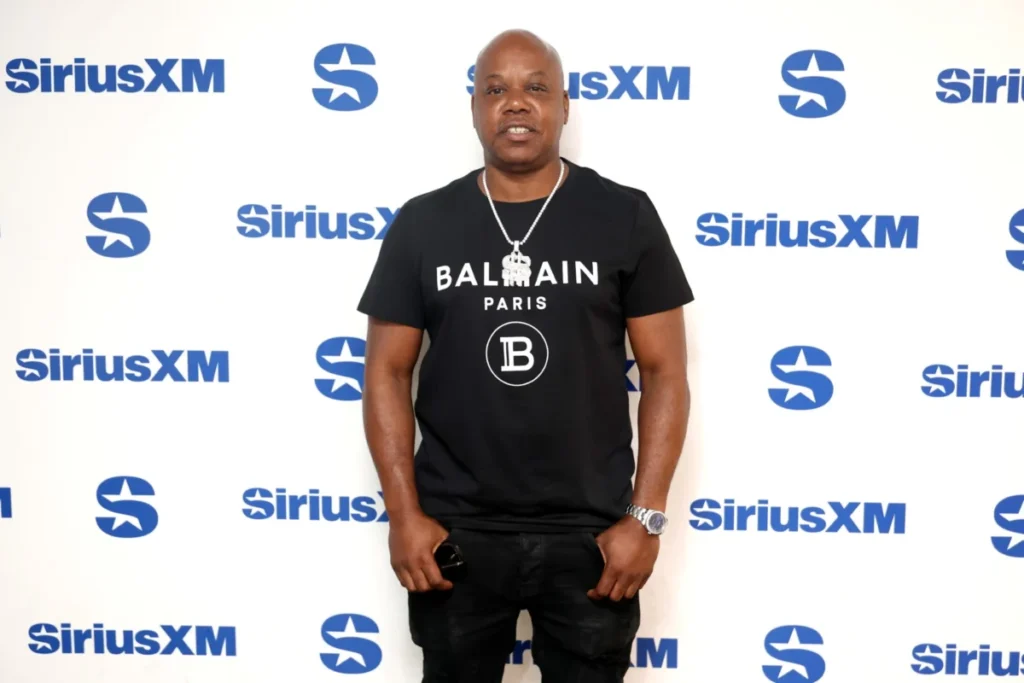

Oakland-born rap icon Too Short has formally retracted statements made during a recent media appearance in which he expressed an intention to attend a hypothetical welcome-home celebration for Sean "Diddy" Combs following the disgraced music mogul’s eventual release from federal custody. The hip-hop veteran, whose career spans more than four decades as a pioneer of West Coast rap, issued a detailed and unreserved apology via social media following widespread public criticism and private outreach from concerned peers and fans.
The controversy originated from an interview segment on The TMZ Podcast, where the artist, whose legal name is Todd Anthony Shaw, discussed the ongoing legal troubles surrounding Combs. During the discussion, when prompted about the likelihood of Combs maintaining a career post-incarceration, the rapper casually remarked that he planned to attend a welcome-home gathering for the embattled executive. He further downplayed the severity of certain aspects of the federal case and stated that he personally considered himself non-judgmental regarding the situation, though he maintained that he did not condone the abuse depicted in previously released surveillance footage involving R&B singer Cassie Ventura.
The remarks sparked immediate backlash across digital platforms, prompting the Bay Area musician to reevaluate his stance. By Sunday, Too Short published an Instagram Reel addressing the controversy directly, acknowledging that his initial choice of words had been insensitive, ill-informed, and deeply harmful to victims of abuse.
Background Context of the Legal Proceedings Against Sean Combs
The controversy surrounding Too Short’s remarks unfolds against the backdrop of one of the most high-profile federal criminal cases in the modern history of the American entertainment industry. Sean "Diddy" Combs, the founder of Bad Boy Records, has been held in federal detention following a sweeping indictment by federal prosecutors in the Southern District of New York. The charges against Combs encompass racketeering conspiracy, sex trafficking by force, fraud, or coercion, and transportation to engage in prostitution.
Federal prosecutors have alleged that Combs operated a multi-state criminal enterprise that utilized his vast business empire, employees, and security personnel to facilitate widespread abuse, intimidation, and coercion of women and associates over a period of decades. The public scrutiny intensified dramatically in late 2023 when Cassie Ventura, Combs’ former romantic partner and a prominent signee to his former label, filed a civil lawsuit detailing years of physical and psychological abuse. The lawsuit was swiftly settled out of court, but it was followed shortly thereafter by the public release of hotel surveillance footage by media outlets, corroborating instances of violent physical assaults.
Subsequent to the civil litigation and public exposure, numerous other individuals came forward with civil complaints detailing allegations of sexual assault, drugging, and harassment. Federal law enforcement agencies subsequently executed search warrants on Combs’ sprawling properties in Miami and Los Angeles, culminating in his dramatic arrest and subsequent denial of bail by federal judges who deemed him a flight risk and a danger to the community. He remains incarcerated at the Metropolitan Detention Center (MDC) in Brooklyn, New York, awaiting trial, while continuing to face mounting civil litigation from dozens of anonymous and named plaintiffs.
Chronology of the Controversy and Retraction
The sequence of events leading to Too Short’s public apology highlights the rapid speed at which controversial statements circulate within digital media and the subsequent accountability demanded by the public and artistic community:
- October 2026: Too Short appears as a guest on The TMZ Podcast, where he makes off-the-cuff remarks regarding Sean Combs, stating an intention to attend a future celebration upon the mogul’s release from federal custody.
- Immediately Following Broadcast: Digital platforms, industry observers, and social media users express immediate outrage, pointing out the insensitivity of supporting an individual facing severe federal charges related to sex trafficking and abuse.
- Throughout the Weekend: Associates, friends, and concerned members of the public reach out to Too Short via telephone calls and text messages to apprise him of the full scale of the allegations and the broader victim testimonies associated with the federal indictment.
- Sunday, October 2026: Too Short releases an official video statement via his verified Instagram account, formally apologizing for his previous remarks, admitting ignorance regarding the extent of the allegations, and clarifying his perspective on Combs’ past events.
Detailed Breakdown of the Apology and Clarifications
In his video retraction, Too Short addressed his audience directly, emphasizing that he had spent the intervening time reading legal coverage and educating himself on the scope of the accusations leveled against Combs.
"I wanna thank all the people that called me yesterday, texted me, hit me up about this TMZ Puff Daddy thing. I was a little insensitive with my words," the rapper stated in the recording. He explicitly acknowledged that his initial declaration regarding attending a welcome party failed to account for the numerous women who had come forward with testimonies of abuse.
Furthermore, the Oakland native drew a firm line regarding his personal values and stance on violence. "I do not condone abuse in any kind of way. Not emotional, not physical, not sexual, and I don’t support anybody that does it. I wanna say, I’m sorry to the people that were hurt by the words that I said. I have listened, I have learned, I read up on it."
Addressing his previous defense of private gatherings hosted by Combs, Too Short attempted to contextualize his historical attendance at events thrown by the music executive. During his initial podcast appearance, he had suggested that his experiences at Combs’ parties were standard social gatherings among industry peers. In his apology, he elaborated on this distinction: "When I say I’m going to go to his party, I was talking about the parties that he throws for his friends, not any party where it’s [inappropriate] sexual [activity]. I’ve been to dozens of his parties and never once have I seen a naked person or a sexual act."
He concluded his statement by expressing a personal wish for rehabilitation rather than a celebration of misconduct, stating, "I hope that when my brother comes home that he has grown."
Broader Industry Implications and Public Sentiment
The incident underscores the delicate and intensely scrutinized position occupied by legacy figures within the hip-hop community as they navigate commentary surrounding contemporary criminal cases. Figures who rose to prominence alongside Combs in the 1990s and 2000s are frequently asked by media outlets to provide perspective on the downfall of major industry leaders. However, public tolerance for minimizing or dismissing allegations of systemic abuse, sex trafficking, and intimate partner violence has diminished significantly.
Media analysts and public relations experts note that public figures making off-the-cuff remarks on podcasts or digital interview platforms face immediate accountability from consumers who prioritize victim advocacy and survivor support over historical industry loyalty. Too Short’s swift pivot from defensive minimization to an unequivocal apology reflects an understanding that endorsements—even speculative or casual ones—of individuals facing federal sex-trafficking charges carry severe professional and reputational consequences.
As Combs’ legal team prepares for ongoing court proceedings and defense strategies inside the federal prison system—where reports have recently emerged detailing his attempts to maintain elements of his previous lifestyle behind bars—the broader cultural reckoning within the music industry continues. Artists and executives alike are finding themselves pressed to draw clear ethical boundaries, ensuring that personal personal relationships do not overshadow the gravity of federal criminal indictments and the testimonies of those who allege severe harm.