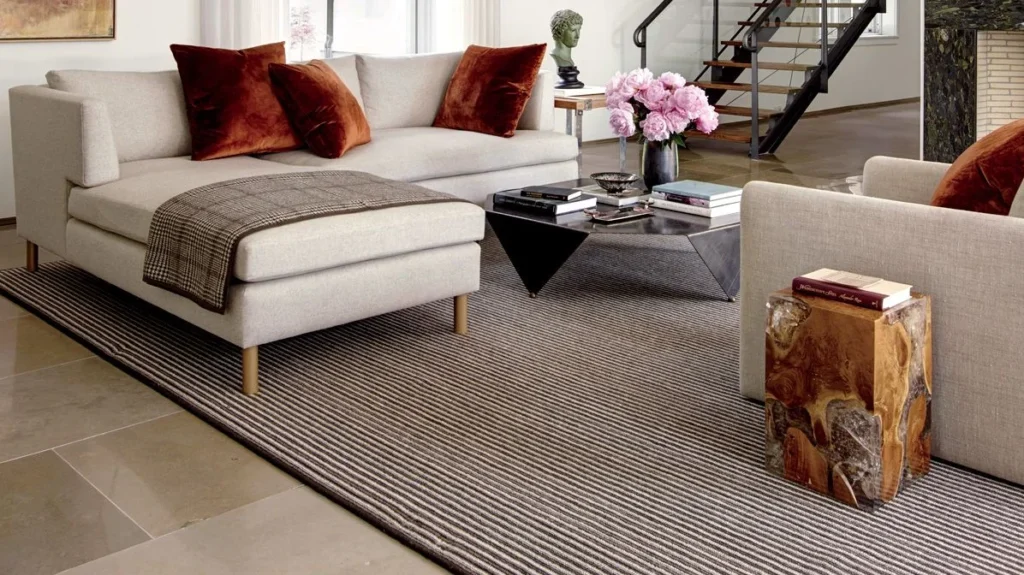

Wool has long held a position of prestige in the world of interior design, valued for its inherent softness, exceptional durability, and superior natural performance. Beyond its tactile appeal, wool serves as a functional foundation for modern living spaces, offering moisture-wicking capabilities and hypoallergenic properties that synthetic alternatives often fail to replicate. As a renewable, natural fiber, wool is increasingly viewed as an eco-conscious choice for homeowners looking to minimize their environmental footprint. Unlike mass-produced plastic-based fibers, high-quality wool rugs develop a unique character over time and, when subjected to a disciplined care regimen, can maintain their structural integrity for decades.
The demand for authentic wool floor coverings has seen a steady uptick as consumers shift away from "fast decor" toward heirloom-quality pieces. This transition reflects a broader market trend where longevity and sustainability are prioritized alongside aesthetic versatility. From the intricate artistry of hand-knotted Beni Ourain designs to the minimalist precision of contemporary flatweaves, the variety of wool rugs currently available on the market is vast, necessitating a nuanced approach to selection and maintenance.
The Evolution of Wool in Residential Design
Historically, wool rugs were the standard for households across the globe, prized for their thermal insulation properties. In the contemporary market, the integration of traditional craftsmanship with modern manufacturing technology has allowed wool to remain competitive against cheaper, synthetic rivals. The performance metrics of wool are distinct: it is naturally flame-retardant, elastic enough to resist crushing under heavy furniture, and possesses a unique molecular structure that allows it to manage indoor humidity levels.

Professional designers note that the "character" of a wool rug—the slight variations in dye lots and the subtle imperfections of hand-knotting—is what separates a generic space from a curated home. Recent industry data indicates that while synthetic rugs may offer a lower entry price, the cost-per-use calculation heavily favors wool, as natural fibers do not degrade or off-gas volatile organic compounds (VOCs) at the same rate as petroleum-based polyester or polypropylene rugs.
Expert Selection and Testing Methodology
To determine which options currently stand out in a saturated market, shopping editors and design experts have conducted long-term testing, placing various rugs in high-traffic areas such as hallways, dining rooms, and living spaces. The testing criteria included initial softness, shedding rates, color fastness, stain resistance, and edge durability.
One primary takeaway from these trials is the importance of the rug’s construction method. Hand-knotted rugs, while requiring a higher initial investment, offer the most durability. Hand-tufted rugs provide a softer, more plush feel but may require more frequent maintenance to manage shedding. Machine-washable wool blends, a relatively new development in the home textile sector, represent a breakthrough for families and pet owners who previously avoided wool due to concerns over spills and cleanability.
Curated Selections for the Modern Home
The Quince Artemis Hand-Knotted Wool Rug: Best Traditional Value
The Quince Artemis rug has gained traction for bridging the gap between historical aesthetics and modern accessibility. Inspired by the warm, layered interiors often seen in high-end residential architecture, this piece offers a sophisticated palette of blue and yellow tones. Its medium-pile construction ensures it remains functional in common areas without becoming a tripping hazard. For those seeking a "traditional-looking" design that avoids the stuffiness of antique patterns, the Artemis serves as a balanced, versatile choice.

The Revival Helen Rug: The Washable Pioneer
The development of machine-washable wool marks a significant shift in home maintenance. The Revival Helen rug demonstrates that consumers no longer have to sacrifice material quality for convenience. Featuring an intricate, oversized floral pattern and a rich ruby colorway, this rug is specifically designed to withstand the rigors of modern life. While the initial price point is higher, the ability to launder the piece at home significantly extends its lifespan, effectively lowering the long-term cost. Experts suggest pairing this with a high-quality rug pad to ensure stability, particularly since the rug’s pliability is what allows it to fit into standard washing machines.
The Lulu and Georgia Heritage Hand-Knotted Rug: Earthy Elegance
Designed for those who prioritize a grounded, organic aesthetic, the Lulu and Georgia Heritage rug utilizes 100% wool with distinct fringed detailing. Its "moss gray" iteration is particularly notable for its ability to anchor a room without dominating it. Crucially, this rug is contract-grade, meaning it has been stress-tested for commercial-level foot traffic. This designation makes it an ideal candidate for entryways or dining rooms where furniture is frequently moved and foot traffic is constant.
The All Modern Mallory Geometric Rug: Graphic Impact
For interiors that lean toward mid-century modern or maximalist design, the All Modern Mallory rug provides a bold, sculptural element. Its chunky, geometric texture creates a focal point in any room. While initial shedding is a common characteristic of high-pile tufted wool, users report that this dissipates with regular maintenance. It stands as a prime example of how wool can be used to inject personality and graphic interest into a space.
The Castlery Cora Wool Area Rug: The Neutral Standard
The Castlery Cora serves as an essential staple for those seeking a "quiet" luxury. Its solid color and handmade construction offer a plush, premium feel that synthetic rugs simply cannot match. It is particularly effective in open-concept floor plans where it can act as a bridge between a living room and a dining area, providing a sense of cohesion without clashing with existing decor. Its ability to lay flat immediately upon unrolling—a rarity for large-format rugs—adds to its appeal for busy households.

The Citizenry Mina Beni Ourain Rug: Artisanal Luxury
Representing the pinnacle of traditional craftsmanship, The Citizenry’s Mina rug is a testament to the time-intensive process of Moroccan weaving. Each piece takes months to create, resulting in a shag pile that is exceptionally soft. Beyond its comfort, the rug features an unexpected palette of rust and soft pink, offering a contemporary twist on a classic design. It serves as a reminder that the best rugs often tell a story of origin and human labor.
The Anthropologie Sculpted Daisy Rug: Whimsical Texturing
The Sculpted Daisy rug highlights how texture can be used to add personality to a room. Its emerald green hue and sculpted pile offer a playful, almost campy, aesthetic that contrasts beautifully with modern furniture. It is a preferred choice for individuals looking to infuse their living space with a touch of character that feels intentional rather than accidental.
The Pottery Barn Merrin Hand-Knotted Rug: Versatile Sophistication
Finally, the Pottery Barn Merrin rug stands out for its broad appeal. It successfully balances a "charming and chic" aesthetic that fits well in coastal, farmhouse, or transitional interiors. Its blend of gray-blue and beige makes it highly adaptable to changing interior trends, ensuring it remains relevant even as a homeowner’s style evolves.
Maintenance Protocols and Longevity
The longevity of a wool rug is directly correlated to the maintenance protocols followed by the owner. While myths persist that wool is difficult to clean, the reality is that its natural lanolin content provides a degree of inherent stain resistance.

For routine care, a low-suction vacuuming schedule—at least once weekly—is recommended. It is imperative to avoid the use of beater brush attachments, as these can snag fibers and increase the rate of shedding. For spills, the "blot, don’t rub" rule applies; using a mild, pH-neutral detergent and water will resolve most everyday accidents. For significant staining or deep-seated dust, professional cleaning every 12 to 18 months is considered the gold standard for preserving the structural integrity and luster of the wool.
Broader Economic and Environmental Implications
The resurgence of wool in the home decor market is not merely a trend but a reflection of a broader move toward circularity. As global industries face pressure to reduce microplastic shedding from synthetic textiles, natural fibers like wool are seeing a renewed focus from both manufacturers and consumers. Wool is biodegradable and requires significantly less energy to produce than synthetic polymers.
From an economic perspective, the investment in a high-quality wool rug is a hedge against the cycle of replacement necessitated by cheaper, disposable home goods. By choosing pieces that are designed to age gracefully, consumers are participating in a more sustainable model of interior design. As the market continues to evolve, the integration of technology—such as the development of washable wool and improved durability testing—will likely continue to cement wool’s status as the superior choice for the modern, conscious home.