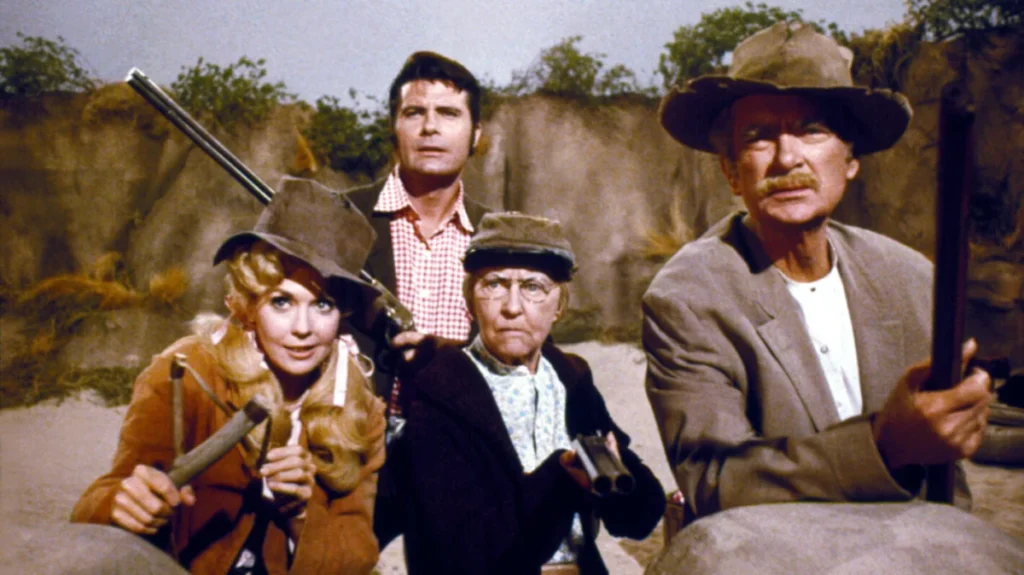

The year 1971 marked a seismic shift in the American television landscape, a watershed moment often referred to as the "rural purge." This period witnessed the abrupt and seemingly inexplicable cancellation of a string of highly popular, rural-themed sitcoms and variety shows that had been cornerstones of CBS’s programming for years. The decision, executed with a swiftness that blindsided audiences and industry observers alike, sent shockwaves through a nation accustomed to the comforting familiarity of these programs. While the exact motivations behind this audacious move remain a subject of historical debate, the ramifications were profound, forever altering the trajectory of network television and its appeal to a diversifying American populace.
The Unveiling of the "Rural Purge"
For many who experienced it firsthand, the "rural purge" was a perplexing and disappointing event. Viewers, particularly those in more rural or traditionally-minded communities, felt a sense of betrayal as beloved characters and familiar storylines vanished from their screens. The decision wasn’t just about a few shows; it represented a deliberate dismantling of a genre that had consistently delivered strong ratings and a loyal viewership. The shows that bore the brunt of this programming overhaul were not niche or struggling; they were, by all conventional metrics, successes.
Among the most prominent casualties were enduring classics like Mayberry R.F.D., a spin-off of The Andy Griffith Show that continued to charm audiences with its gentle humor and depiction of small-town life. The Beverly Hillbillies, a cultural phenomenon that satirized class differences and societal norms through the eyes of a Clampett family from the Ozarks, was also abruptly canceled. Equally surprising was the demise of Green Acres, a quirky and beloved satire of urban-rural contrast, which followed a New York lawyer and his wife who decided to move to a rundown farm.
However, the "rural purge" extended beyond these iconic sitcoms. It also saw the cancellation of several highly-rated variety shows that had been integral to CBS’s identity since the dawn of television broadcasting. These programs, often featuring a blend of music, comedy, and celebrity guests, had cultivated a broad demographic appeal and were considered safe, profitable investments for the network. The simultaneous axing of such a diverse range of popular programming suggested a deliberate strategy, rather than a series of isolated decisions.
A Shifting American Landscape and Evolving Viewer Demographics
To understand the context of the "rural purge," one must consider the broader societal and cultural transformations occurring in the United States during the late 1960s and early 1970s. The nation was grappling with significant social upheaval, including the Civil Rights Movement, the Vietnam War, and the burgeoning counterculture. These events fostered a growing awareness of social inequalities and a questioning of traditional values and institutions.
Concurrently, the demographics of the American television audience were also undergoing a subtle but significant evolution. While rural and small-town viewers had long formed a substantial segment of the television audience, there was a noticeable shift towards urbanization and suburbanization. Network executives, ever attuned to market trends and the pursuit of expanding viewership, began to perceive a potential disconnect between their programming and the evolving tastes and concerns of a younger, more urbanized demographic.
The perception, whether accurate or not, was that rural-themed programming was becoming dated and less relevant to the aspirations and experiences of a growing segment of the population. This coincided with the rise of more socially conscious and contemporary programming that began to emerge on other networks, often tackling more "modern" themes and reflecting the changing social fabric of America. Some analysts suggest that CBS felt pressure to shed its image as a network catering to a more traditional, perhaps even conservative, audience, and to embrace a more progressive and inclusive programming slate.
The Chronology of a Cutback
The "rural purge" did not materialize overnight. While the most significant cancellations occurred at the end of the 1970-1971 television season, the seeds of this shift were likely sown in the preceding years. Network programming strategies are typically developed years in advance, and decisions to commission or cancel shows are based on a complex interplay of ratings, production costs, advertising revenue, and long-term strategic goals.
- Mid-to-Late 1960s: CBS enjoys significant success with its rural-themed programming, establishing a strong market share and brand identity. Shows like The Beverly Hillbillies, Green Acres, and Petticoat Junction are consistently top-rated.
- Late 1960s: The cultural landscape begins to shift. Social movements gain momentum, and television begins to reflect these changes with more issue-oriented and contemporary dramas and sitcoms. Networks start to explore programming that appeals to younger, urban demographics.
- Early 1970s: Reports and industry whispers begin to emerge about CBS’s potential programming recalibration. Network executives are reportedly analyzing audience demographics and seeking to diversify their offerings.
- Spring 1971: The decisive cancellations are announced, primarily targeting rural-themed and older variety shows. This includes the elimination of beloved sitcoms and established variety programs, creating a significant void in CBS’s schedule.
- Fall 1971: The new television season premieres with a significantly altered CBS lineup, featuring new shows aimed at a different demographic and a departure from the network’s previous programming focus.
This timeline highlights the gradual nature of strategic shifts within a network, culminating in a decisive and impactful restructuring of its programming.
Supporting Data and Ratings Dominance
The notion that these shows were canceled due to poor performance is demonstrably false when examining the ratings data from their respective runs. For much of their tenure, these rural-themed shows were among the highest-rated programs on television.
For example, during the 1960s, The Beverly Hillbillies consistently ranked in the top ten, often holding the number one spot. In its debut season (1962-1963), it was the most-watched show in America. Green Acres, while perhaps not always reaching the same stratospheric heights as The Beverly Hillbillies, consistently drew millions of viewers and was a solid performer for CBS. Mayberry R.F.D., a testament to the enduring appeal of the Andy Griffith Show universe, also maintained strong ratings throughout its run.
The variety shows, such as The Ed Sullivan Show, which had been a weekly institution for over two decades, were also highly successful. The Ed Sullivan Show, in particular, was a cultural touchstone, showcasing a diverse range of performers and attracting a massive, cross-generational audience. Its cancellation, alongside other established variety programs, underscored the radical nature of CBS’s programming overhaul.
The decision to cancel such demonstrably popular shows therefore cannot be attributed to a lack of audience interest. This leads to the conclusion that the motivations were more strategic, driven by a desire to reshape the network’s image and target a different, perhaps perceived as more lucrative or forward-looking, demographic.
Reactions and Inferred Perspectives
While direct, official statements from network executives at the time explaining the "rural purge" in explicit detail are scarce, the industry’s reactions and subsequent analyses offer insights into the perceived motivations.
Network executives, in their public pronouncements, often emphasized a need for "renewal," "modernization," and an appeal to a "younger demographic." This language, common in the corporate world, suggests a strategic pivot rather than a reaction to declining popularity. It is plausible that executives believed that while these shows were still popular, they represented a past era and might not be as attractive to advertisers targeting younger consumers with evolving tastes and purchasing power.
From the perspective of the show creators and performers, the cancellations were undoubtedly a blow. Many expressed surprise and disappointment. While specific quotes from the immediate aftermath might be difficult to pinpoint without extensive archival research, the general sentiment in the industry was one of bewilderment. There was a sense that a significant part of the television audience, often overlooked in the drive for trendiness, was being alienated.
Commentators and critics at the time offered various interpretations. Some saw it as a pragmatic business decision, aligning the network with changing societal trends and advertiser demands. Others viewed it as a cultural betrayal, arguing that the network was abandoning a significant portion of its viewership and devaluing a genre that offered wholesome entertainment and represented an important aspect of American identity.
Broader Impact and Lasting Implications
The "rural purge" of 1971 had far-reaching implications for the television industry and American culture:
- Shift in Programming Focus: CBS, and subsequently other networks, began to increasingly focus on urban-themed sitcoms and dramas that explored more contemporary social issues. This led to a rise in shows that reflected the changing demographics and cultural anxieties of the time.
- Demographic Targeting: The event highlighted the growing importance of demographic targeting in television programming and advertising. Networks became more sophisticated in identifying and catering to specific age groups and lifestyle segments.
- Loss of a Programming Genre: The cancellation of so many rural-themed shows led to a significant decline in this genre on network television for many years. While echoes of rural life and values would continue to appear in other forms, the dedicated sitcoms that defined an era became rare.
- Cultural Resonance: The shows that were canceled, despite their abrupt departure from the airwaves, have retained a strong cultural resonance. They are remembered fondly by many for their warmth, humor, and depiction of simpler times, and continue to find new audiences through syndication and streaming services.
- Debate on Network Responsibility: The "rural purge" also sparked ongoing debates about the responsibility of television networks to serve diverse audiences and the potential for programming decisions to reflect or shape cultural values.
In retrospect, the "rural purge" was not merely a series of cancellations; it was a significant moment of strategic reorientation for a major television network. It demonstrated the powerful influence of evolving demographics, societal shifts, and the relentless pursuit of new audiences and advertising revenue on the content that shapes our cultural landscape. While the motivations may have been rooted in business pragmatism, the legacy of the "rural purge" continues to be debated, a testament to the enduring impact of these beloved programs and the controversial decision that brought them to an untimely end.