

The South Korean entertainment industry is currently grappling with a growing controversy involving Bada, a member of the legendary first-generation K-pop group S.E.S., following reports that a "free concert" featuring the idol was utilized as a front for high-pressure sales tactics. The event, which took place on April 30 at a small theater in the Seocho District of Seoul, has drawn significant public ire after attendees alleged they were misled into sitting through nearly two hours of promotional presentations for funeral service memberships and luxury cruises before the singer ever took the stage. The incident has sparked a broader debate regarding the ethical boundaries of celebrity marketing and the transparency of "free" promotional events in the K-pop sphere.
According to reports from multiple Korean media outlets and accounts shared across online communities, the event was heavily marketed on social media platforms as a complimentary performance by a "top-tier famous singer." Attracted by the prospect of seeing a high-profile idol in an intimate setting, hundreds of fans and local residents secured seats, believing the afternoon would be dedicated to music and fan engagement. However, the atmosphere inside the venue reportedly shifted from anticipation to frustration as the true nature of the gathering became clear.
A Detailed Chronology of the Event
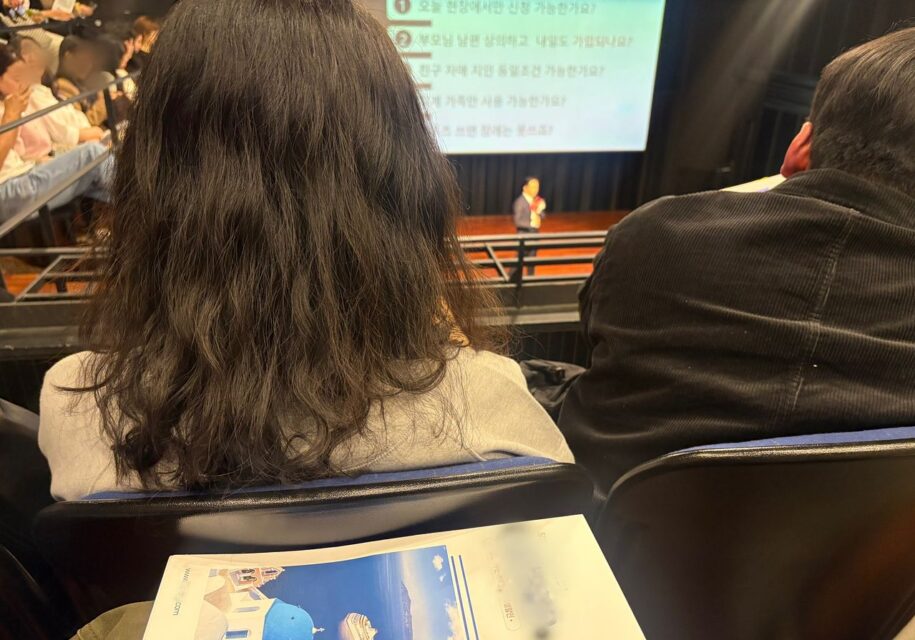
The timeline of the controversy begins with the digital marketing campaign that preceded the April 30 date. Advertisements circulated on Instagram and various community forums promised a rare, free-of-charge performance by a major star. Upon arrival at the Seocho District theater, attendees were ushered into their seats, but the expected musical performance did not begin at the scheduled time. Instead, the audience was introduced to representatives from a funeral service membership company, often referred to in South Korea as "sangjo" services.

For the next 110 to 120 minutes, the "concert" functioned as a commercial seminar. Presenters reportedly delivered aggressive pitches for pre-paid funeral packages, wedding planning services, and luxury cruise memberships. Witnesses claimed that the marketing tactics were not merely informational but coercive. Staff members circulated through the aisles, distributing application forms that requested sensitive personal information, including full names, phone numbers, and bank account details for automatic payment registrations.
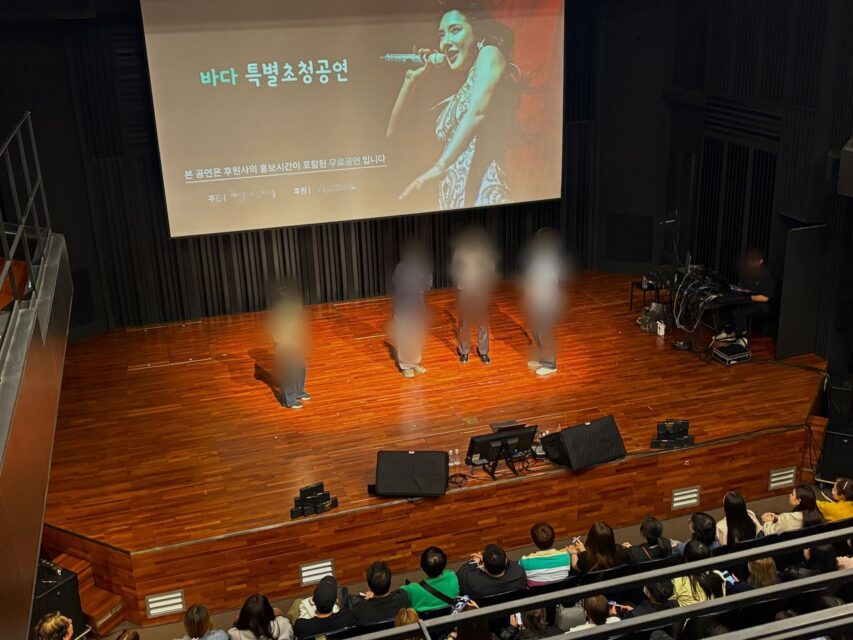
A particularly distressing detail emerged from attendee testimonials: several fans reported that they were discouraged or outright prevented from leaving the theater during the sales presentation. Some accounts suggested that even requests to use the restroom were denied or met with significant resistance by event staff, who allegedly insisted that attendees remain in their seats until the "program" was completed. The appearance of the featured singer was effectively held as a reward for those who endured the lengthy marketing pitch.
The Identification of Bada and Fan Reactions
In the immediate aftermath of the event, early news reports referred to the performer only as "Singer A." However, the anonymity was short-lived. Attendees quickly posted photographs and videos of the performance to social media, identifying the artist as Bada. The contrast between her high-energy performance and the somber, predatory nature of the preceding sales pitch led many fans to express a sense of betrayal.
One attendee, speaking to local media on the condition of anonymity, described the experience as a "bait-and-switch" operation. "The performance itself was of the high quality you would expect from someone of Bada’s caliber," the attendee remarked. "But the two hours leading up to it felt like a trap. We were there for the music, but we were treated like sales leads for a funeral home. I couldn’t shake the feeling that I had been tricked into being part of a marketing database."

The backlash intensified as it became clear that the event organizers had leveraged Bada’s reputation to attract a demographic that might otherwise be uninterested in funeral service memberships. The use of a "free" label was particularly criticized, as the "cost" of the event was the forced exposure to high-pressure sales and the surrender of private data.
Agency Response and the "Outside Agency" Defense
As the controversy trended across South Korean search engines, Bada’s management agency issued a formal statement to clarify the singer’s involvement. The agency sought to draw a sharp line between the artist’s performance and the logistical management of the event.
"Bada participated in the performance after being booked through a third-party outside agency," the statement read. "She has absolutely no contractual relationship, personal connection, or business affiliation with the funeral service company in question."
The agency further emphasized that the singer was not informed of the specific promotional activities—including the funeral service pitch—that occurred prior to her arrival on stage. According to the management, Bada was hired to provide a musical performance and was unaware that the audience was being subjected to aggressive sales tactics or that their movement was being restricted. The agency expressed frustration that the situation had unfairly linked the singer’s brand to products she does not endorse, noting that the "misleading marketing" by the organizers had caused significant reputational damage.

The "Sangjo" Industry and Predatory Marketing Trends
To understand the gravity of the controversy, it is necessary to examine the context of the funeral service (sangjo) industry in South Korea. These companies operate on a pre-payment model where customers pay monthly installments for future funeral, wedding, or travel services. While many such companies are legitimate, the industry has historically been plagued by reports of high-pressure sales tactics, particularly targeting the elderly or those lured in by the promise of free gifts or celebrity appearances.
The use of "free concerts" as a marketing tool is a known, albeit controversial, tactic in South Korea. By hiring a celebrity through a sub-contractor, companies can bypass the direct scrutiny that usually accompanies a formal endorsement deal. This creates a "gray area" where the celebrity provides the draw, but the company provides the content, often leading to situations where the artist is unaware of the predatory environment their presence is facilitating.
Industry analysts point out that this incident reflects a systemic issue in the "haengsa" (event) booking circuit. In the K-pop industry, it is common for veteran idols to be booked for various local festivals, corporate events, and private functions. If the booking agency does not perform due diligence on the event organizer’s marketing methods, the artist can inadvertently become the face of a controversial scheme.
Broader Implications for the K-pop Industry
The controversy surrounding Bada serves as a cautionary tale for the entertainment industry regarding the management of "free" public events. For first-generation idols like Bada, who maintain a loyal and aging fanbase, the risk of being associated with "silver market" products like funeral services is particularly high.
Legal experts suggest that such incidents may fall under the purview of the Fair Labeling and Advertising Act in South Korea. If an event is advertised as a "concert" but is primarily a sales seminar, the organizers could face penalties for misleading advertising. Furthermore, the reports of restricting attendees’ movement and demanding bank information raise serious concerns regarding consumer rights and data privacy laws.
The fallout has also prompted a call for more stringent vetting processes within talent agencies. Critics argue that even if an artist is booked through a third party, the agency has a responsibility to ensure that the venue and the nature of the event align with the artist’s public image and ethical standards. The failure to do so not only harms the fans but also tarnishes the legacy of performers who have spent decades building their careers.
Official Stance of the Organizers
In response to the mounting criticism, the organizers of the April 30 event issued a brief statement. They acknowledged the "inconvenience" caused to attendees and stated they would "improve transparency" for future events. However, they stopped short of apologizing for the misleading nature of the advertisements or the reported restrictions on audience movement. They defended the inclusion of the sales pitch as a necessary component of funding a "free" event for the public, an explanation that has done little to appease disgruntled fans.
As of early May, online forums remain active with discussions from attendees who are now seeking ways to retract the personal information they provided during the seminar. Some are reportedly considering collective legal action or filing complaints with the Korea Consumer Agency to ensure their bank details are not used for unauthorized subscriptions.
Conclusion and Future Outlook
The Bada "free concert" controversy highlights a precarious intersection of celebrity culture and aggressive corporate marketing. While the singer’s agency has moved to distance her from the funeral service company, the incident remains a significant stain on the event’s execution and a warning to the K-pop industry at large.
For fans, the lesson is one of increased skepticism toward "free" celebrity events that require attendance at lengthy "pre-show programs." For the industry, the outcry serves as a demand for greater accountability. As South Korean authorities continue to monitor the practices of the "sangjo" industry and celebrity booking agencies, this incident may lead to tighter regulations on how public performances are marketed and the degree to which organizers must disclose promotional agendas.
Ultimately, the enduring legacy of an artist like Bada depends on the trust of her audience. When that trust is leveraged for the sake of funeral service sign-ups and luxury cruise sales, the resulting backlash is a powerful reminder that in the modern entertainment landscape, transparency is as vital as the performance itself. The entertainment community now looks to see if Bada or her agency will take further steps to assist those fans who felt victimized by the event’s predatory tactics, potentially setting a new standard for how idols handle third-party booking failures.