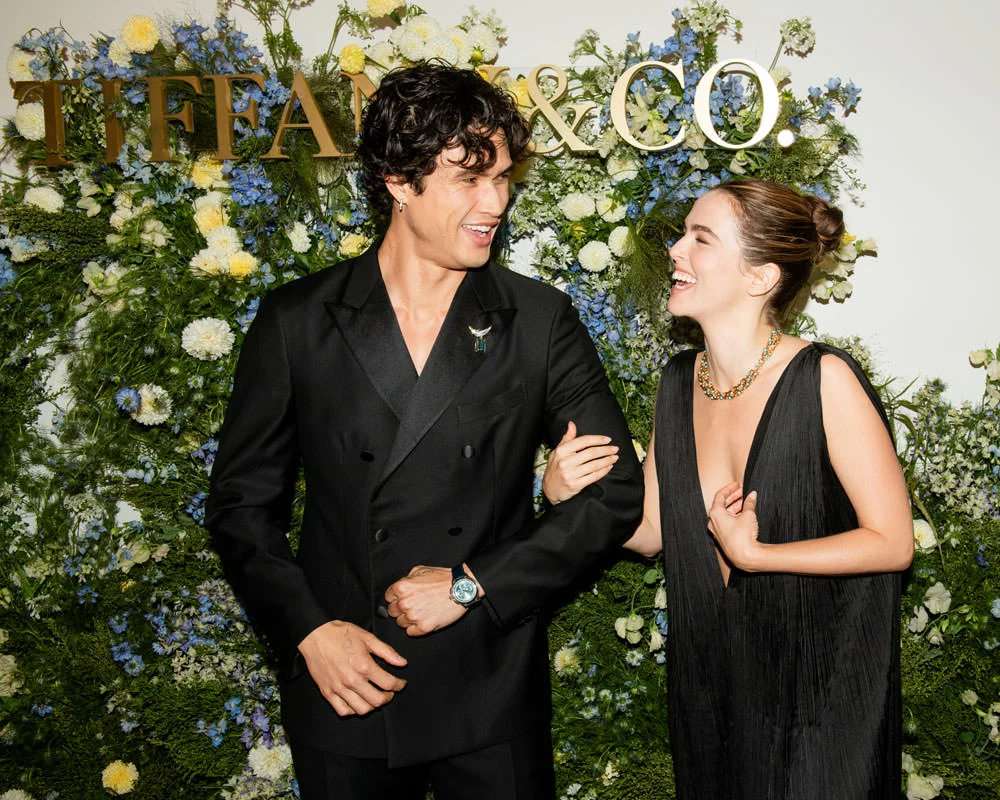

The grand reopening of the Tiffany & Co. boutique at South Coast Plaza in Costa Mesa, California, brought together high-profile Hollywood actors Zoey Deutch and Charles Melton to showcase the luxury jeweler’s latest architectural evolution and high jewelry collections. The September 2026 event marked a significant milestone in the ongoing retail expansion and modernization efforts of the iconic American luxury brand, highlighting the strategic integration of celebrity endorsement, architectural design, and high-end retail merchandising.

South Coast Plaza, recognized as one of the premier luxury shopping destinations in the United States, served as the backdrop for the high-profile gathering. The newly redesigned boutique reflects Tiffany & Co.’s global architectural concept, which emphasizes intimate consultation spaces, custom artwork, and curated displays of the brand’s most exclusive jewelry lines. By enlisting prominent actors Zoey Deutch and Charles Melton as the evening’s primary celebrity guests, the brand aimed to attract both established luxury clientele and younger demographics interested in contemporary luxury fashion.
Event Chronology and Red Carpet Highlights
The grand opening celebration commenced in the early evening with an exclusive red carpet arrival, followed by an intimate private tour of the newly renovated boutique for invited guests, media representatives, and brand executives. Zoey Deutch and Charles Melton arrived as featured representatives of the luxury house, each styled to complement the high-end jewelry pieces provided for the occasion.

Deutch wore a minimalist, high-impact gown that balanced structural volume with clean lines, allowing her curated selection of Tiffany & Co. accessories to remain the focal point of her ensemble. Her styling featured pieces from the Tiffany Hardwear Color Collection, specifically highlighting a medium-link necklace in yellow gold adorned with pearls and turquoise. The choice of the Hardwear collection—known for its industrial shapes and modern aesthetic—underscored Tiffany’s ongoing push to appeal to contemporary jewelry buyers seeking versatile, statement-making pieces.
Charles Melton adopted a polished, understated approach to menswear, wearing a tailored ensemble accessorized with select pieces of Tiffany & Co. horology and high jewelry. His look featured the classic Tiffany Timer Chronograph Watch in titanium and platinum, paired with the brand’s iconic Aquamarine Bird on a Rock Brooch, a homage to the legendary designs of Jean Schlumberger. The pairing of traditional high jewelry with modern masculine tailoring reflects a broader industry trend toward gender-fluid styling in red carpet fashion.

Background and Context of the South Coast Plaza Expansion
The renovation and grand opening of the Tiffany & Co. location at South Coast Plaza are part of a broader, multi-year retail revitalization strategy initiated by the brand following its acquisition by luxury conglomerate LVMH Moët Hennessy Louis Vuitton. Under LVMH’s leadership, Tiffany & Co. has systematically updated its flagship and regional locations worldwide to align with a more upscale, experiential retail model.
South Coast Plaza, situated in Orange County, California, generates some of the highest sales per square foot of any shopping center in the country. It serves as a crucial strategic market for luxury brands aiming to capture affluent consumers from Southern California and international tourists. The reinvestment in the Costa Mesa boutique signifies the brand’s commitment to physical retail spaces despite the rapid growth of e-commerce within the luxury sector. Industry analysts note that experiential flagships play a vital role in building brand equity, offering clients an immersive environment that digital platforms cannot replicate.

Fashion and Styling Analysis
The sartorial choices of Deutch and Melton at the South Coast Plaza opening offered a study in modern red carpet minimalism, a stylistic direction increasingly favored by luxury houses seeking to elevate their products without the distraction of overly complex garments.
In fashion journalism and styling critiques, the concept of the "blank-canvas" outfit has gained traction. This approach involves dressing celebrities in clean, solid-colored, or structurally pure silhouettes that provide a neutral backdrop for high-value jewelry and timepieces. Deutch’s gown, while incorporating a notable degree of volume, maintained a restrained color palette and architectural simplicity that prevented the dress from overpowering the intricate details of her yellow gold, pearl, and turquoise necklace.

Similarly, Melton’s menswear selection adhered to traditional tailoring principles with subtle contemporary twists. The integration of the Jean Schlumberger-inspired Bird on a Rock brooch onto formal menswear demonstrates the evolving landscape of men’s red carpet fashion, where traditional accessories like lapel pins are increasingly replaced or augmented by heritage fine jewelry. This shift has been actively encouraged by luxury brands aiming to expand their male consumer base for high-end jewelry and watches.
Industry Implications and Brand Strategy
The collaboration between Tiffany & Co. and high-profile actors such as Deutch and Melton illustrates modern luxury marketing mechanics. Brand partnerships are no longer limited to traditional advertising campaigns; they extend to experiential events designed to generate immediate digital engagement, press coverage, and social media visibility.

The selection of regional hubs like South Coast Plaza for major grand openings—rather than limiting such events exclusively to New York, Los Angeles, or international fashion capitals—reflects a decentralization of luxury retail. Brands are increasingly investing in affluent suburban and regional markets where high-net-worth consumers reside and shop locally.
Furthermore, the emphasis on timeless elegance combined with modern minimalism in both the boutique’s interior architecture and the celebrity styling points to a broader trend within the luxury sector. As consumer preferences shift toward enduring quality and versatile design, brands like Tiffany & Co. are utilizing architecture, event marketing, and celebrity ambassadors to communicate a message of refined luxury that transcends seasonal trends. The successful launch at South Coast Plaza serves as a case study in how heritage brands can successfully merge historical prestige with contemporary retail execution.