
The heavy metal community and the underground art world are mourning the loss of a foundational figure in extreme performance art. Chuck Varga, the multi-disciplinary artist and musician best known to fans of the intergalactic shock-rock band GWAR as the Sexecutioner, has passed away following a protracted battle with cancer. He was 68 years old. His death marks the end of an era for the Richmond, Virginia-based creative collective that redefined the boundaries between stage performance, sculpture, and transgressive music.
The announcement of Varga’s passing was confirmed on Friday evening by longtime GWAR bassist Casey Orr, recognized by legions of "Bohabs" as Beefcake the Mighty. In a statement that resonated across social media, Orr confirmed that Varga died peacefully, surrounded by his family. "Chuck Varga has left this earthly realm. He passed peacefully, his beloved wife Bambi holding his hand," Orr wrote. "He was one of a kind. As an artist, as a performer; as a scholar and a gentleman. I’m better for having known him and the world is lesser for his leaving."
A Architect of the Slave Pit Universe
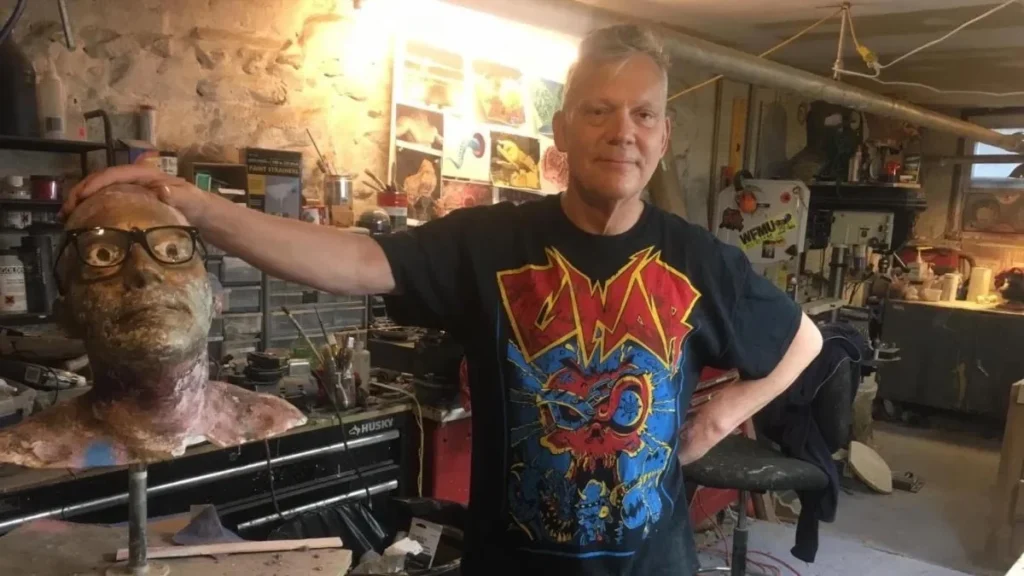
While many fans associate Varga primarily with his onstage persona, his contributions to the GWAR mythos were foundational. Varga was not merely a performer; he was a key architect of the band’s grotesque, high-concept visual identity. As a co-founder of the legendary Slave Pit Studios in Richmond, Varga helped conceptualize the hyper-violent, science-fiction aesthetic that transformed GWAR from a regional punk act into a global cultural phenomenon.
Varga’s versatility spanned sculpture, illustration, character design, and special effects. During the band’s formative years, he was instrumental in crafting the iconic, massive foam-rubber costumes that allowed the band members to portray alien warriors. His work was essential to the "Slave Pit" philosophy, which emphasized a DIY, hands-on approach to production that favored tactile, visceral textures over digital polish.
Onstage, the Sexecutioner became a fan favorite, serving as a brutal, iconic character that complemented the band’s narrative arcs. His vocal contributions remain staples of the GWAR discography. Fans will remember his delivery on tracks such as "Sexecutioner," featured on the 1990 seminal album Scumdogs of the Universe, and "Rag Na Rok," from the 1995 release Ragnarök. These tracks helped solidify his legacy within the genre of shock rock, blending dark humor with aggressive thrash sensibilities.
Chronology of a Public Battle
The decline of Varga’s health became a matter of public concern in early 2026, as the metal community rallied to support one of its own. In April 2026, GWAR officially announced that Varga was fighting a terminal cancer diagnosis. The revelation prompted an immediate outpouring of support from the band’s dedicated fan base.
Recognizing the immense financial burden of end-of-life care, the band and the Slave Pit community organized a series of initiatives to assist Varga and his wife, Bambi. In April, the band organized a blood drive in his honor, followed in June by a comprehensive fundraiser. These efforts were designed to offset the costs of oncology treatments, hospice care, specialized medical equipment, and nursing support.
At the height of the fundraising efforts, Bob Gorman, a fellow GWAR creative, underscored the depth of Varga’s impact on the collective. Gorman noted that Varga’s "illustrations, character designs, performances, and artistic vision" remained embedded in the band’s DNA, even decades after his primary tenure. "His underground aesthetic helped define an entire universe," Gorman stated, emphasizing that the band’s identity was, in many ways, built upon the foundation Varga helped pour.
The Legacy of the Slave Pit
To understand the loss of Chuck Varga, one must understand the unique environment of the Slave Pit. Founded in Richmond, the studio functioned as a creative commune where musicians, actors, and visual artists converged. The "Slave Pit" was the engine room of GWAR, where the line between the stage and the workshop was non-existent.
Varga’s role as a co-founder meant he was present during the band’s transition from the experimental art-punk scene of the mid-1980s to the mainstream-adjacent success of the early 1990s. He helped establish a model of independent artistic control that influenced countless bands in the heavy metal and horror-punk genres. By prioritizing character-driven performance and elaborate stage effects, Varga and his cohorts established a blueprint for live music as a form of immersive theater.
The "Sexecutioner" character, in particular, embodied the irreverent, blood-soaked spirit of the band. It was a character that demanded physical endurance and theatrical timing, two traits that Varga possessed in abundance. His death is a sobering reminder of the passage of time for a generation of artists who pushed the boundaries of the underground in the 1980s and 90s.
Industry Reactions and the Road Ahead
The metal community has reacted with profound sorrow. Peers, fellow musicians, and former collaborators have taken to social media to share stories of Varga’s kindness, intellect, and relentless creative output. Casey Orr’s invocation of "Valhalla"—referencing the late GWAR icons Dave Brockie (Oderus Urungus) and Cory Smoot (Flattus Maximus)—serves as a reminder of the band’s internal cosmology, which often treats its own history with the same epic, mythological weight as its stage shows.
"Raise your glass and tell his tales. Legends never die. Hail Varga! Hail Sexecutioner!" Orr concluded in his statement, signaling the end of an era for the current iteration of the band.
Despite the heavy loss, GWAR continues to operate as a living, breathing entity. The band is currently preparing for a significant North American tour scheduled for October 2026. The trek, which includes performances alongside the punk-metal band Midnight and the satirical, fast-food-themed Black Sabbath tribute act Mac Sabbath, will likely serve as a memorial tour for the fallen artist. Fans are expected to turn out in record numbers to pay their respects to a man who helped create the very world they have inhabited for decades.
Broader Impact and Analysis
The passing of Chuck Varga is not merely the loss of a musician; it is the loss of a pivotal visual historian of the extreme music scene. The implications of his death are felt most keenly in the field of independent prop design and stage performance. Varga’s work proved that, with enough ingenuity and dedication, a DIY collective could compete with the high-production values of major touring acts.
Furthermore, his death highlights the ongoing challenges faced by legacy artists within the music industry. The necessity of fan-led fundraising for medical costs in the latter stages of his life reflects broader systemic issues regarding health security for artists who have contributed significantly to cultural heritage. The overwhelming support from the "Bohab" community served as a testament to the longevity of the brand and the genuine affection held for its creators.
As the band prepares to return to the road, they do so with a diminished, yet enduring, creative core. Varga’s influence will undoubtedly persist in every mask, every costume, and every theatrical kill that takes place on a GWAR stage. While the man known as the Sexecutioner has left this earthly realm, the universe he helped construct remains a permanent fixture of the heavy metal landscape. His legacy is etched into the very materials of the Slave Pit—a testament to a life lived with uncompromising, eccentric, and visionary intensity.