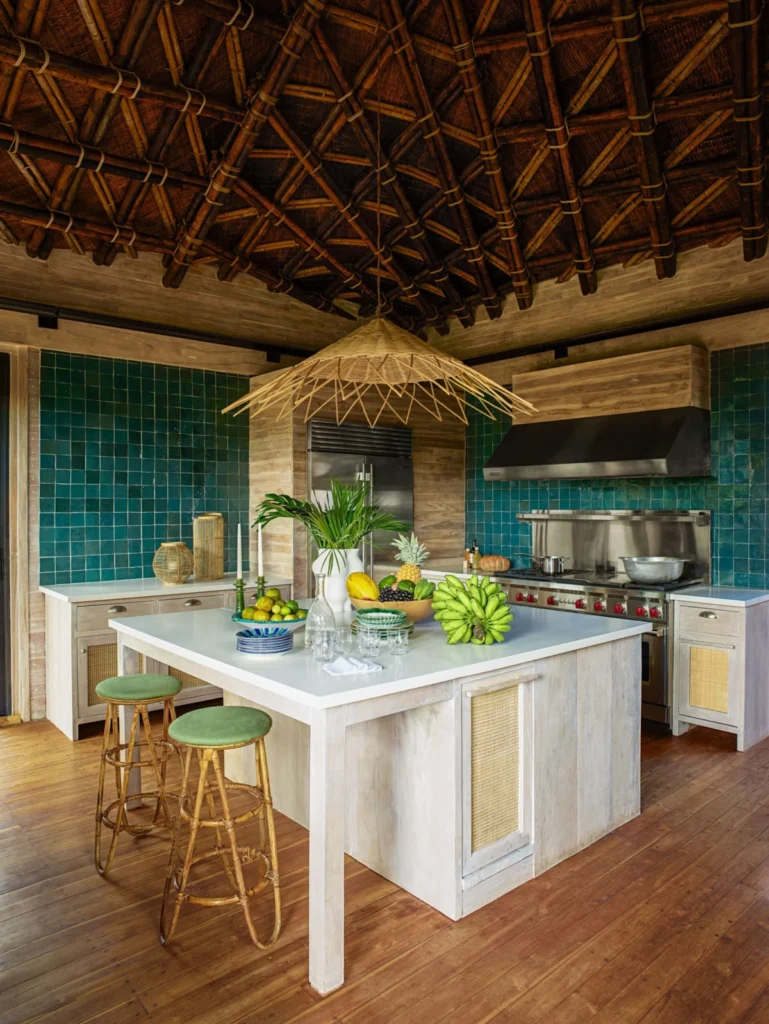

As the summer season reaches its peak and the "outdoor living" market continues its significant post-pandemic expansion, homeowners are increasingly seeking a middle ground between fragile indoor ceramics and the environmental waste of single-use paper products. Historically dismissed as "cheap" or reserved exclusively for toddlers and poolside snacks, melamine tableware has undergone a sophisticated aesthetic rebrand. Modern manufacturing techniques now allow this durable resin to mimic the weight, texture, and glaze of high-end stoneware, making it a cornerstone of the contemporary alfresco dining experience.
The Modern Renaissance of Melamine Tableware
For decades, the primary critique of melamine was its perceived lack of elegance. However, the design landscape has shifted dramatically. High-end retailers and independent designers have recognized a growing demand for "unbreakable luxury." This shift is driven by the rise of the "tablescape" trend on social media and a broader cultural move toward permanent outdoor entertaining spaces.

According to market analysts, the global outdoor furniture and kitchen market has seen a compound annual growth rate (CAGR) of over 5% since 2020. As consumers invest thousands of dollars in outdoor kitchens, pizza ovens, and pergolas, the demand for appropriate dinnerware has followed suit. Melamine, once the underdog of the pantry, is now being produced with scalloped edges, hand-painted floral motifs, and "reactive" glazes that are nearly indistinguishable from traditional porcelain until touched.
Understanding the Material: Safety, Science, and FDA Regulations
Melamine is a nitrogen-rich, organic-based compound used to create a hard-wearing thermosetting plastic. When combined with formaldehyde under high heat, it forms a durable resin that is virtually shatterproof. Despite its utility, the material has faced scrutiny regarding chemical leaching.
The U.S. Food and Drug Administration (FDA) has conducted extensive safety assessments on melamine tableware. Their findings conclude that while melamine does not migrate into most foods, there are specific environmental triggers that consumers must observe. The FDA has officially approved melamine for tableware use provided that it is not subjected to microwave radiation or used to serve highly acidic foods at extreme temperatures.

"The risk of melamine migrating from tableware to food is very low," the FDA stated in its safety overview. However, because melamine does not absorb microwave radiation, the food inside can become superheated, potentially causing the material to warp or the chemical bonds to break down. Consequently, while melamine is dishwasher safe (usually on the top rack), it remains strictly prohibited for microwave use. For the modern host, this is a small trade-off for a set of plates that can survive a drop onto a slate patio or a stone poolside.
A Chronology of Melamine Design: From the Space Age to Contemporary Glazes
The evolution of melamine design provides a window into changing consumer tastes over the last half-century.
The 1960s and 70s: The Space Age Influence
In the mid-20th century, melamine was celebrated for its modernity. Brands like Heller, founded in 1971, capitalized on the "Space Age" aesthetic. Their "Max" dinnerware set, designed by Lella and Massimo Vignelli, became an icon of industrial design. Characterized by vibrant primary colors and a unique stacking functionality, these pieces were featured in the Museum of Modern Art (MoMA). This era focused on the "plasticity" of the material, celebrating its synthetic nature rather than hiding it.
.jpeg)
The 1990s and 2000s: The Utility Era
During this period, melamine retreated to the functional fringes. It became synonymous with "picnic-ware"—often thin, prone to staining, and decorated with dated still-life patterns. It was the "safe" option for children, but rarely seen at a formal dinner party.
2020 to Present: The "Stoneware" Mimicry
Today, the trend has come full circle. Designers like Leanne Ford and brands such as West Elm are utilizing melamine to recreate the "wabi-sabi" aesthetic of hand-thrown pottery. Irregular edges, matte finishes, and "speckled" glazes are now standard. This "new" melamine is heavier and more tactile, catering to a consumer who wants the durability of plastic with the soul of an artisanal craft.
Market Analysis: Leading Offerings for the Summer Season
The current market offers a diverse range of melamine options tailored to specific design sensibilities. A survey of top-tier retailers reveals several standout collections that define the 2024 outdoor dining aesthetic.
.jpeg)
Luxury and Artistic Collaborations
Juliska, in collaboration with Cabana, has released a set of melamine salad plates that feature scalloped edges and playful striped palettes. These pieces lean into the "maximalist" trend, moving away from minimalism toward vibrant, textile-inspired patterns. Similarly, the Farm Rio x Anthropologie collection utilizes melamine to bring tropical, bohemian prints—parrots, palm fronds, and lush florals—to the table, offering a "vacation vibe" that appeals to the luxury traveler.
The "Faux-Ceramic" Specialists
For those who prefer a traditional look, Lenox and Pottery Barn have mastered the art of the ceramic-glaze finish. The Lenox Blue Bay collection features painterly stripes and artisanal rims, backed by a "Replacement Promise" that underscores the brand’s confidence in the material’s durability. Pottery Barn’s Larkin collection mimics the sheen and depth of ocean-blue ceramic, effectively hiding its plastic origins.
Minimalist and Designer-Led Collections
Designer Leanne Ford’s collaboration with Crate & Barrel brings a sophisticated black-and-white palette to the outdoors. These plates are a direct translation of her successful ceramic "Range" collection, proving that high-design concepts no longer need to be restricted by material fragility. CB2’s Palacio set offers an all-white, sleek alternative with raised sides, catering to the minimalist host who favors a "Michelin Star" presentation for their backyard barbecue.
.jpeg)
Economic and Environmental Impact
The shift toward high-quality melamine also reflects a change in consumer spending habits regarding sustainability. While melamine is a plastic and therefore not biodegradable, its extreme durability offers a "buy once, use forever" alternative to the billions of paper and flimsy plastic plates that end up in landfills annually.
Data from environmental agencies suggest that the lifecycle of a single melamine plate, used over a decade, has a lower carbon footprint than the equivalent thousands of disposable plates it replaces. However, the industry is currently facing pressure to address the "end-of-life" stage of melamine products. Research is ongoing into "bio-melamine"—blends that incorporate bamboo fiber or cornstarch to create a more compostable product, though these often sacrifice some of the heat resistance and durability of the original resin.
Broader Impact and Industry Implications
The "premiumization" of melamine has broader implications for the retail and hospitality industries. Restaurants with outdoor seating are increasingly turning to high-end melamine to reduce "breakage costs" without sacrificing the guest experience. In the residential sector, the distinction between "indoor" and "outdoor" decor is blurring.
.jpeg)
Real estate experts note that "outdoor rooms" are now a top priority for homebuyers. As kitchens expand to include outdoor islands and dining areas, the "second set" of dinnerware has become a standard purchase rather than an afterthought. This has created a lucrative niche for legacy brands like Lenox and West Elm to capture a market that previously belonged to mass-market big-box stores.
Conclusion: The Future of the Outdoor Table
As we look toward the future of home entertaining, melamine appears set to remain a staple. Its ability to evolve from a purely functional, industrial material into a canvas for high design demonstrates the versatility of modern polymers. While the environmental conversation around plastics will continue to shape manufacturing, the current consumer preference for durability and style ensures that melamine will have a seat at the table for many summers to come.
For the homeowner, the defense of melamine is simple: it facilitates the transition from the kitchen to the garden without the anxiety of shattered glass. In a world where the backyard has become the new sanctuary, these unbreakable iterations of our favorite ceramics are more than just plates; they are the tools of a stress-free, stylish lifestyle. Whether it is the Space Age nostalgia of a Heller set or the coastal elegance of Pottery Barn, melamine has officially graduated from the toddler’s high chair to the designer’s tablescape.