
The ongoing murder trial of former American Idol contestant Caleb Flynn has taken a surreal and technically complex turn as prosecutors introduced into evidence a series of AI-generated musical compositions allegedly written by the defendant for his mistress, Alleigha Botner. The trial, which centers on the February 2026 death of 37-year-old Ashley Flynn in their Tipp City, Ohio, home, seeks to establish a motive rooted in infidelity and a desire to dismantle a life the defendant purportedly felt trapped within.
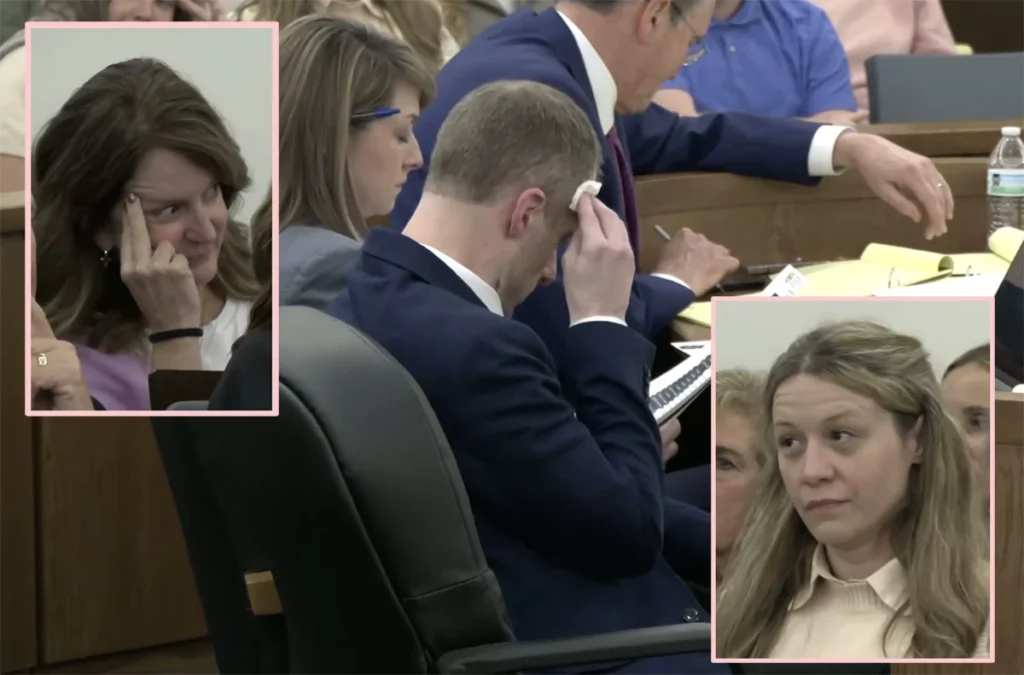
The presentation of these digital artifacts—songs created using artificial intelligence to set lyrics written by Flynn to melody—has provided the jury with an unsettling window into the defendant’s private life in the days leading up to the homicide. As the courtroom listened to the playback, the reactions of those present underscored the gravity and the disturbing nature of the evidence, which prosecutors argue illustrates a calculated preoccupation with his extramarital relationship.
A Chronology of the Investigation
The tragic events unfolded on a quiet day in February 2026. According to the emergency dispatch logs and subsequent testimony, Caleb Flynn placed a frantic 911 call claiming he had discovered his wife, Ashley, unresponsive in their bedroom. During the call, Flynn reported that an intruder had breached their home, resulting in his wife sustaining two gunshot wounds to the head. He maintained that he had been in a separate area of the house with their children at the time of the incident, claiming they remained asleep throughout the supposed home invasion.
Law enforcement’s initial response was dictated by the narrative provided by the defendant. However, investigators quickly identified inconsistencies that would eventually pivot the case from a random act of violence to a targeted homicide investigation. Forensic analysis of the crime scene revealed that the primary point of entry suggested by Flynn—the garage side door—was obstructed by a heavy refrigerator, making it highly improbable that an intruder could have utilized that path. Furthermore, the discovery of a 9mm handgun in a truck console within the garage, which Flynn acknowledged as his own, provided a critical lead for ballistics experts.
By the time of his arrest, investigators had compiled a substantial body of evidence suggesting that the "home invasion" was a staged event. The prosecution has charged Flynn with one count of murder, two counts of felonious assault, and two counts of tampering with evidence, alleging that he systematically manipulated the scene to mislead authorities before ultimately turning the weapon on his wife.
The Role of Technology in the Prosecution’s Case
The introduction of AI-generated music into the trial has sparked a broader conversation regarding the role of digital forensics in modern criminal litigation. Testimony from Joseph Wilhelm, a special agent with the Ohio Bureau of Criminal Investigation (BCI), revealed that Flynn had utilized an AI music generation application on his personal smartphone. Notably, the application was deleted from the device only days before Ashley Flynn was killed.
Prosecutors argue that these songs—which explicitly referenced the couple’s age gap, their anniversary, and the clandestine nature of their affair—serve as critical circumstantial evidence of Flynn’s state of mind. By synthesizing his own lyrics into a musical format, the defendant allegedly sought to immortalize his feelings for Botner, a move the state characterizes as a form of emotional detachment from his marriage and a potential indicator of his intent to move on from his family life.
Background and Public Perception
Caleb Flynn’s public profile dates back to his appearance on Season 12 of American Idol in 2013. During his tenure on the show, Flynn presented himself as a devout family man, frequently expressing his deep affection for his wife during televised interviews. In a notable segment from his "Road to Hollywood" audition, he spoke at length about his love for his wife and his faith, framing his identity around his role as a husband and a father.
This stark contrast between his public persona from 2013 and the evidence currently being presented in court has become a focal point for observers. The defense continues to maintain Flynn’s innocence, arguing that the existence of extramarital affairs and the use of technology to express those feelings does not equate to the commission of a violent crime. The defense team has signaled that they will challenge the weight given to the digital evidence, suggesting that the prosecution’s reliance on these songs is an attempt to prejudice the jury rather than prove the act of homicide itself.
Forensic Implications and Evidence Analysis
The forensic narrative constructed by the state relies on a combination of physical and digital evidence. In addition to the AI songs, the state has pointed to the specific nature of the crime scene as evidence of a staged event. The two shell casings found near the victim, the proximity of the weapon to the defendant’s known belongings, and the physical impossibility of the claimed entry point form the cornerstone of the prosecution’s case.
The forensic analysis of the 911 call also remains a significant point of contention. While the defense frames the call as the reaction of a man in shock, the prosecution notes the specific phrasing and the emotional tenor of the call as consistent with patterns often seen in cases where the caller is the perpetrator. The audio, which has been analyzed by voice experts and presented to the jury, provides a haunting backdrop to the trial’s proceedings.
Broader Legal and Social Implications
The Flynn trial stands as a significant case study in how modern personal data—including AI-generated content—is being integrated into the American judicial system. As artificial intelligence tools become increasingly accessible to the general public, their role in personal lives is expanding, and by extension, their presence in criminal discovery is likely to increase.
Legal analysts observing the trial note that while AI-generated content is essentially a digital footprint, its use in court raises questions about interpretation. Unlike a handwritten letter or an email, which clearly originates from a specific intent and authorship, AI-generated content involves a collaboration between a human prompter and an algorithm. The defense’s challenge will likely focus on whether the generated songs represent the defendant’s genuine thoughts or are simply the result of a user experimenting with an app’s creative capabilities.
Furthermore, the case highlights the enduring impact of digital forensics in cases of domestic homicide. As investigators become more adept at recovering data from encrypted apps and cloud-synced devices, the private lives of defendants are increasingly being laid bare in open court. This trend forces juries to weigh not only the physical evidence of a crime but the psychological and emotional histories documented within a digital ecosystem.
Current Status of the Trial
As the trial moves forward, the court is expected to hear from additional witnesses, including associates of the defendant and further forensic experts. The judge has closely managed the proceedings, ensuring that the introduction of high-tech evidence remains within the bounds of relevance and reliability. The jury, tasked with the difficult responsibility of discerning the truth behind the conflicting narratives of a tragic home death, must now reconcile the image of the singing contestant from 2013 with the man accused of orchestrating a cold-blooded murder.
The outcome of the Caleb Flynn trial will undoubtedly be influenced by the prosecution’s ability to weave the AI evidence into a coherent narrative of motive and premeditation. Regardless of the verdict, the case serves as a somber reminder of the complexities inherent in modern investigations and the way technology continues to intersect with the most profound and darkest aspects of human behavior. The trial continues to be a closely watched matter in Ohio, with further developments expected in the coming weeks as both sides move toward closing arguments.