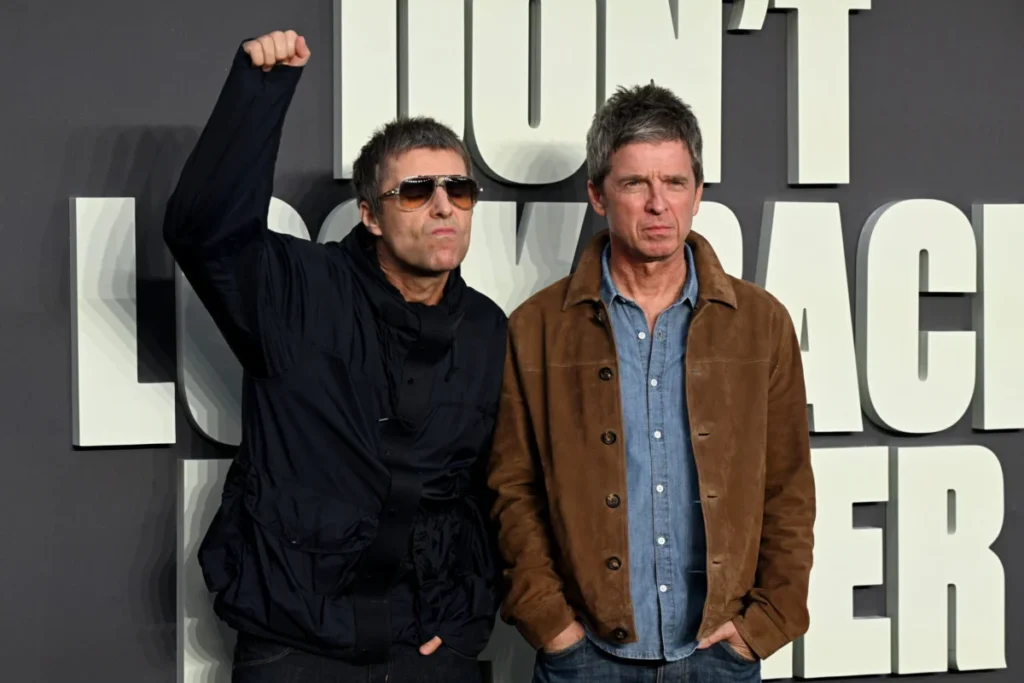

The 2027 tour is set to be a significant undertaking, spanning continents and iconic venues including Glasgow’s Celtic Park, Manchester’s Etihad Stadium, and the legendary Knebworth House. With 38 dates confirmed across the United Kingdom, Europe, and North America, the band is aiming to satisfy a global fanbase that has remained steadfastly loyal despite the band’s long period of inactivity prior to their 2025 reformation.
Chronology of the Ticket Release Process

The path to securing a seat for this tour began with a rigorous pre-registration phase. Fans were required to register their interest through the official Oasis website by 4:00 PM on Thursday, September 17, 2026. This initial step served as a filter, allowing the organizers to verify identities and distribute unique access codes only to a subset of the applicant pool.
The notification period, which spans from Thursday, September 24, to Sunday, September 27, marks the second phase of the operation. Fans who were successful in the random selection process are currently receiving emails containing unique, single-use codes. These codes are tied directly to the email address used during the registration process, a security measure intended to prevent the resale or sharing of codes on secondary marketplaces.
Once a fan is in possession of a code, they are assigned one of nine distinct sales windows scheduled over a three-day period. These windows occur at 9:00 AM, 1:00 PM, and 5:00 PM each day. The compartmentalization of these windows is a deliberate strategy to manage server load and prevent the "crashing" incidents that are common during major ticket drops. According to guidance provided by the band’s management, fans are strictly prohibited from using their codes outside of their assigned slot, and attempting to do so will result in a denial of access to the virtual queue.

Operational Logistics and Security Measures
The transition from the chaotic, high-pressure ticket sales of 2025 to the current, more structured model highlights the evolving relationship between heritage acts and the ticketing industry. During the previous tour, over 10 million people from 158 countries attempted to secure tickets, a volume that far exceeded the 1.4 to 2.2 million tickets available. The resulting frustration was compounded by the use of "dynamic pricing," which saw ticket costs surge in real-time as demand peaked.
For the 2027 tour, the band has moved to stabilize costs. Standard ticket prices for UK dates have been fixed at a range between £71.50 and £266.60, inclusive of all associated booking fees. This transparency is intended to mitigate the public relations backlash that followed the 2025 cycle, where fans expressed deep dissatisfaction with fluctuating prices. Furthermore, the decision to withhold the immediate delivery of digital barcodes serves as an additional layer of protection. By keeping the barcodes in a pending state, Ticketmaster and the band’s legal teams can audit transactions to ensure that per-household limits—capped at four tickets per code—have not been circumvented.

The Importance of the Waiting Room
Upon receiving an access code, the procedure for purchasing is precise. Fans are directed to enter the Ticketmaster waiting room exactly 30 minutes before their designated slot. The integration of the email address used for registration with the user’s Ticketmaster account is non-negotiable. If the credentials do not match, the system will effectively lock the user out of the queue, rendering the code useless.
This high level of technical scrutiny is a direct response to the rise of sophisticated bot networks that historically harvested inventory in seconds. By requiring a verified, registered email, the organizers are attempting to ensure that the primary ticket holders are genuine fans rather than speculative resellers. However, as noted in the official guidance, holding a code does not constitute a guarantee of a purchase. The reality of high-demand events remains that supply is finite, and once the allocation for a specific window is exhausted, the remaining participants in that queue will be unable to complete a purchase.

Broader Implications for the Live Music Industry
The Oasis 2027 tour serves as a case study for the future of stadium-level touring. The decision to perform at venues like Knebworth, which holds significant historical weight for the band, reflects a desire to marry nostalgia with modern logistical efficiency. The use of a drone light show in Manchester to announce the tour was a tactical move to build cultural momentum, signaling that the band is fully aware of their status as a global cultural touchstone.
From an industry perspective, the scrutiny placed on these sales is immense. Government regulators and consumer rights groups have increasingly monitored the conduct of major ticketing platforms. The Competition and Markets Authority (CMA) has previously examined the transparency of ticket sales for Oasis, and this 2027 cycle will undoubtedly be viewed as an attempt by the industry to self-regulate before further government intervention becomes necessary.

Market Analysis: Demand vs. Capacity
While the band has added extra dates to locations such as Knebworth to meet "phenomenal demand," the question remains whether even 38 dates will be sufficient to satisfy a global audience that has waited over a decade to see the brothers perform together. Analysts suggest that the "fear of missing out" (FOMO) phenomenon is particularly acute with legacy acts like Oasis, whose breakup and subsequent reunion have created a narrative arc that transcends the music itself.
The economic impact of this tour on the UK and European hospitality and travel sectors will be substantial. Historically, Oasis concerts have been drivers of regional tourism, with fans traveling from across the globe to witness the spectacle. Local authorities in host cities like Glasgow and Manchester are already preparing for the influx of visitors, with hotel demand expected to spike significantly during the tour dates.

Official Stance and Fan Communication
A spokesperson for the band has reiterated that the current structure was designed with the sole purpose of fairness. "This structure has been created to ensure the purchase process is as fair and smooth as possible for Oasis fans," the statement read. To further this goal, the band has pledged to provide real-time updates during the queues, informing fans when specific price tiers or ticket types have sold out. This serves to manage expectations in real-time and reduce the frustration of waiting in a queue for a ticket that is no longer available.
Despite these efforts, the reality remains that for many, the 2027 tour will be a difficult ticket to secure. There is no general sale planned, meaning that the registration process was the only viable pathway for fans. Those who failed to register or who were not selected in the initial draw have little recourse, a reality that underscores the extreme imbalance between demand and supply.

Conclusion
As the countdown to the 2027 tour continues, the focus remains on the technology and the processes that will define the fan experience. The Oasis tour of 2027 is more than just a series of concerts; it is a massive logistical operation that reflects the complexities of the modern entertainment economy. Whether this new, highly-controlled ticketing model will prove to be a successful blueprint for future mega-tours remains to be seen. For now, thousands of fans are checking their email inboxes, hoping for the digital notification that will grant them a place at what promises to be one of the most talked-about musical events of the decade. The lessons learned from the challenges of 2025 have clearly been applied to the current strategy, but as with all events of this scale, the final verdict will rest on the experience of the fans themselves once the first chord is struck in 2027.