
The Significance of the Blue Book Collection
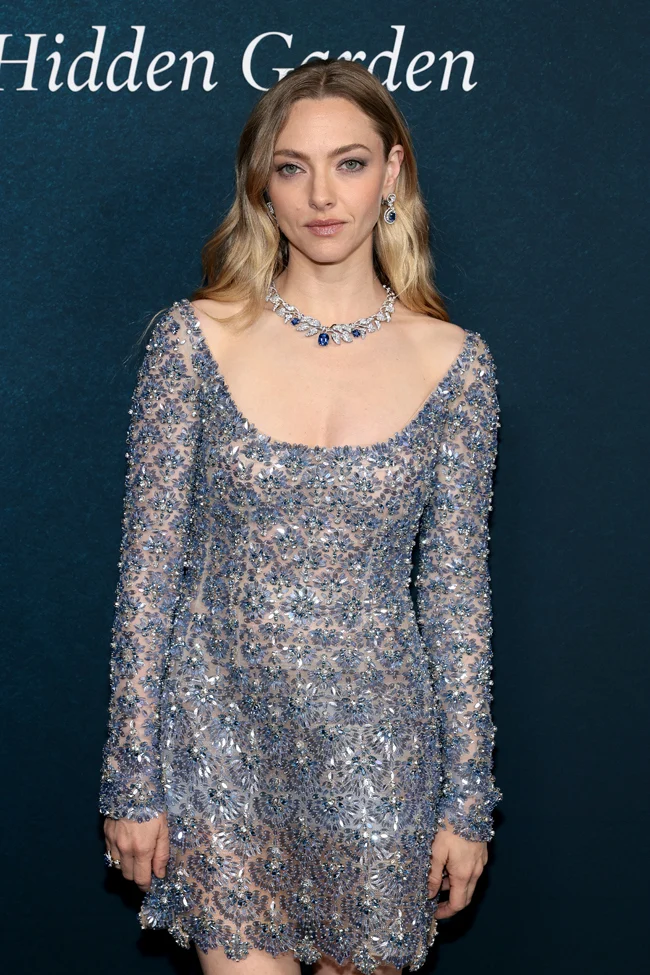
The Tiffany & Co. Blue Book has long been regarded as one of the most prestigious high jewelry catalogs in the world. First published in 1845 by founder Charles Lewis Tiffany, the Blue Book was originally a mail-order catalog for the American elite. Over the decades, it evolved into an annual presentation of the world’s rarest and most expensive jewels. The 2026 collection, titled "Hidden Garden," draws inspiration from the organic complexity of nature, specifically the untamed beauty of secluded flora and the vibrant colors of secret sanctuaries.
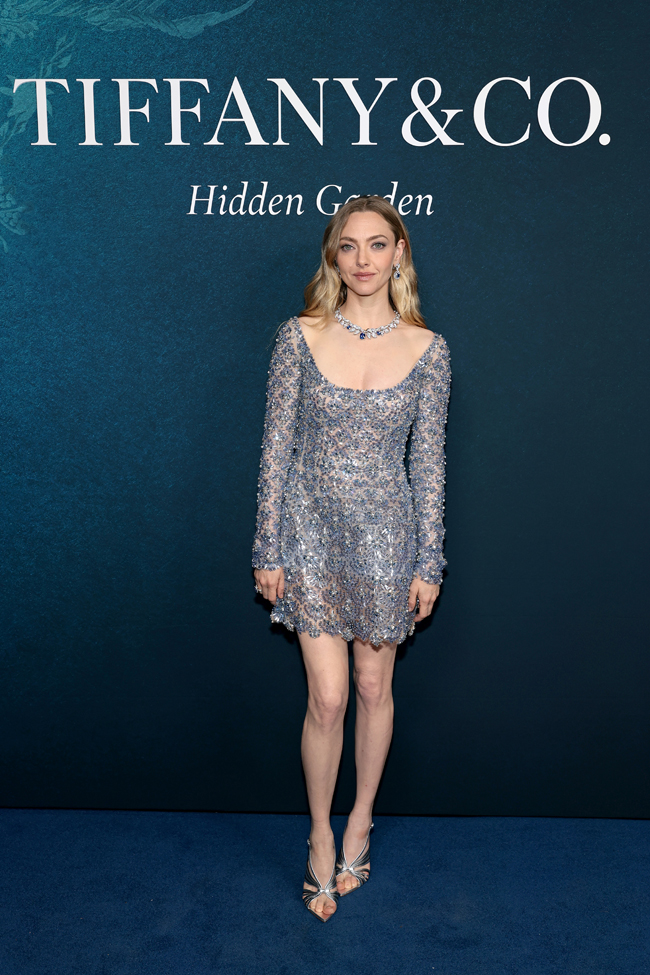
High jewelry events of this magnitude are essential for luxury brands to maintain their "prestige" status. Unlike ready-to-wear collections, Blue Book pieces are often one-of-a-kind, featuring stones that took years to source. The 2026 collection reportedly features an array of fancy intense yellow diamonds, rare tsavorites, and sapphires that mimic the hues of a twilight garden. For LVMH, which acquired Tiffany & Co. in 2021 for approximately $15.8 billion, these events are strategic maneuvers to elevate the brand’s profile above traditional competitors and align it with the highest tiers of global luxury.
A Chronology of the New York Celebration
The evening unfolded with a meticulously planned schedule that emphasized exclusivity and craftsmanship. The festivities began with a private viewing of the Hidden Garden collection at a secure, high-design venue in Manhattan. Guests were given the opportunity to examine the pieces up close, noting the intricate "Jean Schlumberger" influences that continue to inform Tiffany’s high jewelry DNA.
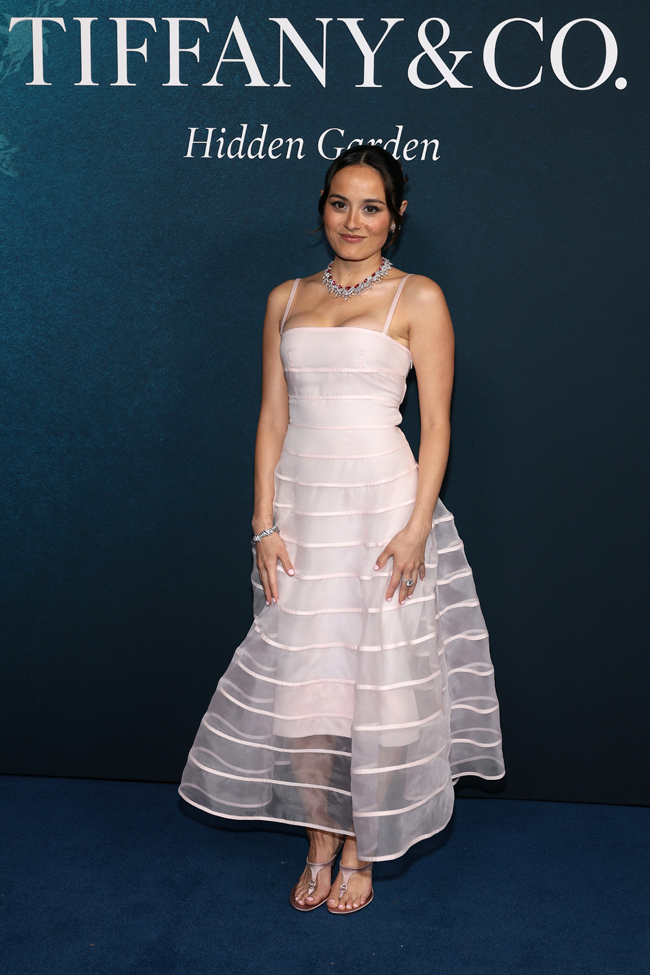
Following the private viewing, the red carpet arrivals commenced. This segment of the evening served as a live marketing activation, as celebrities modeled the very pieces being celebrated. The synergy between the jewelry and the fashion choices of the attendees provided a visual narrative for the collection’s versatility and opulence. The night concluded with an intimate gala dinner, where the brand’s executives, including CEO Anthony Ledru and Executive Vice President Alexandre Arnault, hosted the gathered luminaries.
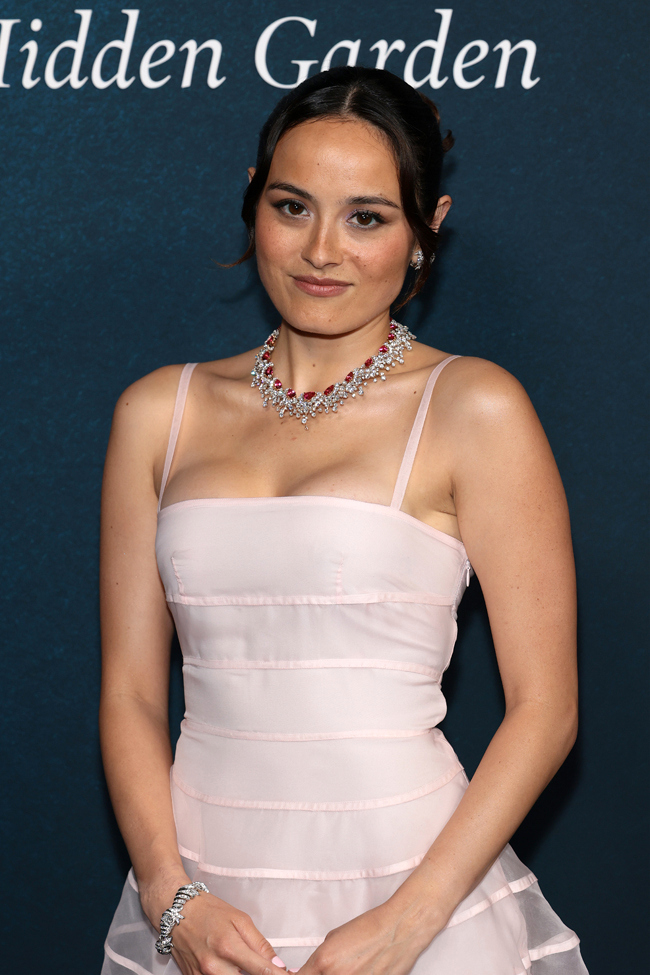
Red Carpet Analysis: Fashion and High Jewelry Synergy
The red carpet served as a masterclass in how modern celebrities navigate the intersection of high fashion and corporate brand ambassadorship. Each attendee’s ensemble was carefully selected to either complement or provide a stark canvas for the Tiffany & Co. jewels on display.
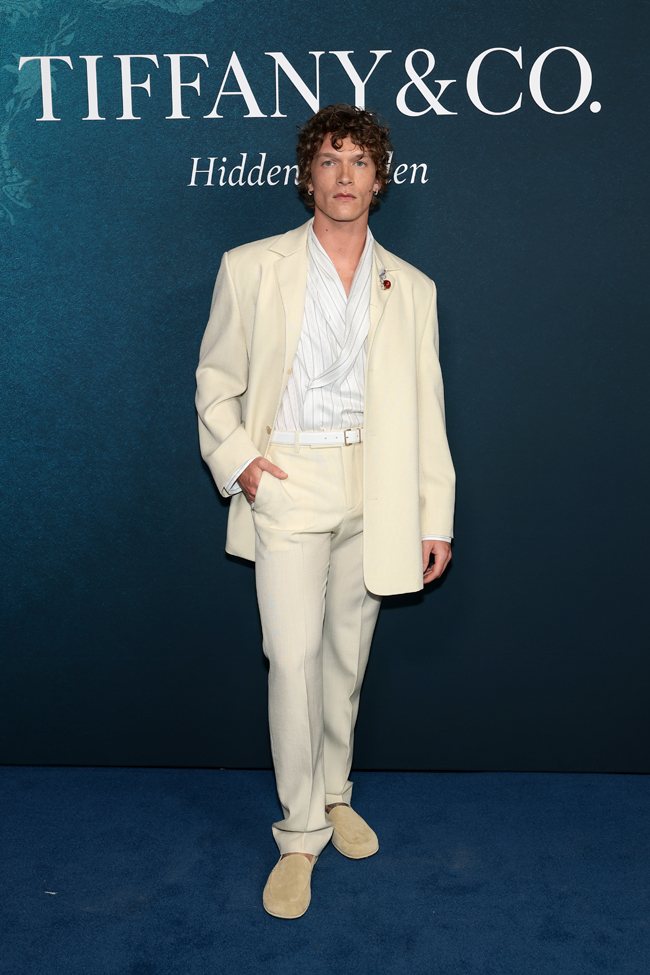
High-Drama Silhouettes and Classic Elegance
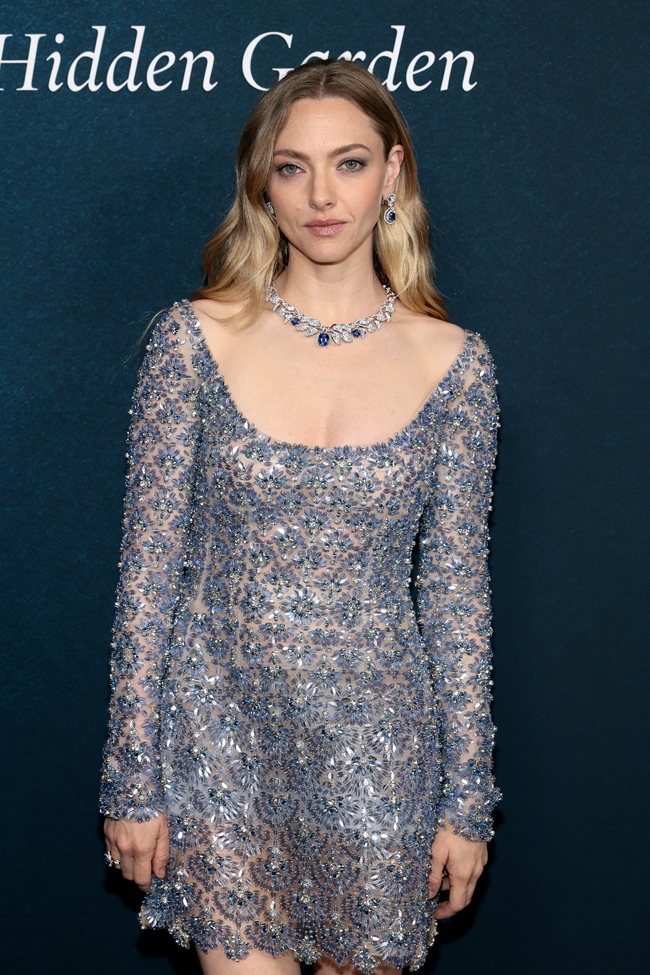
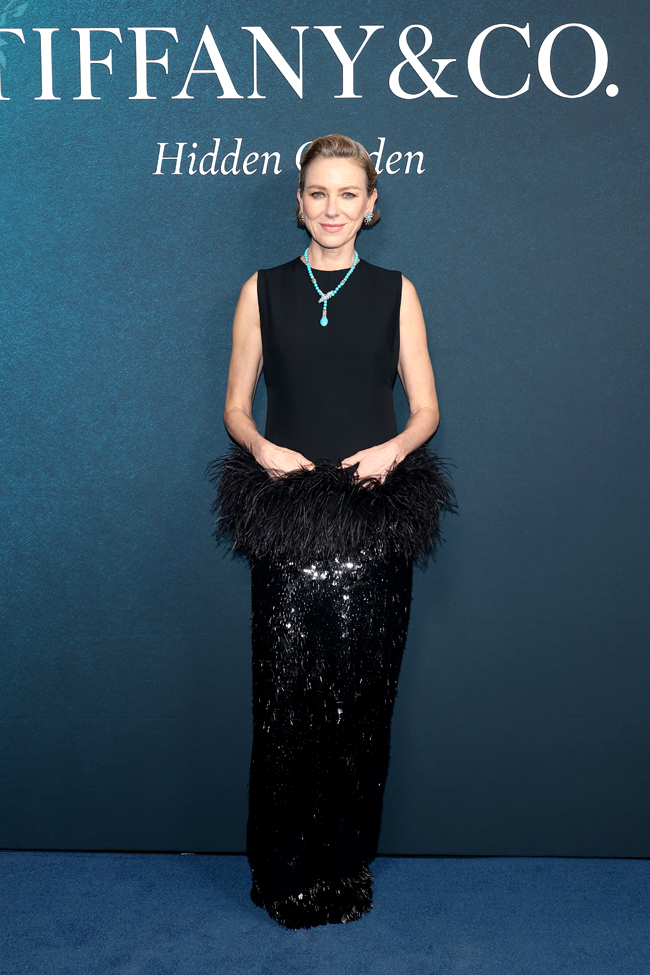
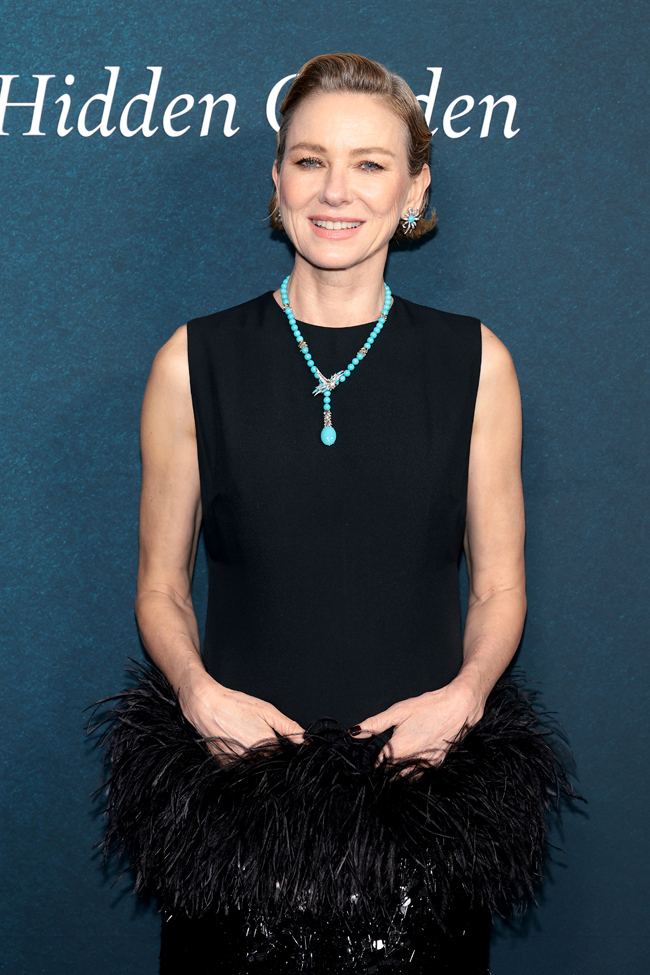
Amanda Seyfried appeared in an ethereal gown by Oscar de la Renta, a choice that leaned into the floral, garden-centric theme of the night. The intricate detailing of her dress provided a romantic backdrop for her selection of Tiffany diamonds. Similarly, Naomi Watts opted for a bold, textural piece from Taller Marmo. While the outfit itself was a statement of bohemian luxury, it was designed to frame her high jewelry necklace, illustrating the balance between avant-garde fashion and timeless gemology.
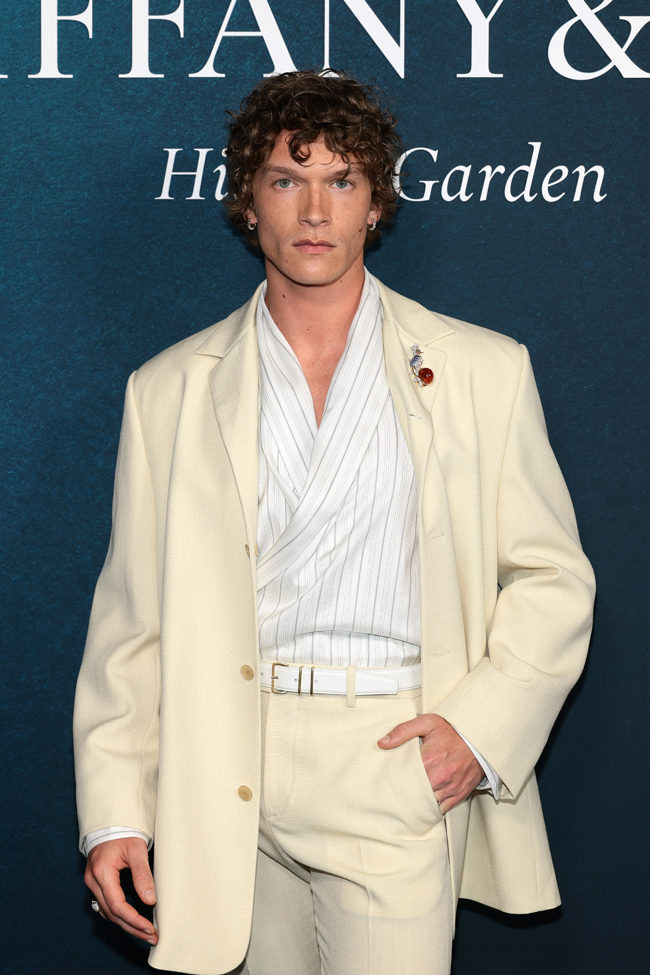
Diane Kruger, known for her adventurous fashion choices, arrived in Sabina Bilenko Couture. Her look was architectural, drawing comparisons to classical Greek structures, which provided a rigid, structured contrast to the organic shapes found in the Hidden Garden collection.
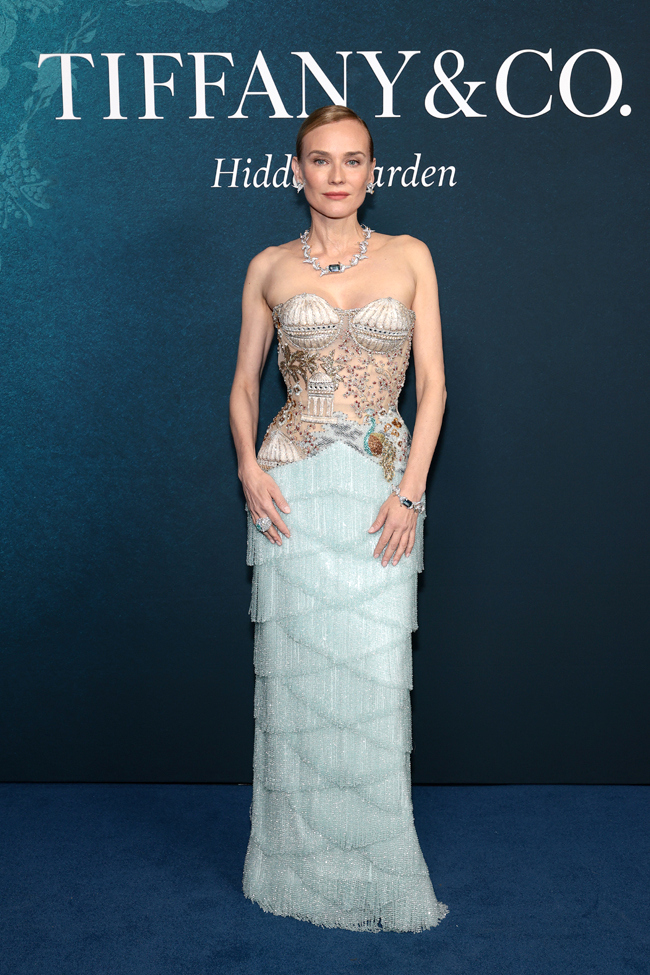
Modern Interpretations of Brand Identity
The presence of global ambassadors like Rosé of Blackpink and Yuqi highlighted Tiffany & Co.’s successful pivot toward a younger, international demographic. Rosé, wearing a minimalist and chic Khaite ensemble, represented the "quiet luxury" aesthetic that has become a hallmark of the brand’s recent marketing. Her influence in the Asia-Pacific market is a critical component of Tiffany’s growth strategy, as LVMH continues to expand its footprint in South Korea and China.
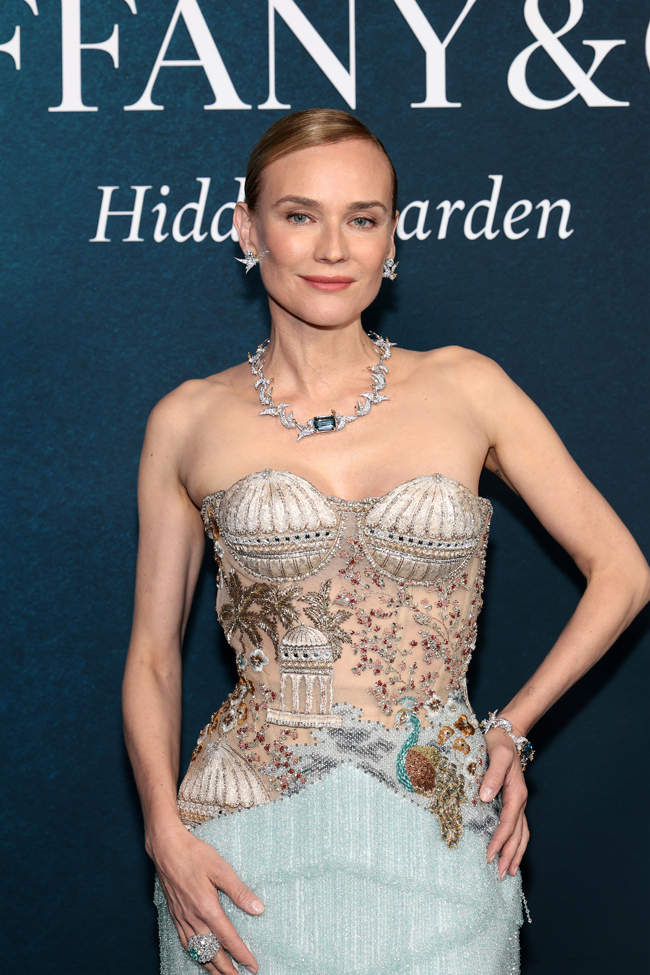
Yuqi’s appearance in Wang Feng was a more maximalist affair. Her seafoam green gown, adorned with feathers, was a literal interpretation of the "Hidden Garden" theme. While the dress was voluminous, it served to draw the eye toward her neckwear, a centerpiece of the 2026 collection.
Men’s High Jewelry: An Emerging Market Trend
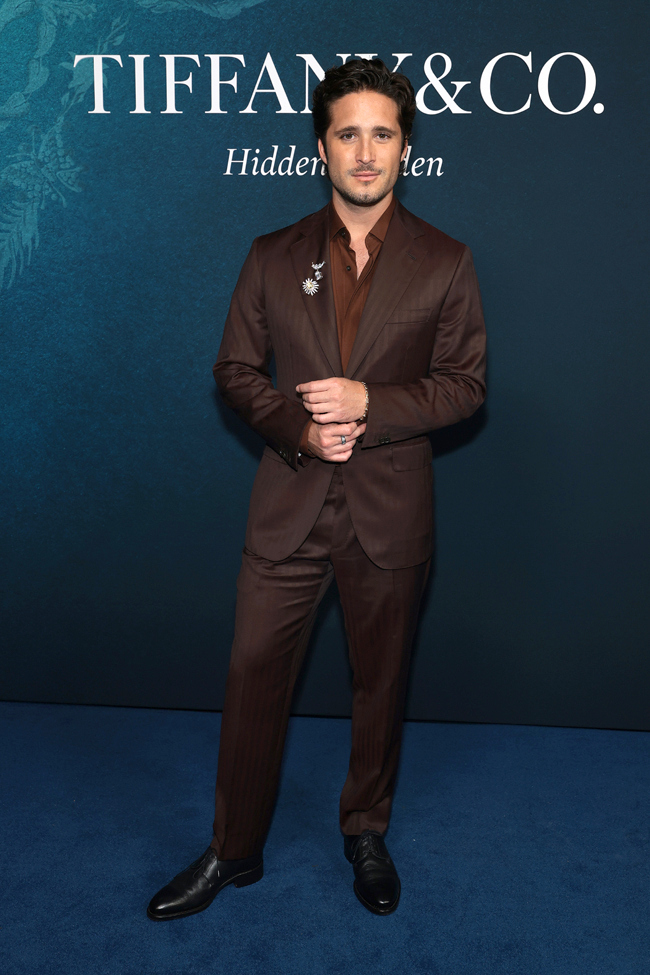
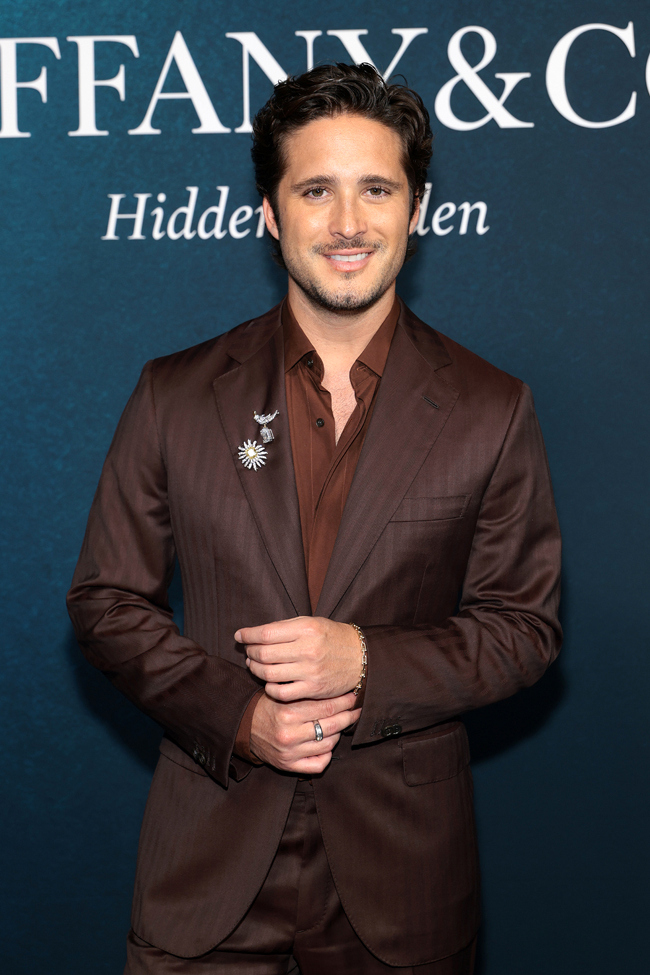
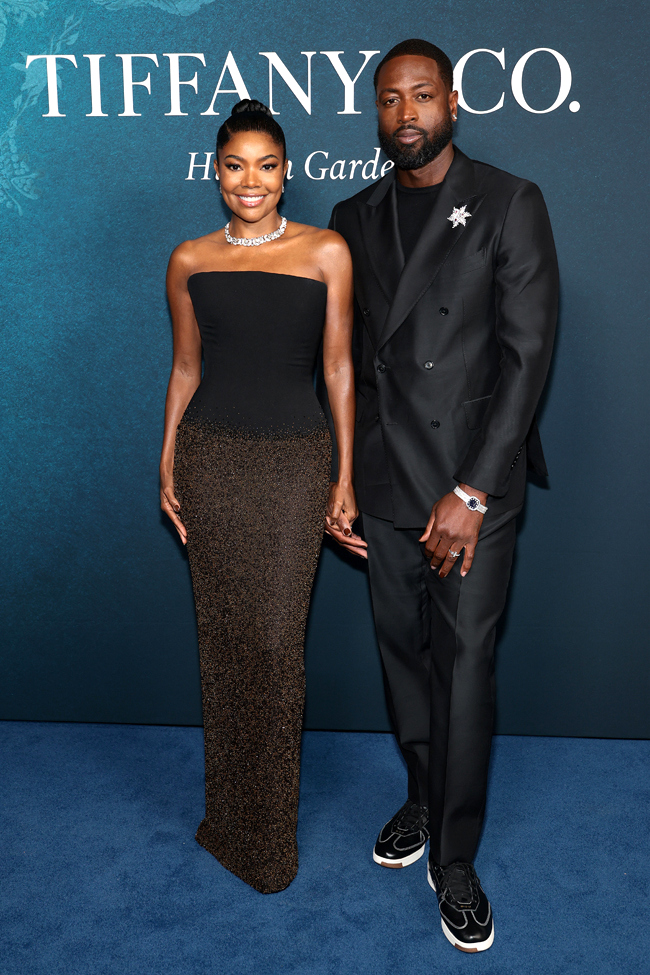
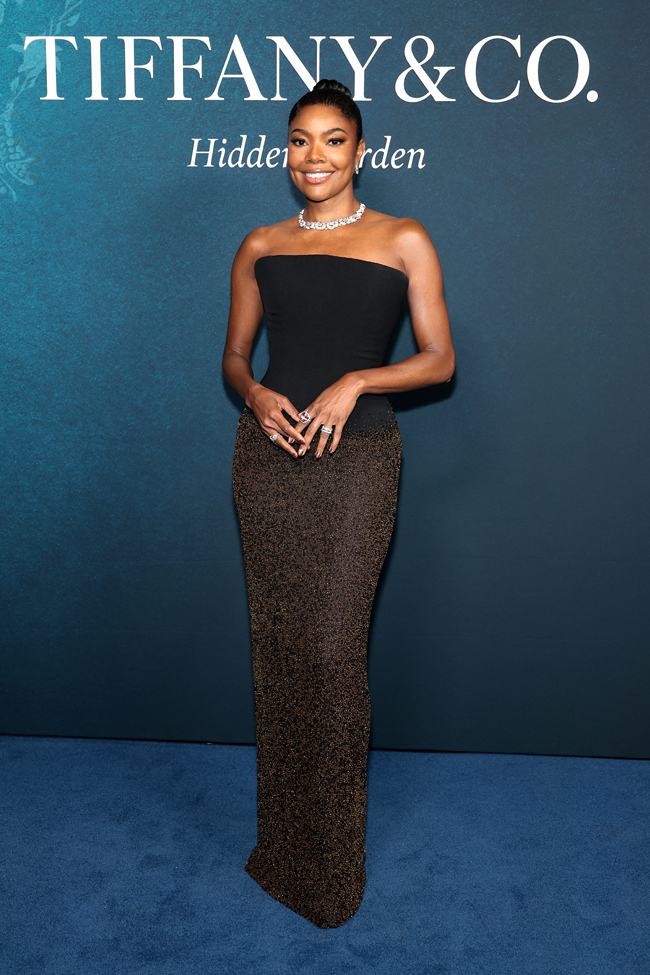
One of the most notable shifts in the luxury landscape is the increasing normalization of high jewelry for men. Connor Storrie, dressed in a butter-yellow Calvin Klein suit, demonstrated how masculine fashion can incorporate delicate jewelry. His look was anchored by distinctive footwear, but the focus remained on the subtle sparkle of his Tiffany accessories. Diego Boneta and Dwyane Wade also represented this trend, with Wade, in particular, showing how high jewelry can be integrated into sophisticated, modern tailoring. Wade’s appearance alongside Gabrielle Union (in Salih Balta) showcased the power of the "celebrity couple" as a vehicle for brand storytelling.
Corporate Strategy and Market Implications
The Hidden Garden collection launch is more than a social gathering; it is a data-backed business initiative. Since the LVMH acquisition, Tiffany & Co. has undergone a significant transformation. The brand has moved away from its reliance on entry-level silver jewelry, which once dominated its revenue, toward the high-margin world of "High Jewelry."
According to industry analysts, the high jewelry market is expected to grow at a compound annual growth rate (CAGR) of approximately 5-7% over the next five years. By focusing on the Blue Book collections, Tiffany is positioning itself to capture the "ultra-high-net-worth" (UHNW) segment. These individuals are less affected by global economic fluctuations and view rare gemstones as both a luxury purchase and a stable investment.
The choice of New York City for this launch is also significant. While Tiffany is a global brand, its identity is inextricably linked to New York. The recent renovation of its Fifth Avenue flagship, "The Landmark," which reportedly cost hundreds of millions of dollars, serves as the physical heart of the brand. Events like the Blue Book celebration reinforce New York’s status as a global capital of luxury, rivaling Paris and Milan.
The Role of Artistic Collaborations
The Hidden Garden collection continues the brand’s tradition of artistic collaboration. While the names of the specific designers behind each piece are often kept within the house, the influence of historical figures like Jean Schlumberger and Elsa Peretti remains evident. Schlumberger’s ability to capture the movement of nature—the fluttering of a wing or the curve of a petal—is reflected in the 2026 collection’s metalwork.
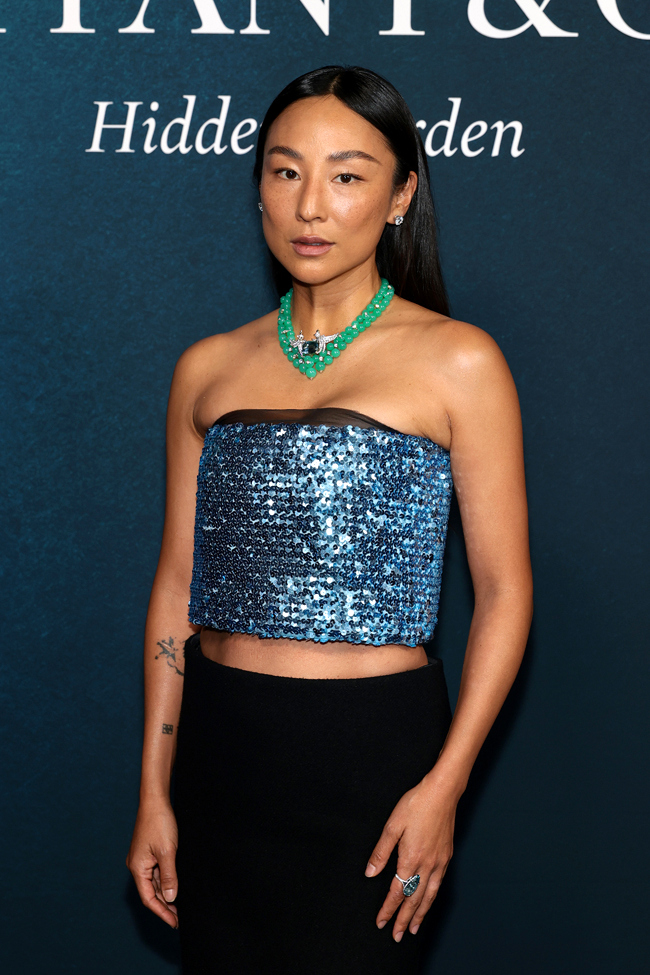
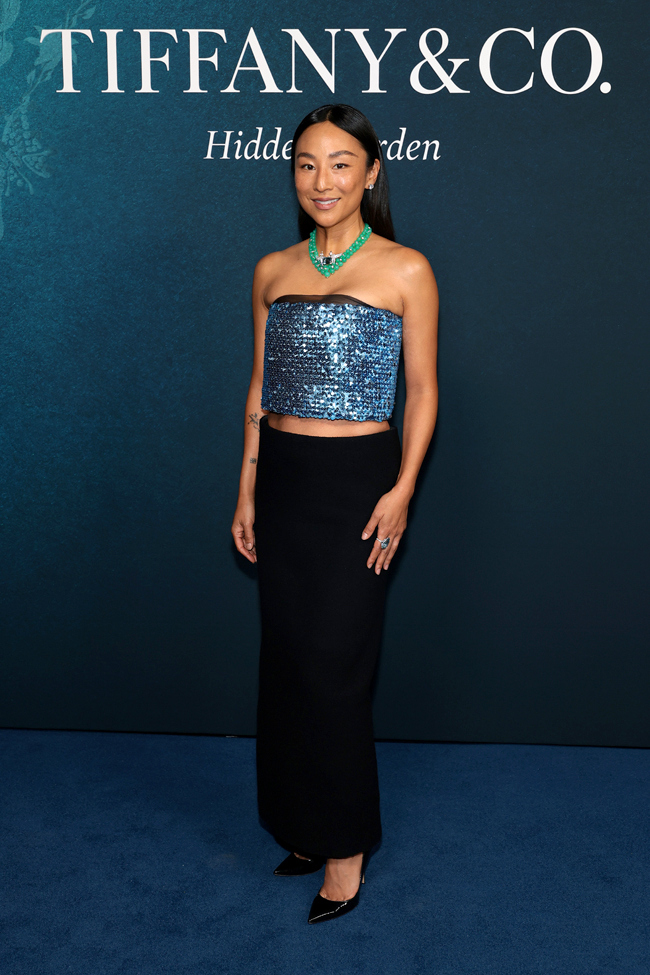
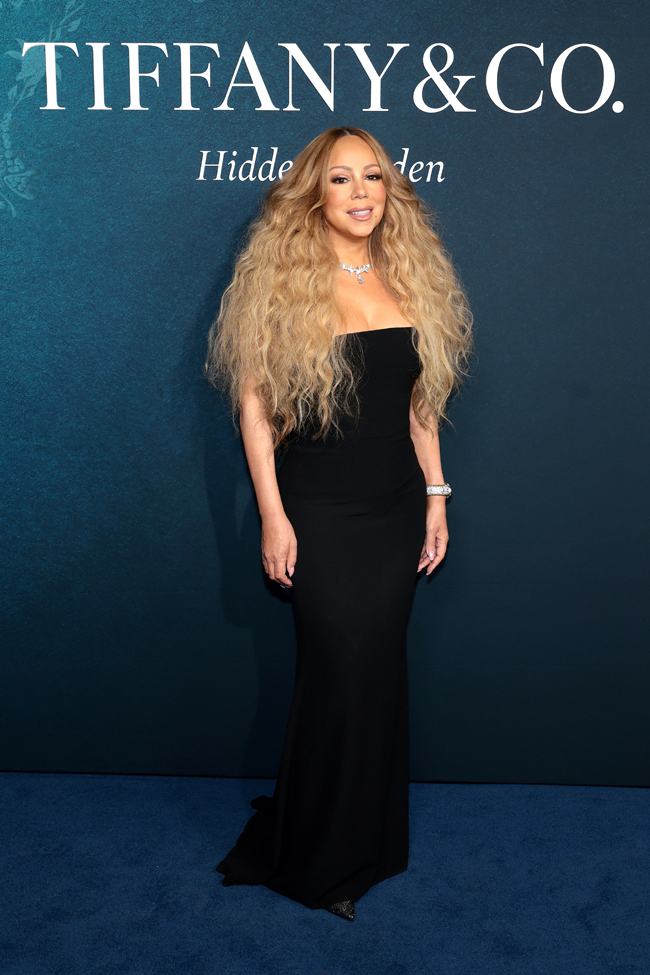
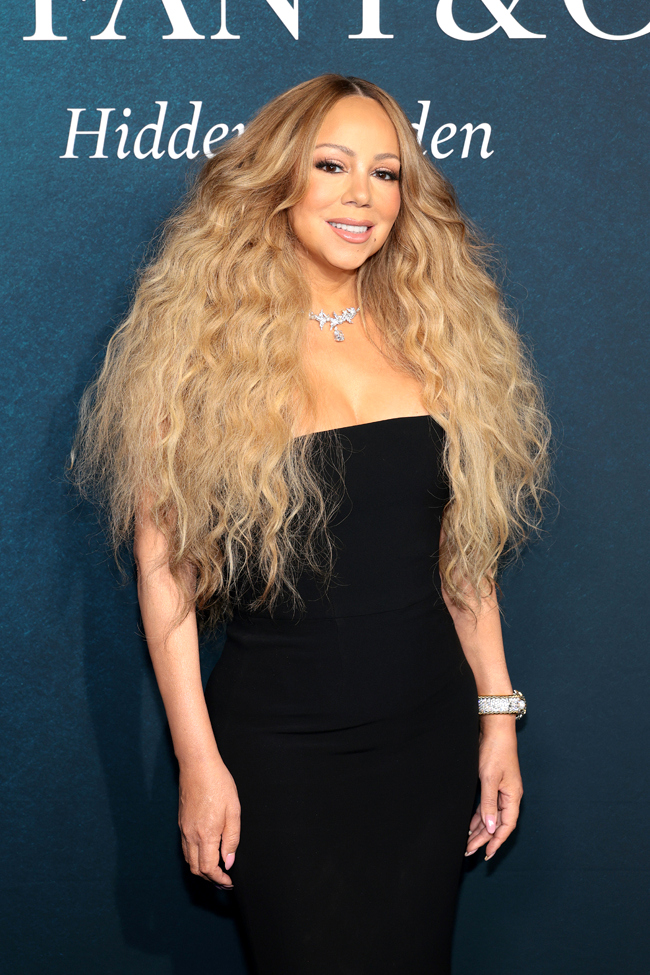
The event also featured contemporary creative voices. Teyana Taylor and Greta Lee (the latter in Marc Jacobs) brought a sense of "downtown" New York cool to the proceedings. Taylor’s Calvin Klein look, described by some as a sophisticated take on comfort, provided a modern, edgy contrast to the traditional "tiaras and ballgowns" image of high jewelry. This diversity in styling suggests that Tiffany & Co. is successfully marketing its most expensive pieces to a wide range of personalities, from the classic diva (represented by Mariah Carey) to the indie film darling.
Reactions and Industry Impact
The initial reaction from the fashion and jewelry industry has been overwhelmingly positive. Critics have noted the collection’s "technical audacity," particularly in the way the stones are set to maximize light return. The use of mixed metals—yellow gold paired with platinum—is a recurring theme in the Hidden Garden pieces, offering a more contemporary feel than traditional all-white-metal high jewelry.
Social media metrics from the event also indicate a high level of engagement. The "Rosé effect" alone generated millions of impressions within hours of her appearance, proving the value of the "K-pop ambassador" model. For Tiffany & Co., these impressions translate into brand aspiration among younger consumers who may one day become high jewelry collectors.
Conclusion: The Future of Tiffany & Co.
As the celebration for the Blue Book 2026: Hidden Garden collection draws to a close, the impact of the event will be felt throughout the fiscal year. Tiffany & Co. has successfully navigated the transition from a storied American institution to a modern powerhouse under the LVMH umbrella. By blending the historical gravitas of the Blue Book with the star power of modern icons, the brand has ensured that its "Blue Box" remains the ultimate symbol of luxury.
The Hidden Garden collection stands as a testament to the enduring appeal of nature as a source of artistic inspiration. In an increasingly digital world, the tangibility and permanence of a rare diamond or a hand-crafted gold vine offer a sense of timelessness. For the collectors who will eventually acquire these pieces, the 2026 Blue Book represents not just a purchase, but a piece of history. For the rest of the world, the New York celebration was a reminder that in the world of high jewelry, Tiffany & Co. continues to set the gold standard.