
The Toronto International Film Festival (TIFF) has long served as a crucial launchpad for the autumn cinematic season, bridging the gap between major summer releases and the impending prestige award circuit. Amid the bustling screenings, industry panels, and press junkets, the annual Variety and Chanel Women in Film Dinner has established itself as one of the most significant social and cultural touchstones of the festival. Bringing together actors, directors, producers, and industry leaders, the event celebrates the enduring contributions of women in cinema while offering a high-profile platform for contemporary fashion. The 2026 iteration of the dinner attracted an eclectic roster of prominent talent, showcasing a diverse spectrum of sartorial choices that ranged from avant-garde statement pieces to classic tailoring.
Background Context of the TIFF Variety and Chanel Women in Film Dinner

Inaugurated to champion gender parity and creative leadership within the motion picture industry, the partnership between Variety and Chanel has evolved into a cornerstone event on the international film festival calendar. The initiative provides a dedicated space for networking, mentorship advocacy, and the recognition of female-driven storytelling. Over the years, the event has expanded its guest list beyond direct honorees to include prominent advocates of inclusive filmmaking, resulting in a dynamic gathering of cross-generational talent.
The integration of high fashion into this advocacy-driven space is intentional. By pairing prominent actors with couture houses like Chanel—a brand with deep historical ties to the arts and cinematic costume design—the red carpet functions as an extension of the industry’s visual identity. The 2026 dinner arrived at a time when conversations surrounding representation, equitable compensation, and production opportunities for women creators remain at the forefront of Hollywood’s ongoing structural evolution.
Chronology of the Evening and Red Carpet Highlights

As attendees arrived at the venue, the red carpet unfolded as a study in contrasting aesthetics, reflecting the personal styles of the industry’s most recognizable faces alongside the specific design narratives of invited fashion houses.
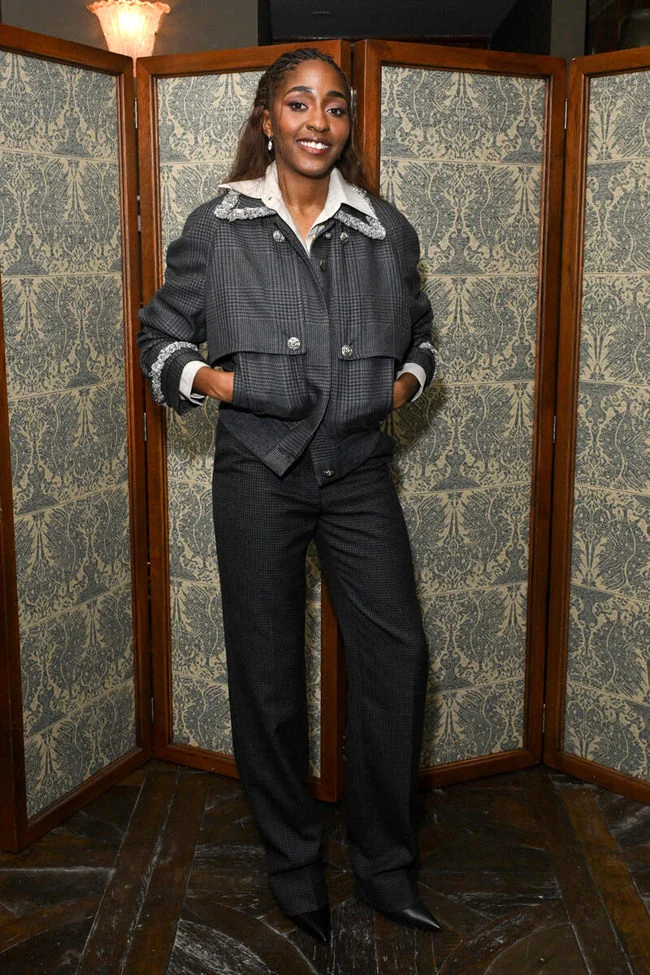
Ayo Edebiri kicked off the evening’s notable arrivals, drawing immediate attention for her outerwear selection. Known for her risk-taking fashion choices and collaborations with top-tier stylists, Edebiri’s choice of an intricately designed statement jacket underscored her status as a modern style icon. The piece combined traditional tailoring elements with contemporary proportion play, setting a high sartorial bar early in the evening.
In contrast, the arrival of Stranger Things cast members Charlie Heaton and David Harbour leaned into a more understated, utilitarian approach. Their coordinated yet distinct ensembles offered a muted backdrop to the evening’s more vibrant statements, reflecting a relaxed approach to festival dressing that prioritizes comfort without sacrificing formal coherence.

Colman Domingo, widely celebrated for his boundary-pushing red carpet presentations, offered one of the most talked-about looks of the evening. Donning a bold, patterned cardigan that would challenge the styling capabilities of almost any wearer, Domingo successfully anchored the garment through precise tailoring and confident poise. Industry observers noted, however, that the accompanying neckwear accessory introduced an unnecessary element of visual clutter, detracting slightly from the strength of the core silhouette.
Courteney Fox’s appearance drew swift critical evaluation due to an uncharacteristically unflattering knitwear selection. The garment’s proportion and texture failed to translate favorably under the flash photography of the red carpet, serving as a reminder of the hazards inherent in translating runway pieces to physical public appearances.
Rising star India Ria Amarteifio walked the carpet in a sheer gown design. While the execution was clean and aligned with contemporary red carpet trends, fashion commentators noted that the sheer dress motif has reached a point of pervasive saturation in modern formalwear, prompting calls for more innovative texturing in future public appearances.

Luke Evans brought a classic sensibility to the event, utilizing strong outerwear and distinct footwear to elevate a standard evening ensemble. His look demonstrated how careful attention to footwear and layering can reinvigorate traditional menswear silhouettes.
Patricia Arquette’s appearance prompted discussions regarding color theory and fit. The chosen palette failed to complement the actor’s complexion, and the underlying tailoring of the suit appeared restrictive, highlighting the ongoing industry challenge of achieving precise fit across diverse body types for formal events.
A notable joint arrival featured Sarah Paulson and Michelle Yeoh. Yeoh’s minimalist approach drew comparisons to standard service attire, with commentators noting that the look lacked the textural depth typically expected at a major fashion-film crossover event. Paulson, wearing a combination of a classic Chanel top paired with black denim, demonstrated an effective high-low styling strategy; however, the choice of footwear introduced an overly exaggerated proportion that disrupted the clean lines of the outfit.

Seth Rogen rounded out the notable menswear arrivals in a well-proportioned suit. While the tailoring met high standards of contemporary red carpet design, critics pointed out that the choice of a stark white undershirt-style dress shirt diminished the overall formality of the look, suggesting that a warmer neutral tone such as beige or dark brown would have harmonized better with the suit’s fabric.
Supporting Data and Industry Demographics
The annual dinner aligns with broader data tracking diversity and inclusion within the entertainment industry. According to recent reports published by organizations such as the USC Annenberg Inclusion Initiative and Women in Film, female representation behind the camera—particularly in directing, cinematography, and executive producing roles—continues to experience incremental growth, though systemic barriers persist. Events like the Variety and Chanel dinner serve not only as cultural celebrations but also as critical networking hubs designed to secure financing, foster creative partnerships, and elevate the visibility of projects spearheaded by women.

Statements and Industry Reactions
While formal press statements from the event primarily focused on philanthropic partnerships and upcoming cinematic releases, representatives from both Variety and Chanel emphasized the necessity of sustained advocacy. Industry executives noted that corporate backing of women-centric initiatives plays a vital role in shifting green-lighting practices within major studios and independent production companies alike.
Actors in attendance frequently utilized press opportunities on the carpet to discuss their current slate of projects at TIFF, emphasizing how collaborative environments fostered by organizations like Women in Film translate into tangible green-lit productions. The synergy between high-end fashion sponsorship and cinematic advocacy continues to provide brands with a meaningful cultural platform while offering creators vital visibility ahead of the commercial release cycles.

Broader Impact and Implications for the Awards Season
The red carpet rundowns from events like the TIFF Variety and Chanel dinner carry significant weight beyond immediate fashion commentary. They serve as an early indicator of how talent positioning and public relations campaigns will unfold as the industry transitions into the autumn and winter awards seasons. Stylist selections made during film festivals often establish a public persona for actors mounting Academy Awards or Emmy campaigns, making every major public appearance a calculated step in an overarching marketing strategy.
Furthermore, the intersection of fashion houses and film festivals reinforces the economic interdependence of the luxury goods market and the entertainment industry. As brands increasingly tie their global marketing budgets to high-profile cinematic events, the scrutiny applied to red carpet attire has evolved into a sophisticated sub-industry of its own.

Ultimately, the 2026 Variety and Chanel Women in Film Dinner successfully balanced its dual mandates: celebrating the achievements of women in cinema while providing a vibrant, highly scrutinized canvas for contemporary fashion. As the Toronto International Film Festival continues to assert its influence over the global cinematic landscape, events of this nature remain vital barometers of the industry’s cultural and aesthetic priorities.