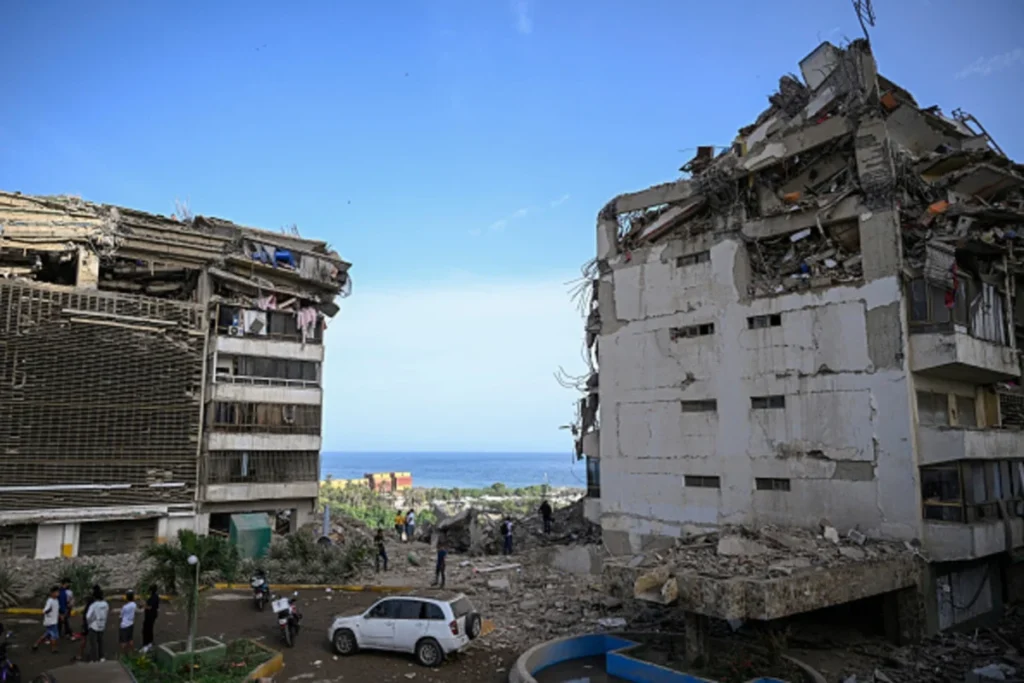

Venezuela was plunged into a state of national emergency on Wednesday night, June 24, 2026, when twin earthquakes, registering magnitudes of 7.2 and 7.5, violently shook the nation. The seismic event, described as the strongest to hit Venezuela in over a century, caused widespread devastation, primarily impacting the coastal region of La Guaira, situated north of the capital city of Caracas, and extending into the metropolitan area itself. The tremors triggered the catastrophic collapse of numerous buildings, leaving a landscape of rubble and a desperate search for survivors and loved ones.
The sheer force of the earthquakes has resulted in a tragic loss of life and an overwhelming number of missing persons. As of noon on Saturday, June 26, initial reports from the Associated Press indicated a staggering death toll exceeding 920 individuals, with more than 51,000 people unaccounted for. These figures underscore the immense scale of the disaster, as rescue teams work tirelessly amidst perilous conditions to pull survivors from the debris and recover the deceased.
Social media platforms have become a somber testament to the tragedy, flooded with harrowing videos capturing the terror of the moments the earth began to shake. Residents are seen fleeing collapsing buildings and shopping centers in sheer panic. In the aftermath, the footage shifts to depict the arduous efforts of rescue teams, their faces etched with determination as they sift through rubble. Amidst the chaos, desperate pleas for information about missing family members echo through the digital sphere, painting a poignant picture of the human cost of this catastrophe.
The Seismic Event: A Tale of Two Tremors
According to data from the U.S. Geological Survey (USGS), the catastrophic seismic activity began with a powerful magnitude 7.2 earthquake. This initial tremor struck west of Morón, a location along the Caribbean coast approximately 105 miles west of Caracas. The earthquake originated at a depth of about 14 miles, a relatively shallow depth that can amplify surface shaking. Merely a minute later, a second, even more potent earthquake, registering a magnitude of 7.5, jolted the region. This subsequent tremor had its epicenter located just 10 miles southwest of Morón and occurred at a shallower depth of approximately 6 miles, further intensifying the destructive impact. The dual nature of these powerful seismic events, striking in such rapid succession, likely exacerbated structural damage and increased the potential for catastrophic collapses.
The tremors were not confined to Venezuela; they were felt across a wide geographical area, prompting alerts and concern in neighboring countries. The intensity and duration of the shaking have left communities devastated, with infrastructure severely compromised. Roads have buckled, utilities have been disrupted, and a significant portion of the affected population has been rendered homeless. The immediate aftermath has been characterized by widespread shock, grief, and a desperate struggle for survival.
A Nation Mobilizes: Rescue Efforts and International Support
In the immediate hours and days following the earthquakes, Venezuelan emergency services, bolstered by an outpouring of civilian volunteers, launched a monumental rescue and relief operation. The focus has been on searching for survivors trapped in the rubble of collapsed buildings. The sheer volume of destruction has overwhelmed local resources, necessitating a call for national and international assistance.
The gravity of the situation has prompted offers of aid from numerous nations. Notably, the United States has extended a helping hand, signaling a potential shift in diplomatic engagement following recent geopolitical developments. This humanitarian gesture, regardless of political context, highlights the universal response to catastrophic natural disasters. Other countries have also pledged support, with aid packages including search and rescue personnel, medical supplies, temporary shelter, and essential provisions being coordinated.

The Human Toll: Stories of Loss and Resilience
Beyond the statistics, the earthquakes have inflicted profound personal tragedies. Families have been torn apart, homes reduced to dust, and the fabric of daily life irrevocably altered. The scenes at makeshift aid distribution points and temporary shelters are heart-wrenching, with survivors recounting tales of near-death experiences and the agonizing search for missing relatives. The psychological impact of such a devastating event is immense, and the long road to recovery will undoubtedly involve extensive trauma support and mental health services.
Yet, amidst the devastation, stories of resilience and community solidarity are beginning to emerge. Neighbors are helping neighbors, sharing scarce resources, and offering comfort and support. The human spirit, even in the face of unimaginable loss, demonstrates an extraordinary capacity for compassion and mutual aid. These acts of kindness, however small, provide glimmers of hope in the darkest of hours.
Broader Implications and the Road Ahead
The economic and social implications of this disaster are profound. Venezuela, already grappling with significant economic challenges, now faces the monumental task of rebuilding its infrastructure and supporting its displaced population. The destruction of homes, businesses, and public facilities will have a long-term impact on the nation’s development and stability. The loss of life and the displacement of thousands will create significant social challenges, including the need for housing, employment, and psychological support.
The earthquakes have also underscored the vulnerability of densely populated urban areas to seismic activity. Experts have long warned about the seismic risks in regions like Venezuela, and this event serves as a stark reminder of the importance of robust building codes, disaster preparedness plans, and public education on earthquake safety.
Ways to Provide Assistance: A Call for Global Solidarity
In response to the overwhelming need, a growing number of organizations, businesses, and individuals are stepping forward to offer support. Recognizing the urgent need for aid, various entities are actively fundraising and coordinating relief efforts. For those wishing to contribute to the recovery and rebuilding process, several avenues for assistance are available.
Organizations Providing Aid:
- The Venezuelan Red Cross: As a longstanding humanitarian organization with a presence in Venezuela, the Venezuelan Red Cross is actively involved in providing immediate relief, including medical assistance, shelter, and essential supplies to affected communities. Donations to the Venezuelan Red Cross can directly support their on-the-ground efforts.
- UNICEF (United Nations Children’s Fund): Given the significant impact on families and children, UNICEF is likely to be involved in providing crucial support for children’s well-being, including access to education, healthcare, and protection services. Contributions to UNICEF can help ensure that the youngest victims of this disaster receive the care and assistance they desperately need.
- The World Food Programme (WFP): In the aftermath of such a large-scale disaster, food security becomes a critical concern. The WFP is often at the forefront of providing emergency food assistance to populations affected by natural calamities. Donations to the WFP can help deliver vital nutritional support to those who have lost their homes and livelihoods.
- Local Venezuelan NGOs and Community Foundations: Numerous local organizations and community-based initiatives are playing a vital role in providing immediate, grassroots support. Identifying and supporting these organizations, often through international humanitarian partners, can ensure that aid reaches the most vulnerable populations effectively. Information on reputable local organizations can typically be found through international aid coordination bodies.
- International Medical Corps: Organizations specializing in providing medical relief in disaster zones, such as International Medical Corps, are likely to be deploying medical teams and supplies to assist the injured and address public health concerns in the affected areas. Financial contributions to these organizations can fund essential medical interventions and healthcare services.
Other Ways to Help:
- Financial Donations: The most effective way to assist is often through financial contributions to reputable humanitarian organizations. These organizations have the infrastructure and expertise to procure and distribute necessary supplies efficiently.
- Donation of Goods (with caution): While well-intentioned, direct donations of goods can sometimes create logistical challenges for relief agencies. It is advisable to check with aid organizations directly for specific needs and preferred items before sending physical donations. Monetary contributions allow for the most flexible and efficient allocation of resources.
- Raising Awareness: Sharing reliable information about the situation and the ongoing relief efforts through social media and personal networks can help amplify the call for support and encourage more people to contribute.
- Supporting Musicians and Artists Mobilizing Support: As highlighted in the original context, musicians and artists often use their platforms to raise funds and awareness. Following and supporting their initiatives can be another valuable way to contribute. Specific campaigns may emerge from the music and entertainment industry to aid Venezuela.
The coming weeks and months will be critical for Venezuela as it grapples with the aftermath of this devastating earthquake. The scale of the destruction necessitates a sustained and coordinated global response. By supporting reputable humanitarian organizations and contributing to relief efforts, individuals worldwide can play a crucial role in helping Venezuela rebuild and recover from this immense tragedy. The resilience of the Venezuelan people will be tested, but with collective support, a path towards recovery and renewed hope can be forged.