
The global landscape of hospitality, entertainment, and lifestyle is undergoing a significant transformation as of mid-2026, driven by a blend of nostalgic revivals, high-concept television production, and a shift toward "homespun" aesthetics in interior design. From the luxury shores of Mauritius to the gritty, interconnected fictional universes of premium cable television, the current cultural moment is defined by a desire for both escapism and authenticity. This report examines the pivotal developments across these sectors, providing a comprehensive overview of the trends shaping consumer behavior and industry standards this summer.
Hospitality and Global Tourism: The Rise of Destination Dining in Mauritius
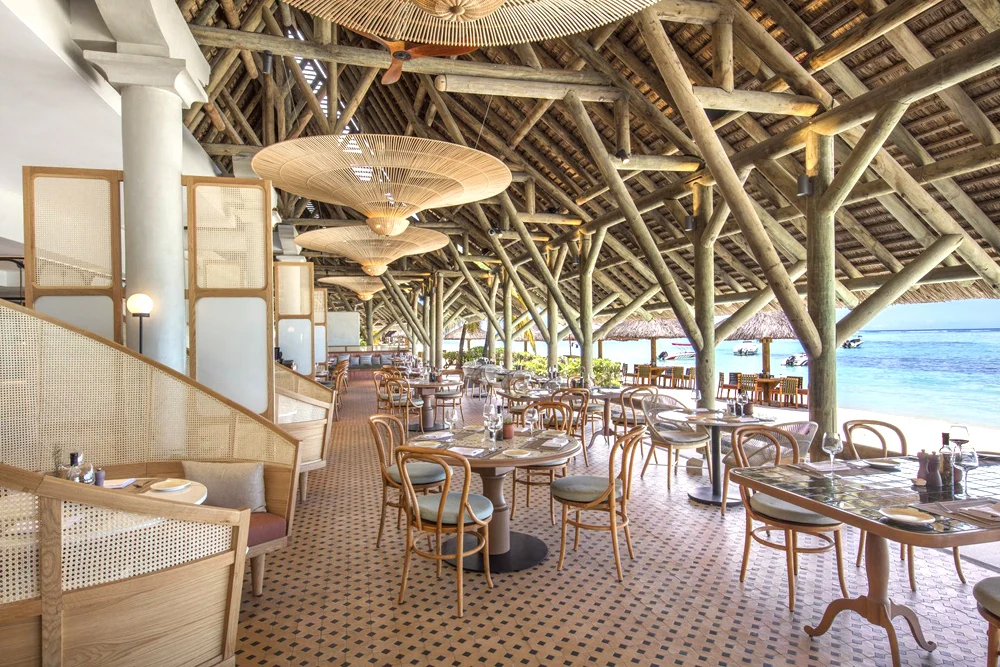
The luxury tourism sector in Mauritius has reached a new pinnacle with the renewed focus on the Paradis Beachcomber Golf Resort & Spa, specifically its signature dining venues, Zest and Blue Marlin. As international travel continues to stabilize in the post-pandemic era, high-end travelers are increasingly seeking "experiential luxury" that combines geographic isolation with world-class gastronomy.
The Blue Marlin, situated on the edge of the Indian Ocean, has become a case study in sustainable seafood sourcing, a critical metric for 2026 hospitality rankings. Meanwhile, Zest has pivoted toward a Mediterranean-fusion concept that aligns with the global "wellness" trend. Data from the Mauritius Tourism Promotion Authority indicates a 12% year-over-year increase in luxury arrivals for the second quarter of 2026, with a specific uptick in visitors from Western Europe and North America who prioritize resorts with diverse, on-site culinary portfolios. Industry analysts suggest that the success of these venues lies in their ability to offer "curated isolation," a trend where guests remain within the resort ecosystem for the duration of their stay, provided the amenities are sufficiently varied.

The Evolution of Television Narratives: The HBO "Delco" Crossover
In the entertainment sector, HBO has officially confirmed a significant narrative expansion of its acclaimed "Delco" (Delaware County) universe. Showrunner Brad Ingelsby has announced that Emmy-winning actress Julianne Nicholson will reprise her role as Lori Ross from the 2021 limited series Mare of Easttown in the upcoming second season of Task.
This move marks a strategic shift in premium television production, moving away from standalone limited series toward "anthological connectivity." While Task, starring Mark Ruffalo, was initially marketed as a separate entity, the inclusion of Nicholson’s character confirms that both stories exist within the same socio-economic and geographic framework of suburban Philadelphia.
Timeline of the "Delco" Universe Development:
- April 2021: Mare of Easttown premieres to critical acclaim and high ratings.
- September 2024: HBO announces Task, a new series from Brad Ingelsby set in the same region.
- September 2025: Task Season 1 premieres; Ingelsby hints at a shared universe during press tours.
- July 2026: Official casting of Julianne Nicholson for Season 2 confirms the crossover.
Market analysts suggest that this strategy enhances "IP longevity," allowing networks to build complex, loyal fanbases across different series titles. The crossover is expected to drive a 15-20% increase in "back-catalog" streaming for Mare of Easttown on Max (formerly HBO Max) as viewers revisit the original series to prepare for the new season of Task.
Fashion and Accessory Trends: The Return of the Corsage and Functional Footwear
The fashion industry in the summer of 2026 is characterized by a "nouveau-nostalgia" movement. Most notably, the corsage—an accessory famously championed by the fictional Carrie Bradshaw in the early 2000s—has seen a resurgence on the runways of Haute Couture Week. Designers are utilizing oversized floral fabrications to add three-dimensional texture to minimalist silhouettes, a trend that fashion historians link to a cyclical return to "romantic maximalism."

Simultaneously, the footwear market has seen a sophisticated rebranding of the flip-flop. No longer relegated to beachwear, the "Chic Flip-Flop" has emerged as a dominant category for Summer 2026. This trend encompasses four primary styles:
- Leather Elevated: Thong sandals with architectural heels and premium hide finishes.
- The Jelly Revival: High-end PVC iterations that utilize recycled ocean plastics.
- The Platform Thong: A nod to 1990s "club-kid" aesthetics.
- The Minimalist Slide: Focused on ergonomic footbeds and neutral palettes.
Retail data from major fashion hubs in London and Paris indicates that luxury flip-flop sales have increased by 34% compared to the previous summer season, signaling a broader consumer shift toward "relaxed formality" in professional and social settings.
Beauty Risks and Wellness Realities: "Tanmaxxing" vs. Longevity
A concerning trend has emerged among Gen Z consumers on social media platforms, particularly TikTok, known as "tanmaxxing." This viral movement involves the deliberate use of tan-accelerating oils and extended exposure to high UV Index environments to achieve an extreme "walnut-colored" tan.
Dermatological associations have issued urgent warnings regarding this trend. Dr. Elena Rossi, a spokesperson for the Global Skin Health Alliance, stated: "The ‘tanmaxxing’ phenomenon represents a dangerous disregard for long-term skin health. We are seeing a generation prioritize immediate aesthetic gratification over the very real risks of melanoma and premature photo-aging."

In contrast to these high-risk beauty trends, the "wellness" sector is doubling down on ancient staples, specifically olive oil. Once viewed through a purely culinary lens, olive oil is now being marketed as a "longevity elixir." Research published in early 2026 highlights the anti-inflammatory properties of high-phenolic olive oils, leading to a surge in "beauty from within" supplements and topical skincare formulations centered on the ingredient. The global olive oil market is projected to reach record valuations by the end of the year, driven by this dual-use demand in both the pantry and the vanity.
Interior Design: The "Prairie-core" Aesthetic
The release of a high-profile Little House on the Prairie reboot on Netflix has sparked a significant shift in interior design, dubbed "prairie-core." This aesthetic moves away from the "mid-century modern" dominance of the early 2020s toward a more "homespun" and "pioneer-inspired" look.
Key elements of prairie-core include:
- Textural Contrast: Mixing rough-hewn wood with delicate lace and hand-stitched quilts.
- Functional Decor: The use of antique kitchenware and open shelving as primary design features.
- Earthy Palettes: A focus on "muddy" tones—ochre, sage, and deep terracotta.
Design psychologists suggest that prairie-core is a reaction to the increasing digitization of daily life. By surrounding themselves with "analog" textures and "tradwife-adjacent" aesthetics, consumers are attempting to create domestic environments that feel grounded and historically rooted. This has led to a boom in the "thrift-flip" economy, where DIY enthusiasts repurpose secondhand finds to fit the homespun narrative, a movement heavily endorsed by lifestyle icons like Martha Stewart.

Music and Personal Branding: Finn Wolfhard’s "Fire from the Hip"
In the music industry, Finn Wolfhard, known primarily for his role in Stranger Things, is set to release his sophomore album, Fire from the Hip. The album represents a critical juncture for child stars transitioning into adult creative identities. Wolfhard’s move from "teen indie" bands to a more sophisticated, humor-infused rock sound is being watched closely by industry scouts.
In a recent interview in London, Wolfhard emphasized a shift away from "trying to be cool," a sentiment that resonates with a broader 2026 trend toward "unfiltered" celebrity personas. As the era of the "highly curated influencer" wanes, artists who embrace self-deprecation and genre-blending are finding greater resonance with younger audiences.
Broader Impact and Economic Implications
The convergence of these trends suggests a global consumer base that is increasingly bifurcated. On one hand, there is a clear drive toward high-tech, interconnected entertainment (as seen in the HBO crossovers) and luxury destination travel. On the other, there is a burgeoning "back-to-basics" movement influencing everything from footwear (flip-flops) to home decor (prairie-core) and wellness (olive oil).
For retailers and content creators, the takeaway for the second half of 2026 is the importance of "narrative depth." Whether it is a restaurant in Mauritius or a new hair color trend like "mocha brunette," consumers are looking for products and experiences that offer a story—be it a connection to a beloved TV character, a historical era, or a specific geographic region. As we move further into the summer, the successful brands will be those that can navigate the tension between the digital future and the nostalgic past.