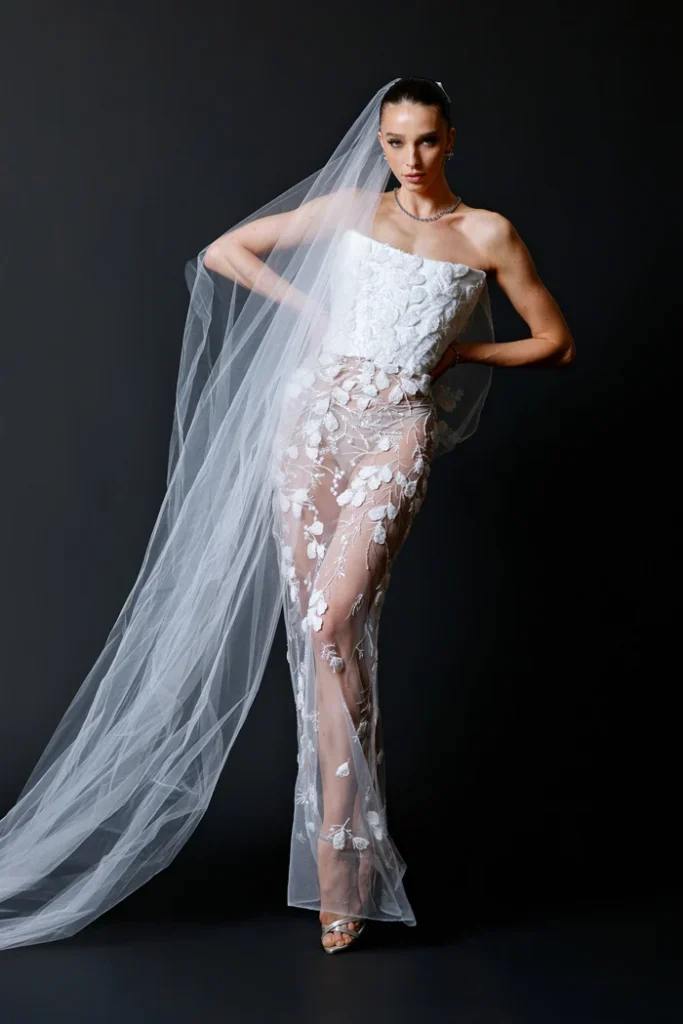

The digital media landscape has undergone a radical transformation since the mid-2000s, moving from an era of decentralized personal blogs to a highly commercialized and legally complex environment. At the center of this evolution within the niche of fashion and television criticism is Tom and Lorenzo, a platform that has transitioned from a fan-based commentary site into a respected journalistic entity. Founded by Tom Fitzgerald and Lorenzo Marquez, the site has navigated nearly two decades of shifting media consumption habits, intellectual property challenges, and the professionalization of independent cultural critique. The trajectory of this platform provides a case study in how independent creators maintain longevity through a combination of rigorous content standards, legal transparency, and adaptability to the digital economy.
The Genesis and Chronology of Tom and Lorenzo
The origins of the platform date back to 2006, a pivotal year for the social web. Originally launched under the name "Project Rungay," the site initially focused on providing recap-style commentary on the reality television competition Project Runway. At the time, the concept of "recap culture" was in its infancy, and Fitzgerald and Marquez were among the first to apply a critical, fashion-forward lens to the genre. Their approach combined humor with a deep understanding of garment construction, history, and the mechanics of television production.
By 2009, the founders recognized that their brand had outgrown its original focus on a single television show. They rebranded as "Tom and Lorenzo," expanding their scope to include red carpet analysis, celebrity branding, film and television costume design, and social commentary. This transition was marked by several key milestones:
- 2006: Launch of Project Rungay, focusing on Project Runway recaps.
- 2010: Formal transition to TomandLorenzo.com, broadening the editorial scope to include high fashion and celebrity culture.
- 2014: Publication of their first book, Everyone Wants to Be Me or Do Me: Undressing the World’s Fashion Icons, which solidified their status as fashion authorities.
- 2016: Launch of the "Pop Style Opinionfest" podcast, adapting to the growing demand for audio-based cultural analysis.
- 2020: Release of Legendary Children: The First Decade of Drag Race and the Last Century of Queer History, a work that combined contemporary pop culture critique with academic-level historical research.
- 2021–2025: Continuous adaptation to the post-social media era, focusing on long-form analysis and maintaining independent revenue streams amidst a volatile advertising market.
Navigating the Legal Framework of Digital Publishing
As independent digital media outlets grow, they face significant hurdles regarding intellectual property and corporate affiliation. The disclaimer and copyright notices found on the Tom and Lorenzo platform reflect the rigorous legal standards required to operate in the modern media ecosystem. The site explicitly states its lack of affiliation with major entertainment conglomerates such as ABC, Amazon Prime, HBO, and NBC. This is a critical distinction in an era where "sponsored content" and "influencer marketing" often blur the lines between independent critique and corporate promotion.
The legal complexity of the site’s operation is further highlighted by its handling of visual content. Because fashion and television criticism are inherently visual, the use of imagery is subject to stringent copyright laws. The platform’s policy of claiming no credit for featured images unless otherwise noted serves as a protective measure against copyright infringement claims, acknowledging that visual content belongs to its respective owners. This reflects a broader industry trend where independent publishers must navigate the "Fair Use" doctrine, ensuring that their use of copyrighted material is transformative and serves a critical or educational purpose.
Data and Trends in Independent Media Sustainability
The longevity of Tom and Lorenzo is notable when compared to the broader trends in digital publishing. Data from the Reuters Institute for the Study of Journalism indicates that the "blogosphere" experienced a significant contraction between 2012 and 2022, as social media platforms like Instagram and TikTok diverted traffic away from traditional websites. Many independent sites that started in the 2000s either shuttered or were absorbed by larger media conglomerates (such as the acquisition of various lifestyle blogs by Vox Media or Hearst).
Tom and Lorenzo’s ability to remain independent is attributed to several factors:
- Audience Retention: Unlike platforms that rely on viral clickbait, the site has maintained a dedicated readership characterized by high engagement rates.
- Diversification of Revenue: By expanding into book publishing, podcasting, and public speaking, the founders reduced their reliance on traditional display advertising.
- Niche Authority: By focusing on the intersection of costume design and character development—rather than just "best and worst dressed" lists—they carved out a unique space that major fashion magazines often overlooked.
According to industry analysis of independent media, sites that provide "value-added" commentary—meaning they offer insights that cannot be found via AI-generated summaries or social media captions—have a 40% higher chance of maintaining a subscription or recurring ad-revenue model over a ten-year period.
The Role of Fashion Criticism in Modern Culture
The impact of Tom and Lorenzo extends beyond mere entertainment reporting. They have been instrumental in changing how the public perceives red carpet events. In the early 2000s, red carpet coverage was often superficial, focusing on the cost of jewelry or the "policing" of women’s bodies. Fitzgerald and Marquez shifted the conversation toward "Celebrity Branding" and the "Narrative of the Dress."
They argue that a celebrity’s appearance on a red carpet or in a film is a deliberate act of communication. This analytical framework has been adopted by many mainstream outlets. Their work emphasizes that fashion is a language used to convey power, vulnerability, or professional transitions. For instance, their analysis of the costume design in period dramas like Mad Men or The Crown helped mainstream audiences understand how clothing functions as a storytelling tool, influencing a generation of viewers to look more closely at the visual cues provided by stylists and designers.
Corporate Independence and Ethical Considerations
The refusal to affiliate with major networks is a strategic choice that preserves editorial integrity. In the current media climate, many critics are also paid consultants or participate in "junket journalism," where their travel and accommodations are funded by the studios they are reviewing. The Tom and Lorenzo model emphasizes a "wall" between the critics and the entities they cover.
This independence allows for a more objective analysis of industry trends, such as the decline of the traditional runway show or the ethical implications of "fast fashion" collaborations with celebrities. By maintaining a clear disclaimer regarding their lack of control over external links and embedded videos, the platform also shields itself from the liabilities associated with the increasingly interconnected and often "leaky" nature of digital content.
Broader Implications for the Future of Digital Journalism
The continued operation of Tom and Lorenzo through 2025 serves as a blueprint for the future of independent journalism. As artificial intelligence begins to automate basic news reporting and superficial fashion summaries, the demand for "human-centric" expertise and distinctive voice is expected to rise. The platform’s emphasis on archival accuracy and legal transparency sets a standard for other independent creators who wish to transition from hobbyists to professional media owners.
Furthermore, the site’s evolution mirrors the broader "creator economy," where individuals build brands based on trust and expertise rather than corporate backing. However, unlike many modern influencers who prioritize personality over content, the Tom and Lorenzo model remains rooted in the traditional journalistic values of research, context, and clear attribution.
In conclusion, Tom and Lorenzo represent more than just a fashion blog; they are a resilient fixture in a digital world that often favors the temporary over the enduring. Their journey from a 2006 fan site to a 2025 media entity highlights the importance of adapting to legal and technological changes while remaining steadfast in editorial independence. As the media landscape continues to fragment, the model of the "expert-led independent platform" will likely become the primary alternative to large-scale, algorithm-driven corporate media. Through their commitment to the "Terms and Conditions" of modern publishing—both literal and metaphorical—Fitzgerald and Marquez have demonstrated that there is still a significant place for deep, thoughtful, and independent cultural critique.