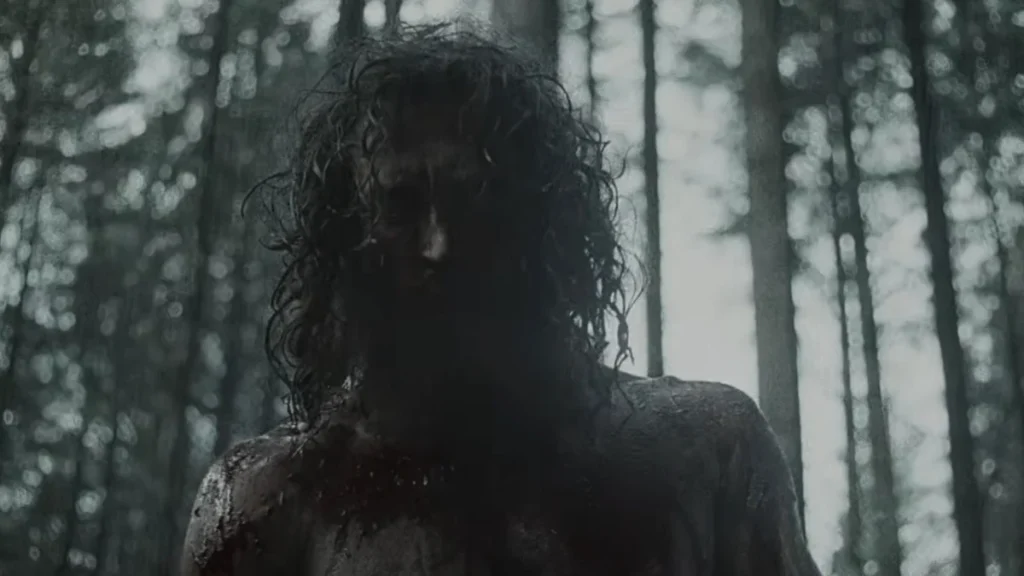

Renowned filmmaker Robert Eggers, celebrated for his distinctive approach to genre cinema and historical authenticity, has unveiled the first trailer for his highly anticipated new feature, Werwulf. Slated for a theatrical release on December 25th, 2026, the film promises a fresh, period-accurate reimagining of the classic werewolf myth, set against the stark backdrop of 13th-century Europe. This latest project solidifies Eggers’ ongoing exploration of supernatural folklore and the darker facets of human nature within meticulously crafted historical settings, following his critically acclaimed works such as The Witch and the recently released Nosferatu.
Robert Eggers’ Signature Style and Filmography Trajectory
Since his directorial debut with The Witch: A New-England Folktale in 2015, Robert Eggers has carved out a unique niche in contemporary cinema. His films are characterized by an unwavering commitment to historical accuracy, atmospheric dread, psychological depth, and a deep reverence for folklore and myth. The Witch, a chilling tale of Puritan paranoia and supernatural malevolence, immediately established Eggers as a visionary voice, earning widespread critical acclaim for its immersive period detail and unsettling horror. This was followed by The Lighthouse (2019), a claustrophobic psychological thriller starring Willem Dafoe and Robert Pattinson, which further showcased Eggers’ mastery of black-and-white cinematography, archaic dialogue, and the descent into madness.
His most ambitious project prior to Werwulf was The Northman (2022), a Viking revenge epic that combined historical saga with shamanic mysticism and visceral action. While a departure in scale and budget, it retained Eggers’ signature meticulous research and unflinching portrayal of historical brutality. Most recently, Eggers captivated audiences with his reimagining of F.W. Murnau’s silent classic, Nosferatu (2024), which delved into the gothic horror of the vampire legend with his characteristic visual flair and period authenticity. The consistent thread through all these works is Eggers’ stated "revulsion" towards incorporating modern elements like cars or cell phones into his narratives, a philosophy that ensures his films remain firmly rooted in their chosen historical eras, allowing for an uninterrupted immersion into their distinct worlds. This commitment is a cornerstone of his artistic identity and a key factor in the anticipation surrounding Werwulf.
The Return of a Collaborative Ensemble
A notable aspect of Werwulf‘s production is the reunion of several key actors who recently collaborated with Eggers on Nosferatu. The cast for Werwulf features Aaron Taylor-Johnson, Lily-Rose Depp, Ralph Ineson, and Willem Dafoe, all of whom played significant roles in his vampire epic. This collaborative spirit underscores a growing trend in Eggers’ filmmaking, where a trusted ensemble can deepen the artistic synergy and streamline the interpretative process, given the often challenging and intense nature of his shoots.
Willem Dafoe, in particular, continues his remarkable partnership with Eggers, with Werwulf marking their fourth collaboration. Their previous work together on The Lighthouse, The Northman, and Nosferatu has consistently yielded powerful performances, with Dafoe often embodying complex, intense, and sometimes grotesque characters that perfectly complement Eggers’ stylistic choices. Dafoe’s ability to navigate both the theatricality and the raw emotional demands of Eggers’ scripts makes him an invaluable asset to the director’s vision. His presence alone often signals a film of profound artistic intent and potentially disturbing imagery. The return of Aaron Taylor-Johnson, Lily-Rose Depp, and Ralph Ineson, actors known for their versatility and dramatic range, suggests Eggers is building a core group of performers who understand and can execute his specific artistic demands. This continuity in casting fosters a sense of creative cohesion that can elevate the entire production.
The Enduring Myth of the Werewolf: A 13th-Century Lens
The decision to set Werwulf in the 13th century is particularly intriguing, as it offers a rich historical and cultural backdrop for exploring the origins and societal implications of the werewolf myth. Unlike later, more romanticized or streamlined portrayals, medieval Europe was a crucible of superstition, religious fervor, and a profound fear of the unknown. The 13th century, nestled within the High Middle Ages, was a time of both burgeoning intellectualism and deep-seated folk beliefs. The wilderness was vast and untamed, often perceived as a realm of danger where supernatural entities, including shape-shifters, were believed to reside.
The concept of lycanthropy, or the transformation of a human into a wolf, has roots stretching back to ancient Greek and Norse mythology, but it gained significant traction and terror in medieval European folklore. Tales of "werwulfs" (an Old English term for "man-wolf") were prevalent, often intertwining with narratives of witchcraft, demonic possession, and divine punishment. These stories served not only as entertainment but also as cautionary tales, reflecting societal anxieties about untamed nature, human bestiality, and the thin veil between civilization and savagery.
Eggers’ commitment to historical accuracy means audiences can expect a portrayal of the werewolf that likely eschews modern cinematic tropes (such as silver bullets being the sole weakness, a concept that became prominent much later) in favor of a more folkloric, psychological, and visceral interpretation. His approach will likely delve into the spiritual and psychological torment of the afflicted, the terror it instills in the community, and the brutal realities of life in a superstitious, pre-scientific era where such transformations might be attributed to curses, pacts with malevolent forces, or ancestral bloodlines. This offers a compelling contrast to the Universal Pictures’ classic The Wolf Man (1941) or Hammer Film Productions’ contributions, which, while iconic, were products of their own cinematic and cultural contexts. Eggers’ Werwulf has the potential to redefine the subgenre by returning to its primal, medieval roots, exploring the raw fear and superstition that first gave birth to the legend.
Production Insights and Anticipation for a Christmas Release
The production of an Eggers film is often a testament to meticulous craftsmanship. Known for his exhaustive research into historical dialects, architecture, customs, and clothing, Eggers transforms academic rigor into cinematic artistry. For Werwulf, this will likely involve recreating 13th-century village life, forest settings, and the grim realities of medieval existence with unparalleled detail. The challenges of period filmmaking, especially one aiming for such authenticity, are immense, ranging from costume design to set construction and linguistic coaching. However, it is precisely this dedication that elevates his films beyond mere genre exercises, positioning them as significant cultural and artistic events.
The release of the first trailer for Werwulf has generated considerable buzz among film enthusiasts and critics alike. Eggers’ films are not merely watched; they are experienced, often leaving a lasting impression due to their intense atmosphere and unsettling themes. The anticipation is high to see how he translates the primal terror of the werewolf myth through his unique artistic lens, particularly after the success of his Nosferatu reimagining.
A Christmas Day, 2026 release date for Werwulf is noteworthy. While often reserved for prestige dramas or family-friendly blockbusters, placing a period horror film like Werwulf in this slot signals a strong belief from the distributor (likely Focus Features, a Universal Pictures specialty division, given their involvement with Nosferatu) in its artistic merit and potential to attract a discerning audience. It positions the film as a significant counter-programming option, appealing to viewers seeking more thought-provoking and challenging cinema during a typically festive season. This strategy underscores the growing confidence in Eggers’ ability to deliver both critical success and a respectable commercial performance, even with niche subject matter.
Chronology of Robert Eggers’ "Monster Era" and Beyond
Robert Eggers’ career trajectory has seen a steady progression in both scale and thematic ambition:
- 2015: The Witch: A New-England Folktale – His breakthrough, establishing his folk horror credentials.
- 2019: The Lighthouse – A critically acclaimed psychological horror, deepening his collaborative ties with Willem Dafoe.
- 2022: The Northman – A historical epic, showcasing his ability to manage larger productions.
- 2024: Nosferatu – His first direct engagement with a classic monster, signaling a "monster era." The 4K Ultra HD extended cut of Nosferatu is now available, serving as a contemporary touchstone for fans eager for more of Eggers’ gothic vision.
- 2025: Labyrinth Sequel (Announced) – While details remain scarce, Eggers is also attached to a sequel to the beloved 1986 fantasy film Labyrinth, demonstrating a surprising diversification of his interests, though it is expected to retain his unique stylistic imprint.
- 2026: Werwulf – The immediate next chapter in his exploration of classic monsters, set to howl into theaters on December 25th.
This chronology illustrates Eggers’ consistent output and his deliberate artistic path, moving from original folk tales to historical epics, and now to reinterpreting iconic horror figures.
Broader Impact and Implications for the Horror Genre
Robert Eggers stands as a pivotal figure in what has been termed "elevated horror" or "arthouse horror," a movement that prioritizes thematic depth, artistic craftsmanship, and psychological complexity over jump scares and gratuitous gore. His films, alongside those of directors like Ari Aster and Jordan Peele, have significantly contributed to the genre’s critical rehabilitation, demonstrating that horror can be a powerful vehicle for exploring profound human anxieties, societal issues, and historical trauma.
Werwulf represents a crucial continuation of this influence. By tackling the werewolf myth, a creature often relegated to B-movie status in recent decades, Eggers has the opportunity to inject new life and intellectual rigor into the subgenre. His meticulous, character-driven approach could shift the focus from mere transformation and violence to the psychological horror of losing one’s humanity, the societal paranoia it engenders, and the historical context of such fears. This could inspire other filmmakers to revisit classic monster myths with similar depth and respect, further enriching the horror landscape.
Furthermore, the repeated collaboration with actors like Willem Dafoe, who is himself a celebrated figure across various genres, lends a prestige to Eggers’ projects that attracts wider critical attention and potential awards consideration. While horror films have historically struggled to gain mainstream awards recognition, the increasing critical acceptance of "elevated horror" suggests that Werwulf, with its potential for powerful performances and stunning artistry, could be a contender in technical categories or even for acting nods.
The commercial performance of Werwulf will also be closely watched. While Eggers’ films are not typically blockbusters, they consistently achieve critical acclaim and cult followings. A successful run for Werwulf would further validate the commercial viability of sophisticated, period-driven genre films, empowering studios to take more risks on unique directorial voices and unconventional narratives. It reinforces the idea that there is a significant audience hungry for intelligent, meticulously crafted horror that challenges and provokes, rather than merely scares.
In conclusion, Werwulf is positioned as a significant cinematic event. With Robert Eggers at the helm, promising a return to the primal, historical roots of the werewolf myth, and featuring a talented ensemble cast, the film is poised to deliver a unique and unforgettable horror experience. Its Christmas 2026 release will mark another bold chapter in Eggers’ remarkable filmography, solidifying his reputation as a master of atmospheric dread and historical horror, and potentially redefining one of cinema’s most enduring monsters for a new generation.