
HBO’s highly anticipated limited comedy series, Life, Larry, and the Pursuit of Unhappiness, has premiered, offering an irreverent yet insightful journey through pivotal moments in American history. Executive produced by former President Barack Obama and former First Lady Michelle Obama, the show features a sprawling ensemble of comedic and dramatic talent, a hallmark of co-creator Larry David’s previous work. With 27 actors already announced for its seven-episode run, the series promises a rich tapestry of performances, reimagining historical figures through David’s famously curmudgeonly lens.
The Premise: Larry David’s Historical Interventions
Life, Larry, and the Pursuit of Unhappiness departs from the mockumentary style of David’s iconic Curb Your Enthusiasm, instead adopting a sketch comedy format to tackle key historical events. Co-written and directed by David’s long-time collaborator Jeff Schaffer, the series covers a broad spectrum of American history, from the foundational struggles of the American Revolution to significant milestones in civil rights and technological innovation. The show’s narrative is filtered through the perspective of David’s various historical alter-egos, who, much like his character on Curb, frequently find themselves exasperated by social conventions and perceived injustices. This unique approach allows for a blend of familiar Davidian humor—his signature complaints about minor societal infractions—with more pointed political commentary, offering both levity and substance to historical retellings.
The involvement of Barack and Michelle Obama as executive producers has garnered significant attention, underscoring the series’ potential to blend entertainment with historical reflection. Their backing suggests a commitment to exploring American history in a manner that is both engaging and thought-provoking, albeit through David’s distinctly cynical comedic prism. The series aims to celebrate the country’s past while also examining its complexities and contradictions, echoing themes often found in David’s work where the absurdities of everyday life expose deeper truths.
A Star-Studded Endeavor: The Curb Legacy Continues
Larry David’s ability to attract an impressive roster of guest stars is well-documented, a tradition perfected during Curb Your Enthusiasm‘s twelve seasons. Life, Larry, and the Pursuit of Unhappiness continues this legacy, drawing from a deep well of comedic and dramatic talent. The casting choices often see renowned actors portraying historical figures, allowing for unexpected interpretations and comedic juxtaposition. The guide below, compiled directly from the closing credits of each episode, aims to provide a comprehensive overview of the major guest stars and their roles, with weekly updates planned as new episodes become available. It is perhaps superfluous to note that David himself will be easily identifiable, typically as a bald figure engaged in some form of vocal complaint.
A word of caution for dedicated fans: resisting the urge to take a celebratory sip every time a Curb Your Enthusiasm alumnus appears is strongly advised, lest one incur the wrath of their liver.
Editor’s Note: The following contains spoilers for Life, Larry, and the Pursuit of Unhappiness, Episode 1, "Livingston."
Episode 1: "Livingston" – A Deep Dive into Revolutionary Quirks and Modern Annoyances
The premiere episode, "Livingston," immediately sets the tone for the series, opening with a surprising introduction from none other than former President Barack Obama. His segment, while praising the enduring spirit of the United States, also cleverly includes a few good-natured, arguably deserved jabs at Larry David himself, establishing the show’s self-aware and often meta-comedic style. This leads directly into the crucial role of Samuel L. Jackson, whose distinctive voice serves as the series’ dry, yet hilariously effective, narrator. Jackson’s contributions are indispensable, providing concise historical context and sharp-witted transitions that frame each sketch, guiding viewers through the various historical epochs.
The Declaration of Independence: Grievances and Grumbling
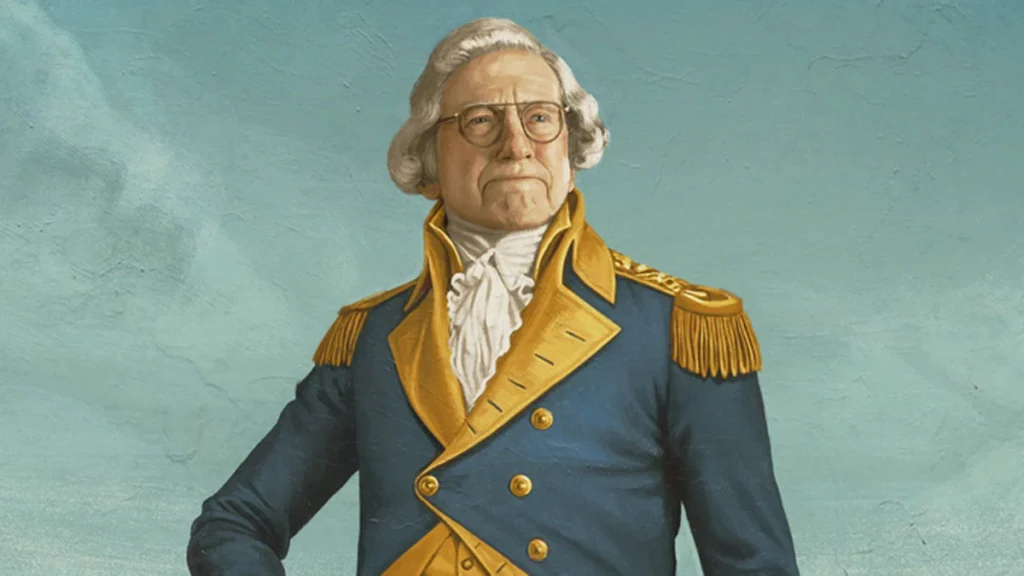
The inaugural sketch of "Livingston" transports viewers to the fraught days of the American Revolution. Larry David embodies Robert Livingston, one of the five individuals tasked with drafting the Declaration of Independence. In typical David fashion, Livingston is less concerned with the grand philosophical pronouncements of liberty and more preoccupied with adding his own petty grievances to the document’s list of complaints against the British Crown. His suggestions, undoubtedly echoing the kind of trivial social infractions that plagued Larry David on Curb, are, predictably, met with polite but firm rejection from his esteemed colleagues.
These "fellow revolutionaries" are portrayed by a trio of comedic stalwarts:
- Henry Winkler: A veteran actor beloved for his iconic role as Arthur "Fonzie" Fonzarelli in Happy Days, Winkler has enjoyed a remarkable career resurgence in recent years, particularly with his Emmy-winning performance in HBO’s Barry. His ability to convey warmth and exasperation simultaneously makes him an ideal foil for David’s character, likely playing a more composed, perhaps even slightly bewildered, delegate.
- Chris Parnell: Known for his deadpan delivery and extensive voice acting work on Saturday Night Live and Rick and Morty, Parnell brings a unique blend of absurdity and gravitas to his roles. His presence here suggests a character who might offer dry, logical counterarguments to Livingston’s more outlandish complaints.
- Alan Tudyk: A versatile actor with a background in both comedic and dramatic roles, Tudyk is recognized for performances in Firefly, Rogue One: A Star Wars Story, and the recent hit Resident Alien. His capacity for physical comedy and nuanced character work would allow him to embody a historical figure who is both historically significant and susceptible to the comedic chaos David instigates.
The dynamic between these actors and David promises a humorous exploration of the often-idealized figures of the American Revolution, grounding them in relatable, albeit anachronistic, human foibles.
The Invention of the Telephone: A Preeeetty, Preeeetty Good Connection

The episode then shifts focus to a pivotal moment in technological history: the invention of the telephone. Larry David takes on the role of Alexander Graham Bell, the Scottish-born inventor credited with patenting the first practical telephone. Beside him is Mo Gaffney, a seasoned comedy actress, playing his supportive wife, Mabel Hubbard Bell. Gaffney’s extensive career in sketch comedy, including Absolutely Fabulous and Roseanne, and her memorable improvisational skills, make her a perfect choice to navigate the eccentricities of a Larry David-esque inventor.
The scene’s other major guest star is Richard Kind, embodying Thomas A. Watson, the recipient of Bell’s famous first telephone call. Kind’s inclusion is almost a comedic law unto itself; his ubiquitous presence in countless comedy shows and films (from Mad About You to Spin City and Curb Your Enthusiasm itself) is a running gag in the industry. His boisterous, often flustered comedic style is a perfect fit for the man on the other end of a revolutionary, and potentially confusing, communication device.
Adding further depth to this scene are three familiar faces among the onlookers:
- Alison Becker: A recurring guest star on many shows, including Curb Your Enthusiasm, Becker is perhaps best known for her role as the lovelorn journalist Shawna Malwae-Tweep in Parks and Recreation. Her knack for playing characters who are both endearing and slightly off-kilter would add a layer of observational humor to the historical crowd.
- Mary Sohn: A key member of the very funny ensemble cast of A.P. Bio, Sohn has also appeared in Freakier Friday and the Showtime series Work in Progress. Her strong comedic timing and ability to play grounded, relatable characters would undoubtedly contribute to the authenticity and humor of the scene.
- Rodney J. Hobbs: With credits spanning The Office, Modern Family, First Man, and the Nickelodeon comedy Young Dylan, Hobbs brings a versatile comedic background. His presence in the crowd adds another layer of recognizable talent, subtly reinforcing the show’s deep bench of performers.
This segment not only highlights a significant historical invention but also playfully explores the initial awkwardness and potential for social missteps inherent in new technologies, a fertile ground for David’s brand of humor.
World War I: The Unlikely Soldier
The narrative progresses to the early 20th century, placing Larry David in the unlikely setting of World War I. He is cast as a soldier, presumably one whose personal grievances and discomforts might overshadow the gravity of the battlefield. His superior is the gruff Sergeant, portrayed by Michael Chiklis. This casting is particularly inspired, as Chiklis is renowned for his intense, often intimidating dramatic roles, most notably as Detective Vic Mackey in The Shield, but also as The Commish and in multiple Fantastic Four movies. His dramatic gravitas provides a sharp contrast to David’s comedic persona, creating a unique comedic tension as a no-nonsense military figure attempts to command a soldier likely preoccupied with minor uniform discomforts or perceived social slights in the trenches.
David’s fellow soldiers include:
- Mike Castle: An alumnus of Comedy Bang Bang and, notably, Curb Your Enthusiasm, Castle is well-versed in the improvisational and observational style that defines David’s comedy. His presence suggests a character who might either commiserate with Larry’s complaints or be exasperated by them.
- Jake Reiner: Reiner’s past credits include playing reporters in American Crime Story, For All Mankind, and Ice Cube’s War of the Worlds, indicating a background in playing grounded, often serious, roles. He also appeared on Curb Your Enthusiasm, further cementing the show’s connection to David’s previous work. Interestingly, Reiner is the son of legendary director Rob Reiner and Michelle Singer Reiner, bringing a generational Hollywood legacy to the cast. His inclusion adds another layer of comedic lineage and talent to the ensemble.
This sketch delves into the absurdity of war through David’s perspective, likely finding humor in the mundane discomforts and social dynamics even amidst historical conflict.
Civil Rights Era: Rosa Parks and "Murray’s" Antics
The final sketch of the premiere episode tackles a profoundly significant moment in civil rights history: the Montgomery Bus Boycott. Here, the immensely talented Jurnee Smollett portrays Rosa Parks, the courageous activist whose refusal to give up her seat sparked a pivotal movement. Smollett, known for her powerful performances in Friday Night Lights, Lovecraft Country, and Birds of Prey, brings a formidable dramatic presence and gravitas to the role. Beyond her acting prowess, her striking resemblance to the civil rights icon further enhances the authenticity of her portrayal.
Smollett’s casting is particularly brilliant, as she is more than capable of holding her own against the comedic antics of Larry David’s character, "Murray." While the specific nature of Murray’s involvement is left somewhat ambiguous in the initial description, it is clear that David’s character will, in some way, interact with or react to Parks’ historic act of defiance. This interaction promises to be a delicate balance of David’s signature humor and respectful engagement with a sensitive historical event. The article teases that Smollett’s casting is just "the last bit of brilliant casting" to come, hinting at future episodes featuring similarly impactful and thoughtfully chosen actors for historically significant roles. This final sketch underscores the show’s ambition to use comedy not just for laughs, but also to reflect on profound moments of social change and justice.
Broader Impact and Anticipation
Life, Larry, and the Pursuit of Unhappiness represents an intriguing evolution for Larry David’s comedic voice. By placing his quintessential character into the fabric of American history, the series offers a fresh perspective on well-known events, inviting audiences to reconsider the human element, the everyday annoyances, and the profound social dynamics that underpin historical narratives. The show’s ability to attract such a high caliber of guest stars, from seasoned comedians to celebrated dramatic actors, speaks volumes about David’s enduring influence and the compelling nature of the premise.
The series is poised to spark conversations about how history is taught and perceived, using humor as a vehicle for engagement. The political messaging, which the original article hints "doesn’t hold back at all," suggests a show unafraid to tackle contemporary issues through historical allegory, a potent combination given the executive producers’ backgrounds. As the series unfolds, viewers can anticipate a continued parade of familiar faces and a unique blend of historical education and signature Larry David frustration.
New episodes of Life, Larry, and the Pursuit of Unhappiness debut Fridays at 9:00 p.m. ET on HBO and are available for streaming on HBO Max. This ongoing guide will be updated weekly to include details of every major guest star as their episodes premiere.