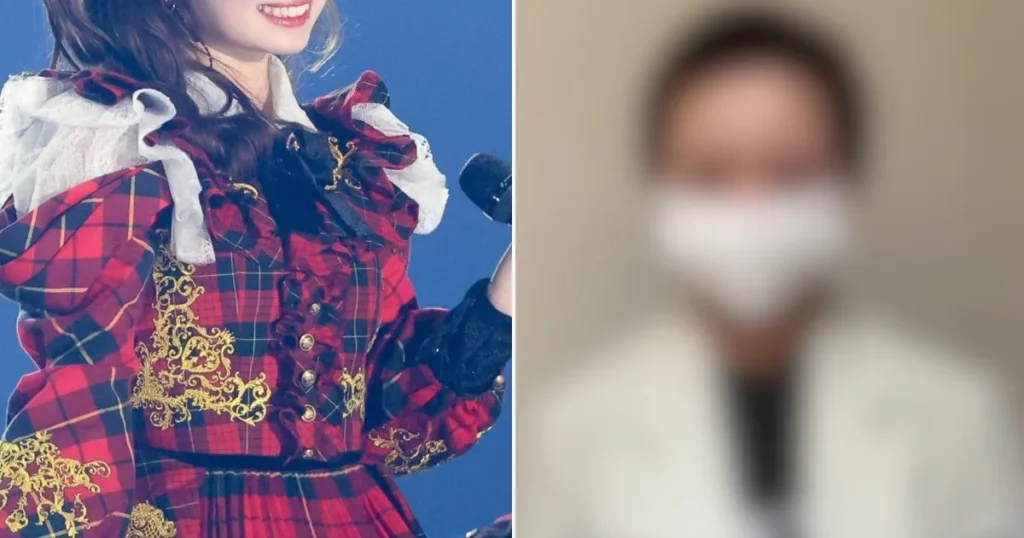

The landscape of the Japanese idol industry was sent into a state of turbulence following the abrupt contract termination of AKB48 member Hanada Mei. While the initial dismissal of the popular idol sparked significant conversation regarding the strict "no-dating" policies prevalent in the J-pop world, the situation escalated into a broader controversy when Hanada released a video featuring her shaved head. This action, intended as a statement of remorse or perhaps a symbolic gesture of a new beginning, has instead drawn intense criticism from the public, many of whom view the act as a disrespectful imitation of one of the most infamous moments in the history of the idol industry.
The Breach of Protocol and Immediate Termination
The controversy began when management for AKB48, the massive idol collective known for its "idols you can meet" concept, announced that Hanada Mei’s contract had been terminated effective immediately. The grounds for the termination were cited as a breach of contract regarding a personal relationship with a fan. While dating scandals are not uncommon in the idol industry, relationships between idols and their direct supporters—often referred to as "wota"—are treated with a heightened level of severity.
According to internal reports and industry insiders, the relationship was discovered after evidence surfaced linking Hanada to a specific fan who had been a frequent attendee at the group’s handshake events and theater performances. The management company, DH Co., Ltd., took the unprecedented step of immediate dismissal, marking a departure from previous instances where members might have been demoted to "kenkyuusei" (trainee) status or suspended for a period of time. This move signaled a zero-tolerance policy toward "fan-relationships," which are seen as a fundamental betrayal of the trust between the idol, the management, and the broader fanbase.
The Social Media Revelation: A Shaved Head and a Statement
In the wake of her departure from the group, Hanada Mei took to her personal account on X (formerly Twitter) to address the situation. On June 23, 2026, she posted a video and a written statement that left the internet in a state of disbelief. In the footage, Hanada appeared with a completely shaved head, a stark contrast to the long-haired, polished image she maintained during her tenure with AKB48.
In her statement, Hanada expressed a complex mix of apology and resignation. While the exact motivations behind the act of shaving her hair were not explicitly detailed as either a penance or a protest, the visual impact was immediate. In Japanese culture, the act of shaving one’s head—historically known as "shaven-headedness" or tonsure—has long been a symbol of extreme apology, a desire for a fresh start, or a way to show deep remorse (hansei). However, in the specific context of the idol industry, the gesture carries a much heavier weight.
The Ghost of 2013: Comparisons to Minegishi Minami
The primary reason for the backlash against Hanada Mei lies in the collective memory of AKB48 fans. In 2013, then-member Minegishi Minami, one of the group’s original stars, was caught in a dating scandal involving a member of a boy band. In a desperate attempt to show her remorse and beg the management and fans for forgiveness, Minegishi shaved her head and posted a tearful apology video on the group’s official YouTube channel.
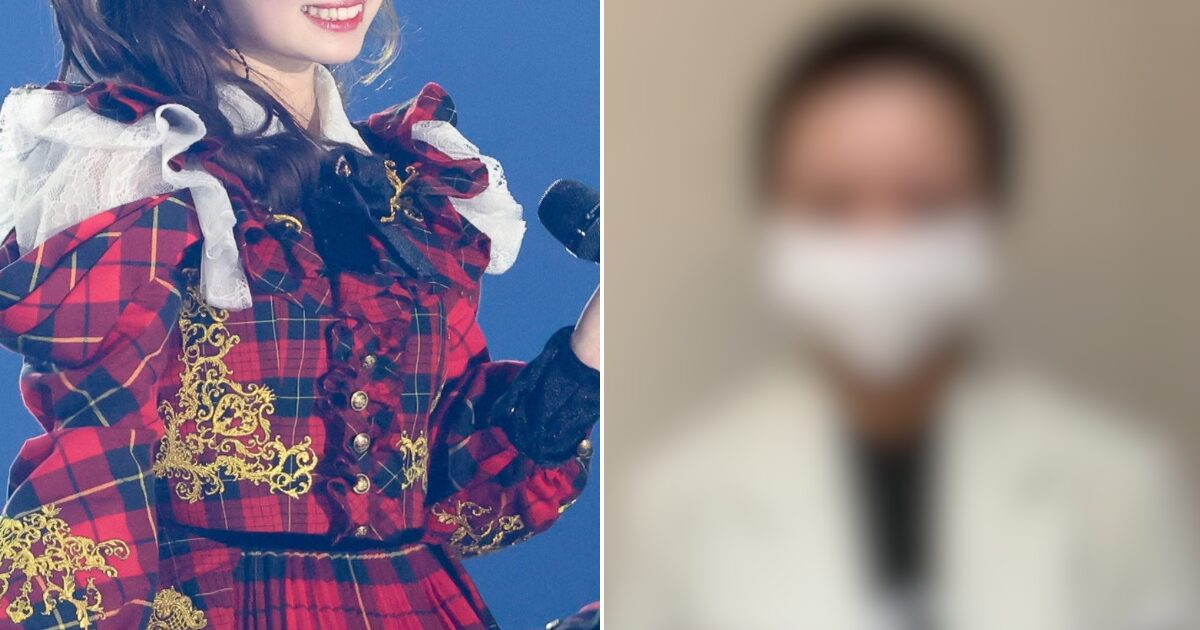
The "Minegishi Incident" became a global talking point, cited by international media outlets as a symbol of the "dark side" of the Japanese entertainment industry and the extreme pressures placed on young women to remain "pure" for their fans. For many longtime supporters of AKB48, that moment was traumatic and remains a sensitive subject.
By shaving her head in 2026 following her own relationship scandal, Hanada Mei has been accused of "mocking" Minegishi’s past trauma. Critics argue that Hanada’s gesture was not a sincere act of apology but a calculated or even cynical attempt to draw parallels to a legendary industry moment. Netizens expressed their frustration on social media, with many suggesting that Hanada was attempting to "play the victim" or "imitate a tragedy" to regain relevance after being fired.
Analysis of Fan Reactions and Public Sentiment
The reaction from the online community has been overwhelmingly negative, characterized by a mix of anger, confusion, and concern. On various social media platforms, fans and observers have dissected the implications of Hanada’s actions.
One prominent sentiment among the "wota" community is that Hanada’s actions have "set the group back a decade." This refers to the long-standing effort by management and members to move past the 2013 scandal and present a more modern, healthy image of the idol-fan relationship. By reintroducing the imagery of the shaved head, Hanada has effectively reopened old wounds and invited renewed scrutiny into the group’s internal culture.
"I am in complete disbelief," one fan wrote on X. "I am torn between knowing she needs help and being beyond pissed. This is insane." Another commenter noted, "Isn’t shaving one’s head supposed to show remorse? It feels like she’s making fun of Miichan [Minegishi Minami]."
There is also a segment of the public that views the incident through the lens of mental health. Some observers suggest that the sudden termination of her career, combined with the public shaming that often follows an idol scandal, may have led Hanada to a state of emotional distress. This perspective argues that the act of shaving her head might be a "cry for help" rather than a calculated PR move.
The "Love Ban" and the Evolving Idol Industry
The Hanada Mei controversy brings the "Love Ban" (Renai Kinshi) policy back into the spotlight. For decades, J-pop idols have been expected to adhere to strict rules regarding their private lives, particularly concerning romantic relationships. The logic behind these rules is rooted in the "idol" business model, where fans invest emotionally and financially in the idea of a member’s accessibility and "purity."

However, in recent years, there has been a slow shift in the industry. Some newer groups have moved away from formal "Love Bans," and some fans have become more accepting of idols having private lives, provided they remain professional. Yet, AKB48 remains a traditionalist pillar of the industry. The group’s identity is built on the bond between the idol and the fan, and a relationship that crosses that boundary is still viewed as the ultimate transgression.
The termination of Hanada Mei’s contract for a relationship with a fan—rather than a celebrity or a member of the general public—highlights why the management reacted so swiftly. In the eyes of the agency, a relationship with a fan compromises the integrity of the "selection" and "handshake" systems, creating an unfair environment for other fans and undermining the group’s commercial foundation.
Timeline of the Controversy
To understand the gravity of the situation, a look at the rapid progression of events is necessary:
- Early June 2026: Rumors begin circulating on anonymous Japanese message boards regarding Hanada Mei’s frequent private interactions with a specific high-tier fan.
- June 20, 2026: DH Co., Ltd. conducts an internal investigation and confirms the breach of contract.
- June 22, 2026: The official AKB48 blog releases a statement announcing the immediate termination of Hanada Mei’s contract, citing a "violation of the trust necessary for the group’s activities."
- June 23, 2026 (Morning): Hanada Mei’s official group social media accounts are deactivated.
- June 23, 2026 (Evening): Hanada Mei posts the video of her shaved head on her private X account, sparking a firestorm of criticism and comparison to the 2013 Minegishi scandal.
Broader Impact and Industry Implications
The Hanada Mei incident is likely to have lasting repercussions for AKB48 and the wider idol industry. For AKB48, the controversy comes at a time when the group is attempting to rebrand and appeal to a younger, more global audience. The return of "shaved head" imagery—a symbol of the industry’s most criticized era—threatens to overshadow the group’s current efforts.
Furthermore, the incident raises questions about the management’s responsibility toward former members. While Hanada was no longer under contract when she posted the video, the circumstances of her departure and the subsequent fallout suggest a need for better mental health support systems within the entertainment industry. When a young woman’s career is ended overnight due to personal choices, the psychological impact can be devastating, leading to erratic behavior that further damages her reputation.
As the story continues to develop, industry analysts will be watching to see if other members or management officials speak out. For now, the narrative remains focused on the collision of tradition, trauma, and the modern social media landscape. Hanada Mei’s decision to shave her head may have been intended as a period at the end of her idol career, but instead, it has opened a new, more contentious chapter in the ongoing debate over the ethics and culture of the Japanese idol world.