
The history of the Swedish Royal Family is intricately woven with tales of love, duty, and enduring legacy. Among the most treasured possessions of the Swedish Crown Jewels, one piece stands out for its exceptional artistry, romantic provenance, and its increasingly significant role in marking pivotal moments in royal life: the Cameo Tiara. This remarkable diadem, adorned with intricately carved cameos, has become the undisputed choice for Sweden’s most significant royal brides in recent decades, its presence signifying not just marital union but a deep connection to the nation’s royal heritage and future. Its journey from the courts of Napoleonic France to gracing the heads of Swedish queens and crown princesses offers a compelling narrative of historical continuity and evolving royal tradition.
A Tiara Born of Empire and Love
The origins of the Cameo Tiara trace back to the early 19th century, a period marked by the grand ambitions and romantic entanglements of Emperor Napoleon Bonaparte. The exquisite cameos that form the heart of this diadem are believed to have been commissioned for Empress Joséphine de Beauharnais, Napoleon’s first wife, during the twilight years of their tumultuous marriage. The artistry of these ancient gemstones, likely sourced from classical antiquity, speaks to a refined taste and a desire for enduring symbols of beauty and power.
The most prominent cameo, centrally positioned and commanding attention, depicts a scene from the celebrated classical myth of Cupid and Psyche. This allegory of divine love, earthly desire, and ultimate union imbues the tiara with a profound romantic symbolism, a theme that would resonate through generations of its wearers. The choice of this particular motif was perhaps a subtle reflection of the complex and passionate relationship between Napoleon and Joséphine, a marriage that, despite its political machinations, was undeniably marked by deep affection.
The journey of these precious gems to Sweden began with Joséphine’s namesake granddaughter, also named Joséphine. Upon her marriage to the newly established King Oscar I of Sweden in 1823, the collection of cameos, including the central Cupid and Psyche piece, was brought to the Swedish court. The marriage itself was a significant event, solidifying alliances and marking a new chapter in Swedish history. The proxy wedding ceremony took place in March 1823, followed by the formal in-person nuptials on June 19th, 1823, in Stockholm, a date that would later echo with profound significance for future royal unions. Queen Joséphine, a woman of considerable influence and artistic sensibility, embraced her new home and played an active role in fostering Swedish culture and the arts, her personal collection of jewels becoming an integral part of the royal regalia.
A Legacy Passed Through Royal Generations
Queen Joséphine bequeathed the Cameo Tiara to her only daughter, Princess Eugénie. Unlike her mother, Princess Eugénie never married and had no children, leading the tiara to circulate within the extended royal family. It eventually found its way to Princess Sybilla of Saxe-Coburg and Gotha, who became the mother of the current King Carl XVI Gustaf. It was through Princess Sybilla that the tiara began its modern association with royal weddings, a tradition that would profoundly shape its identity within the Swedish monarchy.
Princess Sybilla had four daughters, and two of them chose the Cameo Tiara for their own wedding days, initiating a trend that would continue for decades. Princess Birgitta was the first to wear the diadem when she married Prince Johann Georg of Hohenzollern in 1961. Her choice set a precedent, highlighting the tiara’s suitability for significant royal ceremonies. Three years later, in 1964, her younger sister, Princess Désirée, followed suit, further cementing the Cameo Tiara’s status as a favoured bridal adornment within the family.
Following Princess Sybilla’s passing in 1972, the tiara was inherited by her only son, who ascended to the Swedish throne as King Carl XVI Gustaf the following year. The King’s marriage to Silvia Sommerlath in 1976 marked another pivotal moment for the Cameo Tiara. Queen Silvia’s decision to wear this distinctive piece on her wedding day was a powerful statement. It not only honoured her husband’s lineage but also began a new chapter for the tiara, linking it directly to the consort of a reigning monarch.
The Consort’s Diadem and the Heir’s Choice
Queen Silvia’s choice to wear the Cameo Tiara for her wedding was deeply symbolic. As the first consort of a new reign, her selection of this historically rich and aesthetically significant piece underscored the continuity and dignity of the Swedish monarchy. It transitioned the tiara from a family heirloom to a symbol of the royal consort’s position, a diadem that would accompany the Queen through countless state occasions and public appearances throughout her tenure. This act solidified its place as a preeminent wedding tiara, imbued with the gravitas of a queen’s endorsement.
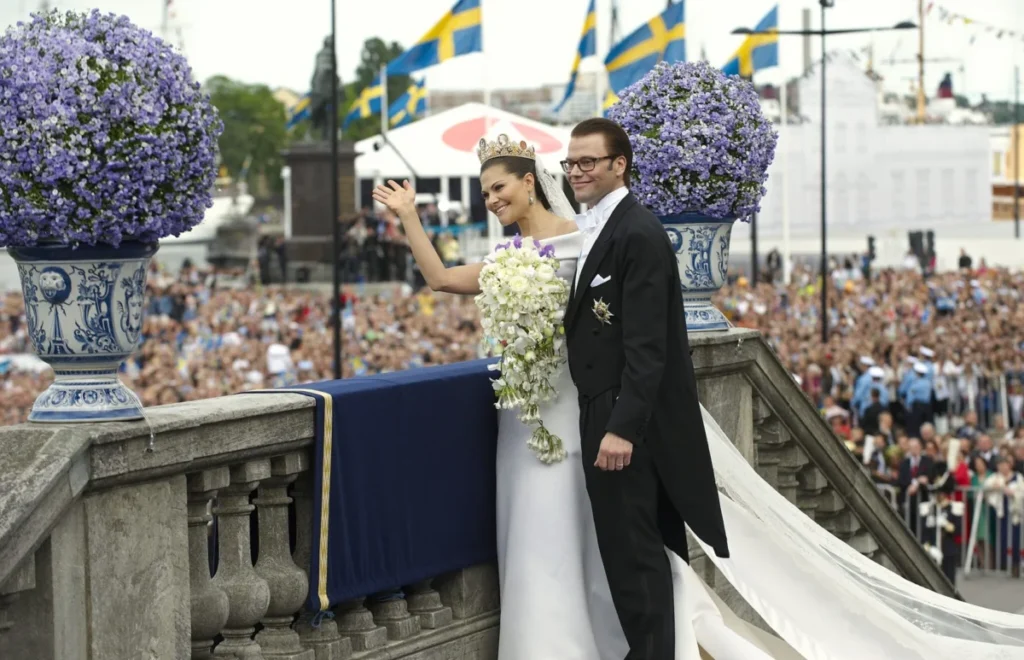
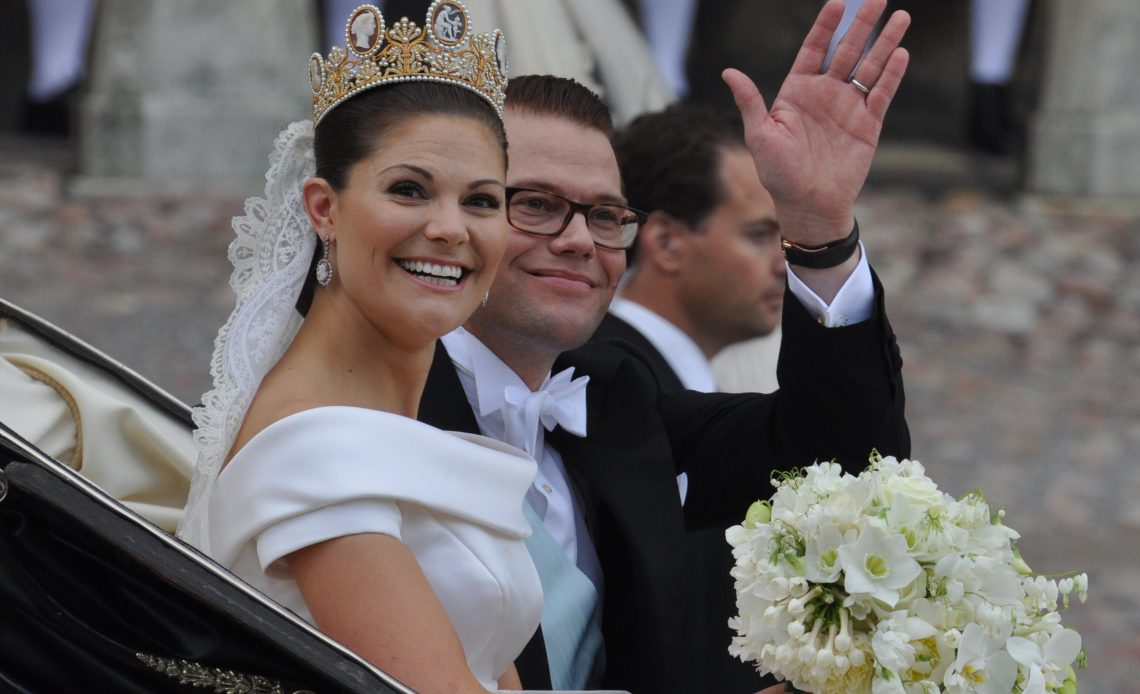
The tiara’s destiny as the ultimate symbol of royal weddings in Sweden was definitively sealed in 2010. Crown Princess Victoria, the heir to the throne, chose the Cameo Tiara for her own highly anticipated marriage to Daniel Westling. This choice was particularly poignant as it occurred precisely 34 years after her mother, Queen Silvia, had worn it on her wedding day. The familial and dynastic connection was palpable, linking the present to the past and underscoring the enduring strength of the Bernadotte dynasty.
The wedding of Crown Princess Victoria and Prince Daniel on June 19th, 2010, was a national celebration, watched by millions around the globe. Victoria’s radiant appearance in the Cameo Tiara resonated deeply with the Swedish public, evoking a sense of pride and continuity. The tiara, born from one of history’s most famous romances and passed down through generations of Swedish royalty, now crowned the future queen, symbolizing the enduring power of love and the seamless transition of royal succession. This event firmly established the Cameo Tiara as the "go-to" diadem for the most significant royal weddings in Sweden, a tradition steeped in history and personal significance.
The Cameo Tiara: A Multifaceted Symbol
Beyond its association with royal weddings, the Cameo Tiara holds broader significance within the Swedish royal collection and the nation’s cultural heritage. Its unique construction, featuring carved antique cameos rather than the more common cut gemstones, sets it apart from many other royal tiaras. This distinctive feature contributes to its allure and historical value, making it a subject of fascination for jewellery historians and royal enthusiasts alike.
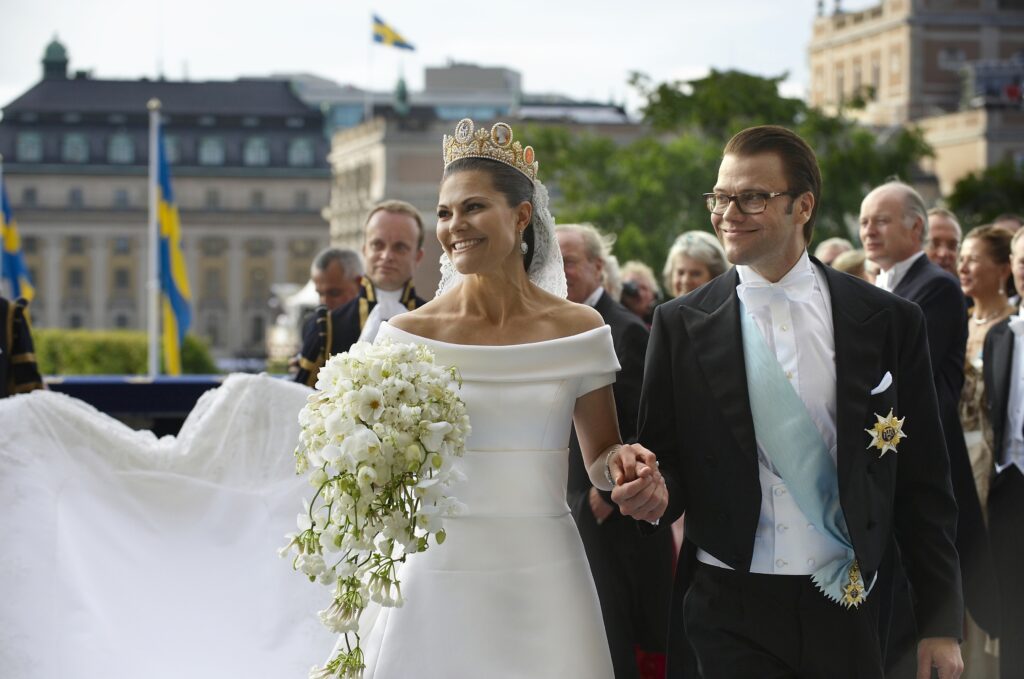
The tiara’s design, characterized by its classical elegance and intricate detailing, reflects the artistic sensibilities of its original creator and the generations of royal women who have cherished it. The smooth, polished surfaces of the cameos, often depicting mythological figures or portraits, offer a tactile and visual experience that is both ancient and enduring. This unique aesthetic ensures that the tiara remains a captivating piece, transcending fleeting fashion trends.
The choice of the Cameo Tiara by successive royal brides can be seen as a deliberate act of connecting with the past while embracing the future. It signifies a deep respect for tradition and a recognition of the historical weight carried by such an object. For a royal bride, donning this tiara is not merely a matter of adornment; it is an act of embracing a legacy, of symbolically stepping into a role that has been shaped by centuries of royal service and commitment.
Broader Impact and Future Implications
The enduring popularity of the Cameo Tiara for royal weddings in Sweden has a tangible impact on how the monarchy is perceived both domestically and internationally. It reinforces an image of tradition, continuity, and enduring values. In an era where monarchies often face scrutiny regarding their relevance, the symbolic power of such treasured heirlooms can serve to connect the present-day royal family with its historical roots, providing a sense of stability and national identity.
The tiara’s prominent role in these highly publicized events also contributes to its cultural significance. It becomes a recognizable symbol, intrinsically linked to the image of the Swedish Royal Family. This widespread recognition can foster a deeper appreciation for royal history and the artistry of historical jewellery.
Looking ahead, it is highly probable that the Cameo Tiara will continue to play a central role in future royal weddings. As Crown Princess Victoria’s children, Princess Estelle and Prince Oscar, grow, the possibility of them, or their future spouses, continuing this tradition is a strong one. The tiara’s narrative, from its imperial origins to its embrace by the modern Swedish monarchy, suggests a future where it will continue to grace the heads of those who will shape the future of Sweden’s royal lineage. The Cameo Tiara is more than just a piece of jewellery; it is a living testament to love, history, and the enduring power of royal tradition.