
The regal splendor of European royalty will converge in Stockholm at the end of April 2026 as King Carl XVI Gustaf of Sweden marks his 80th birthday, a significant milestone for the continent’s longest-reigning monarch. The Swedish Royal Court has orchestrated a series of celebrations culminating in a grand gala dinner at the Royal Palace on April 30th, an event anticipated to draw a distinguished assembly of kings, queens, princes, and princesses from across the continent. While many royal houses have confirmed their attendance, a lingering question remains regarding the participation of the British Royal Family, the House of Windsor.
A Milestone Birthday and a Royal Gathering
King Carl XVI Gustaf, who ascended to the Swedish throne in 1973, has enjoyed a reign of over five decades, making him a venerable figure in European monarchies. His 80th birthday is not merely a personal celebration but a significant event for the Swedish nation and a focal point for inter-royal relations. The Swedish Royal Court has been meticulously planning the festivities, which aim to honor the King’s enduring service and his deep-seated connections with other royal families.
The highlight of the celebrations will undoubtedly be the gala dinner on April 30th. This opulent affair is expected to showcase the finest of Swedish hospitality and tradition, providing a platform for monarchs and their representatives to convene, reaffirm diplomatic ties, and celebrate a fellow sovereign. The guest list, while not entirely public, is understood to include a robust contingent from Scandinavia and beyond, reflecting the King’s extensive network of friendships and familial bonds forged over many years.

Scandinavian Royals Lead the Confirmed Attendees
The closest neighbors and relatives of the Swedish Royal Family are among the first to confirm their presence. King Frederik X and Queen Mary of Denmark are expected to travel to Stockholm. This attendance is particularly noteworthy given Queen Mary’s recent bereavement, underscoring the strength of her family ties and her commitment to honoring the Swedish King. Her mother-in-law, Queen Margrethe II, who abdicated the Danish throne in January 2024, has also confirmed her attendance, a testament to her enduring relationship with King Carl XVI Gustaf.
Further north, Their Majesties King Harald V and Queen Sonja of Norway are also slated to attend. The Norwegian Royal Family shares deep historical and familial connections with both the Swedish and Danish monarchies, often described as a close-knit "brotherly" relationship. Their presence signifies a united Scandinavian front in celebrating this significant royal milestone. These confirmations highlight the strong bonds that transcend national borders within the European royal sphere, particularly among the Nordic crowns.
Historical Precedents and the Significance of Royal Diplomacy
European royal birthday celebrations have historically served as crucial diplomatic events, offering a less formal yet highly significant arena for monarchs to interact. King Carl XVI Gustaf’s previous milestone birthday, his 70th, also saw a considerable turnout of European royalty, underscoring his popularity and influence. His reign, spanning 53 years, has seen him cultivate relationships with numerous royal houses, often through state visits, weddings, and other significant royal occasions.
These gatherings are more than just social events; they are opportunities to foster goodwill, discuss matters of mutual interest in a relaxed setting, and project an image of stability and continuity for their respective nations. The presence of reigning monarchs signifies a level of respect and camaraderie that is unique to the world of royalty.
The British Royal Family’s Attendance: A Question Mark
The central point of speculation revolves around the participation of the British Royal Family. King Charles III and Queen Camilla are scheduled to conclude a State Visit to the United States around the same time as the Swedish King’s birthday. This significant diplomatic engagement in the US presents a potential scheduling conflict, making their personal attendance in Stockholm unlikely.
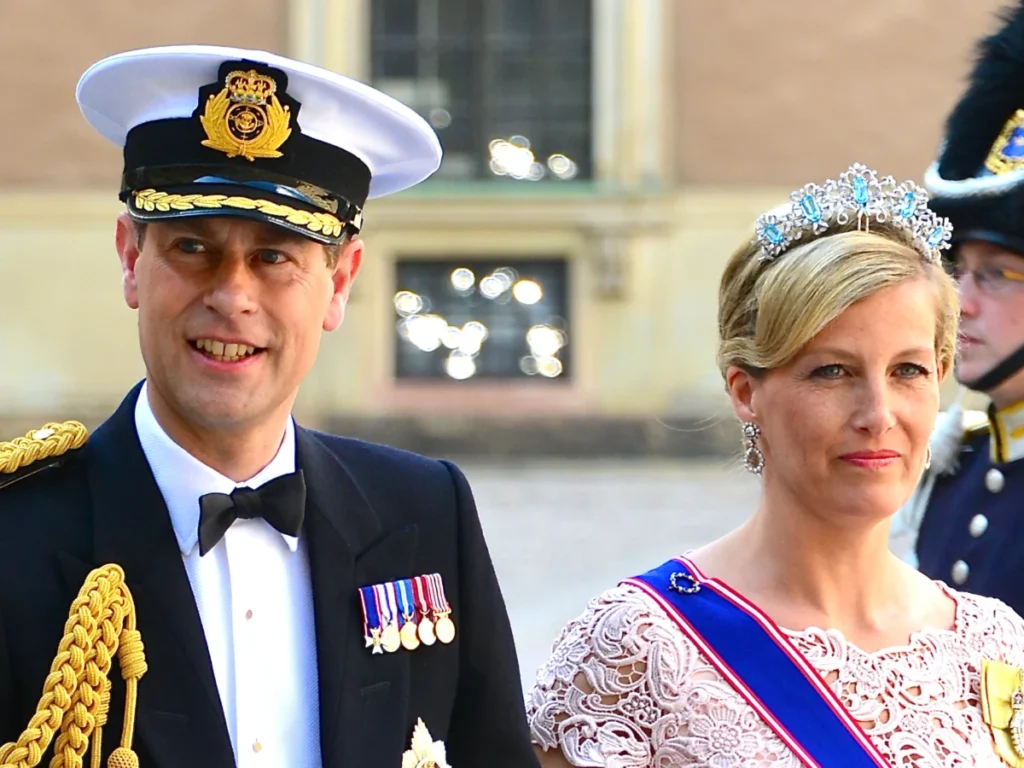
Historically, when the King and Queen are unable to attend such significant European royal events, the duty of representation often falls to other senior members of the Royal Family. For many years, the Duke and Duchess of Edinburgh (formerly Prince Edward and Sophie) were the go-to representatives for the British Crown at major European royal functions. They were frequently seen attending significant events throughout the 2000s and 2010s, including the weddings of King Carl XVI Gustaf’s three children. Their attendance at Crown Princess Victoria’s wedding in 2010 was a notable example of their consistent presence at key royal celebrations. They also represented the UK at King Harald V of Norway’s 80th birthday celebrations in Oslo in 2017, further solidifying their role as the Royal Family’s primary delegates to European royal gatherings.
However, current schedules indicate that the Duke and Duchess of Edinburgh also have prior commitments on April 30th, 2026, as listed on the official royal engagement calendars. This development has further fueled speculation about who, if anyone, from the House of Windsor will represent the United Kingdom in Stockholm.
The Prince and Princess of Wales: A Potential Stand-in?
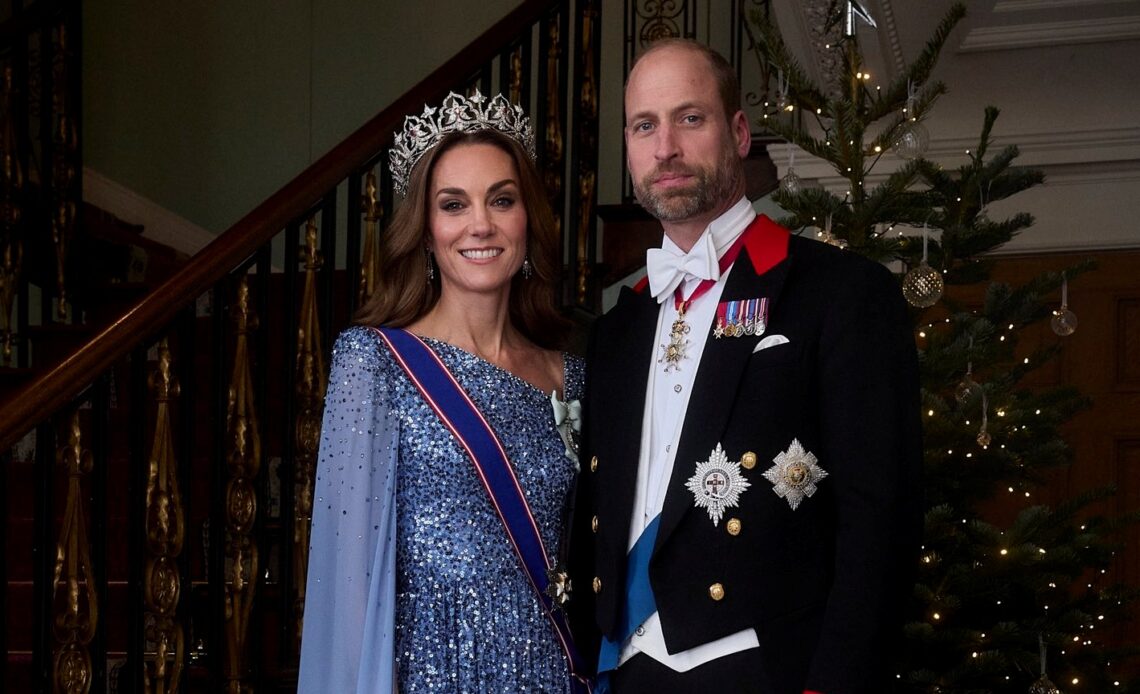
In the absence of the King and Queen, and with the Duke and Duchess of Edinburgh otherwise engaged, the Prince and Princess of Wales, William and Catherine, emerge as the most probable candidates to represent the British monarchy. As the heir to the throne and his wife, their attendance would carry significant weight and demonstrate the UK’s continued engagement with European royal diplomacy.

The Prince and Princess of Wales have increasingly taken on more prominent roles in representing the Crown on the international stage. Their presence at such a high-profile event would underscore their growing importance within the royal family and their capacity to undertake significant diplomatic duties. If the principle of sending the monarch or the direct heir holds true, William and Kate would be the logical choice to represent the Windsors at this gathering of European crowned heads.
However, the British Royal Family has, in recent years, demonstrated a tendency to prioritize specific engagements and, at times, has opted not to send representatives to certain major European royal events. This has led to questions about the current UK approach to such gatherings. The possibility of the Windsors "taking a rain check" on this occasion, as they have on others, cannot be entirely dismissed, especially given the complexities of international scheduling and evolving royal duties.
Broader Implications for Royal Relations
The King of Sweden’s 80th birthday celebration is more than just a birthday party; it is a significant moment for the continuation of royal traditions and the maintenance of inter-monarchical relationships. The attendance of so many heads of state and their consorts, particularly those from monarchical systems, reinforces the enduring relevance of these institutions in the 21st century.
The event also provides an opportunity for younger royals, such as Crown Princess Victoria of Sweden herself, and potentially the Prince and Princess of Wales, to engage with a wider network of European royalty. These interactions can be formative, helping to shape future diplomatic exchanges and foster a sense of shared purpose among European monarchies facing similar challenges and opportunities.

The Swedish Royal Court’s success in gathering such a distinguished assembly will be a testament to King Carl XVI Gustaf’s personal diplomacy and the strength of the bonds he has cultivated. The event promises to be a glittering affair, filled with historical significance and the enduring charm of royal tradition. As the date approaches, the final guest list, particularly concerning the British delegation, will be closely watched, offering insights into the current dynamics of European royal relations and the strategic priorities of the House of Windsor. The sparkle and pageantry are guaranteed, but the presence of the entire European royal constellation will be keenly observed.