
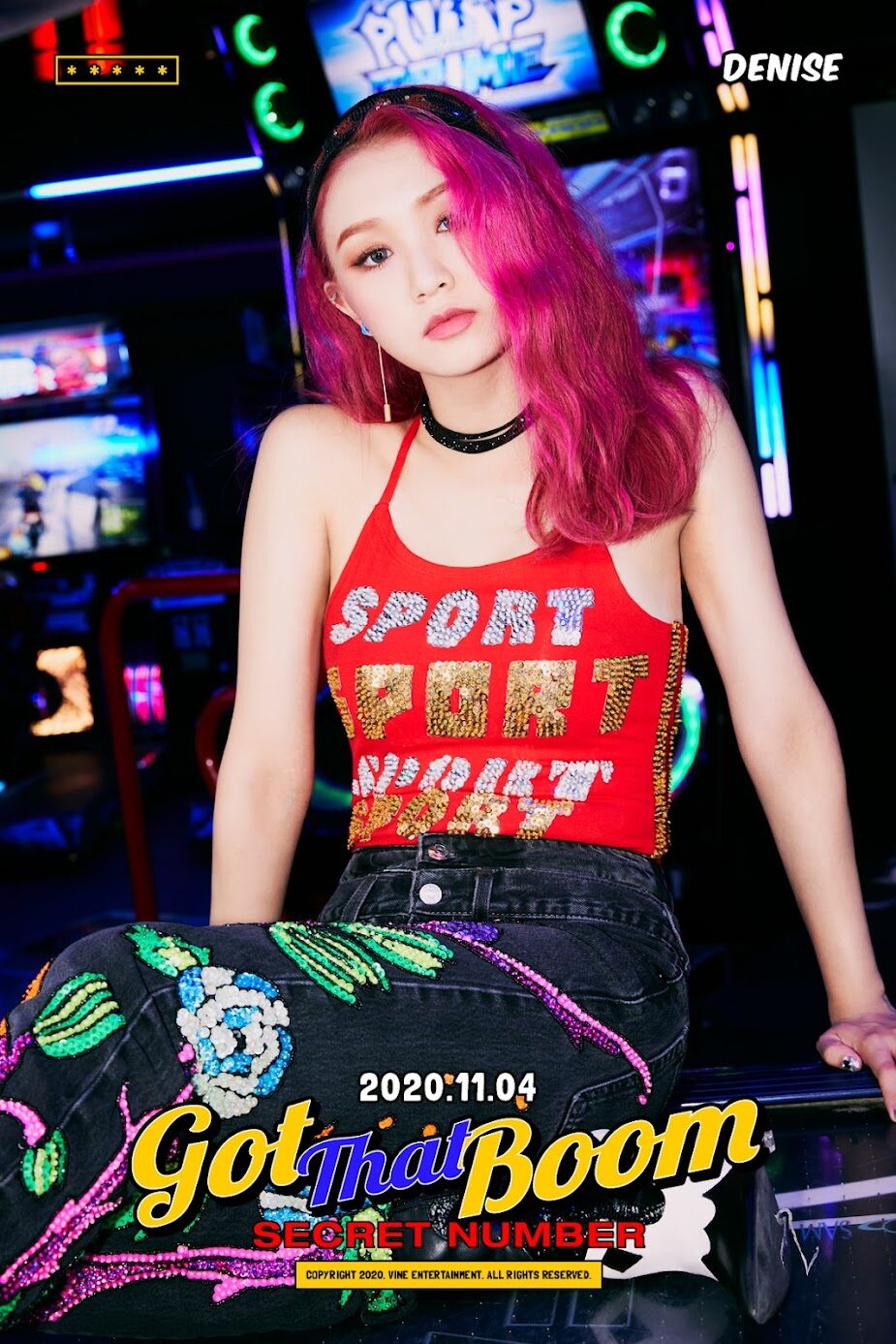
The global phenomenon of K-Pop is built upon a foundation of perceived perfection, where idols are expected to maintain flawless appearances, high-energy performances, and unwavering professionalism regardless of their internal physical states. However, beneath the synchronized choreography and meticulously curated fashion lies a demanding reality that female idols must navigate: the management of biological cycles, such as menstruation, within a rigid and often unforgiving industry schedule. Former SECRET NUMBER member Denise Kim recently brought these hidden challenges to the forefront of public discourse, sharing a candid account of a high-stress wardrobe emergency that occurred during a music show broadcast, highlighting the intersection of styling choices, physical exhaustion, and the biological realities of being a female performer.
The Context of the Incident: Life on the Music Show Circuit
To understand the gravity of Denise’s account, one must first understand the grueling nature of the South Korean music show system. Programs such as Mnet’s M Countdown, KBS’s Music Bank, and SBS’s Inkigayo are the lifeblood of K-Pop promotions. For a group like SECRET NUMBER, which debuted in 2020 under Vine Entertainment, these appearances are critical for building a fanbase and securing "wins"—the industry’s primary metric of immediate success.
The schedule for these shows often begins in the early hours of the morning, sometimes as early as 2:00 AM or 4:00 AM, for hair, makeup, and "dry rehearsals." This is followed by "pre-recordings," where groups perform their title tracks multiple times to ensure the best camera angles are captured. After the pre-recording, there is a significant period of downtime—often several hours—before the live broadcast in the evening, where the weekly winner is announced. It was during this period of extreme fatigue and "dead time" that Denise’s incident occurred.
A High-Stakes Wardrobe Emergency
During a recent "Get Ready With Me" video shared on social media, Denise recounted a specific day during SECRET NUMBER’s promotional period. The group had completed their performance and was awaiting the final segment of the show, where all performing artists gather on stage for the winner’s announcement. Exhausted from the lack of sleep that characterizes the "comeback" season, Denise took the opportunity to nap on a couch in the group’s waiting room.
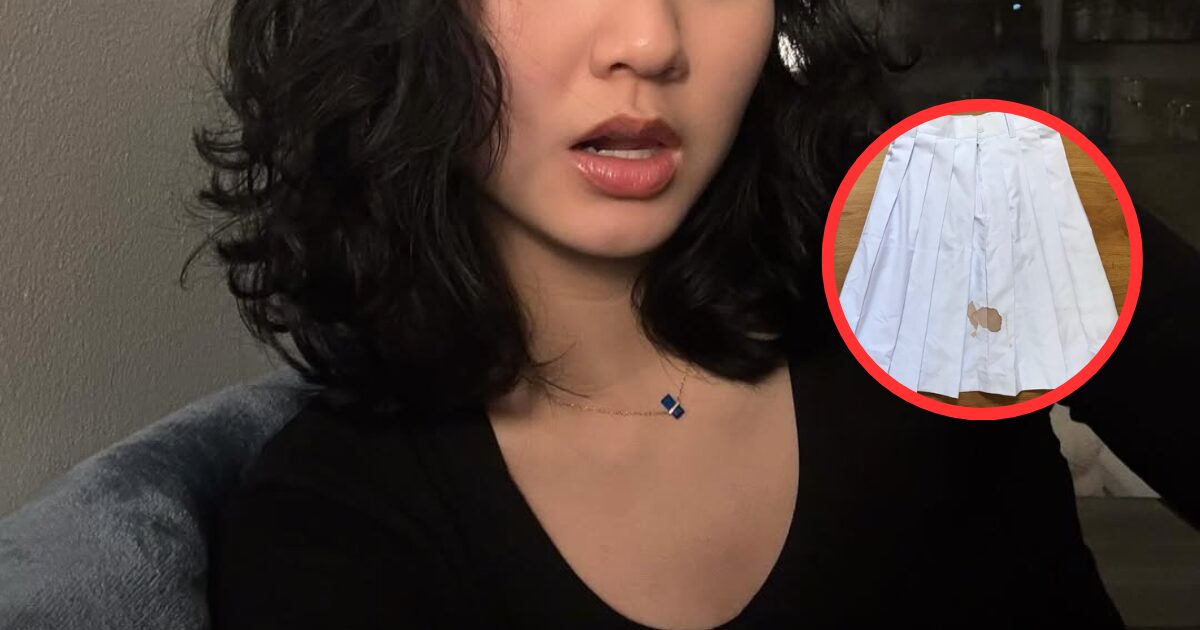
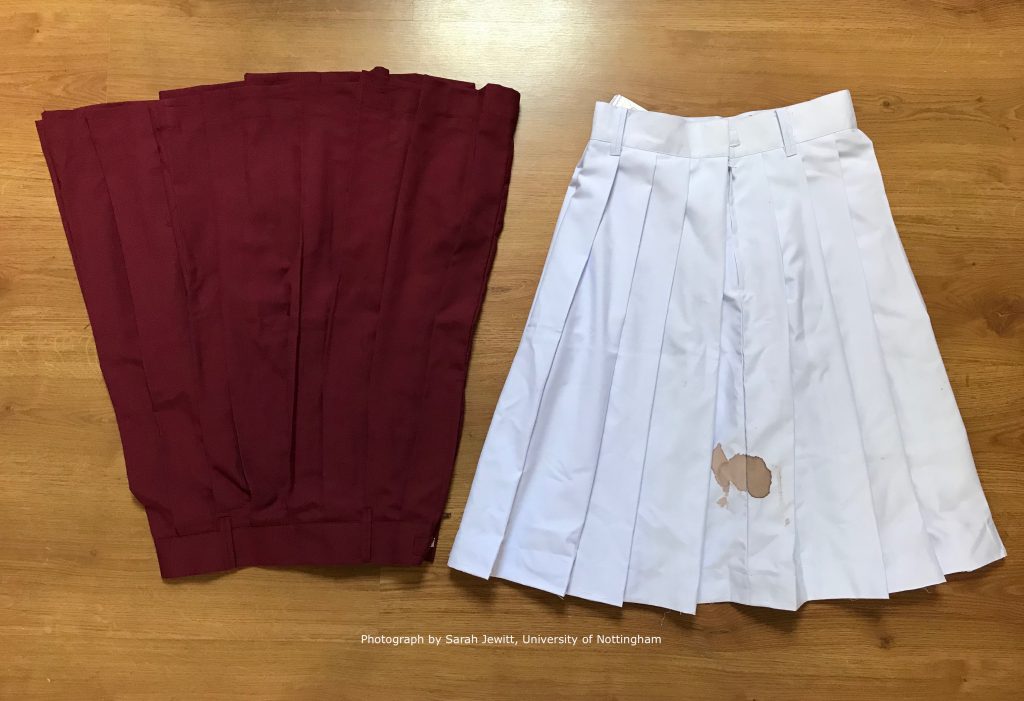
The styling for that day featured a white skirt, a common choice in K-Pop for its clean, "pure," and high-contrast aesthetic under stage lights. However, Denise was also on her menstrual cycle. Upon waking from her hour-long nap to prepare for the live "ending shot," she discovered that she had bled through the white garment.
Denise described the moment of discovery as one of immediate alarm. As she stood up to head toward the hair and makeup station for touch-ups, her stylist noticed the stain. In a move of professional quick-thinking and discretion, the stylist approached Denise from behind and embraced her, using the physical contact to shield the stain from others in the room before whispering that they needed to go to the bathroom immediately.
The "Commander" Approach: Crisis Management Behind the Scenes
The subsequent events in the bathroom highlight the intense pressure and the resourceful, albeit stressful, nature of K-Pop styling teams. Upon seeing the "fat-ss red dot" in the mirror, as Denise described it, the situation escalated into a tactical cleaning operation. Rather than having a backup outfit—which is rarely available for specific custom-fitted stage costumes—the styling team had to fix the garment on the spot.
The head stylist took charge of the situation with military-like precision. Denise recalled the head stylist barking orders for cold water, soap, and a hairdryer, demanding the team move "chop-chop" to resolve the issue before the live broadcast call. Denise stood by, apologizing profusely, as the stylists scrubbed the white fabric while she was still partially dressed or standing nearby in a state of undress. The team successfully removed the stain and dried the skirt just in time for the group to take the stage.
The Physical and Psychological Toll of Idol Life
Denise’s story is more than just an anecdote about a wardrobe malfunction; it serves as a window into the physical and psychological toll of the industry. She noted that looking back, the level of stress felt disproportionate, yet at the time, the "high stakes" of being a rookie idol made every minor mishap feel like a potential disaster.
The K-Pop industry is notorious for its "no-break" policy. Idols are frequently required to perform through injuries, illnesses, and severe menstrual cramping. The biological reality of a period is rarely factored into the scheduling or the wardrobe. If a group’s "concept" for a particular song involves white lace, silk, or denim, the members are required to wear those materials regardless of their comfort or the logistical risks involved with menstruation.
Furthermore, the prevalence of extreme dieting in the industry can lead to irregular cycles or amenorrhea (the absence of menstruation). When cycles do occur, they are often managed through the use of hormonal birth control to delay periods during important concert tours or comeback weeks, a practice that many former idols have spoken about in recent years.
Industry Standards and the Lack of Accommodations
The incident raises questions about the lack of protective measures for female performers. In many professional athletic environments, there has been a recent shift away from white uniforms to accommodate female athletes during their cycles. For example, the Wimbledon tennis tournament recently updated its strict all-white dress code to allow female players to wear dark-colored undershorts.
In K-Pop, however, the aesthetic concept—determined by creative directors and agencies—almost always takes precedence over the physical comfort of the idol. The use of "safety shorts" is standard, but as Denise’s story illustrates, these are not always sufficient to prevent visible accidents, especially when idols are pushed to the point of exhaustion where they might fall asleep in positions that increase the risk of leakage.
Broader Implications and the Humanization of Idols
Denise Kim’s willingness to share this story reflects a growing trend of "second-generation" and "third-generation" idols speaking more openly about the human side of the industry. By discussing menstruation, a topic that remains somewhat taboo in conservative South Korean media, Denise is contributing to the "humanization" of the idol image.
The reaction from fans and the public has been largely sympathetic, with many noting that the "glamour" of the stage is often maintained through the silent labor of stylists and the physical endurance of the performers. It also highlights the intense bond between idols and their staff; the stylist’s decision to hug Denise to hide the stain was an act of protection that saved the young performer from potential public embarrassment on a live broadcast.
Analysis: The Future of Idol Welfare
As the K-Pop industry continues to expand globally, there is increasing pressure from international fans and human rights advocates for better working conditions. This includes more reasonable working hours, mental health support, and physical health accommodations.
The "music show" format itself has come under fire for its inefficiency and the strain it places on artists. While these shows are iconic, the 20-hour workdays for a three-minute performance are increasingly viewed as unsustainable. If agencies were to prioritize the health of their artists, accommodations such as flexible styling choices during "lady times" or scheduled rest periods that don’t involve sleeping on waiting room couches would be the first steps toward a more humane industry.
Denise’s reflection that "no one’s gonna see me from the back" because they were a newer group suggests a level of self-awareness regarding the industry’s hierarchy. Yet, the panic felt by the staff indicates that in the world of K-Pop, the risk of a "flaw" being captured by a high-definition camera or a fan’s "fancam" is a risk no agency is willing to take.
Conclusion
The account provided by Denise Kim serves as a poignant reminder that K-Pop idols are, first and foremost, human beings subject to the same biological functions and physical limitations as anyone else. The "white skirt incident" is a microcosm of the industry at large: a high-pressure environment where perfection is manufactured through crisis management, and where the grace seen on screen is often the result of intense stress behind the scenes. As more former idols like Denise speak out, the industry may eventually be forced to reconcile its aesthetic demands with the fundamental well-being of the individuals who bring those aesthetics to life. For now, the story remains a testament to the resilience of performers and the frantic, invisible work of the teams that keep the K-Pop machine running smoothly.