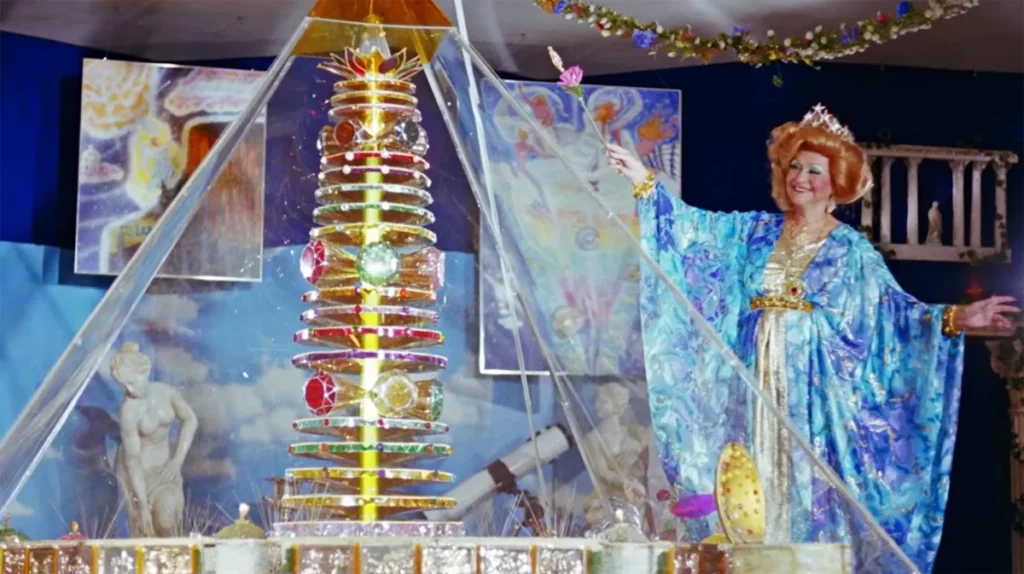

The enigmatic world of the Unarius Academy of Science, a spiritual organization deeply rooted in extraterrestrial contact and a prolific filmmaking endeavor, is brought to the forefront with the imminent release of the documentary Welcome Space Brothers. Co-presented by XTR, Diorama, SpectreVision, and A Museum & Crane, this compelling film offers an in-depth exploration of a unique spiritual movement that captivated audiences through its unconventional teachings and remarkably active public access television presence. The documentary, which premiered at Beyond Fest in 2023, is now poised for a wider release, coinciding with the cultural zeitgeist surrounding sci-fi narratives, particularly with the recent release of Steven Spielberg’s highly anticipated film Disclosure Day.
The Unarius Academy of Science, founded in Southern California, emerged as a distinctive spiritual school dedicated to channeling messages from extraterrestrial beings. Its narrative is inextricably linked to its charismatic and often flamboyant leader, Ruth E. Norman, who was known to her followers as "Archangel Uriel." Under Norman’s direction, the Academy transcended its origins as a fringe spiritual group to become a significant force in public access television during the 1970s and 1980s. This era saw Unarius produce an astonishing volume of films and television programs, broadcasting their unique cosmology and beliefs to a burgeoning audience.
The Genesis and Rise of the Unarius Academy of Science
The story of Unarius begins with Ruth E. Norman’s claims of channeling extraterrestrial entities and receiving profound cosmic revelations. She established the Unarius Academy of Science, with its initial operations reportedly in Glendale, California, before relocating to El Cajon. Norman’s teachings emphasized concepts of spiritual evolution, intergalactic peace, and the imminent arrival of advanced extraterrestrial civilizations. Central to her philosophy was the idea that humanity was on the cusp of a spiritual awakening, guided by these benevolent cosmic visitors.
What set Unarius apart was its ambitious and highly productive filmmaking arm. The Academy produced a vast library of films, often starring its own members and depicting elaborate narratives of space travel, alien encounters, and spiritual ascension. These films, characterized by their distinct visual style and earnest, if unconventional, storytelling, became a staple of public access television. The production scale and frequency of these releases were extraordinary for an independent spiritual organization, demonstrating a significant commitment to disseminating their message through the visual medium.

Ruth E. Norman: The Archangel Uriel
Ruth E. Norman was the driving force behind Unarius. Her persona as "Archangel Uriel" projected an image of spiritual authority and cosmic wisdom. Followers were drawn to her charismatic leadership and the promise of a higher understanding of the universe. Norman was not merely a spiritual guide; she was also the visionary director and creative force behind the Academy’s cinematic output. Her pronouncements and teachings were translated into visual narratives that sought to illustrate the Unarius worldview. The documentary Welcome Space Brothers aims to delve into the complexities of her leadership and the profound impact she had on her followers and the wider public who encountered Unarius through its media.
A Cinematic Phenomenon: The Unarius Film Collective
The sheer volume of films produced by Unarius is a testament to their dedication. Estimates suggest hundreds of hours of programming, ranging from short films to feature-length productions. These works often featured elaborate costumes, special effects, and recurring themes of intergalactic diplomacy and spiritual enlightenment. The films were not just a means of evangelism; they were also a form of community building, involving members in the creative process and reinforcing their shared beliefs. The documentary is expected to showcase excerpts from these films, offering viewers a direct glimpse into the unique aesthetic and narrative world of Unarius.
The public access television era provided an invaluable platform for Unarius. In an age before widespread streaming and digital media, public access channels offered independent creators a voice. Unarius effectively leveraged this opportunity, becoming a recognizable presence in many households across America. Their programming stood out for its unique subject matter and earnest, often amateurish, execution, which paradoxically contributed to its cult appeal.
"Welcome Space Brothers": A Modern Exploration
Directed by Jodi Wille, an American indie filmmaker known for her previous work on The Source Family, Welcome Space Brothers promises to offer a comprehensive and nuanced look at the Unarius Academy of Science. Wille’s directorial approach is characterized by a deep engagement with subcultures and unconventional communities, suggesting a sensitive and insightful portrayal of Unarius. The film is produced by Caryn Capotosto, whose credits include Won’t You Be My Neighbor? and Little Richard: I Am Everything, indicating a commitment to high-quality documentary filmmaking.
The film’s release strategy, including its premiere at Beyond Fest 2023 and its upcoming theatrical screenings, suggests a deliberate effort to engage with audiences who appreciate unique and thought-provoking cinema. The co-presenters, including SpectreVision, known for its genre-bending horror and sci-fi projects, hint at an approach that embraces the more surreal and compelling aspects of the Unarius story.

Contextualizing the Release: A Cultural Moment
The timing of Welcome Space Brothers‘ release is noteworthy. The burgeoning interest in UFO phenomena and extraterrestrial encounters, fueled by recent government declassifications and increased media coverage, creates a fertile ground for a documentary like this. The concurrent release of Steven Spielberg’s Disclosure Day, a film that also grapples with themes of alien visitation, further amplifies this cultural fascination. This confluence of cinematic and societal interest in the extraterrestrial suggests that audiences are more receptive than ever to exploring the diverse narratives surrounding belief in alien life and otherworldly phenomena.
The documentary’s executive producers include notable figures such as Elijah Wood, and the filmmaking duo Lord & Miller, as well as musician Moby. Moby’s involvement is particularly significant, as he is also slated to perform with the Unarius choir live onstage during the film’s theatrical roadshow. This association with prominent figures in the entertainment and music industries lends considerable weight and visibility to the documentary, potentially introducing the Unarius story to a wider and more mainstream audience.
Supporting Data and Background
The Unarius Academy of Science, during its peak activity in the 1970s and 1980s, represented a significant cultural phenomenon in the landscape of alternative spirituality and independent media production. While precise membership numbers are difficult to ascertain, the organization’s prolific output suggests a dedicated core of adherents. The public access television phenomenon of that era provided a unique ecosystem for such groups, allowing them to reach audiences without the traditional gatekeepers of mainstream media.
The philosophy of Unarius was characterized by a belief in intergalactic federations, the reincarnation of souls across different planets, and the eventual unification of Earth with a cosmic civilization. These ideas, while esoteric, were presented with a sincerity that resonated with a segment of the population seeking alternative explanations for life and the universe. The Academy’s visual productions often depicted these concepts through allegorical narratives and direct portrayals of alien beings and spacecraft, utilizing the available technology of the time to create a distinctive visual language.
Chronology of Key Events (Inferred from Article)
- 1970s: Founding of the Unarius Academy of Science in Southern California, under the leadership of Ruth E. Norman (Archangel Uriel). Commencement of prolific filmmaking activities.
- 1970s-1980s: Unarius becomes a prominent fixture on public access television, producing a large volume of films and programs that disseminate their spiritual and extraterrestrial-themed messages.
- 2023: Welcome Space Brothers premieres at Beyond Fest, receiving critical attention.
- June 12, 2026: Official release of the trailer for Welcome Space Brothers, signaling an upcoming broader release.
- June 13, 2026: Scheduled theatrical screening of Welcome Space Brothers at the Alex Theater in Glendale, California, marking the launch of its theatrical roadshow across America.
Broader Impact and Implications
The story of Unarius, as explored in Welcome Space Brothers, offers a compelling case study in the intersection of spirituality, media, and cultural subversion. It highlights how determined individuals and groups can leverage emerging technologies to create their own narratives and build communities around shared beliefs. The documentary’s exploration of Unarius’s cinematic legacy also sheds light on the often-overlooked history of independent filmmaking and the creative potential of public access television.

The film’s release at a time of heightened public interest in UFOs and extraterrestrial contact suggests a potential for renewed discussion about belief systems, skepticism, and the human fascination with the unknown. By presenting the Unarius story with "wide-eyed fascination," as described in the promotional material, the documentary invites viewers to engage with the material without immediate judgment, fostering a deeper understanding of the motivations and worldview of those involved. The involvement of figures like Elijah Wood and Lord & Miller, known for their work in genre film and their engagement with niche cultural phenomena, indicates a desire to treat the subject matter with artistic integrity and creative flair, potentially drawing parallels to other well-regarded documentaries that have explored unusual communities and belief systems.
The comparison of Unarius to "Scientology on acid" from the article’s informal description, while informal, points to the sensational and often bizarre nature of the group’s practices and beliefs. However, the documentary’s professional production and the involvement of established figures suggest a more nuanced and respectful examination of the Unarius phenomenon. It is likely to explore the psychological and sociological factors that contributed to the group’s formation and sustained its activities, offering insights into the appeal of such movements in contemporary society. The inclusion of Moby and the Unarius choir in live performances further emphasizes the documentary’s aim to not just present information but to create an immersive and engaging experience for its audience, bridging the gap between the historical narrative and contemporary artistic expression.