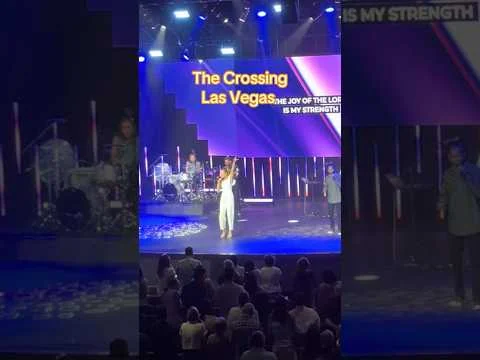

On June 1, 2026, the digital sphere witnessed an unexpected and significant post from veteran entertainment blogger and personality Perez Hilton, who shared a video of worship from The Crossing Las Vegas. The post, titled "The Joy Of The Lord!", quickly garnered attention, not only for its source but for its candid reflection on a profound spiritual experience that contrasts sharply with Hilton’s traditionally secular public persona. This public testimony has sparked considerable discussion within both religious and celebrity cultural circles, highlighting the evolving landscape of faith, the growing appeal of non-denominational churches, and the powerful role of digital platforms in sharing personal spiritual journeys.
Perez Hilton’s Spiritual Journey: A Public Shift
Perez Hilton, born Mario Armando Lavandeira Jr., has carved out a controversial and influential niche in the entertainment industry over two decades. Known for his unfiltered commentary, celebrity gossip, and often provocative takes on pop culture, his brand has largely been synonymous with the glitz, glamour, and sometimes the underbelly of Hollywood. His public embrace of a non-denominational Christian church, and his explicit endorsement of its capacity to deliver "hope, faith, inspiration, healing," represents a notable departure from his established public image. This shift suggests a deeper, more personal transformation that he has now chosen to share with his extensive audience.
Hilton’s post detailed an initial discomfort with the service, stemming from its stark difference to the Catholic masses he had previously attended. However, this discomfort quickly gave way to a deep connection, particularly through the music and the pastors’ ability to "connect the Scripture to the real world in ways that make sense and resonate." This narrative arc – from initial apprehension to profound spiritual resonance – is a common thread among individuals exploring new forms of worship or reconnecting with faith, underscoring a search for authenticity and relevance that many traditional religious structures may not always fulfill for contemporary seekers. His public declaration, made via a video he personally recorded and shared, carries significant weight, signaling a deliberate choice to align his public platform with a personal spiritual commitment.
The Rise of Non-Denominational Megachurches: The Crossing Las Vegas as a Case Study
The church at the center of Hilton’s testimony, The Crossing Las Vegas, is representative of a significant trend in American religious life: the rapid growth and influence of non-denominational Christian churches, particularly megachurches. These institutions have become prominent forces in the spiritual landscape, characterized by their large congregations, contemporary worship styles, and often extensive community outreach programs. Unlike churches tied to specific denominations like Catholicism, Baptist, or Lutheranism, non-denominational churches operate independently, allowing for greater flexibility in their theological interpretations, governance, and worship practices.
According to a 2022 study by the Pew Research Center, non-denominational Protestantism has seen a consistent rise in affiliation, particularly among younger generations and those disaffiliating from mainline Protestant denominations. While specific figures for June 2026 are still emerging, projections indicate this trend is only accelerating. By 2025, it was estimated that over 20% of all Protestants in the United States identified as non-denominational, up from less than 10% in the early 2000s. Churches like The Crossing attract members by offering an accessible, often less formal, and highly experiential approach to faith. Their services are frequently characterized by live bands performing contemporary Christian music, dynamic and relatable sermons, and a focus on practical application of biblical teachings to everyday life. This model often contrasts sharply with the more ritualized and liturgically structured services of older denominations, which can be perceived as less accessible or relevant by some modern congregants. The "real world" connection cited by Hilton is a cornerstone of this appeal, demonstrating how these churches strive to make ancient texts relevant to modern challenges.
Contemporary Worship: Bridging Tradition and Modernity
Hilton’s observation that "The music moves me deeply" is a testament to the power of contemporary worship music, a hallmark of many non-denominational services. This musical style typically incorporates elements from popular genres such as rock, pop, and gospel, utilizing modern instrumentation and often featuring professional-quality sound and lighting. The goal is to create an immersive and emotionally resonant atmosphere that facilitates a personal connection with the divine, often described as feeling the presence of the "Holy Spirit."
This approach stands in contrast to the traditional hymns and organ music prevalent in many denominational churches, or the chanted liturgies and classical compositions found in Catholic mass. Contemporary worship aims to be engaging, uplifting, and accessible, often focusing on themes of praise, gratitude, and personal surrender. The visual component, including large screens displaying lyrics and dynamic stage presence from worship leaders, further enhances the immersive experience. This focus on an emotional and experiential connection is often cited by congregants as a primary reason for their engagement, creating an environment where individuals feel spiritually renewed and inspired, much like Hilton described experiencing "so much hope, faith, inspiration, healing." The video shared by Hilton provided a glimpse into this energetic and emotionally charged environment, underscoring the appeal of a worship experience designed to be felt as much as understood.
From Catholic Mass to Contemporary Service: A Comparative Analysis
Hilton’s explicit comparison between his experiences at The Crossing and "any Catholic mass I’ve ever been to" highlights fundamental differences in Christian worship traditions. Catholicism, with its deep historical roots, emphasizes liturgy, sacraments, and a structured, ritualized form of worship passed down through centuries. The mass follows a prescribed order, with specific prayers, readings, and rites, including the Eucharist, central to its practice. While deeply meaningful for its adherents, its formality and ancient traditions can sometimes be perceived as less spontaneous or personally expressive by those accustomed to or seeking a more informal environment.
Non-denominational churches, conversely, prioritize an accessible, often informal, and sermon-centric approach. While they uphold core Christian doctrines, the emphasis is frequently on personal relationship with God, practical application of scripture, and a vibrant, participatory worship experience. The "uncomfortableness" Hilton initially felt at The Crossing likely stemmed from this stark contrast – the absence of familiar rituals, the different musical style, and the less formal structure. However, his subsequent embrace of the service underscores a common phenomenon: individuals finding spiritual fulfillment in environments that prioritize personal connection and contemporary relevance over strict adherence to historical liturgical forms. This often caters to a desire for direct spiritual engagement and a sense of community that feels immediate and relatable.
The Digital Pulpit: Faith in the Age of Social Media
Perez Hilton’s decision to share his spiritual experience via a YouTube video embedded on his blog and disseminated across his social media platforms exemplifies the powerful synergy between faith and digital media in the 21st century. Social media has transformed from merely a communication tool into a crucial platform for religious outreach, personal testimony, and community building. For churches like The Crossing, a celebrity endorsement, particularly one accompanied by visual evidence, offers unparalleled visibility and credibility within a vast digital ecosystem.
The democratization of content creation means that individuals, regardless of their celebrity status, can become conduits for sharing spiritual messages. For Hilton, a figure with millions of followers, his post acts as a powerful, unsolicited testimonial that transcends traditional advertising or church outreach efforts. This digital sharing allows for immediate global reach, enabling individuals from diverse backgrounds to witness and potentially engage with the content, regardless of geographical barriers. The video itself, showcasing the worship experience, provides a direct, unmediated look into the church, potentially attracting new visitors who resonate with the authenticity of Hilton’s account and the visual appeal of the service. This phenomenon has been observed across various faiths, with religious leaders, communities, and individuals increasingly leveraging platforms like YouTube, Instagram, and TikTok to disseminate teachings, share testimonies, and foster online spiritual communities.
Reactions and Implications: A Broader Conversation
The public nature of Hilton’s endorsement naturally elicited a range of reactions and has opened broader discussions.
- Inferred Church Reaction: For The Crossing Las Vegas, Hilton’s post represents a significant and organic marketing boon. While the church likely already enjoys a substantial local following, the celebrity endorsement amplifies its reach, potentially drawing in new attendees who might not otherwise have considered visiting a non-denominational church. A representative from The Crossing, while not directly quoted as of June 1, 2026, would likely express gratitude for Hilton’s testimony and affirm their mission to create a welcoming and transformative spiritual environment for all.
- Public Reception: Online comments and discussions surrounding the post were varied. Many of Hilton’s followers expressed surprise but also support, applauding his openness and vulnerability. Some shared similar experiences of finding comfort and connection in non-traditional church settings. Conversely, skeptics questioned the sincerity of the endorsement, attributing it to a potential rebranding effort or a fleeting interest. Critics from more traditional religious backgrounds might also view the non-denominational approach with apprehension, preferring established doctrines and rituals.
- Religious Commentary: The event provides fodder for religious commentators and sociologists of religion. Discussions would likely center on the increasing role of celebrity in influencing spiritual trends, the continuing appeal of experiential faith, and the ongoing shift in religious demographics. Analysts might explore how figures like Hilton, by publicly embracing faith, contribute to destigmatizing certain religious expressions or, conversely, how such endorsements might be perceived as trivializing spiritual matters.
- Cultural Impact: Hilton’s testimony also speaks to a broader cultural impact. In an increasingly secularized or religiously pluralistic society, public figures who openly share their faith experiences can normalize spiritual seeking and encourage open dialogue about personal beliefs. It underscores the idea that spirituality is a deeply personal journey, often evolving and taking unexpected turns, even for those in the public eye.
Las Vegas: A Unique Spiritual Landscape
The setting of The Crossing Las Vegas adds another layer of intrigue to Hilton’s experience. Las Vegas, globally renowned as a hub for entertainment, gambling, and secular pursuits, might seem an unlikely place for a burgeoning spiritual revival. However, beneath the neon lights and casino floors, cities like Las Vegas often harbor vibrant and diverse faith communities that serve as anchors for residents and visitors alike.
Churches like The Crossing thrive in such environments by offering a stark contrast to the city’s prevailing culture. They provide spaces for reflection, community, and spiritual grounding in a place often associated with transient experiences and material pursuits. The focus on "hope, faith, inspiration, healing" becomes particularly potent in a city where many come seeking fortune, escape, or new beginnings, often experiencing both highs and lows. The ability of a church to connect scripture to the "real world" resonates deeply in a city whose realities are often stark and immediate, offering spiritual solace and practical guidance amidst life’s complexities.
The Search for Meaning: A Universal Quest
Ultimately, Perez Hilton’s public sharing of his spiritual experience at The Crossing Las Vegas transcends mere celebrity news; it taps into a universal human quest for meaning, purpose, and connection. His candid admission of finding "so much hope, faith, inspiration, healing" resonates with countless individuals globally who navigate their own spiritual paths, often seeking solace outside of traditional structures or revisiting faith in new forms.
The phenomenon of individuals moving between denominations, exploring non-traditional spiritual paths, or publicly declaring a newfound or rekindled faith reflects a dynamic and evolving spiritual landscape. In an era marked by rapid change, digital connectivity, and often profound uncertainty, the search for a sense of belonging, a moral compass, and a deeper understanding of life’s mysteries remains a powerful and enduring human endeavor. Hilton’s testimony, amplified by his platform, serves as a poignant reminder that this search often leads to unexpected places and can manifest in deeply personal and transformative ways.
Conclusion: Redefining Public Faith
Perez Hilton’s public endorsement of The Crossing Las Vegas on June 1, 2026, marks a significant moment in the intersection of celebrity culture and contemporary faith. It highlights the growing influence of non-denominational churches, their appeal through modern worship and relatable teachings, and the pivotal role of digital media in shaping religious discourse. His personal testimony not only shines a light on a specific church but also on the broader trends of spiritual exploration and transformation in the modern world. As public figures continue to share their intimate journeys, the boundaries of faith and public life will undoubtedly continue to evolve, fostering new conversations and redefining what it means to express and experience spirituality in an increasingly connected and complex global society. The "Joy Of The Lord!" as articulated by Hilton, stands as a powerful personal statement, resonating with many who seek similar solace and inspiration.