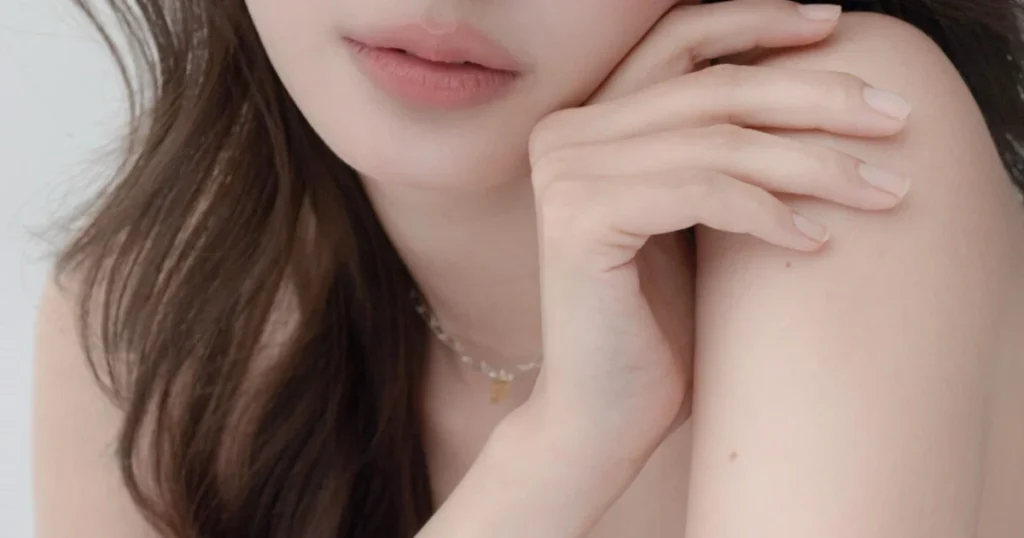

Japanese actress Rio Uchida has recently become the center of a heated aesthetic debate across East Asian social media platforms following the release of images showcasing a dramatic shift in her makeup styling. The 32-year-old actress, widely recognized for her roles in prominent television dramas and her extensive modeling career, surprised fans and netizens alike when she transitioned from her signature Japanese "natural-chic" look to a more structured, "Korean-style" aesthetic. This transformation, documented in a series of viral posts, has ignited a broader conversation regarding the distinct beauty standards of Japan and South Korea and how these regional preferences influence the public perception of celebrity identity.
The Catalyst: A Viral Comparison on Theqoo
The discussion reached a boiling point following a post on the popular Korean online community, theqoo. The post featured side-by-side comparisons of Uchida’s traditional styling—often characterized by soft, dewy skin and minimal eye makeup—against her new look, which incorporates hallmarks of the contemporary K-beauty movement. The images quickly spread to other platforms, including Instagram and X (formerly Twitter), garnering thousands of comments within hours.
Uchida, who has built a successful career in Japan since her debut in the early 2010s, is known for her versatile acting and her role as a regular model for the fashion magazine More. Because her image has been relatively consistent for over a decade, the sudden shift in her visual presentation served as a significant shock to her long-term followers. The transformation was not merely a change in color palette but a fundamental restructuring of her facial features through cosmetic techniques, leading many netizens to claim they did not recognize the actress at first glance.
Technical Breakdown: J-Beauty vs. K-Beauty Aesthetics
To understand why the reaction was so divided, it is necessary to analyze the technical differences between the two makeup styles applied to Uchida.
The Traditional Japanese Look (J-Beauty)
Uchida’s "usual" look aligns with the "Igari" or "natural" Japanese aesthetic. This style prioritizes a "raw" skin texture, often using light-coverage foundations that allow natural freckles or skin nuances to show through. A key feature is the "me-no-shita-chiiku" (under-eye blush), where blush is applied high on the cheekbones to create a youthful, slightly flushed appearance. Eyebrows are typically kept in their natural shape, often slightly arched or feathered, and eye makeup focuses on sheer washes of color to enhance the natural shape of the eye rather than redefine it.
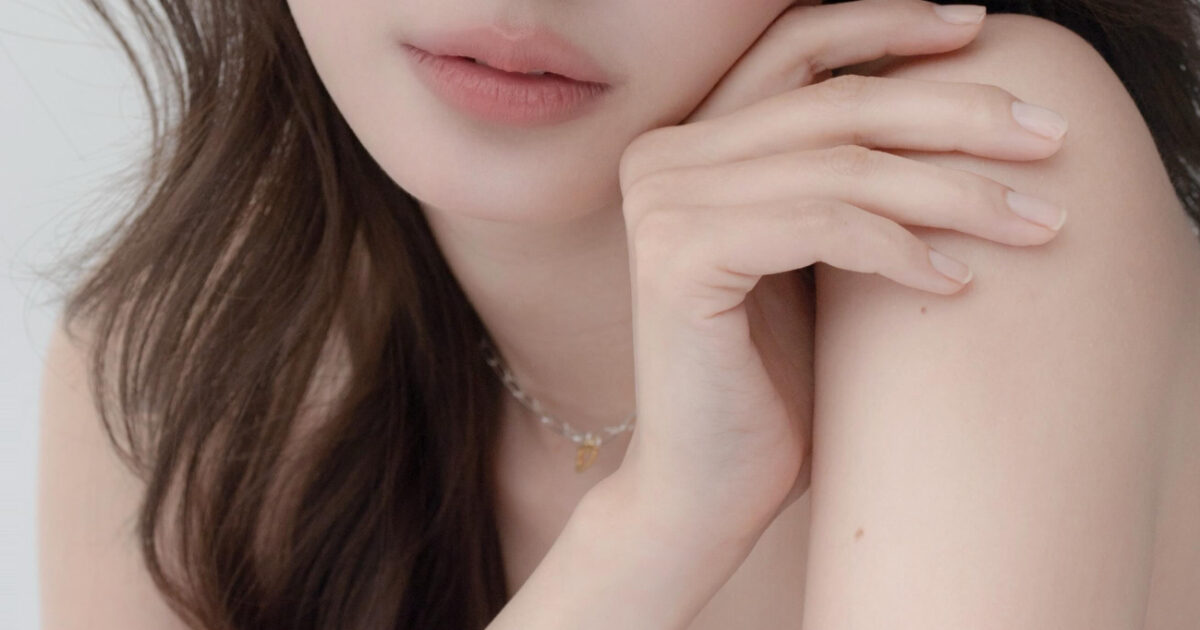
The Korean-Style Transformation (K-Beauty)
In contrast, the "Korean-style" look applied to Uchida utilizes the "Glass Skin" or "Chok-chok" foundation technique, creating a flawless, porcelain-like finish with high-coverage yet luminous products. The eyebrows were reshaped into the "straight brow" (ilja-nunseop) style, which is a staple in South Korea for achieving a younger, more innocent look. The eye makeup involved the prominent use of "aegyo-sal" (under-eye fat) contouring, which uses highlights and shadows to create a smiling effect, along with more defined eyeliner and gradient lips.
Netizen Sentiment and Public Reaction
The reaction among Korean netizens was particularly noteworthy, as they viewed a Japanese star through the lens of their own cultural aesthetic. The comments on theqoo and other forums fell into three primary categories.
Support for the Korean Transformation
A significant portion of commenters praised the transformation, arguing that the Korean style highlighted Uchida’s features more effectively. Proponents of this view suggested that the K-beauty look made her appear "softer," "more refined," and "modern." One viral comment stated, "She looks like a top-tier K-Pop idol now. The makeup brings out a glow that I never noticed before." Many felt that the precision of Korean makeup techniques provided a more "polished" appearance suitable for high-profile international visibility.
Preference for the Original Japanese Aesthetic
Conversely, a large segment of the audience felt that the transformation stripped Uchida of her unique charm. These critics argued that while the Korean makeup was technically beautiful, it made her look "generic" or "like everyone else." In the Japanese entertainment industry, "individuality" and "atmosphere" (funiki) are often valued over standardized perfection. "She is beautiful either way, but her Japanese styling makes her stand out as Rio Uchida," one netizen remarked. "In the Korean style, she just looks like any other pretty influencer."
The "Versatility" Perspective
A third group of observers took a more neutral stance, celebrating Uchida’s ability to pull off diverse looks. This group argued that the ability to completely change one’s "aura" through makeup is a testament to the actress’s visual range. They noted that for an actress, the ability to disappear into a different aesthetic is a professional asset rather than a loss of identity.
Contextualizing the Hallyu Influence in Japan
The transformation of Rio Uchida does not exist in a vacuum. It is part of a larger, ongoing trend known as the "Fourth Hallyu Wave" in Japan. Over the past several years, South Korean beauty, fashion, and entertainment have exerted a massive influence on Japanese youth culture.

Statistical data from the Japan Cosmetic Industry Association and various trade reports indicate that South Korea has overtaken France as the top exporter of cosmetics to Japan. This shift is driven by the popularity of K-Dramas and K-Pop, where idols and actors serve as the primary trendsetters for Japanese consumers. It is now common for Japanese celebrities to collaborate with Korean makeup artists or adopt K-beauty trends to appeal to a younger, more "globalized" demographic.
Other Japanese stars, such as Nana Komatsu and former IZ*ONE member Sakura Miyawaki, have also undergone similar aesthetic transitions. Miyawaki, in particular, became a case study in the power of "K-Makeup" when she debuted in South Korea, with many noting that the change in her styling significantly boosted her international popularity.
Chronology of the Aesthetic Shift
The timeline of Uchida’s visual evolution suggests a deliberate experimentation with her public image:
- Early Career (2010–2018): Uchida maintained a classic Japanese "gravure" and "fashion model" look, characterized by heavy bangs, natural skin, and matte lips.
- The "Natural" Transition (2019–2022): As she moved into more serious acting roles, her makeup became even more minimal, focusing on a "no-makeup" makeup look that emphasized her maturity.
- The Korean-Style Debut (2024): Uchida began posting photos on social media that featured more structured eye makeup and gradient lip tints. This culminated in the recent professional photo shoots that went viral, where she fully embraced the K-beauty aesthetic.
Broader Implications for the Beauty Industry
The divided reaction to Rio Uchida’s transformation highlights the shifting landscape of beauty in East Asia. For decades, Japan was the primary exporter of beauty trends to its neighbors. However, the rise of "K-Beauty" as a global standard has created a fascinating cultural exchange where Japanese stars are now looking westward—to Seoul—for inspiration.
From a sociological perspective, this debate reflects the tension between "standardized beauty" and "individual character." The Korean style is often criticized for its perceived uniformity but praised for its technical perfection and "camera-ready" results. The Japanese style is praised for its "naturalness" but can sometimes be viewed as dated or less "impactful" in a digital-first world.
For brands and marketers, the Uchida "transformation" serves as a valuable case study. It demonstrates that while the "Korean look" is highly aspirational and can generate significant online engagement, there remains a deep-seated appreciation for regional identities.
Conclusion: The Subjectivity of Beauty
Ultimately, the divided reactions to Rio Uchida’s makeup transformation underscore the subjective nature of beauty. While some see the Korean-style makeup as an upgrade that enhances her natural features, others view it as an unnecessary mask that hides her unique Japanese charm.
As Uchida continues to navigate her career in an increasingly interconnected Asian entertainment market, her willingness to experiment with different cultural aesthetics may well be her greatest strength. Whether she chooses to return to her original styling or continue exploring the "Korean look," she has successfully sparked a conversation that transcends mere cosmetics, touching on the very heart of how identity is constructed and perceived in the modern age.
As of the latest reports, Uchida has not issued a formal statement regarding the viral debate, but her social media activity suggests she is continuing to embrace a variety of styles, proving that in the world of high fashion and entertainment, the only constant is change.