

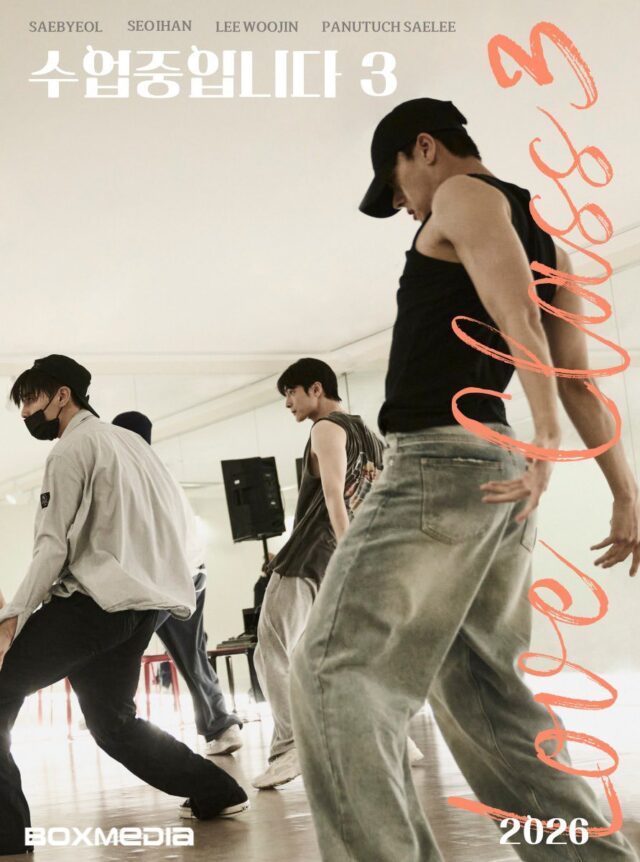
The announcement and subsequent teaser release for Love Class 3, the latest installment in the popular South Korean Boys’ Love (BL) franchise, has ignited significant discourse across global social media platforms. While the series follows the established brand of its predecessors, this third season introduces a narrative pivot that strikes a chord with the contemporary K-pop landscape: the story of trainees navigating the high-stakes environment of an idol survival show while developing romantic feelings for one another. This premise, while fictional, has led fans and industry observers to draw parallels between the scripted drama and several high-profile real-life instances of idol chemistry and survival show dynamics.
The Evolution of the Love Class Franchise and Its New Direction
The Love Class series has been a steady contributor to the burgeoning K-BL genre, which has seen exponential growth since 2022. The first season focused on the tentative steps of university students, while the second season expanded the scope of interpersonal relationships within a campus setting. Love Class 3, however, marks a departure by entering the "idol-verse," a sub-genre of BL that explores the internal lives of K-pop stars and trainees.
The teaser reveals a setting familiar to any fan of modern music competitions: practice rooms, grueling choreography sessions, and the psychological pressure of rankings. The plot reportedly centers on trainees who are not only competing for a spot in a final debut group but are also entangled in a competitive survival program where their every move is monitored by cameras. This meta-narrative—a drama about a survival show—has provided a fertile ground for fans to project real-world experiences onto the upcoming series.
Historical Context: The Rise of Survival Shows as a Cultural Phenomenon
To understand why Love Class 3 has generated such specific speculation, one must look at the dominance of survival shows in the Asian music industry over the last decade. Programs such as Mnet’s Produce 101 series, Girls Planet 999, and most recently, Boys Planet, have redefined how K-pop groups are formed. These shows rely heavily on "narrative editing," where the friendships and rivalries between contestants are highlighted to garner viewer votes.

In many cases, the bond between two high-ranking contestants becomes a central "plot point" for the audience. This phenomenon, often referred to as "shipping" within fandom culture, involves fans supporting the emotional connection between two individuals. When Love Class 3 announced a plot involving groupmates falling in love during a survival show, the online community immediately pointed to several real-life pairings whose trajectories mirrored this narrative.
The Haobin Comparison: Art Imitating Boys Planet
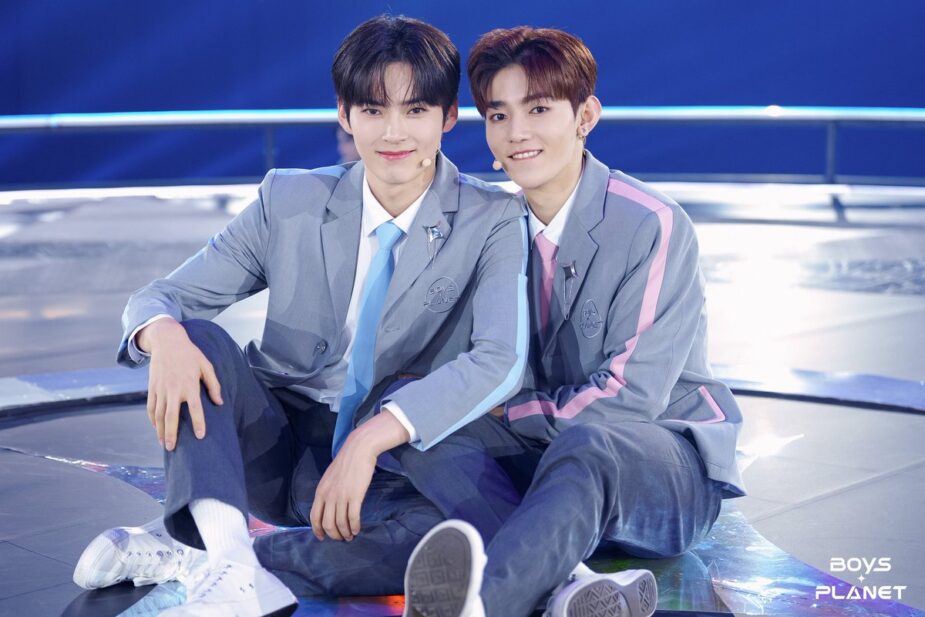
The most prominent comparison drawn by fans involves Sung Hanbin and Zhang Hao, members of the globally successful group ZEROBASEONE. The duo, collectively known by the portmanteau "Haobin," rose to fame during the 2023 survival show Boys Planet. Their journey was marked by a consistent display of mutual support, shared leadership, and a visible emotional bond that resonated with millions of viewers.
The parallels identified by fans are numerous. In Boys Planet, Sung Hanbin and Zhang Hao occupied the top two spots (P01 and P02) for much of the competition, eventually debuting together as the center and the leading members of ZEROBASEONE. The narrative of "rivals-to-partners" or "co-competitors turned close confidants" is a cornerstone of the Love Class 3 premise. Social media users have noted that the drama’s focus on trainees competing in the same group while navigating romantic tension feels like a scripted reflection of the intense chemistry observed during the Boys Planet broadcast. While ZEROBASEONE operates as a professional idol group, the emotional weight of their survival show journey provided a "real-world" template for the tropes now being utilized in the BL drama.
The DaouOffroad Blueprint: From Reality Competition to BL Stars
While the Haobin comparison remains within the realm of fan speculation and shipping, the Thai entertainment industry provides a more concrete example of the survival-show-to-BL-drama pipeline. Daou Pittaya and Offroad Kantapon, who are also being cited in discussions surrounding Love Class 3, followed a path that almost exactly matches the drama’s reported plot.
Daou and Offroad competed in the Thai survival show LAZ iCON in 2021. Throughout the competition, Daou was noted for his protective and supportive attitude toward Offroad, assisting him with dance routines and vocal practice. Both successfully debuted in the five-member group LAZ1. Following the group’s planned disbandment in early 2023, the two transitioned into acting as a "fixed couple" in the BL series Love in Translation.
This real-world transition—from survival show contestants to groupmates to romantic leads in a scripted series—has led many to view Love Class 3 as an exploration of a very real industry trend. The "DaouOffroad" story is often cited as the gold standard for how professional camaraderie in a survival show can evolve into a long-term partnership in the entertainment world, whether that partnership is strictly professional, artistic, or personal.
Supporting Data: The Commercial Viability of the Idol-BL Crossover
The decision to center Love Class 3 on K-pop trainees is backed by significant market data. The intersection of K-pop fandom and BL viewership is one of the most lucrative demographics in current media. According to industry reports, the "Idol BL" sub-genre has a higher-than-average engagement rate on streaming platforms like Viki and GagaOOLala.
Previous successful examples include:
- Semantic Error (2022): Starring Park Seoham (former KNK) and Jaechan (DKZ). This series is credited with mainstreaming the K-BL genre and significantly boosting the musical career of DKZ.
- The Shoulder to Cry On (2023): Starring members of the group OMEGA X, which utilized the existing chemistry between groupmates to drive viewership.
By using the "survival show" trope, Love Class 3 is tapping into a pre-existing emotional language understood by K-pop fans. The concepts of "center positions," "evil editing," and "debut pressure" are already part of the audience’s lexicon, making the drama instantly relatable to a global audience.
Implications for the K-pop and Television Industries
The production of Love Class 3 and the subsequent fan reaction highlight a shifting boundary between reality and fiction in the idol industry. For years, the K-pop industry has utilized "fan service"—intentional displays of affection between group members—to build fan loyalty. However, the rise of BL dramas starring active or former idols suggests a more formalized approach to this dynamic.
- Brand Expansion for Idols: For trainees or idols from smaller agencies, appearing in a BL drama like Love Class 3 provides a platform to showcase acting skills and build a dedicated solo fanbase that may follow them to their musical careers.
- De-stigmatization: The continued release of such content, even if fictional, contributes to a broader conversation regarding the representation of LGBTQ+ themes within the traditionally conservative K-pop industry.
- Narrative Recycling: The fact that fans can so easily point to real-life examples like NCT WISH or ENHYPEN (groups formed through survival shows like LASTART and I-LAND) suggests that the "survival show" experience has become a modern epic—a story of struggle, triumph, and brotherhood that is now being romanticized for scripted television.
Official Responses and Production Outlook
At present, the production team behind Love Class 3 has not officially stated that the series is based on any specific real-life idols or groups. In professional journalistic terms, the similarities are currently classified as "thematic parallels" rather than a direct biographical adaptation. Writers often draw from the general atmosphere of the idol industry to create a sense of realism, and the survival show format provides natural conflict and high stakes necessary for a compelling drama.
Fans remain divided between those who enjoy the "meta" nature of the plot and those who worry about the pressures such narratives might place on real-life idols. Nevertheless, the buzz generated by these comparisons has ensured that Love Class 3 is one of the most anticipated digital releases of the year.
Conclusion
Love Class 3 represents more than just the next chapter in a popular drama series; it is a reflection of the current zeitgeist in Asian entertainment. By merging the high-octane world of survival shows with the intimate storytelling of the BL genre, the creators have tapped into a powerful cultural narrative. Whether the show draws direct inspiration from the likes of Sung Hanbin and Zhang Hao or the trailblazing path of Daou and Offroad, it acknowledges a fundamental truth of modern fandom: the most compelling stories are those where the lines between the stage and the heart are blurred. As the series approaches its premiere, the industry will be watching closely to see if this scripted "survival show" can capture the same lightning in a bottle that real-life competitions have for years.