
The intersection of digital fan-communication platforms and celebrity privacy has once again drawn intense public scrutiny following an exchange between TWICE member Chaeyoung and an online user. On a paid fan-messaging service, the K-pop artist confronted a malicious comment criticizing her tattoos. Rather than ignoring the provocation or allowing standard industry handlers to manage the interaction, Chaeyoung elected to address the remark directly, shedding light on the personal significance of her body art while simultaneously exposing the paradoxical nature of toxic behavior within subscription-based idol networks.
The incident highlights a broader, ongoing discussion regarding the boundaries of parasocial relationships, the financial mechanics of modern K-pop fan culture, and the psychological toll of persistent cyber harassment faced by prominent public figures.
Anatomy of the Incident
The confrontation occurred during a routine interactive session on a dedicated artist-to-fan mobile application. These platforms are typically designed to foster positive, direct communication between K-pop idols and their supporters, who pay a recurring monthly subscription fee to receive and send messages.
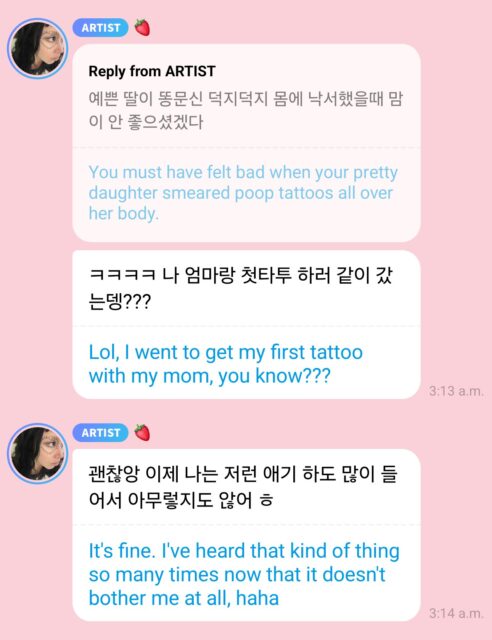
During the live chat session, an individual transmitted a derogatory comment targeting Chaeyoung’s extensive collection of tattoos, asserting that her mother must be deeply disappointed by her body art, which the user disparagingly labeled as "shitty." In the digital ecosystem of South Korean entertainment, where public figures are frequently expected to maintain pristine, unblemished public personas and ignore provocations, such remarks are commonplace.
However, Chaeyoung chose a different approach. Instead of letting the comment dissolve into the background noise of the chat feed, she brought the remark to the attention of her broader audience. She directly challenged the validity of the statement by revealing a poignant personal detail: she had visited a tattoo studio with her mother to receive her very first piece of body art. By grounding her response in a shared family experience, Chaeyoung neutralized the insult, transforming a malicious attack into an affirmation of familial support.

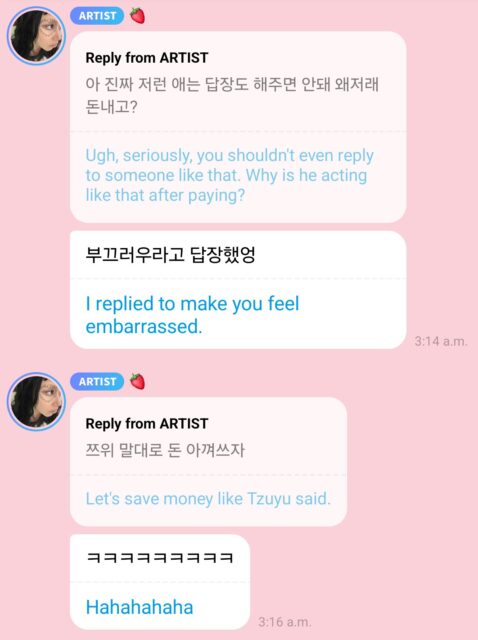
Following the exchange, when fans expressed concern that she was being subjected to such negativity on a platform meant for positive engagement, Chaeyoung offered reassurance. She noted that she has grown accustomed to dealing with unsolicited, mindless commentary throughout her career. Furthermore, she explicitly stated that her decision to reply to the hateful message was calculated to induce public embarrassment for the sender, effectively turning the spotlight back onto the anonymous troll.
Chronology and Immediate Aftermath
The digital exchange unfolded rapidly through screenshots shared by fans, quickly spilling over onto major social media platforms such as X (formerly Twitter) and various online community forums.
- Initial Transmission: The subscriber transmitted the derogatory comment regarding Chaeyoung’s tattoos over the paid messaging platform.
- Direct Confrontation: Chaeyoung captured and addressed the message, publishing a direct reply that cited her mother’s involvement in her first tattooing experience.
- Fan Reassurance: Recognizing the distress among her fanbase, Chaeyoung followed up with additional messages clarifying that she was unfazed by the remark and deliberately sought to embarrass the perpetrator.
- Viral Amplification: Within hours, international and domestic fan communities disseminated translations of the conversation, generating widespread discussion across global social media networks.
The swift documentation and sharing of the interaction by supporters transformed a localized digital altercation into a viral news event within the global K-pop community.

Financial and Ethical Paradox of Subscription-Based Hate
One of the most heavily scrutinized aspects of the incident—frequently highlighted by bewildered fans and digital culture analysts alike—was the financial mechanism that enabled the harassment. Subscription-based platforms like the one utilized in this event require users to pay real currency to acquire communication credits or monthly passes.
This economic barrier is ostensibly implemented by platform developers to filter out bad actors, reduce spam, and cultivate a safer, higher-quality environment for both artists and fans. The underlying logic assumes that individuals investing financial resources into a service will adhere to community guidelines and respect the artists they claim to support.
The fact that an individual chose to allocate personal funds specifically to transmit abuse underscores a deeply entrenched psychological phenomenon within modern fandoms: adversarial parasocial engagement. Industry observers and psychologists note that the anonymity provided by digital interfaces, combined with a distorted sense of entitlement fostered by direct-access apps, can embolden malicious actors to cross social and ethical boundaries. By paying for access, these trolls rationalize a warped sense of proximity to the celebrity, mistakenly believing that financial contribution grants them license to dictate personal choices, aesthetics, or moral standards.
Broader Industry Context and Precedent
Chaeyoung’s unapologetic stance did not occur in a vacuum. Throughout her career as a member of TWICE—one of the most successful and globally recognized girl groups managed by JYP Entertainment—she has navigated intense public scrutiny. Over the years, the group has faced invasive media attention, stalking incidents, and relentless cyberbullying campaigns.
Industry veterans who have weathered extensive public pressure often develop robust psychological resilience against online vitriol. Commentators across social media platforms quickly pointed out that Chaeyoung’s refusal to cower before online detractors stems from years of enduring some of the most aggressive hate trains in contemporary K-pop history. Her refusal to adopt a passive stance marks a noticeable shift in how third- and fourth-generation idols choose to manage public boundary violations.
Historically, major entertainment agencies in South Korea have advised their artists to maintain silence in the face of malicious comments, relying instead on legal teams to issue warnings or pursue defamation lawsuits. While legal recourse remains a primary tool for combating severe cyberbullying, the direct, public refutation employed by Chaeyoung offers an immediate psychological counter-offensive. By calling out bad actors in real-time, artists reclaim narrative control and strip anonymity of its protective shield.
Implications for Digital Safety and Fan-Idol Boundaries
The incident involving Chaeyoung and her tattoos serves as a case study for the evolving dynamics of digital celebrity culture. Several key implications emerge from this event:
- Platform Accountability: Software developers and entertainment conglomerates operating direct-messaging applications face mounting pressure to refine their content moderation systems. The exploitation of paid subscription models for harassment signals a failure in current filtering mechanisms, necessitating stricter identity verification and automated profanity or toxicity detection.
- Shifting Power Dynamics: The traditional paradigm of the silent, enduring idol is increasingly being challenged. Artists are demonstrating a willingness to publicly address toxic behavior, signaling to their fanbases that unwarranted intrusion and abuse will not pass entirely without consequence.
- The Normalization of Autonomy: Chaeyoung’s defense of her tattoos—reaffirming her personal agency and the supportive stance of her family—reinforces the right of public figures to control their own bodies and artistic expressions. Body modification, long a taboo subject within certain conservative segments of the South Korean entertainment market, continues to find greater acceptance as prominent artists normalize individual choice.
As digital communication platforms continue to bridge the gap between celebrities and the global public, incidents of this nature highlight the ongoing friction between accessibility and accountability. Chaeyoung’s resolute response stands as a reminder that while public figures invite visibility, they retain the fundamental right to defend their personal dignity against unwarranted intrusion.