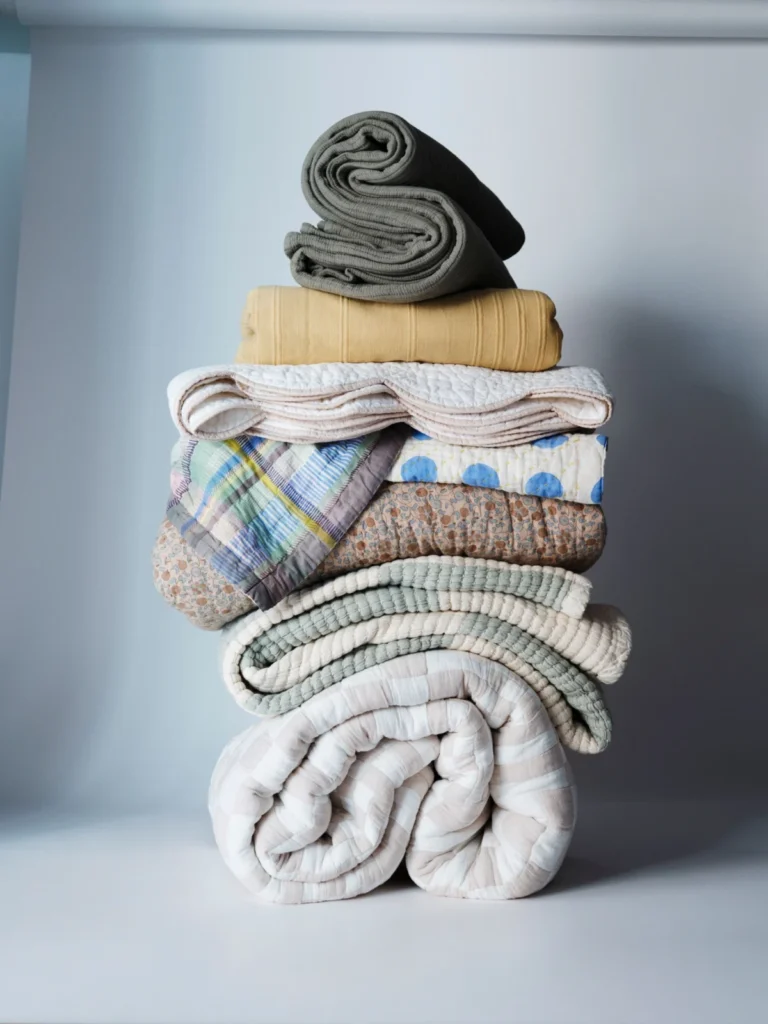

The art of the layered bed has become a cornerstone of contemporary interior design, moving away from the singular, bulky comforter toward a more dynamic, seasonal approach to sleep comfort. Architectural Digest editors have spent the last twelve months evaluating a diverse range of textiles, from European linen to bamboo viscose, to determine which pieces offer the best balance of aesthetic appeal, durability, and thermoregulation. As modern sleep habits shift toward "all-season" bedding, the traditional quilt and coverlet have seen a resurgence in popularity, serving as essential components that bridge the gap between heavy winter insulation and light summer breathability.
The Evolution of the Modern Bedscape
For decades, the standard American bedroom relied on the comforter set—a pre-packaged, often synthetic solution that offered little in the way of customization. However, industry trends indicate a significant shift toward the "layered look," heavily influenced by the rise of boutique countryside inns and restored historical homes featured in design media. This aesthetic emphasizes texture—overshot weaves, kantha stitching, and matelassé patterns—which not only adds visual depth to a room but also allows for functional temperature control.

Data from the home textile industry suggests that consumer preference is increasingly leaning toward natural fibers. Linen, which accounts for a growing share of the premium bedding market, is prized for its high moisture-wicking capabilities and its ability to age gracefully. Similarly, organic cotton has become the gold standard for consumers seeking non-toxic, sustainable options that hold up under the rigors of frequent machine washing.
Editor-Vetted Selections: A Technical Breakdown
Following a rigorous testing period, our panel identified several standouts that exemplify the best in current textile manufacturing. Each selection was subjected to a minimum of one month of daily use, followed by standardized laundry testing to assess pilling, shrinkage, and structural integrity.
The Quince European Linen Quilt has emerged as a top contender for those seeking the traditional "weight" of a comforter without the heat-trapping properties of down. By utilizing a polyester fill, this piece achieves a loft that mimics a traditional duvet, providing a sense of security and comfort. Its construction from European flax ensures a tactile softness that improves with age, effectively eliminating the "new fabric" starchiness often found in mass-market linens.

For those prioritizing a minimalist, airy aesthetic, the Morrow Emmanuella Coverlet provides a sophisticated solution. Utilizing a waffle-weave texture, this cotton piece excels in the summer months when used as a primary layer. While some testers noted its lighter weight, its primary value lies in its breathability. In testing, it proved to be an ideal candidate for monochromatic bedscapes, fitting perfectly with a "less is more" design philosophy that eschews an abundance of decorative throw pillows in favor of a single, functional bolster.
The Dusen Dusen Check Bedding collection represents a departure from neutral palettes, focusing on bold, graphic motifs. Beyond its visual impact, the product’s construction—which involves a gauzy cotton that softens significantly after its first cycle in the wash—demonstrates the viability of patterned bedding as a long-term staple rather than a seasonal novelty.
For the environmentally conscious consumer, the Coyuchi Blossom Organic Quilt serves as a benchmark for hand-stitched craftsmanship. This piece bridges the aesthetic gap between cottagecore and modern farmhouse styles. Its reversible nature—floral on one side, pinstripe on the other—provides dual functionality, and its breathable organic cotton makes it versatile enough for use as a sofa throw or a primary bedroom layer.
.jpeg)
Technical Performance and Material Analysis
The testing process was designed to address the specific needs of different sleepers, focusing on four primary metrics: hand-feel, breathability, durability, and maintenance.
- Hand-Feel and Craftsmanship: Evaluators assessed the initial tactile quality, noting that pre-washed or stone-washed textiles consistently outperformed others in initial comfort. Pilling was identified as a key indicator of future durability; textiles that exhibited pilling within the first two weeks were generally downgraded.
- Thermal Regulation: Breathability was tested by measuring the degree of heat retention overnight. Natural fibers, particularly cotton and linen, consistently allowed for better airflow compared to synthetic blends. The Luxome Lightweight Blanket, a bamboo viscose product, proved to be an outlier in this category, offering a "silky" texture that provided surprising warmth in winter without causing overheating, thanks to the natural properties of bamboo.
- Maintenance and Longevity: A critical requirement for the selection was machine washability. Products that required specialized cleaning were excluded from the final list, as the current market trend heavily favors convenience. The ability of a quilt to retain its shape after repeated laundering—without losing stitching or structural integrity—was the deciding factor for many of our top recommendations.
- Versatility: The "all-season" capability of these items was measured by how easily they could be integrated into a layering system. A good quilt, by our definition, acts as a bridge: on its own in the summer, or as an added layer over a duvet during the winter months.
Market Implications and Future Trends
The move toward high-quality, singular pieces—rather than complete, disposable bedding sets—reflects a broader shift in consumer behavior toward investment-grade home goods. According to recent market analysis, homeowners are increasingly willing to pay a premium for products that offer modularity. By investing in a high-quality quilt, a consumer can essentially manage their sleep environment year-round, adding or removing layers as the seasons change, rather than performing a complete bedding overhaul every quarter.
Furthermore, the emphasis on machine-washable natural fibers suggests that the industry is responding to a more "active" lifestyle. Consumers want products that can survive a household with pets or children while still maintaining the refined aesthetic of a high-end hotel room.

Conclusion: Finding the Right Fit
Selecting the appropriate coverlet is an inherently subjective task, as individual thermal needs and aesthetic preferences vary widely. However, the data gathered by our editorial team indicates that the most successful bedscapes are those that prioritize natural materials and thoughtful construction. Whether opting for the graphic, bold patterns of a modern check or the understated elegance of a hand-stitched matelassé, the focus should remain on durability and long-term comfort.
As the industry continues to evolve, the "no off-season" philosophy—whereby a few high-quality, versatile pieces remain on the bed year-round—appears to be the most sustainable and practical approach to modern sleep. By focusing on materials that breathe, wash well, and provide the desired amount of physical weight, sleepers can create a comfortable, functional, and visually appealing environment that transcends seasonal trends. The items listed here represent the current standard for these qualities, having been vetted by those who prioritize both form and function in the most intimate room of the home.