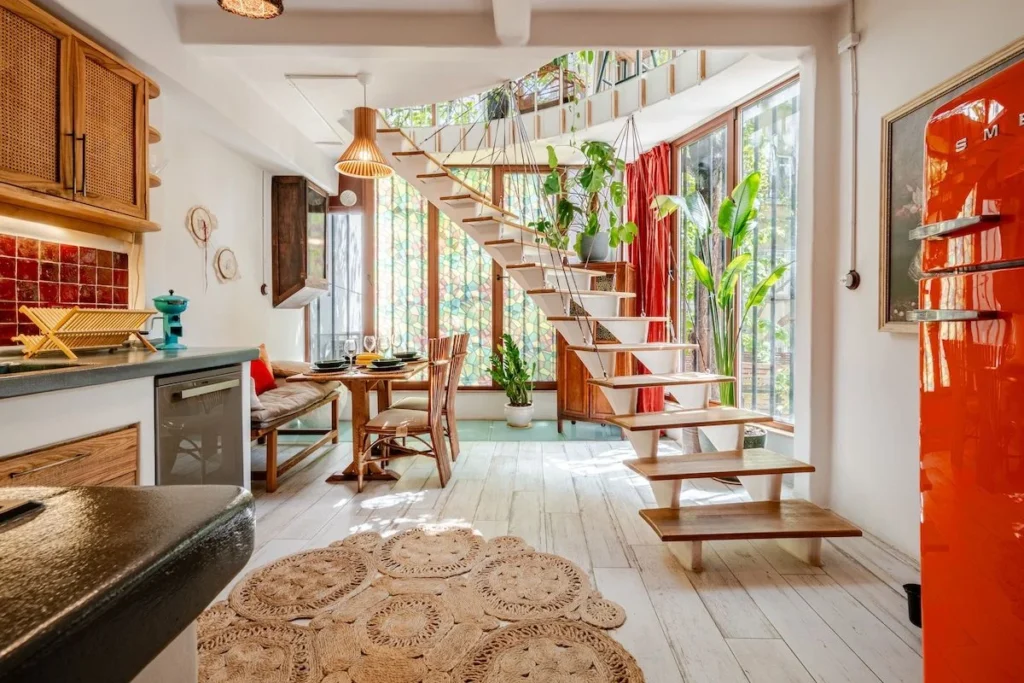

Istanbul’s tourism sector has undergone a significant transformation over the last decade, evolving from a destination primarily known for its grand hotels into a vibrant landscape of boutique, design-led short-term rentals. As the city continues to draw record-breaking numbers of international visitors—surpassing 17 million arrivals in 2023—the demand for accommodations that offer more than just a place to sleep has surged. Today’s travelers are increasingly seeking "layered" experiences: spaces that reflect the city’s complex history, from its Byzantine and Ottoman bones to its contemporary status as a global hub for art and fashion. This shift is particularly evident in neighborhoods like Galata, Beyoğlu, and the Old Town, where historic residential buildings are being meticulously restored to serve as high-end rentals that prioritize architectural integrity and local character.
The Evolution of the Istanbul Rental Market
The rise of high-end short-term rentals in Istanbul is not merely a trend in hospitality but a reflection of the city’s broader urban renewal. For decades, the district of Beyoğlu, particularly the area surrounding Galata Tower, served as the cosmopolitan heart of the city, housing embassies and affluent families during the late 19th century. After a period of decline in the mid-20th century, the neighborhood has seen a massive influx of investment. The restoration of buildings dating back to the reign of Sultan Abdulhamid II (1876–1909) has allowed for the preservation of hand-painted frescoes, original timber beams, and exposed brickwork, all of which are now major selling points for design-conscious tourists.
Furthermore, the Turkish government’s implementation of the "Regulation on the Rental of Residential Properties for Tourism Purposes," which came into effect on January 1, 2024, has professionalized the market. This law requires hosts to obtain official licenses and adhere to strict safety and quality standards, effectively filtering out lower-quality offerings and elevating the remaining portfolio of luxury and boutique stays.
Curated Historic Stays in Galata and Beyoğlu
Galata remains the epicenter of Istanbul’s design scene, characterized by its narrow cobblestone streets and Genoese architecture. Within this district, several properties stand out for their ability to blend historical preservation with modern aesthetics.
The Bohemian Loft
Located in a building commissioned during the late 19th century, this three-bedroom loft represents the "Sultanic Era" of architecture. The space is defined by its 1890s origins, featuring soaring ceilings and original exposed brick. The design language here is one of contrast: historic architectural shells are filled with bold, modernist color palettes, such as forest-green millwork and lime-green appliances. With a starting price of $205 per night, it caters to the "creative class" of travelers who value art-adorned walls and open-plan living.
The Historical Gem (Urgliavich Building)
Perhaps the most architecturally significant entry in the city’s rental portfolio is located within the Urgliavich Building. Designed by Antoine Urgliavich, a 19th-century manufacturer of optical lenses, the building was intended to facilitate the study of the stars. The apartment retains its "jewel-box" atmosphere, featuring Murano chandeliers and ruby-red tiling. Its most prominent feature is a wrought-iron balcony positioned directly adjacent to the Galata Tower, offering a rare perspective of one of the city’s most iconic landmarks. At $413 per night, it represents the premium tier of the historic rental market.
Brick Loft and Heritage Spaces
For those seeking the "industrial romance" of old Istanbul, the fourth-floor Brick Loft in Galata offers a preservation-first approach. It features an original spiral staircase dating to 1876 and timber beams that have been left exposed to showcase the building’s 19th-century structural integrity. Similarly, the Galata Tower Heritage Loft utilizes massive windows to frame the neighborhood’s minarets, bridging the gap between the interior sanctuary and the bustling city outside.
Modernism and Biophilic Design in the Creative Quarters
While history is a primary draw, a new wave of rentals is focusing on contemporary design trends, specifically biophilic design and Nordic minimalism, to provide a "soft landing" for travelers.
The Boheme and the Private Garden House
In a city as densely populated as Istanbul, private green space is a luxury. "The Boheme" focuses on biophilic principles, integrating dozens of Mediterranean plants, rattan textures, and a free-standing wood tub to create a retreat-like atmosphere. In Beyoğlu, the Private Garden House expands on this by offering a multi-level outdoor oasis. These properties reflect a growing desire for "wellness-oriented" travel, where the accommodation serves as a sanctuary from the sensory intensity of the Grand Bazaar and Istiklal Avenue.
Old Town Style
In the Fatih district, or "Old Town," the design narrative usually leans toward the traditional. However, the "Old Town Style" stone house breaks this mold by adopting a Nordic-modern aesthetic. By utilizing clean lines, polished wood, and a restrained color palette, the property offers a stark, calming contrast to the ancient Byzantine and Ottoman structures that surround it, such as the Süleymaniye Mosque.
Economic and Social Implications of Luxury Stays
The proliferation of these high-end rentals has a measurable impact on the local economy. According to data from the Turkish Ministry of Culture and Tourism, high-spending tourists—those who opt for boutique stays and luxury rentals—contribute significantly more to the local economy than traditional package tourists. These visitors are more likely to frequent independent espresso bars, artisanal carpet shops, and contemporary art galleries, thereby supporting the "creative economy" of neighborhoods like Karaköy and Çukurcuma.
However, the rise of these properties also sparks debate regarding gentrification. As historic buildings are converted into luxury lofts, the cost of living in central districts has risen. Analysts suggest that the new 2024 regulations may help balance this by limiting the number of short-term rentals allowed in a single building, potentially preserving some housing stock for long-term residents while ensuring that the tourism sector remains high-quality and sustainable.
Strategic Perks and Traveler Amenities
To compete with five-star hotels, these design-forward Airbnbs have shifted toward offering comprehensive "hotel-like" perks. The modern traveler now expects:
- Connectivity and Workspace: Almost all high-end rentals now include dedicated office spaces and high-speed Wi-Fi to cater to the "digital nomad" demographic.
- Domestic Convenience: Full kitchens, washers, dryers, and self-check-in capabilities are standard, providing a level of autonomy that hotels cannot match.
- Curated Experiences: Many hosts now offer additional services, such as private cooking classes or professional cleaning for long-term stays, further blurring the line between a private home and a luxury resort.
Summary of Market Data and Pricing
The pricing for these design-centric stays varies based on location, history, and capacity:
- Entry-Level Luxury: $140 – $205 per night (e.g., Brick Loft, Bohemian Loft).
- Mid-Range Curated Stays: $230 – $380 per night (e.g., Galata Heritage, Private Garden House).
- High-End/Group Lofts: $410 – $715 per night (e.g., Historical Gem, Urban Loft).
The "Urban Loft," which caters to large groups with five bedrooms and an in-house bar, represents the top end of the market at $714 per night, illustrating the demand for communal, high-design spaces for multi-generational families or corporate retreats.
Future Outlook for Istanbul’s Design Stays
As Istanbul prepares for the remainder of the 2024-2025 travel seasons, the trend toward "character-driven" accommodation shows no signs of slowing. The city’s ability to offer a "layered" experience—where one can sleep under a 100-year-old fresco while utilizing high-speed fiber optics—remains its greatest competitive advantage in the global tourism market.
The ongoing restoration of the Galataport area and the continued expansion of the Istanbul Modern museum are expected to further drive demand for high-end rentals in the Beyoğlu and Galata districts. For the discerning traveler, these spaces are no longer just places to stay; they are essential components of the Istanbul narrative, offering a tangible connection to the city’s storied past and its ambitious, design-forward future.