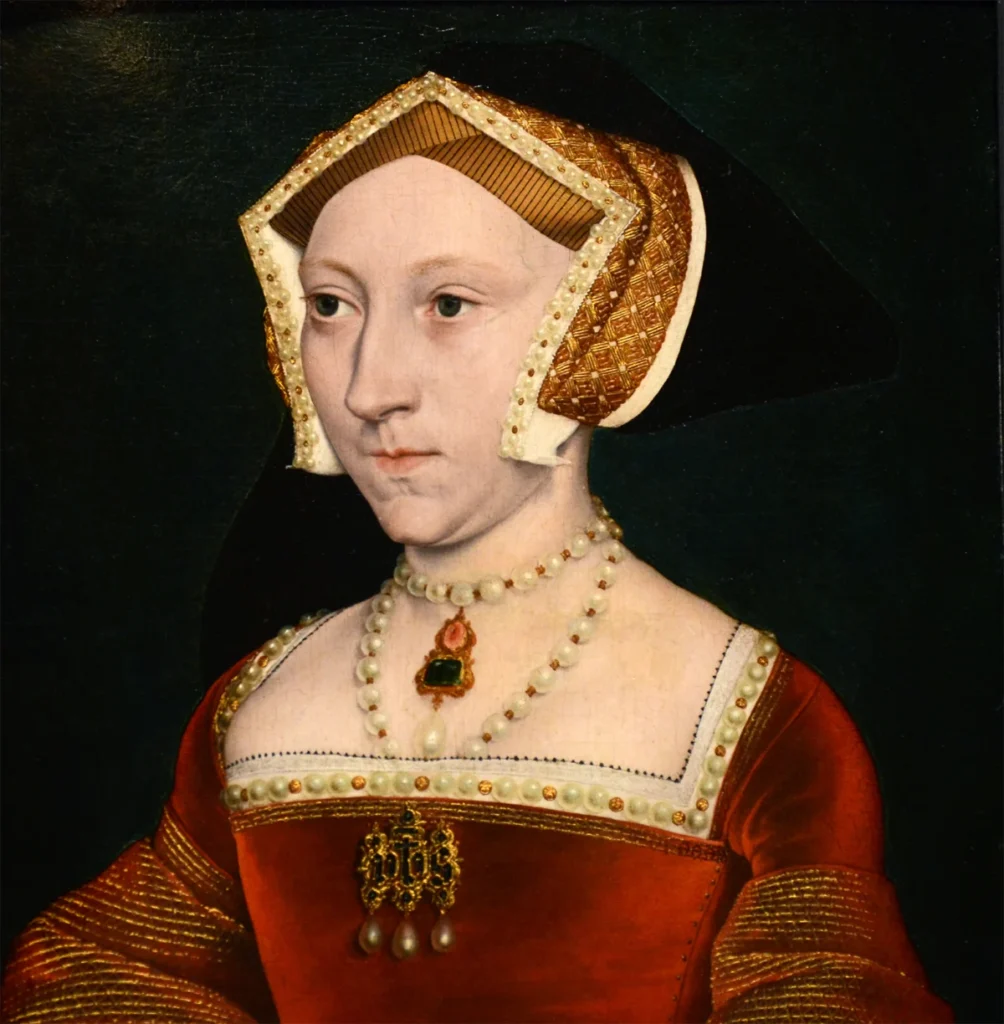

The historical narrative of the Tudor dynasty is frequently defined by the tumultuous romantic entanglements, religious upheavals, and ruthless political maneuvering of King Henry VIII. Among his six wives, Jane Seymour occupies a uniquely poignant position. She is remembered universally as the queen who successfully delivered the long-sought-after male heir, Prince Edward, yet her tenure as queen consort was remarkably brief, lasting a mere fifteen months. Her sudden and tragic death in October 1537, just days after childbirth, plunged the royal court into profound mourning and left an indelible mark on English history, while simultaneously cementing Hampton Court Palace’s reputation as one of the most haunted locations in the United Kingdom.
The Main Facts of Jane Seymour’s Rise and Fall
Jane Seymour’s ascension to the throne occurred against a backdrop of intense political and court intrigue. Born into a moderately influential landed gentry family in Wiltshire, Jane initially served as a maid of honor to Henry VIII’s first queen, Catherine of Aragon, and subsequently to his second wife, Anne Boleyn. By the year 1535, the dynamic within the royal court had shifted dramatically. Henry, increasingly frustrated by Anne Boleyn’s failure to produce a surviving male heir and growing weary of her assertive political presence, turned his affections toward the quiet, demure, and ostensibly submissive Jane.
Unlike her predecessor, Jane cultivated an image of traditional womanhood and political neutrality, adopting the personal motto "Bound to obey and serve." This calculated persona appealed greatly to a king who desired absolute domestic control. By the spring of 1536, the machinery of state was mobilized to remove Anne Boleyn. Following Anne’s arrest, swift trial, and execution on May 19, 1536, Henry wasted no time. He was formally betrothed to Jane the very next day, and the couple was married in a private ceremony on May 30, 1536, at York Place.
Despite her rapid elevation, Jane’s position was precarious. She inherited a deeply divided nation caught in the throes of the English Reformation, where the dissolution of the monasteries was sparking widespread religious unrest and rebellion, notably the Pilgrimage of Grace in the autumn of 1536. While Jane largely avoided direct political involvement, she used her nascent influence to advocate for the restoration of Henry’s estranged elder daughter, Princess Mary, to the royal succession—a testament to her pragmatic approach to family diplomacy, even if she achieved only partial reconciliation between the king and his daughter.
Chronology of the 1537 Royal Birth and Tragic Demise
The defining moment of Jane Seymour’s life—and the crux of her historical significance—unfolded in the late summer and autumn of 1537. Having conceived within a year of her marriage, Jane was subjected to extraordinary pampering and protective measures by a king desperate for a healthy prince.
- Early 1537: Queen Jane’s pregnancy is formally announced, triggering widespread jubilation and diplomatic preparations across Europe.
- September 1537: Jane retires to her private chambers at Hampton Court Palace in strict adherence to Tudor confinement protocols, preparing for the grueling and hazardous ordeal of royal childbirth.
- October 11–12, 1537: After an exceptionally long, difficult, and exhausting labor lasting more than thirty hours, Jane gives birth to a healthy baby boy in the early hours of October 12.
- October 15, 1537: Prince Edward is christened with great pomp and ceremony in the Chapel Royal at Hampton Court Palace. In accordance with strict contemporary customs, the recovering queen is absent from the public proceedings.
- October 16–23, 1537: Although initial medical reports suggest a successful delivery, Jane’s condition rapidly deteriorates. She contracts what historical records and modern medical historians identify as puerperal fever—a severe, highly contagious bacterial infection of the reproductive tract following childbirth, which was notoriously fatal in the era before antibiotics.
- October 24, 1537: Queen Jane passes away at Hampton Court Palace at approximately two o’clock in the morning, exactly twelve days after giving birth to the future King Edward VI.
Supporting Data and Medical Realities in Tudor Childbirth
To fully understand the tragedy of Jane Seymour’s death, one must examine the perilous medical landscape of sixteenth-century England. Childbirth was the single greatest domestic threat to the lives of women across all social strata, but royal births carried unique bureaucratic and physical burdens.
Historical data indicates that maternal mortality rates in the Tudor period were exceptionally high, driven primarily by postpartum infections, severe hemorrhaging, and exhaustion. Confinement practices, which required expectant mothers to seal themselves in darkened, poorly ventilated chambers for weeks before and after delivery, paradoxically increased the risk of bacterial pathogens spreading unchecked.
Furthermore, the psychological pressure placed upon Jane was quantifiable. Henry VIII had discarded two wives—divorcing Catherine of Aragon and executing Anne Boleyn—largely over the failure to provide a male heir. The survival of the Tudor dynasty hung in the balance; civil war loomed as a distinct possibility if the succession remained disputed. Jane’s delivery of Prince Edward permanently altered the geopolitical landscape of the British Isles, securing the Protestant succession through her son, albeit at the ultimate cost of her own life.
Contemporary Reactions and Official Responses
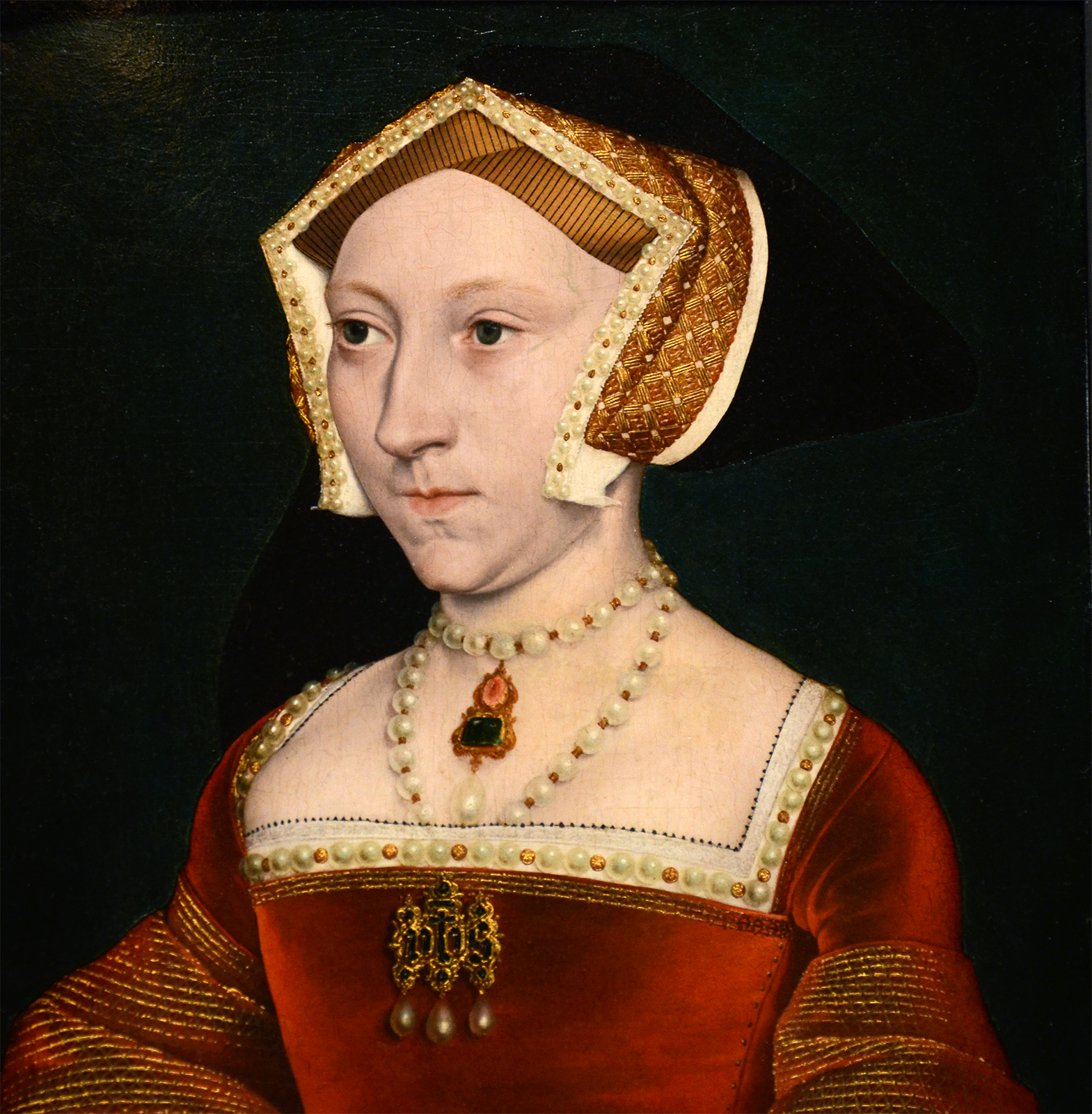
The court’s reaction to Jane Seymour’s death was immediate, widespread, and genuinely grief-stricken, setting her apart from Henry’s other consorts. Unlike the relief or indifference that sometimes accompanied royal transitions, Jane’s passing was mourned as a national catastrophe.
King Henry VIII was profoundly devastated. Contemporary foreign ambassadors reported that the king withdrew into intense seclusion, refusing to conduct state business for weeks. In an era when royal mourning was typically brief and pragmatic—often driven by the immediate need for a new political alliance—Henry bucked tradition by wearing black mourning garments for over three months. He did not remarry for nearly three years, finally entering into a politically motivated union with Anne of Cleves in January 1540.
The infant Prince Edward was immediately removed from the royal court’s immediate disease vectors and placed under the meticulous care of a specialized household staff comprising wet nurses, rockers, and governesses, led by Lady Bryan. Henry showered the infant with obsessive protection, viewing the boy as both a precious personal legacy and a fragile political anchor.
Jane’s body lay in state at Hampton Court Palace before being transported with solemn military and religious procession to St. George’s Chapel at Windsor Castle. In a poignant final instruction issued prior to his own death in 1547, Henry VIII directed that he be buried directly beside Jane Seymour, making her the only one of his six wives to share a tomb with the monarch.
Broader Impact, Historical Implications, and Modern Lore
The legacy of Jane Seymour extends far beyond the fifteen months of her tenure as queen consort. By fulfilling the primary dynastic mandate demanded of a Tudor queen, she temporarily stabilized a volatile political regime. Prince Edward’s birth ensured that Henry VIII’s lineage would continue, guiding the nation through the volatile reigns of Edward VI, Mary I, and Elizabeth I.
However, the human cost of this dynastic triumph has captured the public imagination for nearly five centuries, giving rise to enduring folklore. Hampton Court Palace, the magnificent Tudor residence where Jane gave birth and drew her final breath, is famously associated with her spectral presence. For centuries, palace staff, security personnel, and visitors have reported sightings of a pale woman—frequently referred to as the "White Lady"—clothed in a flowing grey or white gown and carrying a flickering candle.
According to long-standing local tradition, this apparition appears on the Silverstick Stairs, which lead directly to the historic birth chamber, most notably on the anniversary of Prince Edward’s birth or the date of the queen’s death. While historians and paranormal investigators naturally offer differing interpretations of these accounts, the persistence of the legend underscores the profound psychological imprint Jane Seymour left upon the historic estate.
Ultimately, Jane Seymour remains one of the most enigmatic figures of the Tudor era—a woman who navigated a brutally misogynistic and politically treacherous court with quiet resolve, achieved the ultimate dynastic objective, and paid the supreme price for the birth of a king.