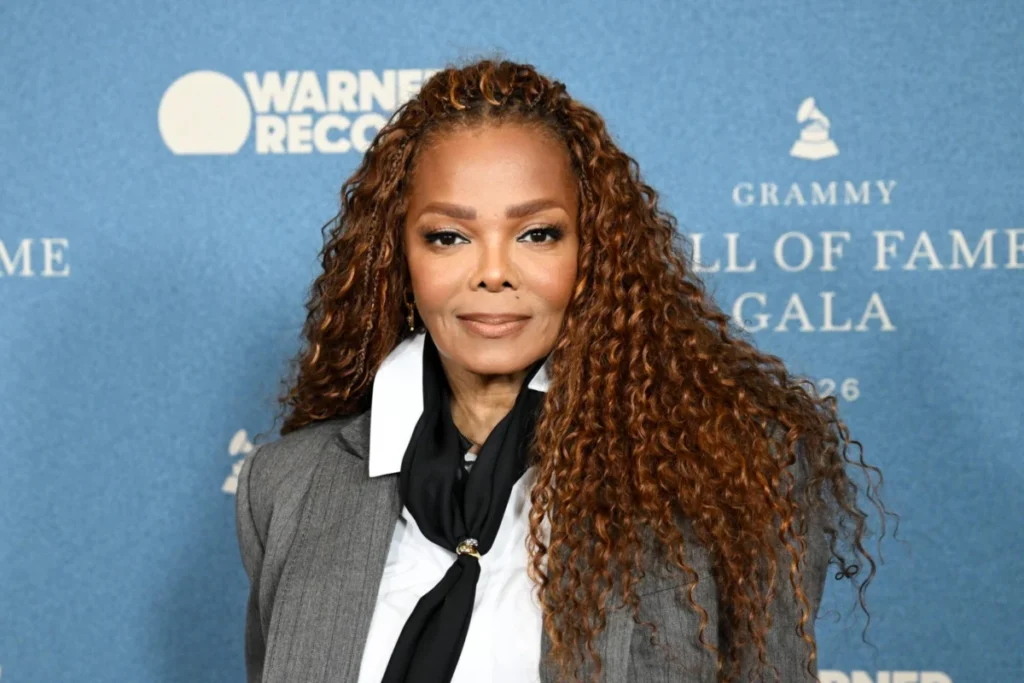

The Recording Academy and the Grammy Museum’s third annual Grammy Hall of Fame Gala, held at the opulent Beverly Hilton Hotel in Beverly Hills, California, on Friday, May 8, 2026, once again illuminated the enduring legacy of seminal recordings across an impressive spectrum of genres and eras. This year’s event, steeped in the tradition of honoring music that has shaped cultural landscapes, presented a program as diverse and eclectic as the recordings themselves, showcasing a vibrant blend of established artists and emerging talents paying homage to timeless classics.
A Night of Reverence and Remarkable Performances
The gala, expertly hosted for another year by broadcast journalist Anthony Mason, served as a platform to officially induct fourteen new recordings into the prestigious Grammy Hall of Fame. While the full list represents a significant contribution to the annals of music history, the evening’s live performances spotlighted seven of these remarkable works, offering attendees a visceral connection to the artistry being celebrated.
The musical journey of the night commenced with a deeply emotive rendition of "Brucia La Terra," the Sicilian-language love theme from The Godfather, performed by acclaimed tenor Josh Groban. His powerful vocals imbued the lushly romantic ballad with a profound sense of history and cinematic grandeur, setting a sophisticated tone for the evening.
A stark yet captivating contrast followed as George Clinton, the visionary architect of funk, took the stage. Joined by Erykah Badu, a formidable force in contemporary soul and R&B, and the formidable guitarist Blackbyrd McKnight, Clinton led a electrifying performance of "Maggot Brain" and "Can You Get to That." These seminal tracks, plucked from Funkadelic’s groundbreaking 1971 album, Maggot Brain, resonated with raw emotion and undeniable musical prowess, reminding the audience of the genre’s enduring influence and Clinton’s unparalleled creative genius. The juxtaposition of Groban’s operatic sensibility with Clinton’s psychedelic funk mastery underscored the evening’s commitment to celebrating the vast breadth of musical expression.
Honoring Artists and Their Enduring Works
The gala’s format thoughtfully acknowledged both artists whose original works were inducted and those who chose to interpret them. Legendary rock band Heart, featuring its iconic frontwomen Ann and Nancy Wilson, performed a selection from their classic albums that earned Hall of Fame recognition, demonstrating the enduring power and appeal of their distinctive sound. Similarly, singer-songwriter Lucinda Williams, a Grammy winner known for her raw, evocative storytelling, delivered a performance that honored her own contributions to the Hall of Fame’s esteemed roster.
The spirit of musical dialogue was further exemplified by other artists who offered their interpretations of inducted recordings. The acclaimed vocal ensemble Take 6 captivated the audience with their masterful rendition of the Soul Stirrers’ 1951 gospel classic, "Jesus Gave Me Water." Their intricate harmonies and spiritual fervor brought a contemporary sheen to a foundational piece of American music.
Taylor Hanson, a familiar face from his success with the band Hanson, showcased his versatility by performing Nick Drake’s poignant 1972 folk ballad, "Pink Moon." The intimate performance captured the melancholic beauty and introspective nature of Drake’s work, introducing its delicate artistry to a new generation.
Adding a touch of Latin flair, Isabel Marie delivered a heartfelt performance of Selena’s beloved 1994 hit, "No Me Queda Mas," from the album Amor Prohibido. Her rendition paid a vibrant tribute to the Queen of Tejano music, celebrating the enduring cultural impact of Selena’s artistry.
Special Tributes and Emerging Voices
Beyond the inductions, the gala also featured special accolades and tributes. Norah Jones, a multi-platinum selling artist and multiple Grammy winner, delivered a captivating two-song set as she was honored with the Ray Charles Architect of Sound Award. This award recognizes artists who, like the legendary Ray Charles, have demonstrated exceptional innovation and influence in shaping the sonic landscape of music. Jones’s performance, known for its smooth jazz and soulful undertones, likely showcased her unique ability to blend genres seamlessly, much like Charles himself.
Adding to the celebratory atmosphere, Teddy Swims and Josh Groban each performed two songs as part of a special tribute to Warner Records, this year’s designated label honoree. This segment acknowledged the label’s significant role in the distribution and promotion of countless influential recordings throughout its storied history. Swims, known for his powerful R&B vocals and soulful delivery, likely offered a dynamic performance, further highlighting the label’s diverse roster.
The Full Spectrum of Hall of Fame Inductees
While the live performances offered a glimpse into the breadth of this year’s Hall of Fame class, the full list of fourteen inducted recordings represents a rich mosaic of musical achievement. Beyond those featured with performances, the following significant works were also enshrined:
- 2Pac’s All Eyez on Me: A landmark double album in hip-hop history, celebrated for its raw lyricism and enduring influence on the genre.
- Radiohead’s OK Computer: A critically acclaimed album that redefined alternative rock with its ambitious scope, sonic experimentation, and profound lyrical themes.
- Eric B. & Rakim’s Paid in Full: A foundational album in hip-hop that revolutionized lyrical delivery and production techniques, cementing Rakim’s status as one of the greatest MCs of all time.
- Alice Coltrane’s Journey in Satchidananda: A seminal work in spiritual jazz, lauded for its meditative qualities and exploration of Eastern musical philosophies.
- The Rouse Brothers’ "Orange Blossom Special": A classic instrumental bluegrass and country standard that has been a staple for generations of musicians.
- Bertha "Chippie" Hill’s "Trouble in Mind": A blues standard that showcases the raw power and emotional depth of early 20th-century vocalists.
The inclusion of these diverse recordings underscores the Grammy Hall of Fame’s commitment to recognizing the vast and varied contributions that have shaped the global music landscape. From the introspective narratives of folk and the complex textures of alternative rock to the foundational beats of hip-hop and the spiritual resonance of jazz and gospel, the Hall of Fame continues to acknowledge the recordings that have not only achieved commercial success but have also left an indelible mark on artistic expression and cultural discourse.
Production and Musical Direction
The seamless execution of the evening was a testament to the collaborative efforts of the production team. The show was produced by veteran producer Ken Ehrlich, renowned for his extensive work on the Grammy Awards, alongside Ron Basile, Chantel Sausedo, and Lynne Sheridan. Guiding the musical tapestry of the night was musical director Cheche Alara, a composer, producer, and conductor celebrated for his work with both Grammy and Latin Grammy Awards. Alara’s expertise was crucial in orchestrating the diverse performances and ensuring a cohesive yet dynamic flow throughout the gala.
Broader Context and Impact
The Grammy Hall of Fame Gala is more than just an awards ceremony; it is a vital institution that actively preserves and celebrates the recordings that have shaped the soundtrack of our lives. By inducting these works, the Recording Academy ensures that their artistic and cultural significance is recognized and remembered for future generations. The annual gala provides a unique opportunity for artists, industry professionals, and music enthusiasts to come together, acknowledge the profound impact of these recordings, and foster an appreciation for the rich history of music.
The diverse range of genres and eras represented in the Hall of Fame class of 2026—spanning from early blues and gospel to funk, hip-hop, and folk—highlights the Academy’s dedication to inclusivity and its understanding that musical innovation knows no boundaries. This year’s event, in particular, emphasized the interconnectedness of musical traditions, with artists drawing inspiration from and paying homage to a wide array of influences.
The fact that fourteen recordings were inducted, with seven receiving spotlight performances, indicates a robust selection process that carefully considers recordings that have made a significant and lasting impact. The inclusion of both original artists performing their works and contemporary artists covering them fosters a unique intergenerational dialogue, demonstrating how these musical legacies continue to inspire and resonate.
The Ray Charles Architect of Sound Award, presented to Norah Jones, further reinforces the gala’s mission to honor not just individual recordings but also the artists whose careers embody innovation and lasting influence. Ray Charles, a true pioneer, consistently pushed musical boundaries, and recognizing artists who follow a similar path ensures that the spirit of musical evolution is continuously celebrated.
The tribute to Warner Records as the label honoree acknowledges the critical role that record labels play in bringing these important works to the public. It’s a reminder that behind every seminal recording is a team dedicated to nurturing talent and disseminating music to a global audience.
The continued success of the Grammy Hall of Fame Gala underscores the enduring value placed on musical heritage. In an era of rapid technological change and evolving consumption patterns, events like this serve as vital anchors, reminding us of the power of music to transcend time and connect us to our collective past. The diverse array of artists and genres celebrated at this year’s gala serves as a powerful testament to the universal language of music and its capacity to inspire, uplift, and endure. The Beverly Hilton once again provided a fittingly elegant backdrop for this celebration of musical history, ensuring that the legacy of these iconic recordings will continue to echo for years to come.