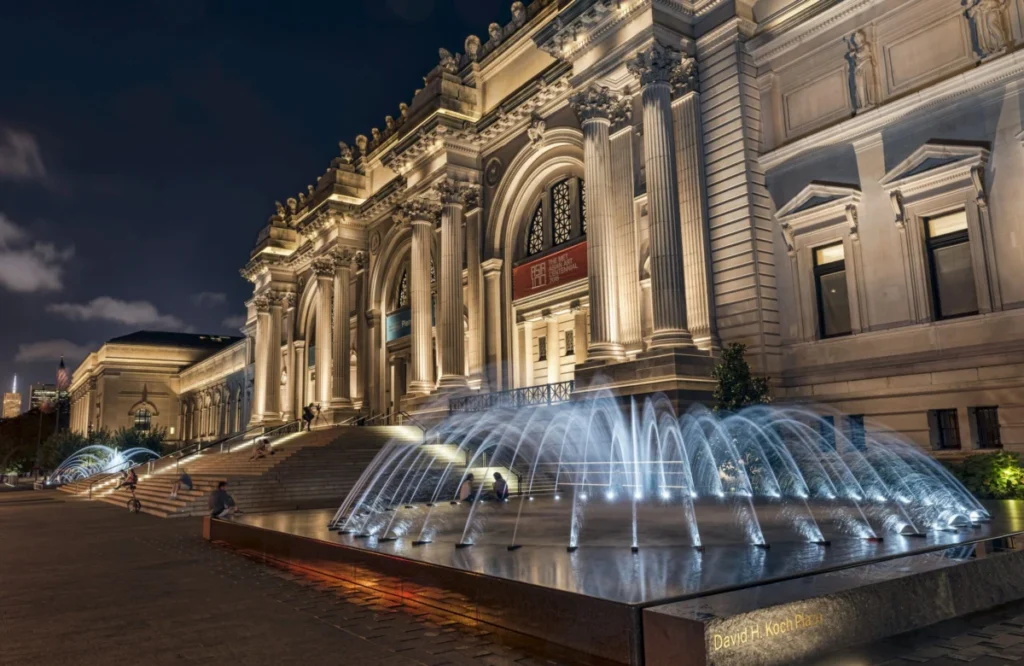

Standing as a titan of cultural heritage on the edge of Manhattan’s Central Park, the Metropolitan Museum of Art represents over 150 years of American ambition and global artistic achievement. Known colloquially as "the Met," the institution at 1000 Fifth Avenue is more than a repository for 2.2 million square feet of history; it is a living monument to the convergence of civic duty, private philanthropy, and the evolving definition of art. As the museum prepares for its most high-profile annual event, the Met Gala, scheduled for May 4, 2026, the institution finds itself at the intersection of historical preservation and contemporary spectacle. With a mission rooted in bringing art and education to the American public, the Met has transformed from a fledgling gallery with a single Roman sarcophagus into a global powerhouse that dictates cultural trends and attracts five million visitors annually.
The Foundations of an American Landmark
The genesis of the Metropolitan Museum of Art was not a domestic initiative but an idea conceived abroad. In 1866, a group of Americans celebrating the Fourth of July in Paris proposed the creation of a "national institution and gallery of art" to rival the grand museums of Europe. John Jay, a prominent lawyer and the grandson of the first U.S. Chief Justice, was the primary architect of this vision. Upon his return to the United States, Jay collaborated with the Union League Club of New York to mobilize a coalition of civic leaders, businessmen, artists, and philanthropists.
This collective effort led to the formal incorporation of the museum on April 13, 1870. The institution’s early years were marked by rapid acquisition and a nomadic existence before settling at its current Fifth Avenue location in 1880. The first object acquired by the museum—a Roman sarcophagus—set the precedent for a collection that would eventually span 5,000 years of human history. Today, the museum is governed as a 501(c)(3) nonprofit, privately operated by a corporation of nearly 1,000 benefactors. This group manages an endowment exceeding $2 billion and raises over $100 million annually to supplement admission fees and government support, ensuring the institution’s independence and longevity.

A Chronology of Architectural and Cultural Expansion
The physical structure of the Met is a testament to the shifting aesthetics of American architecture. The museum’s growth can be traced through its various wings, each representing a different era of design and institutional priority.
- 1880: The initial Ruskinian Gothic structure, designed by Calvert Vaux and Jacob Wrey Mould, opened to the public. While much of this original red-brick facade is now hidden by later additions, it remains visible within the Robert Lehman Wing.
- 1902: The iconic Beaux-Arts Fifth Avenue facade and the majestic Great Hall, designed by founding trustee Richard Morris Hunt, were completed. This expansion provided the museum with the "dignity and grandeur" necessary to compete with the Louvre and the British Museum.
- 1948: The inaugural Met Gala was held, founded by fashion publicist Eleanor Lambert to support the newly established Costume Institute.
- 1970s-1990s: Under the leadership of figures like Diana Vreeland and later Anna Wintour, the Met Gala transitioned from a high-society dinner into a global media phenomenon.
- 2025: The Met Gala reached a financial milestone, raising a record-breaking $31 million in a single evening.
- 2026: The museum announces "Fashion is Art" as the central theme for its spring exhibition and gala, further blurring the lines between decorative arts and fine arts.
The Met Gala: From "Party of the Year" to Global Spectacle
The Met Gala, officially known as the Costume Institute Benefit, serves as the primary source of funding for the museum’s department of fashion and textiles. Unlike other curatorial departments at the Met, the Costume Institute is required to fund its own exhibitions and acquisitions, making the gala a financial necessity as much as a social event.
Founded in 1848 by Eleanor Lambert, the event was originally a midnight supper for New York’s "Old Money" elite, with tickets priced at a modest $50. The transformation of the gala into the "Oscars of Fashion" began in earnest when Anna Wintour, Editor-in-Chief of Vogue, took over as chair in 1995. Under her stewardship, the guest list expanded to include Hollywood A-listers, tech moguls, and international athletes, turning the red carpet on the Met’s iconic steps into the most scrutinized fashion stage in the world.
For the upcoming gala on May 4, 2026, the museum has assembled a powerhouse quartet of co-chairs: Beyoncé, Nicole Kidman, Venus Williams, and Anna Wintour. This selection reflects the museum’s strategy of blending pop culture royalty with icons of film and sport to maximize global engagement. The event will take place across the Great Hall, the new Costume Institute exhibition galleries, and the Temple of Dendur—an Ancient Egyptian monument that provides a stark, dramatic contrast to the avant-garde fashion on display.

Strategic Theme: "Fashion is Art"
The 2026 theme, "Fashion is Art," accompanies the exhibition titled Costume Art. This choice is seen by industry analysts as a definitive statement on the legitimacy of fashion within the hallowed halls of traditional art history. Historically, fashion was often relegated to the status of "craft" or "decorative art," but the Met’s recent exhibitions have challenged this hierarchy.
By framing fashion as art, the museum invites a critical look at the craftsmanship, conceptual depth, and cultural impact of clothing. The dress code for the gala, also titled "Fashion is Art," encourages attendees to move beyond mere glamour and explore wearable sculpture and historical references. This thematic approach not only drives ticket sales—which can cost upwards of $50,000 per person—but also secures the Met’s position as a trendsetter in the academic and commercial fashion worlds.
Supporting Data and Economic Impact
The financial scale of the Met and its gala is unparalleled in the museum sector. The $31 million raised in 2025 set a benchmark for nonprofit fundraising, highlighting the massive corporate sponsorship and individual philanthropy directed toward the institution.
Key Financial Indicators:

- Annual Visitors: Approximately 5 million.
- Annual Donations: Over $100 million.
- Endowment Value: $2 billion+.
- Economic Impact on NYC: The Met is a primary driver of New York City’s "cultural tourism." During the opening weeks of major exhibitions, local hotels and luxury retailers report significant increases in revenue, often referred to as the "Met Gala Effect."
The museum’s governance structure, involving nearly 1,000 benefactors, ensures a steady stream of private capital. However, this reliance on private funding has also sparked debates regarding accessibility and the influence of wealthy donors on curatorial decisions. In recent years, the Met has had to balance its need for high-level philanthropy with public demands for more inclusive representation and transparent provenance of its artifacts.
Broader Implications and Institutional Legacy
The Metropolitan Museum of Art’s ability to remain relevant for over a century lies in its capacity to evolve. The integration of the Met Gala into the museum’s identity has been a double-edged sword; while it provides essential funding and attracts a younger, more diverse audience, it also risks overshadowing the museum’s core educational mission with the glitz of celebrity culture.
However, the "Fashion is Art" theme for 2026 suggests a move toward intellectualizing the spectacle. By rooting the gala in a rigorous curatorial framework, the museum justifies the fanfare. As the institution looks toward the future, it continues to serve as a defining pillar of New York City’s identity—a place where Bronze Age sculptures coexist with the cutting edge of modern design.
The Met’s enduring impact is measured not just in the millions of dollars raised or the celebrities on its steps, but in its role as a custodian of human creativity. From John Jay’s initial vision in a Paris cafe to the record-breaking galas of the 21st century, the Metropolitan Museum of Art remains a vital bridge between the history of the world and the innovations of the present. As May 4th approaches, the eyes of the global art and fashion communities will once again turn to Fifth Avenue, witnessing the latest chapter in the storied history of an American masterpiece.