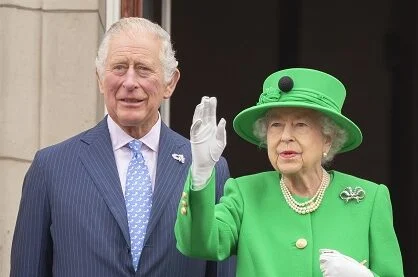

The death of Queen Elizabeth II in September 2022 marked not only the end of a historic reign but also a profound moment for British horse racing. Beyond her status as the sport’s most prominent owner and breeder, the late monarch was its most influential ambassador, a figure whose deep-seated passion and decades-long dedication had intrinsically woven royal patronage into the very fabric of the industry. Her presence at iconic events like Royal Ascot, Epsom Downs, and Newmarket transformed them into occasions of national significance, drawing immense crowds who celebrated her horses’ victories with a fervor that mirrored their own. This lifelong commitment bestowed upon thoroughbred racing a level of national visibility and prestige that no marketing campaign, however sophisticated, could ever hope to replicate. In the years since her passing, a pertinent question has echoed through the racing community: what does royal support for the sport look like in the post-Elizabethan era?
A New Chapter: King Charles III and Queen Camilla Step into the Royal Racing Spotlight
The recent announcement that King Charles III and Queen Camilla will grace the Epsom Derby on June 6th offers a compelling and encouraging answer to this lingering question. Their attendance signifies not just the continuation of a deeply ingrained royal tradition, stretching back through generations, but also a powerful reinforcement of racing’s enduring importance within the monarchy. As joint Patrons of The Jockey Club, His Majesty and Her Majesty have demonstrably embraced many of the significant responsibilities once shouldered by their predecessor, signaling a renewed commitment to the sport that was so dear to Queen Elizabeth II.
This is not the first instance of King Charles III demonstrating this dedication. His attendance at Epsom in 2024 to watch his filly Treasure compete in the Oaks marked his inaugural Derby Festival appearance as monarch, a significant moment for the sport. While victory proved elusive on that occasion, his presence served as a potent reminder that the Royal Family’s profound connection to horse racing remains vibrantly alive. The King’s inherent enthusiasm for the sport is hardly surprising; he inherited not only his mother’s esteemed collection of horses but also a substantial portion of her sophisticated breeding operation. Alongside Queen Camilla, he has continued the prestigious royal racing colours, achieving notable successes, including the memorable victory of Desert Hero at Royal Ascot in 2023.
The Legacy of Elizabeth II: A Lifelong Devotion to the Thoroughbred
Comparisons with Queen Elizabeth II are, and will likely remain, inevitable. No monarch in modern history was as intrinsically linked with horse racing as Elizabeth II. Her interest transcended mere attendance; she was deeply immersed in breeding decisions, meticulously studied pedigrees, and derived genuine pleasure from nurturing bloodlines across multiple generations. Racing was not merely a patronage; it was a profound and enduring passion that defined a significant aspect of her public and private life. Her reign saw her horses achieve unparalleled success, including victories in all five British Classics – the 1,000 Guineas, the 2,000 Guineas, the Epsom Oaks, the Epsom Derby, and the St. Leger. This unparalleled achievement underscores her unparalleled impact on the sport.
Navigating the Demands of Kingship: Balancing Tradition with Modern Realities
The challenge facing King Charles III is not a deficiency in enthusiasm, but rather the inherent realities of contemporary kingship. Unlike his mother, who ascended to the throne at a younger age and had the luxury of dedicating decades to her passion, Charles assumed the constitutional role of monarch in his seventies. This transition coincided with a period where the monarchy operates with a significantly reduced number of working royals compared to previous eras, placing immense demands on the King’s time and energy. Consequently, expecting him to replicate the extraordinary racing schedule of his predecessor would be an unrealistic proposition.
However, the significance of his participation should not be underestimated. Royal attendance at major racing events continues to hold immense weight. The Derby, Royal Ascot, and other prestigious meetings benefit not only from the considerable publicity generated by royal visits but also from the invaluable sense of continuity they provide. In an era characterized by constant institutional flux, racing’s deep-seated connection with the Crown represents one of its most valuable and stable assets, a tangible link to a rich heritage.
A Broadening Royal Presence: The Extended Family’s Role
The period since 2022 has also witnessed the emergence of a broader royal engagement with the sport. The Princess Royal, Anne, remains a regular and dedicated racegoer, her consistent presence a testament to her own affection for racing. Furthermore, Zara and Mike Tindall have established themselves as among the most visible and enthusiastic royal supporters of the racing world. Their active participation and enjoyment at racecourses help to ensure that racing maintains a prominent place within royal life, extending beyond the immediate presence of the King and Queen. This wider involvement helps to maintain the sport’s visibility and cultural relevance within the broader spectrum of royal activities.
Looking Ahead: The Future of Royal Enthusiasm in Racing
Questions inevitably arise regarding whether younger generations of the Royal Family will cultivate the same level of deep-seated enthusiasm for racing as Queen Elizabeth II. The Prince and Princess of Wales, for instance, currently direct much of their attention towards other sporting interests, and it is difficult to envision any future royal figure matching the late Queen’s lifelong and unparalleled devotion to the thoroughbred. However, perhaps such direct comparisons are misplaced.
Queen Elizabeth II’s unique and profound relationship with racing was the product of a lifetime immersed in the sport, an immersion that cannot be replicated. The more pertinent and relevant question is whether the monarchy, as an institution, continues to value racing and recognize its significance within the broader tapestry of British life and culture. The enduring tradition of royal patronage, as exemplified by the King and Queen’s commitment, suggests a positive trajectory.
The Derby Day Verdict: A Symbol of Continuity and Enduring Value
On Derby Day at Epsom next week, the visible presence of King Charles III and Queen Camilla will serve as a powerful and public affirmation of this enduring connection. Their attendance, a continuation of a cherished tradition, will underscore the monarchy’s ongoing commitment to a sport that has long been intertwined with its history and identity. While the landscape of royal engagement may evolve, the fundamental importance of this relationship remains. The sport of horse racing, with its deep historical roots and significant economic and cultural impact, continues to benefit immeasurably from the continued visibility and endorsement of the Crown. This symbolic gesture at one of the world’s most prestigious racing events will undoubtedly resonate throughout the industry and beyond, offering reassurance and optimism for the future of royal patronage in British thoroughbred racing. The legacy of Queen Elizabeth II, a titan of the turf, is being carried forward, albeit in a new form, by her successors, ensuring that the roar of the crowd and the thundering of hooves will continue to echo under the watchful eye of the monarchy for generations to come.