
The digital media landscape has undergone a radical transformation since the mid-2000s, shifting from a decentralized collection of personal blogs to a highly consolidated environment dominated by social media algorithms and corporate-owned content hubs. Amidst this volatility, the survival and sustained influence of independent outlets provide a unique lens through which to view the history of internet culture. Tom & Lorenzo, a digital publication specializing in fashion, television, and celebrity commentary, represents a significant case study in this evolution. Operating under a continuous banner from 2006 through 2025, the site has navigated the transition from the "Golden Age of Blogging" to the era of streaming dominance, maintaining a distinct editorial voice while navigating complex legal and commercial frameworks.
Historical Foundations: From Niche Blogging to Industry Authority
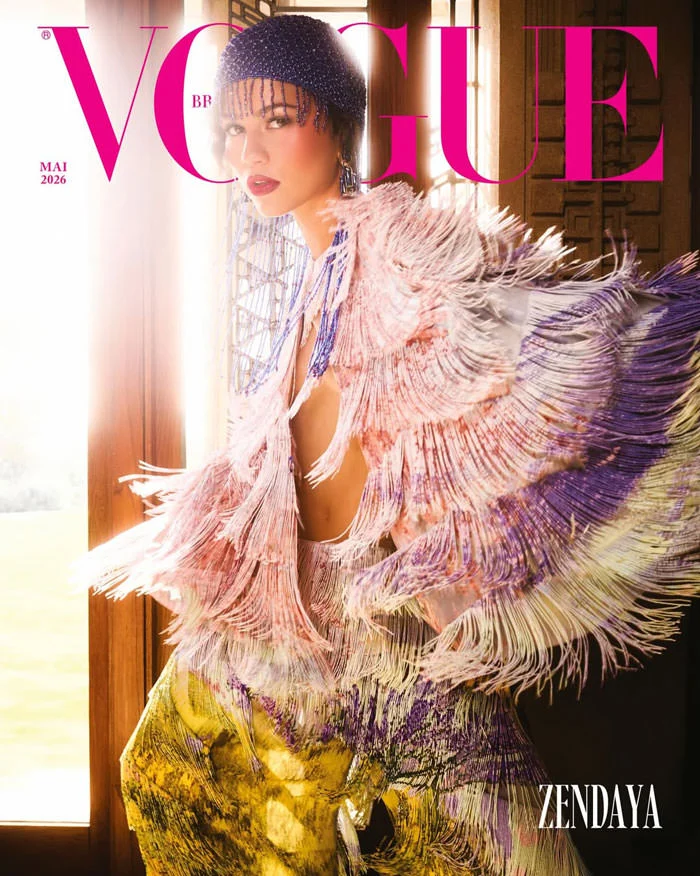
The origins of Tom & Lorenzo can be traced back to the burgeoning interest in reality television and the democratization of fashion criticism in the mid-2000s. Originally launched under the title "Project Rungay," the site initially focused on providing detailed, humorous, and technical critiques of the reality competition series Project Runway. At the time, the barrier to entry for fashion journalism was high, traditionally guarded by legacy print publications such as Vogue and Harper’s Bazaar. However, the rise of the blogosphere allowed for a new type of "citizen critic" who could engage with audiences in real-time.
By 2009, the founders, Tom Fitzgerald and Lorenzo Marquez, rebranded the site to "Tom & Lorenzo" to reflect a broader editorial scope. This transition was pivotal, as it allowed the publication to move beyond a single television show and encompass red-carpet analysis, film and television costume design critiques, and general pop culture commentary. This shift mirrored a larger trend in the digital media industry where successful niche creators began to professionalize their operations, transforming personal projects into sustainable business models.
The Legal Framework of Digital Commentary and Fair Use
The disclaimer and copyright notice governing the Tom & Lorenzo site highlight the intricate legal landscape that independent digital publishers must navigate. The site explicitly states its lack of affiliation with major entertainment conglomerates, including but not limited to ABC, Amazon Prime, AMC, Apple TV+, BBC, Bravo, CBS, CW, Fox, FX, HBO, HBO Max, Hulu, Lifetime, Logo, Max, NBC, Paramount Plus, PBS, Showtime, Starz, Sundance, TNT, and VH1. This exhaustive list serves as a protective measure against trademark infringement claims and clarifies the site’s position as a third-party critical entity.
In the realm of digital criticism, the concept of "Fair Use" is paramount. Under U.S. copyright law, the use of copyrighted material for purposes such as criticism, comment, news reporting, teaching, scholarship, or research is generally not considered an infringement. For a site like Tom & Lorenzo, which relies heavily on visual content—such as red-carpet photography and television stills—the legal boundaries are often tested. The site’s policy of claiming no credit for featured images unless otherwise noted, and attributing visual content to respective owners, is a standard industry practice designed to mitigate liability while facilitating the discussion of visual media.
Chronology of Growth: A Two-Decade Media Timeline
The trajectory of Tom & Lorenzo offers a chronological roadmap of the digital media industry’s development over nearly twenty years:
- 2006–2008: The Formative Years. The site establishes a foothold in the niche community of television recapping. This period was characterized by high audience engagement on community forums and the early adoption of RSS feeds.
- 2009–2012: Rebranding and Professionalization. The move to the "Tom & Lorenzo" domain marked the beginning of their influence on the red carpet. During this time, the site gained recognition from major media outlets, and the founders began appearing as experts on television programs.
- 2013–2016: Expansion into Literature and Podcasting. To diversify revenue streams and audience reach, the founders published Everyone Lead a Fabulous Life (2014) and launched the Pop Style Opinionfest podcast. This period reflected the "pivot to video" and audio that many text-based sites attempted during the mid-2010s.
- 2017–2021: Navigating the Streaming Wars. As platforms like Netflix, HBO Max (now Max), and Amazon Prime Video began to dominate the cultural conversation, the site adapted its content to cover "bingeable" series and the high-fashion costume design of streaming hits like The Crown and The Marvelous Mrs. Maisel.
- 2022–2025: Resilience in the Post-Blog Era. While many contemporary blogs folded or were acquired by larger media groups (such as the acquisitions made by Vox Media or G/O Media), Tom & Lorenzo remained independent. This era is defined by a focus on direct audience support and the management of a legacy brand in an age of AI-generated content.
Navigating the Corporate Landscape: Independence in an Era of Conglomerates
The extensive list of networks mentioned in the site’s disclaimer underscores the consolidation of the entertainment industry. For example, the mention of both "HBO" and "Max" (formerly HBO Max) reflects the corporate restructuring of Warner Bros. Discovery. Similarly, the inclusion of "Paramount Plus" and "Showtime" highlights the merging of legacy cable brands with modern streaming services.
For an independent critic, this consolidation poses significant challenges. When a few companies own the majority of the content being critiqued, the risk of "blacklisting" or the withholding of press credentials becomes a concern. By maintaining a clear legal distinction and a reputation for objective—albeit stylized—criticism, independent outlets can maintain their integrity. The disclaimer serves as a manifesto of independence, asserting that the criticism provided is not influenced or endorsed by the entities that produce the content.
Supporting Data: The Rise and Fall of the Independent Blog
Data from the mid-2010s suggested a decline in traditional blog traffic as users migrated to platforms like Instagram, TikTok, and X (formerly Twitter). According to industry reports, between 2014 and 2019, several hundred prominent independent blogs were either shuttered or absorbed into larger networks. The survival of a site from 2006 to 2025 is statistically rare.
Factors contributing to the longevity of independent sites include:
- Niche Authority: Establishing a "vertical" (a specific subject area) that legacy media does not cover with the same depth.
- Community Loyalty: Maintaining a comment section or a direct-to-consumer relationship that bypasses social media algorithms.
- Revenue Diversification: Moving away from a pure reliance on programmatic display ads toward affiliate marketing, book deals, and podcast sponsorships.
The Tom & Lorenzo site’s inclusion of links to "Terms and Conditions," "Privacy Policy," and "Cookie Policy" reflects the increasing regulatory requirements for digital publishers, such as the General Data Protection Regulation (GDPR) and the California Consumer Privacy Act (CCPA). Compliance with these regulations is essential for any site seeking to operate internationally and maintain a professional standing.
The Broader Impact on Fashion Journalism and Television Criticism
The influence of independent critics like Tom & Lorenzo extends into the industries they cover. Fashion designers and stylists have often noted that digital critiques can influence public perception of a celebrity’s "brand" almost instantly. The site’s "Werq or Shut It" and "T Lo’s Opinion" features became part of the vernacular of online fashion discourse, illustrating how digital-native voices can shape the standards of an industry.
In television, the "recap culture" pioneered by sites in the late 2000s changed how showrunners interacted with their audience. The detailed analysis of costume design as a narrative tool—a specialty of Tom & Lorenzo—elevated the status of costume designers, who were previously often overlooked in mainstream television reviews. This shift encouraged networks to provide more "behind-the-scenes" access to critics who could articulate the technical artistry of a production.
Official Responses and Industry Standing
While major networks do not officially partner with independent blogs (as noted in the disclaimer), the relationship is often one of mutual benefit. Networks provide "screener" access to episodes before they air, and in return, sites provide deep-dive coverage that keeps the show in the cultural zeitgeist. Representatives from networks like Bravo and HBO have historically acknowledged the role of "super-fans" and professional bloggers in building "stanship" and sustained viewership for long-running series.
However, the legal disclaimers remain necessary because the tone of independent criticism is often irreverent or harshly honest—traits that would be impossible to maintain under a formal corporate partnership. The "Disclaimer" section is a standard but vital component of the modern media ecosystem, ensuring that "freedom of the press" extends to the digital realm.
Conclusion: The Future of the Independent Digital Voice
As the media landscape enters the mid-2020s, the challenges for independent publishers continue to mount. The rise of generative AI threatens to flood the internet with low-quality, automated "content," making the human-driven, idiosyncratic voice of veteran bloggers more valuable than ever. The Tom & Lorenzo model—built on nearly two decades of consistent publication, legal transparency, and a refusal to be absorbed by corporate interests—offers a blueprint for digital sustainability.
By prioritizing intellectual property rights, adhering to strict legal disclosures, and fostering a dedicated audience, independent outlets can survive the volatility of the tech industry. The transition from 2006 to 2025 represents more than just a chronological milestone; it signifies the endurance of the critical voice in an increasingly automated and consolidated world. As the footer of the site suggests, the rights to content and the clarity of one’s professional affiliations are the bedrock upon which a digital legacy is built.