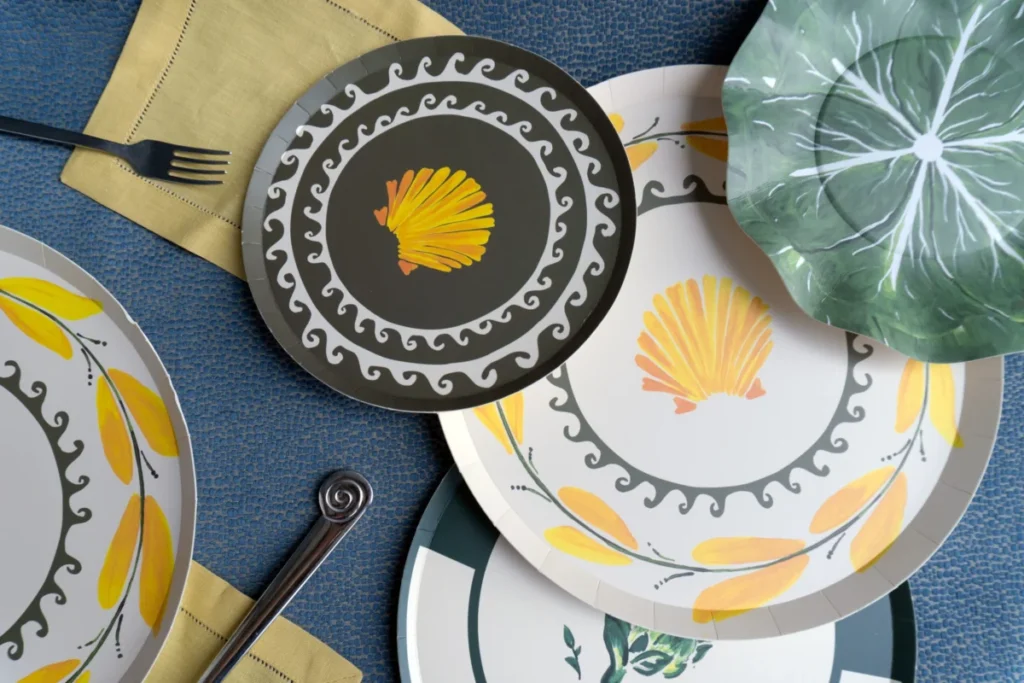

The landscape of modern hosting is undergoing a significant transformation as the traditional boundaries between casual convenience and high-end aesthetics continue to blur. Historically, the use of paper plates was relegated to informal gatherings, such as outdoor barbecues or children’s birthday parties, where the primary objective was utility rather than style. However, a new wave of design-conscious disposable tableware is redefining the "tablescaping" industry, offering hosts a way to maintain a sophisticated atmosphere while bypassing the logistical burden of post-event cleanup. This shift is driven by a combination of material innovation, a growing demand for "at-home luxury," and a cultural pivot toward "low-lift" entertaining that does not sacrifice visual impact.
The Convergence of Convenience and High Design
The emergence of "chic" disposables represents a response to a specific pain point in the hosting experience: the dichotomy between the desire for a beautiful table and the reality of limited resources, such as time or kitchen infrastructure. Industry observers have noted that events like "Friendsgiving" or large-scale bridal showers often take place in venues—ranging from city apartments to rented studios—that lack industrial dishwashing capabilities. In these settings, the introduction of high-design paper plates serves as a practical "antidote" to event-related stress.

Designers are increasingly drawing inspiration from heritage porcelain and fine china brands to create single-use alternatives. For instance, the aesthetic of the storied Italian brand Ginori 1735, known for its intricate patterns and vibrant colors, has become a primary reference point for this new category of tableware. By replicating the visual weight and artistic complexity of traditional stoneware on a paper medium, manufacturers are catering to a demographic that values design history but seeks the flexibility of a disposable format.
Market Trends and the Rise of Tablescaping
The growth of this sector is closely tied to the broader "tablescaping" movement, which gained significant momentum on social media platforms over the last five years. Consumers are no longer looking for mere utility; they are seeking a curated experience. Market research indicates that the global disposable tableware market is projected to grow as consumers increasingly prioritize convenience without compromising on environmental or aesthetic standards.
This trend is not merely about imitation. While some brands focus on "cheeky dupes" of luxury porcelain, others are collaborating with independent illustrators and artists to produce original artwork specifically for the medium. This democratization of design allows hosts to feature "original art" on their tables at a fraction of the cost of a permanent collection. The success of brands like Table Two Studio and Coterie suggests that there is a robust market for paper products that function as a centerpiece rather than a background element.
.jpeg)
Sustainability and Material Innovation
A critical component of the shift toward premium paper plates is the industry’s focus on environmental impact and health safety. Conventional disposable plates have long been criticized for their reliance on plastics and the presence of per- and polyfluoroalkyl substances (PFAS), often referred to as "forever chemicals," which are used to provide grease resistance.
The new generation of stylish paper plates is positioning itself as an eco-conscious alternative. Leading manufacturers are now utilizing 100% recyclable paper, compostable materials, and soy-based inks. Furthermore, advancements in material science have allowed these plates to become "heavy-duty" without the use of plastic coatings. This structural integrity is essential for high-end entertaining, as the plates must be capable of supporting dense foods—such as protein-heavy appetizers or moist desserts—without folding or soaking through. This combination of "soak-proof" technology and "cut-resistant" surfaces has closed the performance gap between paper and permanent ceramic.
A Chronology of the Aesthetic Shift
The transition from the "Dixie Ultra" era to the "Design-Forward" era can be traced through several key milestones in the hospitality and retail sectors:
.jpeg)
- The Post-Pandemic Hosting Boom (2021-2022): As social gatherings returned, there was a surge in "micro-events." Hosts sought ways to make small gatherings feel special, leading to a demand for unique, non-generic party supplies.
- The Luxury Brand Influence (2022-2023): Heritage brands began to see their motifs emulated in the mass market. The "Mediterranean Summer" aesthetic, characterized by majolica patterns and citrus motifs, moved from high-end Italian villas to backyard patios via paper replicas.
- The Artist Collaboration Era (2023-Present): Mainstream party suppliers began tapping fine artists, such as Molly Hatch, to bridge the gap between museum-quality illustration and everyday accessibility.
Category Leaders and Design Philosophies
The current market for aesthetic disposables is segmented into several distinct design philosophies, each catering to a different hosting vibe:
The Mediterranean and Heritage Influence
Brands such as Table Two Studio have led the charge with designs that evoke the coastal charm of the Mediterranean. Their "The Tides" and "Cabana" collections utilize hand-painted styles and olive branch motifs that mirror traditional European stoneware. These plates are often used for upscale outdoor events, such as fish fries or garden parties, where a rustic yet refined look is required.
The "Cheeky Dupe" and French Country Aesthetic
Pavilion Paper has gained traction by offering designs that are intentionally reminiscent of high-end porcelain like Ginori. These products are often described as a "tongue-in-cheek" play for design snobs, offering the look of a $100 plate for roughly $1.25 per unit. When paired with scalloped napkins or vintage glassware, these plates can effectively "fool the eye" in low-light dinner settings.
.jpeg)
Arts and Crafts and Floral Maximalism
Drawing from the Arts and Crafts movement and the work of designers like William Morris, floral-patterned plates have become a staple for bridal showers and tea parties. These designs prioritize "maximalism," using intricate, soak-proof patterns to create a dense visual field that requires little additional table decoration.
Scandinavian Minimalism and Mid-Century Modernism
For hosts who prefer a cleaner aesthetic, brands like Josi James offer "Dansk-like" picks. These plates feature simple rim treatments and muted palettes, appealing to a minimalist or Scandinavian design sensibility. While often thinner than their maximalist counterparts, they serve as a gateway for the "backyard minimalist" who wants a cohesive look without the clutter of patterns.
Economic Implications and Logistics
From a logistical standpoint, the shift toward high-end disposables is an exercise in cost-benefit analysis. While a set of premium paper plates (averaging $0.75 to $2.00 per plate) is significantly more expensive than standard supermarket options, the cost is often lower than the combined expense of renting china, paying for professional dishwashing services, or the labor-intensive process of cleaning up after a 30-to-50-person event.
.jpeg)
Furthermore, for professional event planners, these products offer a "third way" between the low-budget feel of traditional disposables and the high-liability risk of expensive rentals. The ability to match a plate’s design exactly to a floral arrangement or a specific theme—without the long-term commitment of a purchase—provides a level of creative agility that was previously unavailable.
Broader Impact on the Interior Design Industry
The "normalization" of paper plates in high-design contexts suggests a broader trend toward the democratization of luxury. As the "blinding morning light" of the day after a party becomes less daunting due to easier cleanup, consumers are likely to host more frequently. This increased frequency of social interaction has a secondary effect on the home goods market, driving sales of complementary items like tablecloths, candleholders, and high-quality flatware.
Industry experts suggest that we are entering an era of "hybrid hosting," where permanent heirlooms are mixed with high-quality disposables. A host might use their grandmother’s sterling silver flatware alongside a Molly Hatch-designed paper plate. This blend of the "high" and the "low" reflects a contemporary approach to luxury that prioritizes the guest experience and the host’s sanity in equal measure.
.jpeg)
In conclusion, the evolution of the paper plate from a utilitarian staple to a design-forward accessory is a testament to the changing nature of modern hospitality. By integrating art history, environmental responsibility, and structural innovation, the disposable tableware industry has successfully positioned itself as a legitimate ally for the modern host. Whether it is a Wes Anderson-inspired camping trip or a Mediterranean-style bridal shower, the paper plate is no longer just a tool for eating—it is a statement of style.