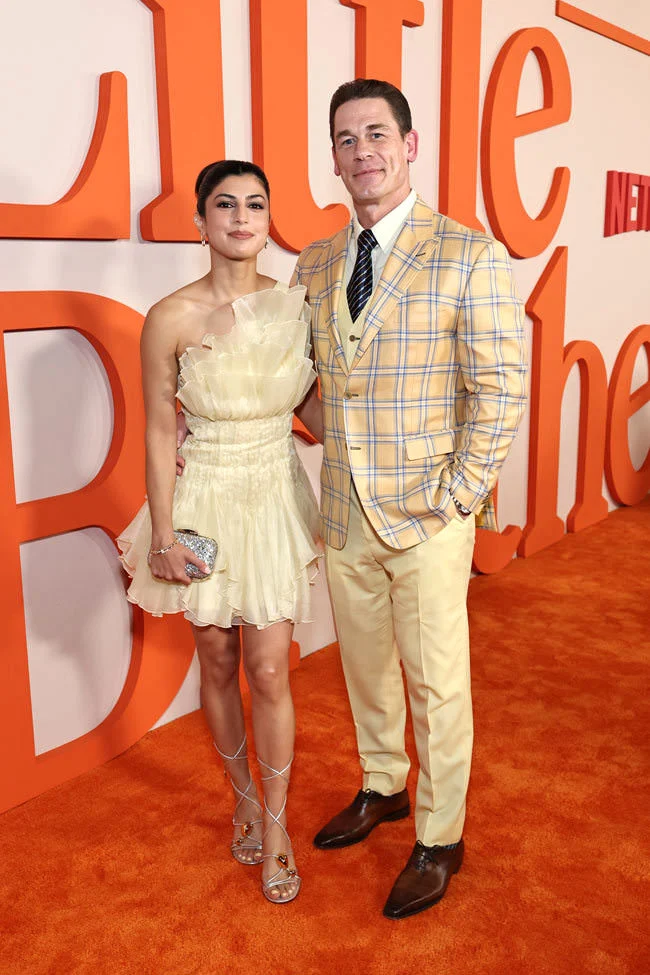

The New York premiere of the Netflix original film Little Brother served as a significant milestone for the streaming giant’s summer slate, bringing together a diverse array of comedic talent and seasoned dramatic actors for a high-profile red carpet event. Held in the heart of Manhattan, the premiere showcased the primary cast and creative team behind the project, which is being positioned as a tentpole comedy for the platform. The film, directed by Matt Spicer and written by the duo of Jarrad Paul and Andrew Mogel, explores the volatile yet heartwarming dynamics of an estranged brotherhood, a theme that was reflected in the vibrant and eclectic atmosphere of the evening’s festivities.
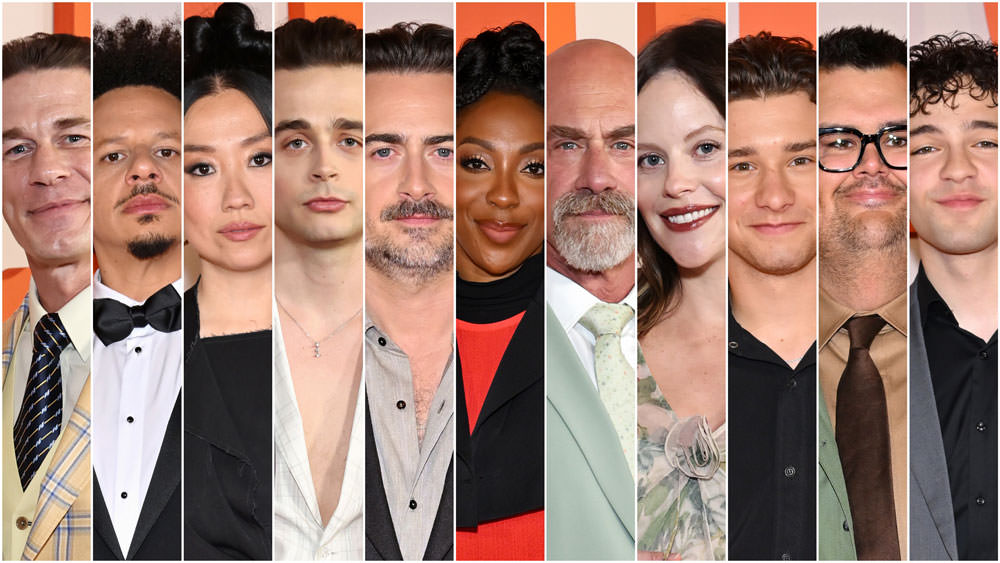
The Premiere Event and Atmosphere
The atmosphere at the premiere was characterized by a blend of traditional Hollywood glamour and the irreverent spirit inherent in the film’s script. Attendees gathered to celebrate the release of a project that has been in development under the watchful eye of producers Ruben Fleischer and David Bernad for Middle Child Pictures. As the stars arrived, the red carpet became a focal point for media attention, highlighting the film’s status as a major production for Netflix.
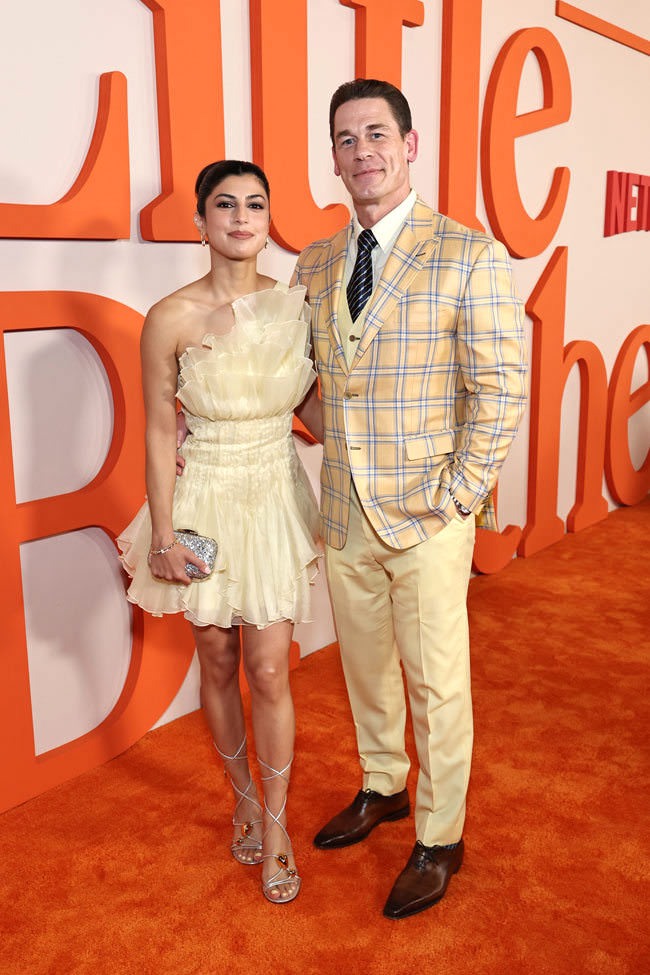
John Cena, the film’s lead, arrived accompanied by his wife, Shay Shariatzadeh. Cena’s presence at the event underscored his continued transition from a professional wrestling icon to one of the most reliable leading men in the comedy genre. Following his success in projects like Peacemaker and Vacation Friends, Cena’s involvement in Little Brother is seen by industry analysts as a strategic move to solidify his "everyman" appeal while leaning into the physical comedy for which he is increasingly known.
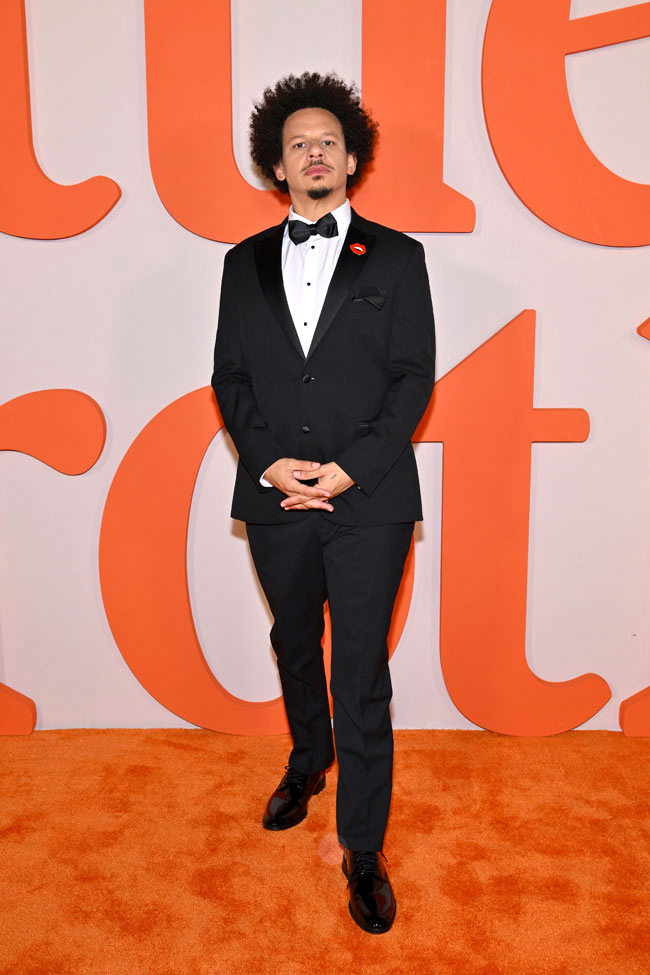
The event was also notable for its display of unconventional red carpet behavior, most notably from co-star Eric André. Known for his surrealist and often confrontational comedic style, André maintained his public persona by engaging in performance-art-inspired antics outside the venue, which served to generate significant social media engagement and buzz ahead of the screening.
Casting and Character Dynamics
The narrative of Little Brother centers on the life of a meticulously organized realtor whose world is upended when his chaotic, long-lost "little brother" re-enters his life. This "odd couple" dynamic is bolstered by a supporting cast that includes Michelle Monaghan, Christopher Meloni, and a roster of rising stars in the comedy world, such as Ego Nwodim and Sherry Cola.
During the event, the cast shared insights into the filming process, emphasizing the chemistry required to make the central relationship believable. Christopher Meloni, who portrays a significant role in the film, appeared on the red carpet in a mint-colored suit, a choice that many observers noted complemented the bold color palette often associated with his co-star, John Cena. Meloni’s participation adds a layer of veteran gravitas to the production, bridging the gap between the film’s broader comedic beats and its grounded character moments.
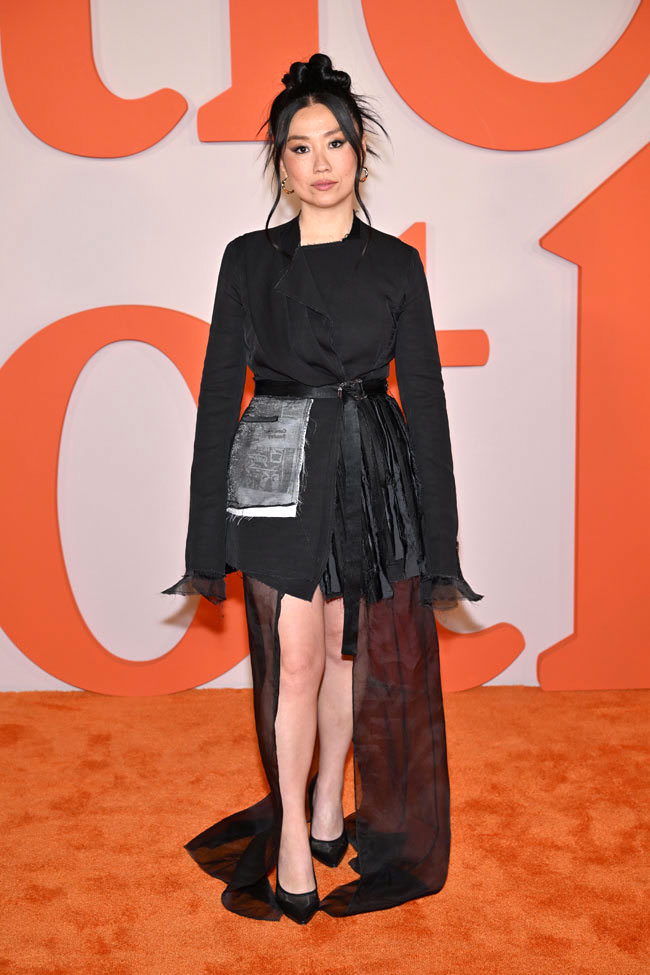
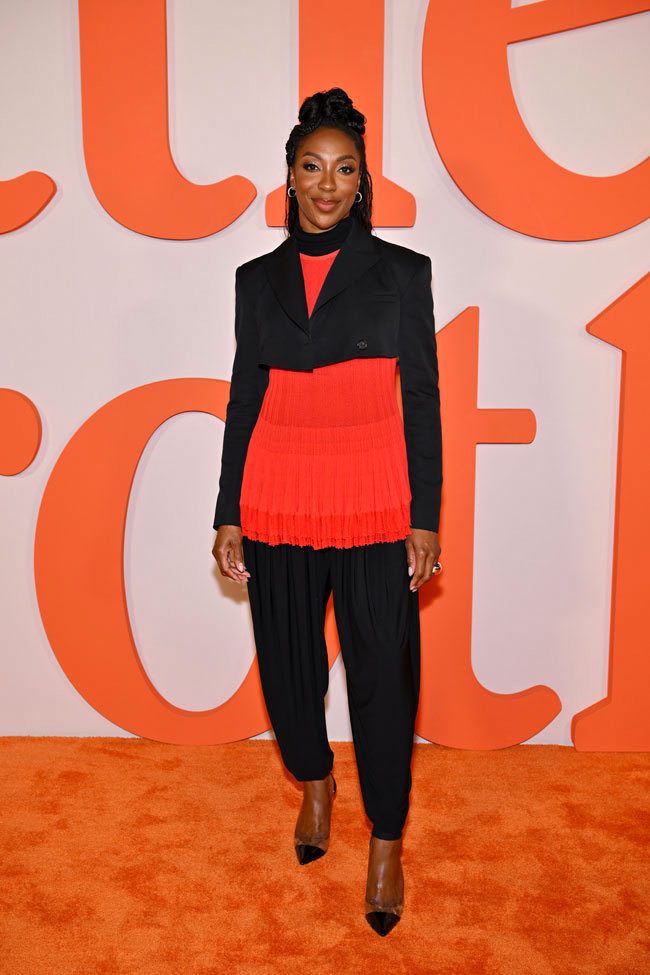
Ego Nwodim and Sherry Cola, both of whom have built substantial reputations through Saturday Night Live and stand-up comedy respectively, represented the new wave of comedic talent being tapped by Netflix. Their presence at the premiere highlighted the film’s commitment to a diverse and modern comedic sensibility. Nwodim arrived in a sculptural piece by Ashlyn, while Cola wore a design by Jason Wu, showcasing a sophisticated approach to premiere fashion that contrasted with the film’s more chaotic themes.
Creative Direction and Production Pedigree
Director Matt Spicer, who previously garnered critical acclaim for the dark comedy Ingrid Goes West, brings a specific stylistic lens to Little Brother. Spicer’s ability to navigate the complexities of modern relationships with a mix of cynicism and sincerity was a primary reason for his attachment to the project. The screenplay, penned by Jarrad Paul and Andrew Mogel—the writers behind The D Train and creators of the series The Grinder—was described by producers as a "tightly wound exploration of family and identity."
The production was supported by Middle Child Pictures, a company that has increasingly focused on character-driven comedies that resonate with streaming audiences. Ruben Fleischer, known for directing Zombieland and Venom, served as a producer, bringing his expertise in high-energy storytelling to the project. The collaboration between Spicer’s indie-film sensibilities and Fleischer’s blockbuster experience is expected to give Little Brother a unique tone that appeals to both critics and general viewers.
The Strategic Importance of the Mid-Budget Comedy
The release of Little Brother comes at a time when the film industry is reassessing the viability of the mid-budget comedy. While theatrical releases for comedies have seen a decline in recent years, streaming platforms like Netflix have become the primary destination for the genre. Data from industry tracking firms suggests that character-driven comedies often see high "completion rates" on streaming platforms, making them valuable assets for subscriber retention.
Netflix’s investment in a star-studded premiere for a streaming-only release indicates a shift in marketing strategy. By treating Little Brother with the same prestige as a theatrical blockbuster, the platform aims to elevate the perceived value of its original content. This strategy is particularly effective for films featuring stars with global recognition, such as Cena and Meloni, whose fan bases span multiple demographics and international markets.
Red Carpet Style as a Reflective Narrative
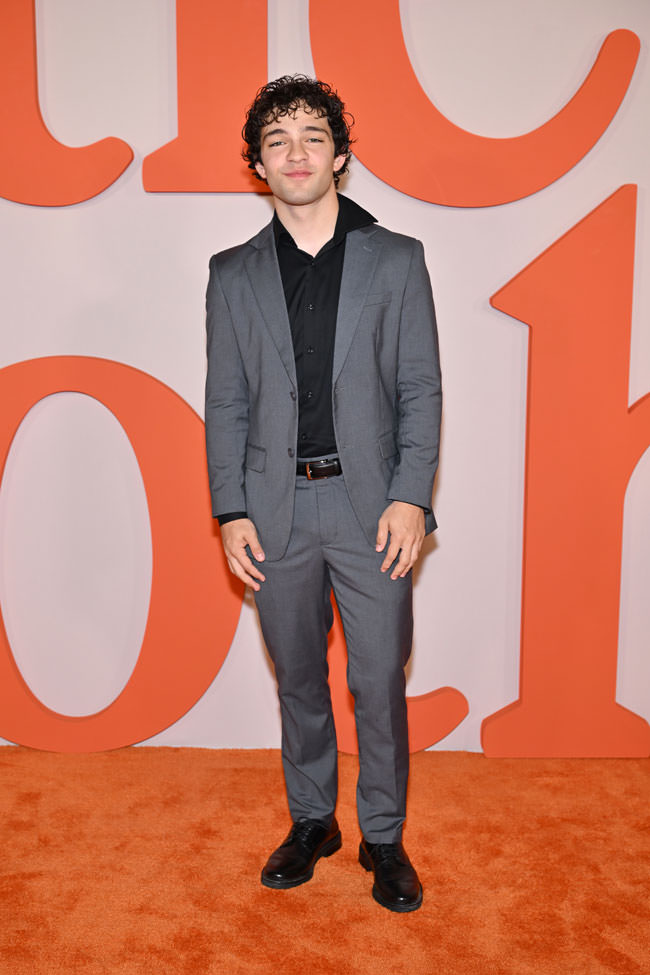
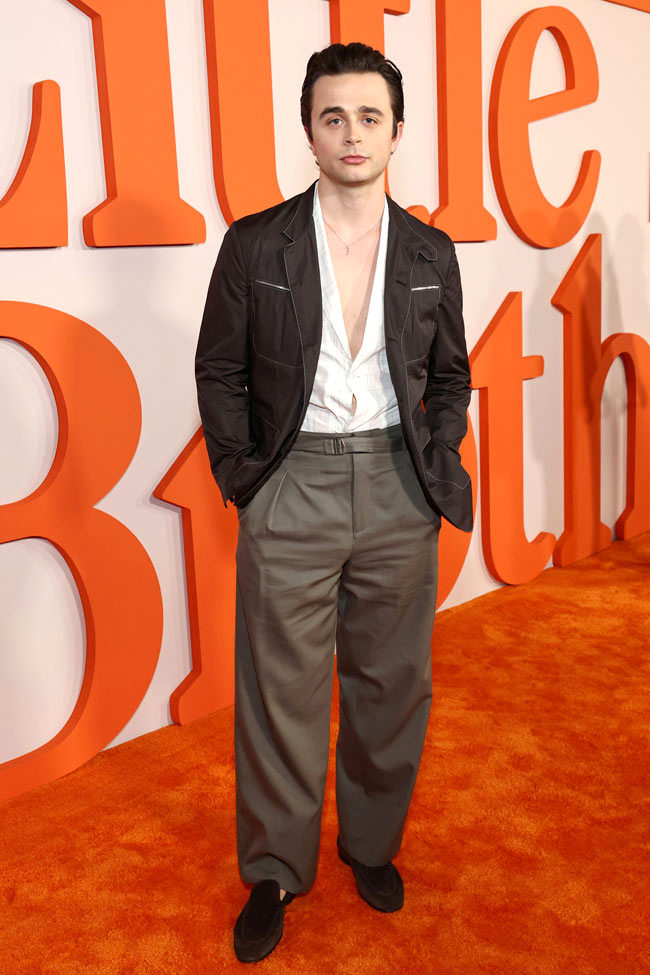
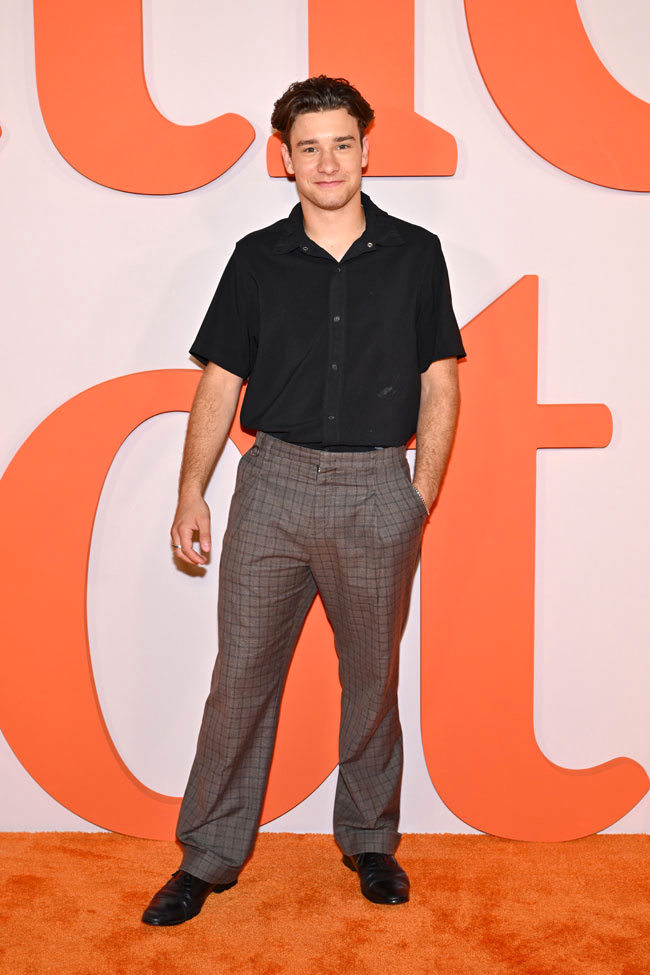
The fashion choices at the New York premiere were not merely aesthetic but acted as a reflection of the film’s internal conflict between order and chaos. John Cena’s penchant for bold, saturated colors—seen in his choice of a bright yellow suit—mirrored the "lovably chaotic" nature of his character in the film. Conversely, the more structured and traditional suits worn by younger cast members like Bryce Gheisar and Ben Ahlers represented the "tightly wound" world that the film’s protagonist attempts to maintain.
Sarah Ramos, another key member of the cast, opted for a floral print dress that added a touch of classic elegance to the event. Her styling, along with Pilot Bunch’s more relaxed ensemble, suggested the film’s broader appeal, touching on elements of domestic life and relatability. These stylistic choices serve as a visual shorthand for the film’s themes, a common tactic used in modern film promotion to subconsciously prepare audiences for the tone of the movie.
Chronology of the Premiere and Release Timeline
The New York premiere serves as the final major promotional event before the film’s global debut on the Netflix platform. The chronology of the project’s rollout has been meticulously planned to maximize visibility:
- Production Phase: Filming took place over several months, utilizing locations that emphasized the contrast between suburban professional life and urban spontaneity.
- Teaser Campaign: Netflix released a series of short-form clips focusing on the chemistry between Cena and André, targeting social media platforms to capture the younger demographic.
- The New York Premiere: The red carpet event on June 2026 acted as the official launch, providing high-resolution imagery and interview content for major news outlets.
- Global Launch: The film is scheduled to be available in over 190 countries simultaneously, supported by localized marketing efforts in key regions.
Broader Impact and Industry Implications
The success of Little Brother will likely influence how Netflix approaches its comedy slate in the coming years. If the film performs according to projections, it will reinforce the "buddy comedy" as a staple of digital distribution. Furthermore, the film’s ability to attract a cast of this caliber—ranging from veteran TV stars to internet-era comedians—demonstrates the growing prestige of streaming-original films.
The industry will also be watching the performance of Matt Spicer as a director. Transitioning from the indie circuit to a major Netflix production is a significant step, and Spicer’s success could pave the way for other independent filmmakers to take the helm of large-scale streaming projects.
As the premiere concluded and the first reactions began to circulate, the consensus pointed toward a film that balances slapstick humor with genuine emotional stakes. For Netflix, Little Brother represents more than just a single release; it is a testament to the enduring power of the comedy genre and the platform’s ability to curate events that capture the public’s imagination. With its blend of established stars and fresh creative voices, the film is poised to be a centerpiece of the summer’s entertainment landscape.