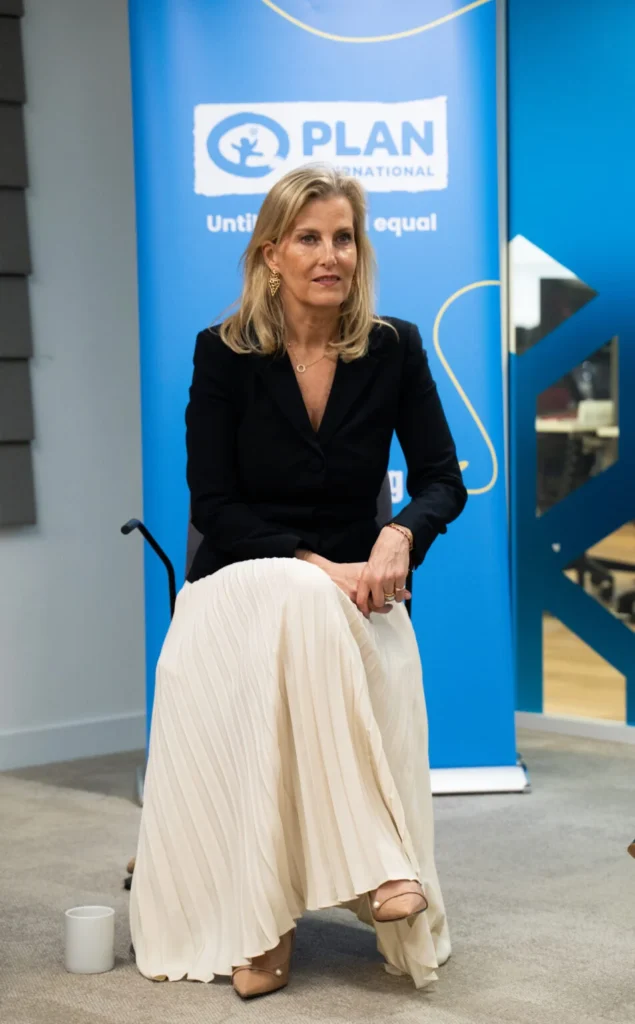

London – On the solemn third anniversary of the outbreak of the devastating conflict in Sudan, Her Royal Highness The Duchess of Edinburgh has issued a powerful plea for an immediate cessation of hostilities, emphasizing the catastrophic humanitarian crisis that has engulfed the nation and left an estimated 30 million people in dire need of assistance. The Duchess, a dedicated patron of the global children’s charity Plan International UK, participated in a high-level roundtable event in London aimed at amplifying the voices of the Sudanese people and shedding light on the profound and often overlooked impact of the war, particularly on women and girls.
The roundtable, meticulously organized by Plan International UK, served as a critical platform for dialogue and awareness-raising, coinciding with the grim milestone of three years since the conflict began. The Duchess of Edinburgh, known for her consistent advocacy for humanitarian causes, addressed the assembled delegates with a stark and moving assessment of the situation. "Sudan is reaping the most horrendous human cost on the planet," she stated, her words resonating with the gravity of the unfolding tragedy.
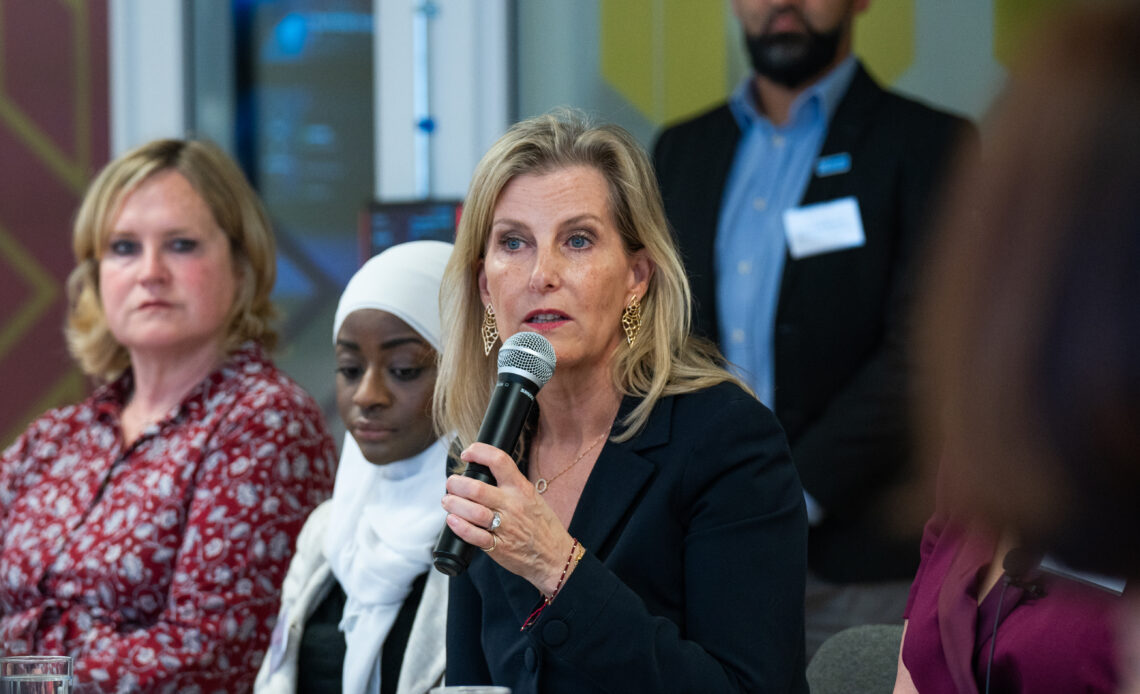
This engagement marks a significant continuation of The Duchess’s commitment to the region. Her Royal Highness had previously undertaken a visit to the Chad/Sudan border in 2024, an experience that evidently deeply impacted her perspective. During the London event, she actively engaged in discussions designed to provide a platform for firsthand accounts from those directly affected by the conflict. The harrowing testimonies shared offered a stark glimpse into the daily realities faced by Sudanese citizens, with a particular focus on the disproportionate and devastating impact on girls. Current estimates suggest that a staggering 12 million people within Sudan are at elevated risk of gender-based violence, a grim statistic that underscores the vulnerability of women and girls in this protracted crisis. The disruption to education, coupled with the pervasive threats of displacement and violence, further exacerbates their precarious situation.
A Personal Commitment to Amplifying Voices
Reflecting on her past engagements with individuals affected by conflicts globally, The Duchess shared a deeply personal account of the profound emotional toll that hearing the stories from Sudan has taken. "I’ve had the privilege of speaking to women impacted by conflicts from all over the world – but the stories from Sudan are the most harrowing I have ever heard," she confessed. "No human should ever have to encounter such devastation and violence." Her commitment to the Sudanese people was unequivocal as she pledged, "We must not forget about Sudan and I will keep raising my voice where and when I can." This personal promise underscores the urgency and sincerity of her advocacy.
The Genesis and Escalation of the Sudan Conflict
The current conflict in Sudan, which erupted in April 2023, stems from a complex power struggle between two principal factions: the Sudanese Armed Forces (SAF) and the paramilitary Rapid Support Forces (RSF). Their uneasy alliance, forged in 2019 to oust the long-standing authoritarian ruler Omar al-Bashir, ultimately fractured. Following al-Bashir’s removal, a transitional civilian-led government was established, but this fragile democratic experiment was short-lived. In 2021, a military coup saw the armed forces seize power, further entrenching military rule.
The divergence between the leader of the SAF, General Abdel Fattah al-Burhan, and the leader of the RSF, General Mohamed Hamdan Dagalo (also known as Hemedti), escalated into open warfare. The immediate catalyst for the 2023 outbreak is widely attributed to tensions arising from proposed security sector reforms that would have integrated the RSF into the regular army. The movement of RSF troops in a manner perceived as threatening by the SAF is believed to have ignited the initial hostilities. Since then, the fighting has intensified, resulting in tens of thousands of confirmed deaths and an untold number of unrecorded fatalities. The United Nations has unequivocally characterized the scale of displacement and the suffering of those remaining within the country as the world’s largest humanitarian crisis, a stark testament to the catastrophic consequences of this internal conflict.
A Collective Call for Peace and Solidarity
The roundtable event provided a tangible outlet for solidarity and remembrance. Attendees were invited to participate in a poignant activity: writing messages of support for the people of Sudan and affixing them to a symbolic "reflection tree." The Duchess of Edinburgh’s own message was simple yet profound: "Peace is the only option. The people of Sudan are not forgotten." This act of shared empathy served as a powerful reminder of the international community’s responsibility to stand with those enduring unimaginable hardship.
Rose Caldwell, CEO of Plan International UK, articulated the immense challenges faced by millions, particularly girls, as the conflict enters its fourth year. "As we mark three years since the start of the conflict, millions of children – especially girls – continue to face immense challenges, from disrupted education to increased risk of violence," she stated. Caldwell highlighted the critical disconnect between the scale of the crisis and the global attention it receives: "Despite the scale of this crisis, it remains critically underreported and underfunded." She expressed deep gratitude for The Duchess of Edinburgh’s unwavering support, noting, "We are honored by The Duchess of Edinburgh’s continued support in helping to shine a light on Sudan and amplify the voices of young people calling for change."
The Broader Implications: A Humanitarian Catastrophe Unfolding
The conflict’s impact extends far beyond the immediate casualties. The systematic destruction of infrastructure, including hospitals and schools, has crippled essential services. Food insecurity is rampant, with millions facing starvation due to disrupted agricultural production and the collapse of supply chains. The World Health Organization (WHO) has repeatedly warned of the severe strain on healthcare systems, with a significant number of health facilities rendered non-operational.
The widespread displacement has created a colossal refugee crisis, with neighboring countries like Chad, South Sudan, and Egypt struggling to cope with the influx of desperate individuals seeking safety. This mass exodus places immense pressure on the resources and infrastructure of host nations, further destabilizing an already fragile region. The United Nations High Commissioner for Refugees (UNHCR) has reported that millions have been forced to flee their homes, creating one of the largest displacement crises globally.
The specific vulnerability of women and girls in conflict zones is a recurring and deeply concerning theme. Reports from humanitarian organizations consistently highlight the increased risk of sexual violence, forced marriage, and exploitation for women and girls who have been displaced or are living in areas with limited state protection. The disruption to education not only halts immediate learning but also perpetuates cycles of poverty and limits future opportunities, particularly for girls who are often the first to be withdrawn from school during times of crisis.
A Call for Sustained Global Engagement
The Duchess of Edinburgh’s engagement and the Plan International UK roundtable serve as crucial reminders that the crisis in Sudan, despite its devastating scale, requires sustained global attention and action. The international community faces a critical juncture: to either heed the pleas of those suffering and mobilize significant humanitarian aid and diplomatic pressure, or to allow a humanitarian catastrophe to continue to unfold with devastating long-term consequences. The commitment expressed by The Duchess to "keep raising her voice" is a vital component in this ongoing struggle to ensure that the plight of the Sudanese people remains at the forefront of international consciousness. The call for peace is not merely a diplomatic nicety; it is an urgent imperative to avert further human suffering and to begin the arduous process of rebuilding a nation torn apart by conflict.