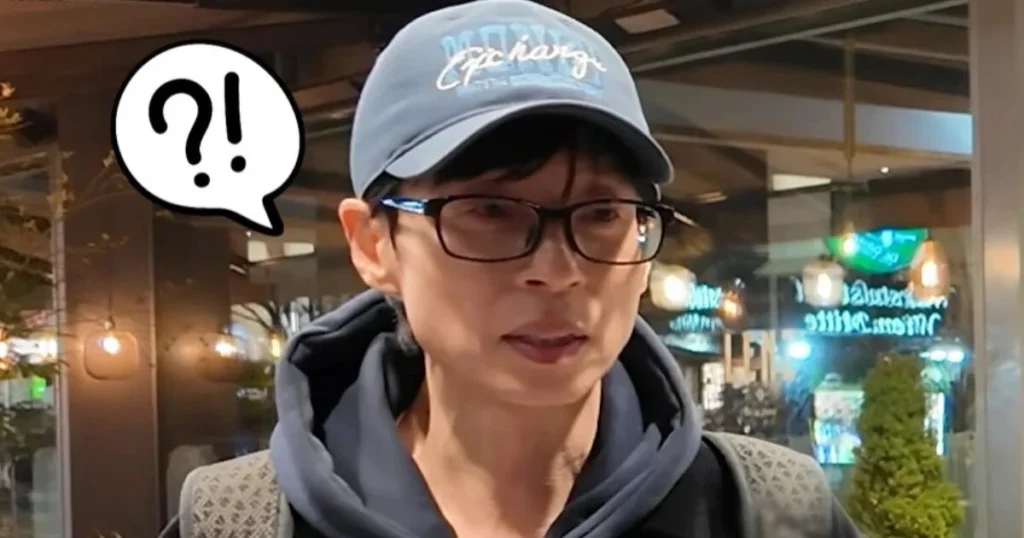

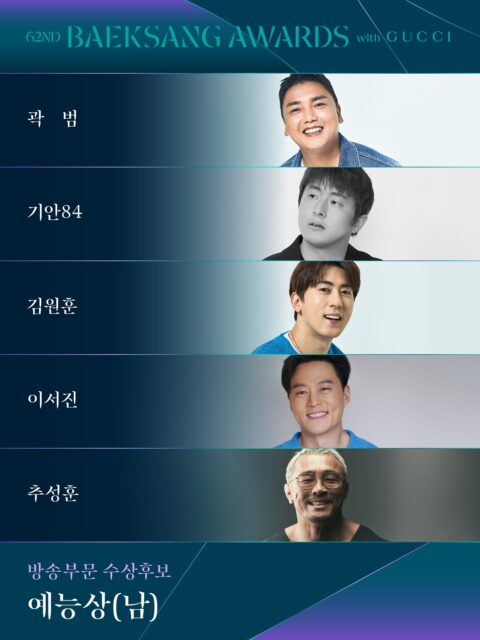
The announcement of the nominees for the 62nd Baeksang Arts Awards has ignited a firestorm of controversy across South Korean entertainment forums and social media platforms. On April 13, 2026, the Baeksang Arts Awards Secretariat released the official list of contenders for the upcoming ceremony, which honors excellence in film, television, and theater. While the list featured a diverse array of talent, the glaring absence of Yoo Jae Suk—widely regarded as the "Nation’s MC"—and his associated programs has led to widespread public outcry and accusations of administrative bias or "rigging" within the selection process.
As one of the most prestigious ceremonies in the South Korean entertainment industry, the Baeksang Arts Awards are often viewed as the definitive barometer of cultural impact. However, the decision to exclude Yoo Jae Suk from the Best Male Variety Performer category, and the omission of his high-performing shows from the Best Variety Program category, has raised fundamental questions regarding the criteria used by the judging committee in 2026.
The Scope of the 62nd Baeksang Arts Awards
The eligibility period for this year’s ceremony spanned from April 1, 2025, to March 31, 2026. During this twelve-month window, the committee evaluated hundreds of entries across terrestrial, cable, and streaming platforms. A significant update to the 62nd ceremony was the formal introduction of a dedicated Musical category, reflecting the evolving landscape of South Korean performing arts.
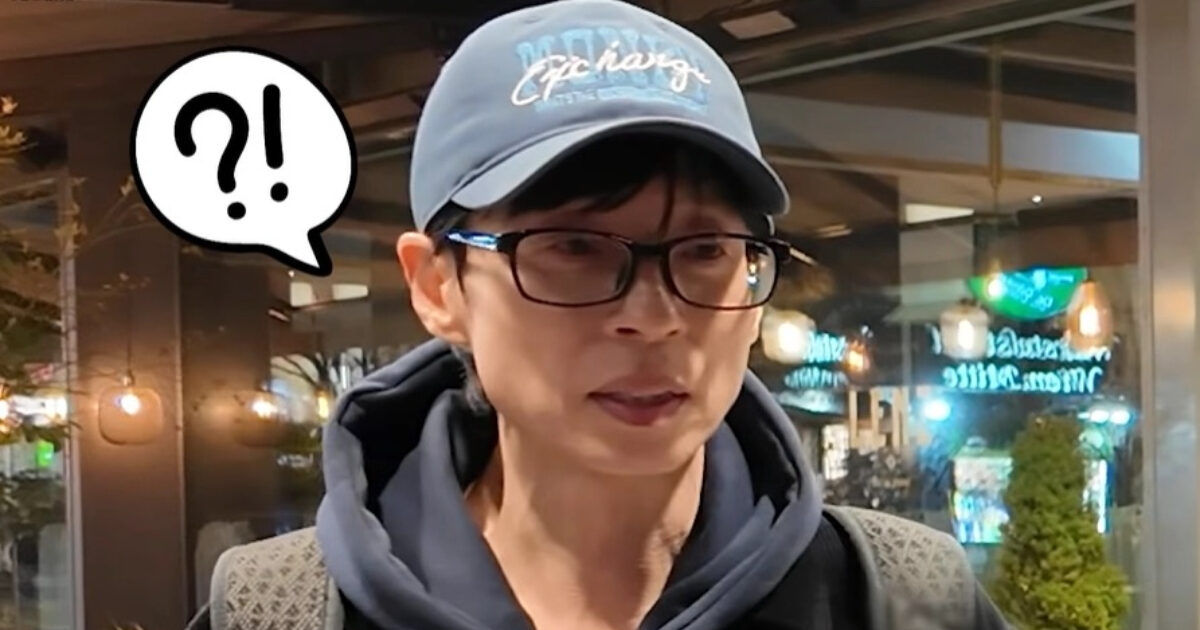
Despite these structural expansions, the variety and entertainment segment remains the most scrutinized by the general public. The nominees for Best Male Variety Performer and Best Variety Program usually reflect the personalities and shows that dominated the national conversation. Historically, Yoo Jae Suk has been a mainstay of these lists, having secured numerous wins and nominations over a career spanning three decades. His last major individual win at the Baeksang Arts Awards was in 2020 for Best Male Variety Performer, followed by the highly coveted Grand Prize (Daesang) in the television category in 2021.
A Dominant Year Unrecognized
The primary source of public frustration stems from the fact that Yoo Jae Suk’s influence did not appear to wane during the eligibility period. On the contrary, his portfolio expanded significantly into the digital realm while maintaining a foothold in traditional broadcasting.
His primary television vehicles, tvN’s You Quiz on the Block and MBC’s Hangout with Yoo, continued to post competitive viewership ratings and remained top-tier programs in terms of social media engagement and "buzzworthiness." You Quiz on the Block, in particular, has been praised for its humanistic approach and its ability to secure high-profile guests, ranging from international film stars to local heroes.
Furthermore, Yoo Jae Suk’s transition to web-based content via the YouTube channel "DdeunDdeun" has been remarkably successful. The talk show Pinggyego (Excuse Go) frequently amasses millions of views within hours of release, often surpassing 10 million views for episodes featuring popular celebrities. Given that the Baeksang Arts Awards recently updated their criteria to include web-based variety content to reflect changing consumption habits, the exclusion of Pinggyego—a program that arguably defined the web variety genre this past year—has been labeled by many fans as "illogical."

Statistical Data and Market Presence
Objective metrics from the past year suggest that Yoo Jae Suk remained a frontrunner for nomination. According to the Korea Entertainment Management Association and various brand reputation indexes, Yoo Jae Suk consistently ranked in the top three for "Variety Star Brand Reputation" throughout late 2025 and early 2026.
Data from Gallup Korea’s monthly "Favorite TV Programs" survey also showed You Quiz on the Block and Hangout with Yoo frequently appearing in the top ten list, a feat few other variety programs achieved consistently over the same 12-month period. In terms of digital impact, Pinggyego maintained an average "view-to-subscriber" ratio that outpaced many big-budget OTT (Over-the-Top) variety shows produced by platforms like Netflix or TVING.
The exclusion, therefore, does not appear to be based on a lack of popularity or a decline in performance. This has led industry analysts to speculate whether the Baeksang committee is attempting to force a "generational shift" by intentionally overlooking veteran performers in favor of rising stars or niche experimental content.
Public Reaction and the "Rigging" Debate
The reaction on online communities such as TheQoo, Nate Pann, and DC Inside was immediate and overwhelmingly critical. The term "rigging" (ju-jak) began trending shortly after the announcement, though in the context of South Korean award shows, this often refers to perceived unfairness or the deliberate manipulation of results to fit a specific narrative rather than literal criminal fraud.
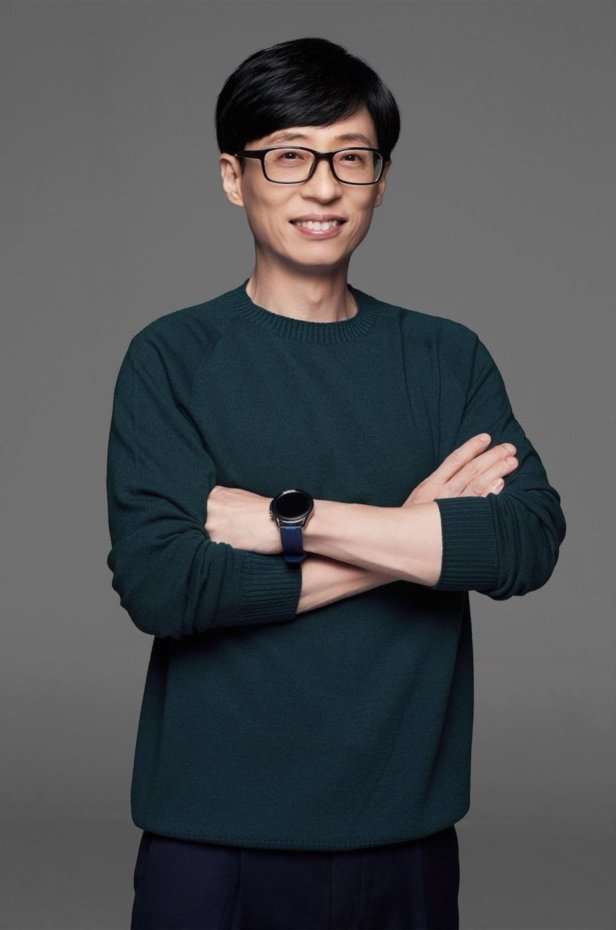
One viral post on a popular community board questioned: “Is it okay to rig things this obviously? How can the person who is most active on both TV and YouTube be completely ignored?” Another commenter noted, “Even if they wanted to give the award to someone else, not even giving him a nomination feels like a targeted snub. It undermines the prestige of the Baeksang name.”
The debate has also touched upon the transparency of the judging panel. While the Baeksang Arts Awards utilize a panel of industry experts, the specific weighting of viewership ratings, critical acclaim, and cultural impact remains undisclosed. Critics argue that if the awards are meant to honor the "best" of the year, failing to include the most statistically successful performer creates a disconnect between the academy and the public.
The Competitive Landscape of 2026
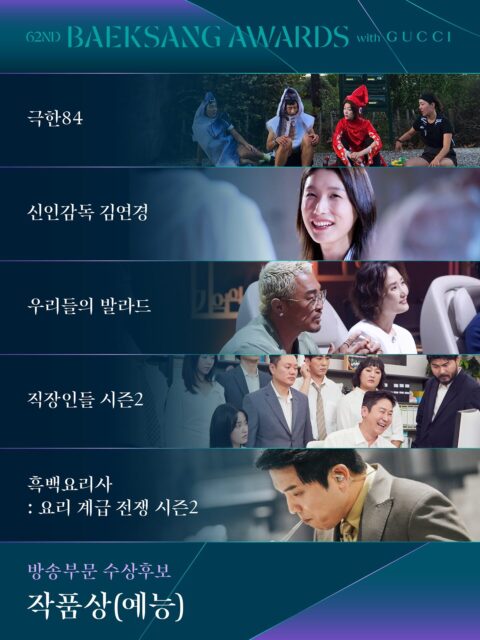
To understand the context of the omission, it is necessary to look at the programs and performers that did receive nominations. The 2026 list saw a heavy lean toward OTT content and "reality-survival" formats. Programs from platforms like Netflix, which have seen a surge in global popularity, occupied several spots in the Best Variety Program category.
The shift suggests that the Baeksang committee may be prioritizing high-concept, seasonal series over the year-round, weekly "lifestyle" variety format that Yoo Jae Suk excels in. While survival shows and dating realities often generate intense short-term discussion, fans of Yoo Jae Suk argue that his ability to maintain high engagement over 52 weeks a year is a more significant achievement that warrants recognition.
Historical Context of Baeksang Controversies
This is not the first time the Baeksang Arts Awards have faced criticism for their selection process. Over the decades, the committee has occasionally been accused of "gatekeeping" or favoring certain networks. However, the awards have also been praised for their willingness to recognize independent films and low-budget dramas that other ceremonies overlook.
The current controversy regarding Yoo Jae Suk is unique because of his status as a foundational figure in the industry. For many, a Baeksang ceremony without Yoo Jae Suk feels like a departure from the tradition of honoring the true leaders of the entertainment field. It recalls previous instances where high-profile stars were omitted, only for the committee to face a decline in viewership for the awards broadcast itself.
Professional Analysis of Implications
Industry experts suggest that this "snub" could have several long-term implications for the South Korean award circuit. First, it may accelerate the divide between "expert-led" awards and "fan-led" awards. If the Baeksang Arts Awards continue to move in a direction that ignores mainstream success in favor of internal industry preferences, they risk losing the "public trust" that makes their trophies so valuable to performers.
Second, the situation highlights the tension between traditional broadcasting (MBC, SBS, KBS) and the rising power of YouTube and OTT platforms. While Yoo Jae Suk successfully bridged the gap between both, the committee’s failure to nominate his web content might discourage other top-tier entertainers from investing heavily in digital formats if they believe such work will not be recognized by the industry’s highest honors.
Finally, there is the question of the "Yoo Jae Suk fatigue" narrative. Some insiders suggest that because Yoo Jae Suk has won so many times, the committee may feel a "burden" to find new faces to avoid the appearance of stagnation. However, analysts argue that "fairness" should dictate that the most deserving individual is nominated regardless of their past win count.
Official Response and Looking Ahead
As of the evening of April 13, the Baeksang Arts Awards committee has not issued a formal response to the specific outcry regarding Yoo Jae Suk. Traditionally, the committee does not comment on individual nomination decisions, maintaining that the results are the product of an independent and rigorous judging process.
The 62nd Baeksang Arts Awards ceremony is scheduled to take place in May 2026. While the event will undoubtedly feature many talented winners, the shadow of Yoo Jae Suk’s absence is likely to loom large over the proceedings. Whether this moment marks a permanent shift in the ceremony’s direction or a one-time anomaly remains to be seen. What is certain is that the "rigging" debate has highlighted a significant rift in how the industry and the public define "excellence" in the modern era of South Korean entertainment.