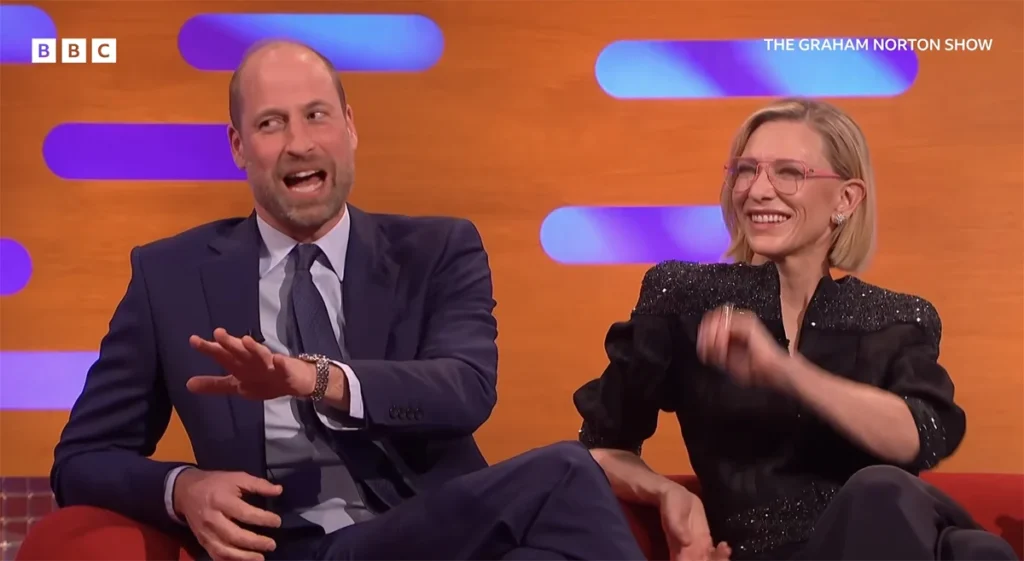

In a notable departure from traditional royal public relations strategies, the Prince of Wales made a historic appearance on the popular British talk show, The Graham Norton Show, this week. The engagement marks the first time a senior member of the British royal family has participated in such a capacity on the program, signaling a significant shift in how the monarchy interacts with contemporary media platforms. Prince William joined an eclectic panel of guests, including Academy Award-winning actress Cate Blanchett, television presenter and conservationist Robert Irwin, and stage and screen star Hannah Waddingham.
A Strategic Shift in Royal Communications
The appearance on The Graham Norton Show is widely viewed by media analysts as part of a broader, long-term strategy by the Prince and Princess of Wales to modernize the image of the monarchy. By stepping away from formal, scripted engagements and into the relaxed, comedic environment of a late-night talk show, the Prince is actively working to cultivate a more accessible and relatable persona. This move comes at a time when the royal family is navigating a complex digital landscape, seeking to reach younger demographics who primarily consume content through streaming services and social media rather than traditional broadcast news.
Historically, the British royal family has maintained a strict "never complain, never explain" policy, with appearances largely confined to formal interviews or controlled documentaries. The decision to participate in an entertainment-led program suggests a conscious effort to humanize the institution. By engaging in lighthearted banter and sharing personal anecdotes, the Prince aims to foster a stronger connection with the public, grounded in personal charisma rather than purely institutional authority.
The DJ Xara Revelation: A Glimpse into Private Life
During the broadcast, the conversation veered into the Prince’s youth and his aspirations outside of his official duties. In a candid moment that has since gained significant traction, Prince William disclosed a previously unknown detail about his younger years: he once harbored professional ambitions as a disc jockey.
The Prince shared that he had spent time exploring the craft and even devised a stage name, "DJ Xara." While he admitted that his career as a DJ did not materialize as he had hoped, the anecdote provided a rare look at the Prince’s personal interests during his formative years. This revelation serves as a poignant reminder that, beneath the weight of future sovereign responsibilities, the Prince shares many of the same developmental phases and youthful experiments as his contemporaries.
Timeline of Royal Media Engagement
The evolution of royal media appearances has been gradual, transitioning from the rigid structures of the mid-20th century to the more fluid, direct-to-consumer methods of the current era:
- 1969: The documentary Royal Family provided an unprecedented look at the daily lives of Queen Elizabeth II and her children, a landmark moment in media transparency.
- 1995: The Princess of Wales, Diana, gave her controversial and groundbreaking interview with Martin Bashir for the BBC’s Panorama, setting a precedent for intimate, personal storytelling.
- 2010s: The Duke and Duchess of Cambridge began utilizing social media platforms like Instagram and Twitter (now X) to provide behind-the-scenes glimpses of their work, moving away from exclusive press releases.
- 2020s: The Prince and Princess of Wales have increasingly focused on digital video content, utilizing high-production-value clips to highlight their charitable endeavors, such as the Earthshot Prize.
- 2026: The Prince’s appearance on The Graham Norton Show marks the latest milestone in this trajectory, moving beyond informational content into the realm of mainstream entertainment.
Supporting Context: The Panel and the Atmosphere
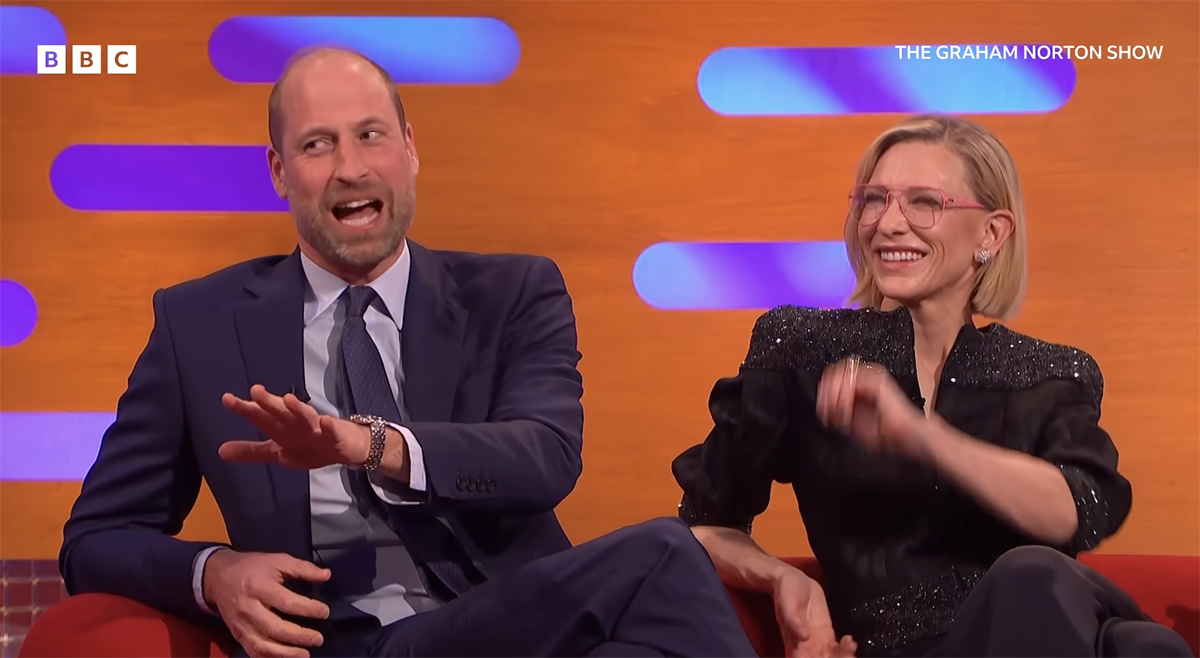
The success of the appearance was bolstered by the chemistry between the guests. Cate Blanchett, known for her sharp wit, and Hannah Waddingham, whose effervescent screen presence is well-documented, provided a balanced counterpoint to the Prince’s more reserved, albeit charming, demeanor. Robert Irwin, carrying on his father Steve Irwin’s legacy in conservation, shared a natural rapport with the Prince, given their shared commitment to environmental advocacy.
This interaction is not merely social; it is deeply professional. By appearing alongside figures of cultural influence, the Prince leverages their audiences to amplify his own messages—particularly concerning his environmental initiatives and mental health advocacy. The Graham Norton Show, which is syndicated internationally, provides a platform that reaches millions of viewers in the United States, Australia, and across Europe, far exceeding the reach of a standard domestic royal engagement.
Analysis of Implications for the Monarchy
The implications of this appearance are twofold. First, it demonstrates the Prince’s comfort level in unscripted environments. His ability to hold his own against professional comedians and seasoned entertainers suggests a high level of media training and self-assurance. Second, it highlights the changing expectations of the public regarding the monarchy. Today’s citizens demand transparency and a sense of authenticity from public figures; the "stiff upper lip" is increasingly being replaced by a demand for empathy and humor.
However, such appearances are not without risk. Critics argue that by entering the world of entertainment, the monarchy risks cheapening its status or appearing desperate for relevance. The challenge for the Prince and his communications team is to maintain the dignity required of his position while simultaneously participating in a format that thrives on irreverence. Balancing these two opposing forces will be the defining challenge of his tenure as Prince of Wales and, eventually, as King.
Broader Context and Future Outlook
The Prince’s recent activity follows ongoing discussions regarding the internal state of the royal family. While reports of family tension—often cited in the media regarding his brother, Prince Harry—continue to persist, the Prince’s public-facing strategy appears to remain focused on unity and stability. By maintaining a high-profile, positive public image, the Prince is essentially reinforcing the institution’s resilience against negative headlines.
Furthermore, this appearance should be analyzed in the context of the Prince’s upcoming milestones. As he prepares for the future, the cultivation of a personal brand that is distinct yet supportive of the crown is essential. The "DJ Xara" comment, while lighthearted, serves a broader purpose: it frames the Prince not as a distant, symbolic figure, but as a person who grew up in the same era as his audience, listening to the same music and harboring the same types of youthful dreams.
Conclusion
Prince William’s participation in The Graham Norton Show is a calculated and successful evolution of the modern monarchy. By successfully navigating a mainstream entertainment program, he has proven that the institution can adapt to the shifting sands of the media landscape without sacrificing its core values. Whether this leads to further, similar appearances remains to be seen, but the precedent has been set. The Prince of Wales has successfully demonstrated that, even while preparing for the throne, there is still room for a bit of humor, a bit of history, and perhaps, even a lingering interest in the beats of a DJ booth.