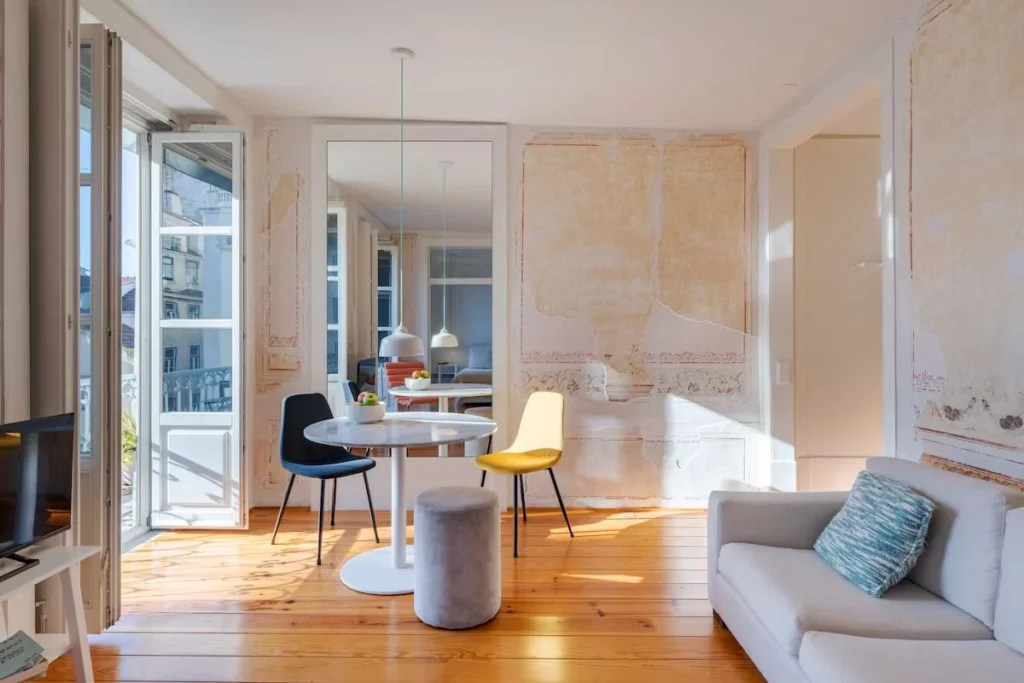

Lisbon has emerged as one of the most compelling destinations in Europe, characterized by a unique blend of historical grandeur and contemporary vitality. For many travelers, the appeal of the city lies in its ability to linger in the memory through its vibrant rhythm, classic Pombaline architecture, intricate azulejo tiled walls, and its distinctive golden light. While traditional luxury hotels remain a staple of the hospitality sector, a growing segment of international visitors is opting for short-term rentals via platforms like Airbnb. This shift represents a broader trend toward "lived-in immersion," where travelers seek to adapt to the local pace of life—beginning their mornings with an espresso on a private balcony and concluding their evenings with a glass of port by a private pool.
The demand for high-quality, stylish rentals in Lisbon has spurred a sophisticated market of properties that offer more than just a place to sleep. These accommodations provide practical perks such as full-sized kitchens and dedicated workspaces, catering to the rising demographic of digital nomads and long-term travelers. From apartments featuring 19th-century frescoes to modern lofts situated in former industrial zones, the current inventory of Lisbon rentals reflects the city’s multi-layered history and its ongoing urban evolution.
The Architectural Context of the Lisbon Rental Market
To understand the diversity of Lisbon’s current rental offerings, one must consider the city’s architectural timeline. Much of the city center was rebuilt following the devastating earthquake of 1755. Under the direction of the Marquis of Pombal, the "Baixa" (downtown) area was redesigned using one of the earliest examples of earthquake-resistant construction, known as the Pombaline style. This aesthetic, characterized by its functional grid layout and ornate stonework, remains the dominant visual identity of the city.
In contrast, neighborhoods like Alfama survived the earthquake, retaining their medieval, labyrinthine layouts. Newer districts, such as Santos and Cais do Sodré, have transitioned from industrial and maritime hubs into centers for design and nightlife. This historical variety allows travelers to choose accommodations that align with specific architectural interests, whether they prefer the rustic charm of an 18th-century stone wall or the sleek lines of a 1930s modernist remodel.
Premier Accommodations: A Curated Selection
High-Capacity Design in Santos
In the heart of Lisbon’s design district, Santos, a five-bedroom townhouse offers a template for large-group luxury. Priced from approximately $1,182 per night, this property accommodates up to nine guests. The interior design reflects the neighborhood’s creative reputation, utilizing modular, Scandinavian-inspired furniture and extensive granite finishes in the bathrooms. Notably, the property is tailored for extended stays, featuring window-nook desks and a 16-seater dining table, addressing the needs of the "work-from-home" traveler.
Bohemian Living Near the Botanical Garden
For those seeking a more creative atmosphere, an apartment overlooking the local botanical garden provides a "treehouse-like" experience. At a starting rate of $297 per night, this fifth-floor rental features floor-to-ceiling windows that frame the city skyline and the Castelo de São Jorge. The interior emphasizes a bohemian aesthetic with rustic wooden beams and extensive bookshelves, appealing to travelers who prioritize atmosphere and views over minimalist modernity.
Historical Preservation in Baixa and Alfama
In the historic Baixa district, a recently renovated one-bedroom apartment showcases the city’s commitment to heritage. During the renovation, 19th-century frescoes were uncovered and preserved, serving as the focal point of the space. This property, starting at $340 per night, blends historical art with minimalist furniture.
Similarly, the Alfama district—the city’s oldest quarter—hosts a romantic studio located directly across from the Lisbon Cathedral. This 18th-century building integrates "cottagecore" elements with traditional azulejos tiles. Its proximity to the iconic Tram 28 and local fado houses makes it a prime location for travelers interested in the traditional soul of the city. Rates for this studio begin at $320 per night.
Modern Luxury and Outdoor Amenities
The availability of private outdoor space is a significant driver in the high-end rental market. A modern townhouse located away from the primary tourist corridors offers a private pool and a verdant garden courtyard, with prices starting at $1,129 per night. The interior features Brutalist design elements, including concrete counters and oversized soaking tubs.
For travelers exploring Portugal by car, a contemporary five-bedroom loft on the city’s outskirts provides on-site parking and a courtyard pool. Located in a posh gallery district, this property is priced from $1,410 per night and includes an on-site caretaker, reflecting a move toward service-oriented rentals that bridge the gap between private homes and boutique hotels.
Supporting Data: The Growth of Lisbon’s Tourism Sector
The rise of these high-end Airbnbs is supported by robust tourism data. In 2023, Portugal’s tourism industry reached record-breaking figures, with the National Institute of Statistics (INE) reporting over 30 million guests and 77 million overnight stays nationwide. Lisbon remains the primary driver of this growth. According to the Tourism Observatory of Lisbon, the city saw a significant increase in international arrivals from the United States, Brazil, and the United Kingdom.
The average daily rate (ADR) for short-term rentals in Lisbon has seen a steady climb, reflecting both inflation and the increasing premium placed on high-quality design. Data from market analysts indicate that properties with unique architectural features or private outdoor spaces can command prices 40% to 60% higher than standard apartment rentals in the same districts.
Regulatory Landscape and Industry Responses
The expansion of the short-term rental market has not been without controversy. The Portuguese government has introduced several measures to balance the needs of the tourism industry with the housing requirements of local residents. The "Mais Habitação" (More Housing) program, approved in 2023, introduced new taxes on short-term rentals and suspended the issuance of new licenses for "Alojamento Local" (local lodging) in high-density urban areas, including many parts of Lisbon.
The Association of Local Lodging in Portugal (ALEP) has expressed concerns that these regulations could stifle economic growth and limit the options available to travelers who prefer the flexibility of apartments over hotels. Conversely, the Portuguese Hotel Association (AHP) has advocated for a more level playing field, arguing that short-term rentals should be subject to the same rigorous safety and tax standards as traditional hotels.
Despite these regulatory shifts, the demand for immersive stays remains high. Property owners are increasingly focusing on "quality over quantity," investing in high-end renovations and unique interior design to attract a more affluent, respectful demographic of travelers.
Broader Impact and Future Implications
The evolution of Lisbon’s Airbnb market has broader implications for the city’s urban fabric. The influx of investment into historic buildings has led to the restoration of many structures that were previously in a state of disrepair. This "gentrification through design" has revitalized neighborhoods like Santos and Cais do Sodré, attracting new businesses, art galleries, and restaurants.
However, the analysis of these trends also highlights the challenge of maintaining the city’s authentic character. As more buildings are converted into high-end rentals, the risk of "touristification"—where local services are replaced by amenities catering solely to visitors—becomes more pronounced. The properties highlighted in this report represent the pinnacle of the current market, offering travelers a chance to engage with Lisbon’s history and design in a private, curated setting.
Looking ahead, the Lisbon rental market is expected to become even more segmented. We are likely to see a continued rise in "workation" properties equipped with high-speed internet and ergonomic workspaces, as well as an increase in eco-conscious rentals that emphasize sustainable materials and energy efficiency.
For the traveler, the current landscape of Lisbon Airbnbs offers an unprecedented level of choice. Whether one seeks the historical resonance of a 19th-century fresco or the modern luxury of a Brutalist townhouse with a pool, these accommodations provide a gateway to a deeper, more personal understanding of the Portuguese capital. As the city continues to navigate the complexities of modern tourism, these stylish, lived-in spaces will remain a vital part of Lisbon’s enduring appeal.