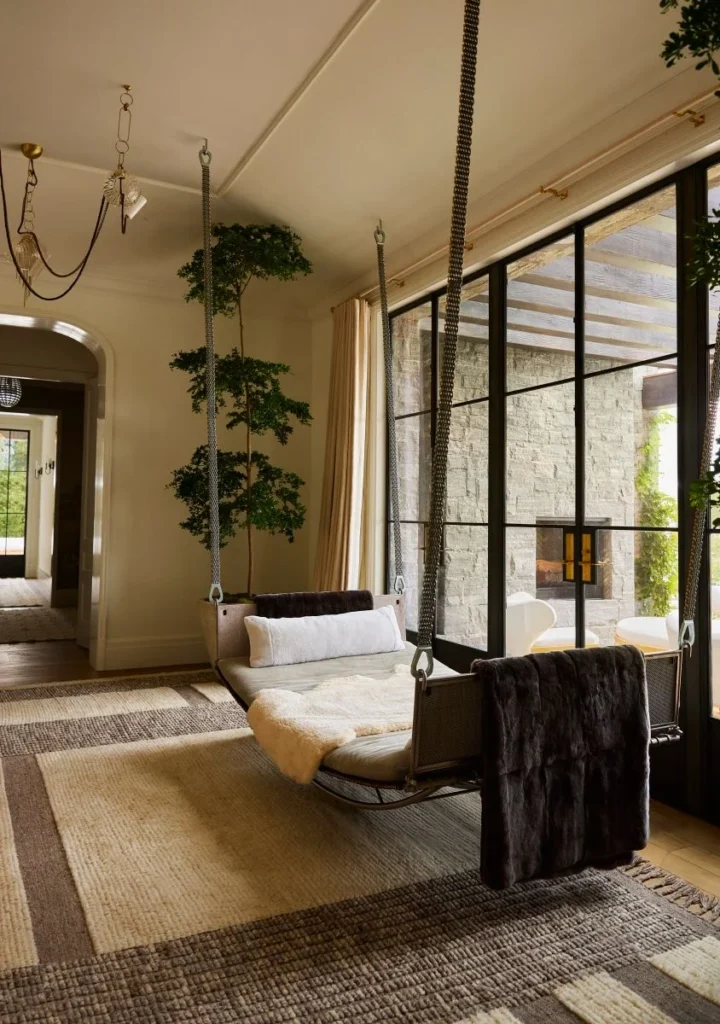

As the transition into the warmer months begins, the focus of residential design has shifted from the interior confines of the home to the fluid integration of indoor and outdoor living spaces. Long considered a humble staple of backyard leisure or rugged camping expeditions, the hammock has undergone a sophisticated transformation, emerging as a versatile element of high-end interior and exterior design. This evolution is driven by a confluence of celebrity endorsements, advancements in textile technology, and a broader cultural movement toward "slow living" and wellness-focused home environments.
The Evolution of Suspended Seating: A Brief Chronology
The history of the hammock is rooted in functionality rather than luxury. Originally developed by the indigenous peoples of Central and South America—specifically the Taino people of the Bahamas—hammocks were crafted from the bark of the hamack tree to provide protection from the damp ground and pests. Following Christopher Columbus’s arrival in the Americas in the late 15th century, the design was adapted for use by the Spanish and British navies. For centuries, the hammock served as a space-saving solution for sailors on cramped vessels, providing a stable sleeping surface that swayed with the motion of the sea.
By the late 19th and early 20th centuries, the hammock transitioned into the realm of Victorian leisure. It became a symbol of the American middle class, appearing on sprawling porches and in manicured gardens as a tool for relaxation. However, it was not until the 21st century that the hammock ascended to the level of high design. Today, it is no longer relegated to the backyard; it is a statement piece featured in the residences of global icons. Gwyneth Paltrow’s Montecito sanctuary, designed in collaboration with AD100 talents Roman and Williams and Romanek Design Studio, famously features a Him Zivic hammock for Ralph Pucci. Similarly, figures like Hilary Duff and Calvin Klein have integrated suspended seating into their living spaces, signaling a paradigm shift in how modern homeowners perceive domestic comfort.
Market Trends and Consumer Behavior in Outdoor Living
The demand for premium hammocks is part of a larger surge in the outdoor furniture market. According to recent market analysis data, the global outdoor furniture market is projected to reach approximately $25 billion by 2030, growing at a compound annual growth rate (CAGR) of over 5%. This growth is largely attributed to the "residential resort" trend, where homeowners invest in high-quality furnishings to emulate the experience of a luxury vacation at home.

Consumer behavior data indicates that the modern buyer prioritizes three key factors: durability, aesthetic versatility, and sustainability. As urban living spaces become more compact, the "indoor-outdoor" hybrid model has gained traction. This has led to the development of hammocks that use sophisticated materials like Sunbrella fabric, which offers the tactile feel of indoor upholstery while possessing the resilience required to withstand UV exposure and moisture.
Technical Analysis of Leading Hammock Designs
The current market offers a diverse array of options, each tailored to specific architectural needs and lifestyle preferences. Journalistic evaluation of the leading products reveals a focus on engineering and material science.
Weather-Resistant Performance Models
For outdoor environments prone to unpredictable weather, the L.L. Bean Quilted Sunbrella Hammock represents the industry standard for durability. Utilizing Sunbrella fabric—a solution-dyed acrylic that is fade-resistant and easy to clean—this model is designed for longevity. The inclusion of steel hardware ensures structural integrity, making it a viable option for coastal regions where salt air can be corrosive to lesser materials.
The Intersection of "Gorpcore" and High Design
The "gorpcore" trend—a fashion and decor movement that adopts functional outdoor aesthetics for urban environments—is exemplified by the HAY Hammock. Designed by Jasper Morrison for the Outdoor Market collection, this piece utilizes a playful pinstripe aesthetic and beech wood supports. It bridges the gap between a portable camping accessory and a permanent design fixture, reflecting a broader cultural interest in nomadic and modular living.
Architectural and Space Age Silhouettes
For those seeking privacy and architectural impact, the Vivere Vibrant Hanging Hammock offers a conical, cocoon-like shape. This design departs from the traditional horizontal sling, leaning into a "Space Age" aesthetic that prioritizes total immersion and UV protection. Such designs are increasingly popular in contemporary landscape architecture as they provide a vertical element to garden designs.
Sustainability and Ethical Craftsmanship
The push for eco-conscious manufacturing has significantly impacted hammock production. The Ferm Living Path Hammock is constructed from 100% recycled polyethylene terephthalate (PET) yarn, derived from post-consumer plastic waste. This process transforms discarded bottles into a soft, hand-braided textile that is suitable for both indoor and outdoor use. Similarly, the Nanimarquina Wellbeing collection, designed by Ilse Crawford, emphasizes organic materials and the absence of toxic dyes, catering to the growing "clean decor" market.
The Psychological Impact of Suspended Seating
The rise of the indoor hammock is not merely an aesthetic choice; it is supported by physiological and psychological data. Research in sleep science suggests that the gentle rocking motion of a hammock can facilitate a faster transition into deep sleep and improve overall sleep quality by synchronizing brainwaves.
Furthermore, the "cocooning" effect of a fabric hammock is often cited by mental health professionals as a tool for anxiety reduction. By providing a sense of weightlessness and gentle pressure, suspended seating can act as a physical intervention for stress. This explains the integration of hammocks into "serene family sanctuaries" like that of Gwyneth Paltrow, where the home is viewed as a holistic environment for recovery and wellness.
Designer Perspectives and Industry Reactions
Industry experts suggest that the integration of hammocks into high-end interiors represents a move away from rigid, formal living rooms toward more playful and adaptive spaces. Ralph Pucci, a titan in the world of high-end furniture galleries, has noted that suspended seating challenges the traditional boundaries of furniture, encouraging homeowners to interact with their environment in three dimensions rather than just two.
Sarah Sherman Samuel, an AD-approved designer, has emphasized that the "cabana vibe" provided by striped, cushioned hammocks serves as a visual shorthand for relaxation. By incorporating these pieces into residential projects, designers can instantly lower the "formality" of a room, making it feel more approachable and lived-in.

Broader Implications for Residential Architecture
As we look toward the future of residential design, the hammock serves as a microcosm of larger trends. The blurring of the line between the interior and the exterior is no longer a luxury but a standard expectation in modern architecture. The use of sustainable materials like recycled PET and ethically sourced organic cotton indicates a permanent shift in manufacturing priorities.
Moreover, the hammock’s transition from a naval necessity to a celebrity-endorsed luxury item reflects the cyclical nature of design, where utilitarian objects are rediscovered and elevated through the lens of modern aesthetics. Whether it is a hand-woven Yucatan rope hammock or a teak-framed pillowtop model, these pieces represent an investment in the quality of domestic life.
Conclusion: A Permanent Fixture of the Modern Home
The best hammocks of the current season are characterized by their ability to adapt to diverse environments. They are no longer temporary summer accessories but are increasingly viewed as permanent architectural interventions. As homeowners continue to prioritize wellness and the creation of "faux-vacation" spaces, the demand for sophisticated, durable, and ethically produced suspended seating is expected to remain high.
The move toward hammocks in the living room, once considered a radical bohemian choice, has been validated by the design elite. From the minimalist pinstripes of Danish design to the lush, tasseled textures of Nicaraguan craftsmanship, the hammock has secured its place as a cornerstone of the modern, tranquil home. As summer approaches, these versatile perches offer a practical solution for those seeking to upgrade their space with a blend of historical charm and contemporary luxury.