
A significant new initiative, the Queen Elizabeth Digital Memorial, has been launched, offering individuals worldwide an unprecedented opportunity to contribute their personal memories and reflections of Her Majesty Queen Elizabeth II. This comprehensive online platform, unveiled on April 21, 2026, coinciding with the centenary of the late Monarch’s birth, aims to create a living, evolving testament to her remarkable 70-year reign. The Cabinet Office, responsible for the memorial’s development, has extended an open invitation to people from the United Kingdom, the Commonwealth, and the wider global community to share their recollections, ensuring a diverse tapestry of experiences and perspectives.
A Digital Tapestry of Remembrance
The Queen Elizabeth Digital Memorial is more than just a static repository of information; it is designed as an interactive and engaging platform. At its core, it features a meticulously curated timeline of Queen Elizabeth II’s life and reign, highlighting pivotal moments, significant achievements, and the enduring legacy she leaves behind. This chronological framework provides essential context for the myriad memories shared by the public.
Complementing the timeline is an innovative interactive map. This feature visually represents the vast geographical reach of Queen Elizabeth II’s influence and engagements. Users can explore locations and events where Her Majesty played a significant role, with the map designed to expand and grow as more memories and associated locations are added by contributors. This dynamic element promises to transform the memorial into a constantly evolving narrative of her global impact.
The invitation to contribute is broad, encouraging anyone who lived through her historic seven-decade reign to share their personal anecdotes, observations, and feelings. The platform specifies a minimum of five words and a maximum of 1,000 words for each submission, ensuring that contributions are both concise and substantial. All submitted memories will undergo a checking process prior to publication, maintaining the integrity and respectful tone of the memorial.
Notable Contributions and Personal Reflections
The launch of the memorial was accompanied by a series of heartfelt contributions from prominent figures, offering a glimpse into the personal impact Queen Elizabeth II had on individuals from various walks of life.
Olympic gold medallist Tom Daley shared a vivid recollection of meeting the Queen at Buckingham Palace following his participation in the Beijing Olympics in 2008. He described her "incredible presence" and her diligent effort to personally greet every member of Team GB. Daley’s memory, as recorded on the digital tribute, states: "I remember when the Queen came into the room everyone just, she always had this incredible presence and she came round and shook every single member of Team GB’s hand and she made sure to say hello to every single member of the team." He also recounted a lighthearted anecdote about sitting on the throne after Her Majesty had departed, an act for which he, at 14 years old, was gently reprimanded, having been unaware it was an impropriety. This recollection underscores the Queen’s ability to connect with individuals, even amidst formal occasions, and highlights the youthful exuberance of those who met her.
Baroness Amos, a distinguished figure in public service, shared a deeply personal and significant memory related to her appointment as a Companion of the Order of the Garter. She noted that it was Queen Elizabeth II’s "very last list" that saw her appointed. Baroness Amos described an audience with the Queen prior to the official ceremony as one of her "most special moments," during which Her Majesty "taught through the various parts of the insignia and what they meant." This anecdote speaks to the Queen’s dedication to tradition and her personal engagement with those she honored, demonstrating a profound sense of duty and respect for the institutions she represented.
These early contributions set a tone of personal connection and profound respect, illustrating the diverse ways in which Queen Elizabeth II touched lives across society.
The Significance of the Centenary Launch
The choice of April 21, 2026, for the launch of the Queen Elizabeth Digital Memorial is highly symbolic. This date marks the 100th anniversary of the birth of Queen Elizabeth II, a monarch whose reign spanned an era of unprecedented global change and technological advancement. Her passing in September 2022, at the age of 96, marked the end of an era, and the subsequent period has seen a widespread outpouring of grief and a desire to commemorate her enduring legacy.
The digital memorial serves as a fitting tribute in the 21st century, leveraging technology to create a platform that is accessible to a global audience. In an age where digital communication is paramount, an online memorial ensures that people from all corners of the world, regardless of geographical or physical limitations, can participate in remembering their late Sovereign.
The timing also coincides with the finalization of plans for the National Memorial to Queen Elizabeth II, to be located in St. James’s Park, London. The announcement of the final details for this physical monument on the same centenary date further emphasizes the concerted effort to create lasting tributes to her memory. The juxtaposition of a digital and a physical memorial highlights a multifaceted approach to remembrance, catering to different forms of commemoration and public engagement.
Data and Context: A Reign of Unparalleled Longevity
Queen Elizabeth II ascended to the throne on February 6, 1952, and her reign lasted for 70 years and 214 days, making her the longest-reigning monarch in British history and the second-longest reigning monarch of a sovereign country. This extraordinary tenure saw her witness and preside over immense transformations:
- Political Landscape: During her reign, the United Kingdom saw 15 Prime Ministers, from Winston Churchill to Liz Truss. She also oversaw the decolonization of the British Empire and the evolution of the Commonwealth of Nations into a voluntary association of 56 independent countries.
- Social and Cultural Shifts: Her reign spanned significant social movements, technological revolutions, and evolving cultural norms. She was a constant figurehead through periods of economic boom and bust, social upheaval, and the advent of the digital age.
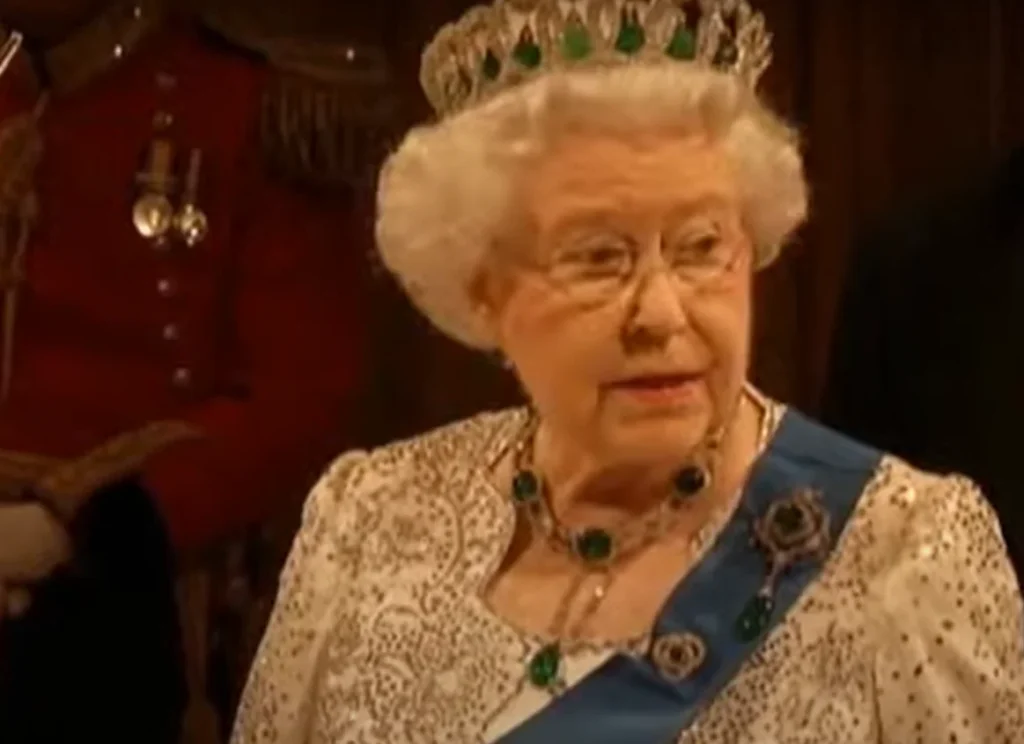
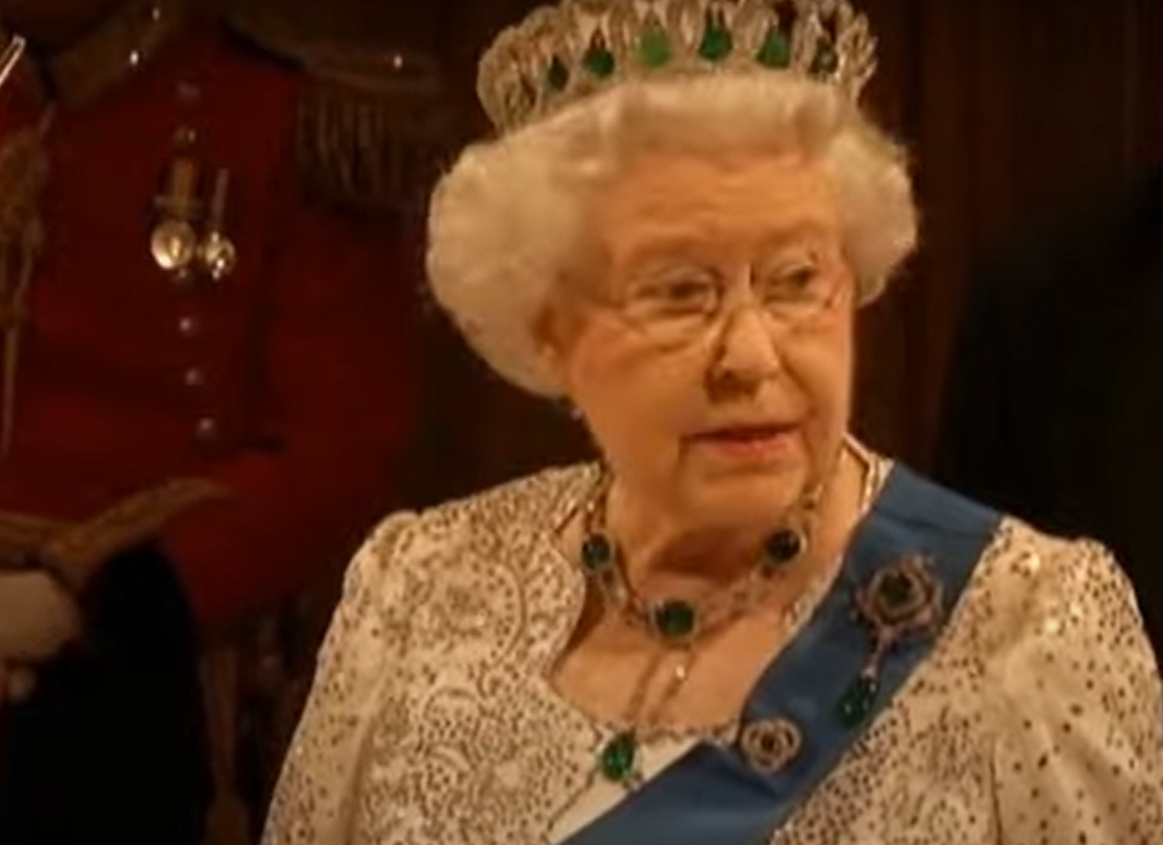
- International Relations: Queen Elizabeth II was a key figure in maintaining diplomatic ties and representing the UK on the global stage. She undertook numerous state visits and hosted world leaders, playing a crucial role in international diplomacy. Her first state visit to the Republic of Ireland in 2011, for example, was a landmark event, symbolizing a new era of relations between the two countries after centuries of complex history. The image accompanying this article, depicting Queen Elizabeth II at an Irish State Banquet in Windsor Castle in April 2014, serves as a visual reminder of these significant diplomatic overtures.
- Technological Advancements: From the advent of television and the first live broadcast of her coronation in 1953, to the proliferation of the internet and social media during her later years, Queen Elizabeth II adapted and remained a visible public figure throughout these technological shifts. The digital memorial itself is a testament to this enduring presence in the digital sphere.
Broader Impact and Implications
The Queen Elizabeth Digital Memorial represents a significant shift in how royal history and public commemoration are approached. By inviting global participation, it democratizes the act of remembrance, moving beyond official pronouncements and curated historical accounts to embrace the lived experiences of ordinary citizens.
Analysis of Implications:
- Historical Record: The collective memories shared on the platform will form an invaluable, albeit informal, historical record. This will offer future historians and the public unique insights into how the Queen was perceived and experienced by people across different cultures, generations, and social strata.
- Community Building: The memorial has the potential to foster a sense of shared experience and community among those who feel a connection to Queen Elizabeth II and her legacy. It provides a common ground for reflection and discussion.
- Legacy Management: The initiative is a proactive approach to managing the late Monarch’s legacy. By empowering the public to contribute, it ensures that her story is told from multiple perspectives, creating a more nuanced and comprehensive understanding of her impact.
- Digital Diplomacy and Soft Power: The global reach of the memorial underscores the continued soft power of the British monarchy. An accessible digital platform can reinforce international goodwill and understanding.
- Accessibility and Inclusivity: The online nature of the memorial ensures unprecedented accessibility, allowing individuals who may not have had the opportunity to attend public events or access traditional archives to participate in commemorating the Queen.
Official Responses and Future Growth
The launch of the memorial by the Cabinet Office signifies a formal recognition of the public’s desire to engage with the legacy of Queen Elizabeth II. While the initial launch has featured celebrity endorsements, the true power of the platform will lie in the breadth and depth of contributions from the general public.
The interactive map, in particular, is poised to become a significant feature. As more users contribute memories linked to specific locations or events, the map will visually illustrate the Queen’s extensive travels and engagements. This will not only serve as a historical record but also as an educational tool, highlighting the geographical scope of her duties and her presence in communities worldwide.
The ongoing development of the Queen Elizabeth Digital Memorial is anticipated. As the platform matures, it is likely to incorporate further features and potentially integrate with other historical archives or cultural institutions. The commitment to checking contributions before publication suggests a dedication to maintaining a respectful and appropriate environment for remembrance.
Conclusion
The Queen Elizabeth Digital Memorial stands as a modern and inclusive tribute to a monarch who defined an era. By inviting the world to share their memories, it aims to create a rich and multifaceted portrait of Queen Elizabeth II’s enduring impact. The platform, launched on the significant occasion of her birth centenary, offers a unique opportunity for global participation, ensuring that her legacy continues to be remembered, understood, and celebrated for generations to come. The blend of historical context, personal anecdotes, and interactive features promises to make this digital memorial a vital resource for understanding the life and reign of one of history’s most iconic figures.