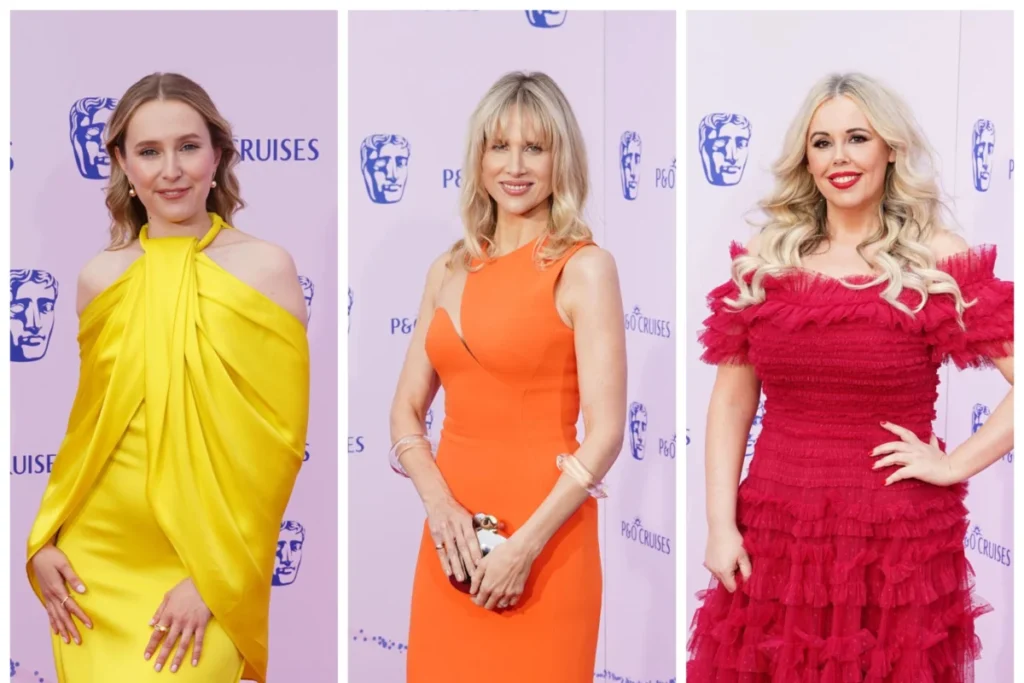

The 2026 BAFTA Television Awards, held at the illustrious Southbank Centre’s Royal Festival Hall, unfolded as a vibrant spectacle of British television excellence, but it was the red carpet fashion that truly set the tone for the evening. Eschewing muted palettes, the UK’s biggest stars collectively embraced a powerful theme: "dopamine dressing," transforming the iconic entrance into a dazzling mosaic of bold, primary colours and shimmering textures. This sartorial choice, characterized by vivid hues and exuberant designs, heralded a confident and celebratory mood, reflecting a broader trend in post-pandemic fashion that champions optimism and joy through attire. Actresses Jodie Whittaker, Roisin Conaty, and Rose Ayling-Ellis led the charge, arriving in gowns that were not merely outfits but statements of vibrant individuality, painting a picture of contemporary glamour in ruby, tangerine, and sparkling metallics.
The Prestigious Platform: BAFTA Television Awards in Context
The BAFTA Television Awards stand as a cornerstone of the British entertainment calendar, celebrating outstanding achievements in television across a myriad of categories, from drama and comedy to factual programming and news. Established in 1955, these awards are administered by the British Academy of Film and Television Arts, an independent charity that supports, develops, and promotes the art forms of the moving image. Over decades, the ceremony has evolved from a formal industry gathering into a significant cultural event, eagerly anticipated by both industry insiders and the public. Beyond recognizing talent, the BAFTA red carpet has become a globally watched runway, a barometer of current fashion trends, and a platform for designers to showcase their creations on some of the most recognizable faces in the entertainment world. The 2026 iteration continued this tradition, with the fashion choices often sparking as much discussion and analysis as the award winners themselves, solidifying the event’s dual role as an industry accolade and a premier style showcase.

Dopamine Dressing: A Deep Dive into the Psychology of Colour
The term "dopamine dressing," popularized in recent years, describes the deliberate act of wearing clothing that evokes positive emotions and boosts mood. It’s a concept rooted in colour psychology, where certain hues are known to stimulate feelings of happiness, energy, and confidence. For the 2026 BAFTA red carpet, this trend manifested profoundly, with celebrities opting for a palette that was anything but subtle. The prevalence of bright, primary, and secondary colours like ruby red, tangerine orange, sunshine yellow, and vibrant lime green was a clear departure from the often understated or classic choices seen in previous years, signaling a collective desire for visual cheer and an energetic approach to formalwear. This trend resonated particularly strongly following periods of global uncertainty, with fashion becoming a tangible tool for self-expression and emotional uplift. The vividness of the gowns and suits was not just a stylistic preference but a cultural statement, suggesting a return to joy and exuberance in public life.
The Reign of Ruby: Bold Reds Command Attention
Red, a colour synonymous with passion, power, and confidence, emerged as a dominant force on the 2026 BAFTA red carpet, with several high-profile attendees choosing variations of ruby and scarlet. Doctor Who star Jodie Whittaker, nominated for leading actress in Toxic Town, epitomized this trend in a striking halter-neck, vibrant ruby gown by Solace London. The dress, characterized by its sleek silhouette and unadulterated colour, perfectly framed Whittaker, allowing her to radiate sophisticated power.

Comedienne Roisin Conaty also embraced the fiery hue, gracing the carpet in a bold red Needle & Thread tulle off-the-shoulder dress. Her ensemble was meticulously styled with a matching red lip and classic Hollywood-style curls, creating a cohesive and glamorous look that harked back to vintage screen sirens while remaining distinctly contemporary.
American actress Rhea Seehorn, nominated for her compelling role in Pluribus, brought a touch of international flair to the red-carpet red. She opted for a striking V-neck bias-cut red gown with elegant black bow detailing by Rodarte. The subtle contrast of the black bows against the rich red added a layer of refined drama to her ensemble, showcasing Rodarte’s signature blend of romanticism and edge.
Not confined to womenswear, the ruby red trend extended to the gentlemen. American actor Adam Scott, nominated for his work in Severance, followed suit with a sharp ruby red double-breasted tuxedo. Paired with classic black loafers and a crisp white pocket square, Scott’s choice demonstrated that "dopamine dressing" can be just as impactful and stylish in menswear, offering a refreshing alternative to the traditional black-tie uniform. The collective embrace of red highlighted its timeless appeal and its undeniable ability to make a grand statement.
Citrus Zest and Sunshine Hues: A Burst of Optimism

Beyond the commanding presence of red, a spectrum of bright citrus and sunshine yellow tones infused the red carpet with an invigorating sense of freshness and optimism. These vibrant shades, reminiscent of summer and vitality, offered a playful yet sophisticated alternative to the deeper jewel tones.
Lucy Punch, nominated for her role in the BBC comedy series Amandaland alongside Jennifer Saunders, was a standout in a tangerine orange maxi dress by acclaimed British designer Stella McCartney. The dress featured a contemporary cut-out shoulder and a daring sheer mesh panel, blending bold colour with modern design elements. Punch’s choice not only celebrated British design but also perfectly encapsulated the cheerful spirit of "dopamine dressing" with its bright and uplifting hue.
Irish actress Philippa Dunne, also recognized for her performance in Amandaland, radiated elegance in a lime-green sequin midi-dress from Sister Jane’s Dream: The Garden Atelier collection. The dress, adorned with delicate white floral accents, was a testament to whimsical glamour. The sparkling lime green provided a fresh, energetic pop of colour, further illustrating the diverse interpretations of the vibrant trend.
Rose Ayling-Ellis, nominated for her impactful role in the four-part BBC One thriller Reunion, illuminated the carpet in a stunning sunshine-yellow silk dress. Her gown, featuring a chic halter-neck and elegant wing-caped detail, exuded grace and confidence. The choice of yellow, often associated with happiness and enlightenment, perfectly complemented Ayling-Ellis’s radiant presence and her celebrated achievements. These citrus and yellow ensembles collectively painted a picture of joyful exuberance, cementing their status as key components of the evening’s dominant fashion narrative.

Metallic Magic and Icy Shades: The Allure of Shimmer and Coolness
While bold colours were undeniably the night’s headline, another significant red-carpet trend emerged: metallic magic, offering a different kind of glamour through shimmer and icy cool tones. This trend provided a sophisticated counterpoint to the vibrant primary palette, proving that "dopamine dressing" could also manifest through texture and understated brilliance.
Amanda Holden, a prominent figure in British television, made a daring statement in a two-piece ensemble by Lebanese designer Basil Soda. Her outfit comprised a intricately beaded fringe bralette paired with a panelled satin and mesh skirt, which culminated in a spectacular crystal-embroidered train. This choice was a masterclass in modern glamour, combining intricate detailing with a bold silhouette, making Holden one of the most talked-about figures of the night. Holden, nominated for her house transformation series Amanda And Alan’s Spanish Job, graciously posed with her co-star and fellow nominee, Celebrity Traitors winner Alan Carr, who opted for a timeless and impeccably tailored classic black double-breasted tuxedo, providing a sleek contrast to Holden’s shimmering extravagance.
Further embracing the cooler, metallic spectrum were television presenter Lorraine Kelly and her daughter Rosie Smith. They opted for elegant icy shades of silver and blue, showcasing a more serene interpretation of red-carpet glamour. The 66-year-old TV veteran, Lorraine Kelly, exuded sophistication in a long-sleeved metallic gown by Ralph Lauren, its silver sheen catching the light with every movement. Rosie Smith complemented her mother’s look beautifully in a muted powder-blue strapless gown with a gracefully pleated skirt. Their coordinated yet distinct choices demonstrated the versatility of metallic and cool tones, proving their capacity to deliver refined elegance alongside the evening’s more boisterous colour statements. These looks highlighted the subtle power of shimmer and cool palettes to convey a sense of understated luxury and contemporary chic.

The Enduring Power of Black: A Nod to Timeless Sophistication
Amidst the explosion of colour and metallic gleam, the enduring power of classic black remained a significant presence on the red carpet, serving as a sophisticated anchor to the more vibrant trends. While "dopamine dressing" championed brightness, black offered a timeless alternative, often chosen for its inherent elegance, dramatic impact, or refined simplicity.
Aimee Lou Wood, a rising star nominated for leading actress in Film Club and supporting actress in White Lotus, presented a striking figure in a black strapless gown. Her dress featured distinctive rosette ruching, adding textural interest and a touch of romanticism to the classic colour. Wood’s choice underscored that black, far from being a safe option, can be a canvas for intricate design and personal expression, delivering a powerful statement without relying on vibrant hues.
Singer and Celebrity Traitors star Paloma Faith also opted for black, but with her characteristic flair for the dramatic. Her ensemble featured a voluminous fringed black gown, elevated by a truly theatrical and dramatic headpiece. Faith’s look was a testament to the versatility of black, showcasing how it can be transformed into a bold, avant-garde statement that commands attention. These instances demonstrated that while the red carpet was largely awash in colour, black continued to hold its own, representing a sophisticated and often dramatic facet of celebrity style.

The Architects of Style: Designers and Stylists at the Forefront
The breathtaking array of fashion showcased at the BAFTA Television Awards 2026 was the culmination of meticulous work by celebrated designers and skilled stylists. Brands like Solace London, known for its contemporary silhouettes and vibrant colours, and Needle & Thread, with its intricate embellishments and romantic designs, saw their creations grace some of the most prominent figures. Rodarte’s unique blend of dark romanticism and ethereal beauty was evident in Rhea Seehorn’s gown, while Stella McCartney’s commitment to modern, sustainable luxury was championed by Lucy Punch. Sister Jane, Basil Soda, and Ralph Lauren further contributed to the diverse tapestry of styles, highlighting the global influence on British red-carpet fashion.
The role of celebrity stylists in curating these looks cannot be overstated. These professionals work tirelessly behind the scenes, collaborating with designers, understanding current trends, and interpreting a celebrity’s personal brand to create impactful red-carpet moments. Their expertise ensures that each outfit is not just a dress or a suit, but a carefully constructed statement that resonates with the public and the fashion industry alike. The visibility gained by designers through these high-profile events provides invaluable exposure, translating into increased brand recognition and commercial success.
Broader Implications and the Future of Red Carpet Fashion

The 2026 BAFTA Television Awards red carpet offered a compelling snapshot of contemporary fashion trends and their cultural significance. The pervasive theme of "dopamine dressing" underscored a collective shift towards expressive, joyful, and mood-enhancing fashion choices, reflecting a broader societal yearning for positivity and celebration. This trend is likely to continue influencing mainstream fashion, with consumers increasingly drawn to bold colours and optimistic aesthetics.
Beyond immediate trends, red-carpet events like the BAFTAs play a crucial role in the fashion ecosystem. They serve as incubators for new styles, platforms for designers, and powerful showcases for celebrity influence. The extensive media coverage generated by these events fuels public interest in both television and fashion, contributing to a vibrant cultural dialogue. As discussions around sustainability and ethical consumption continue to grow within the fashion industry, future red carpets may also see an increased emphasis on vintage pieces, upcycled designs, or garments from environmentally conscious brands, adding another layer of complexity and purpose to these celebrated fashion spectacles. The 2026 BAFTA Television Awards, with its dazzling display of colour and creativity, firmly established its place as a significant moment in the evolving narrative of red-carpet glamour and its enduring impact on global style.