
The Recording Academy’s 25th annual Grammys on the Hill initiative culminated this week in Washington, D.C., bringing together a robust assembly of music creators, industry executives, and policymakers for three days of critical discussions and advocacy. The event, held from April 21-23, 2026, underscored the Recording Academy’s persistent commitment to safeguarding the rights and livelihoods of music professionals, particularly in the face of rapid technological advancements, most notably artificial intelligence.
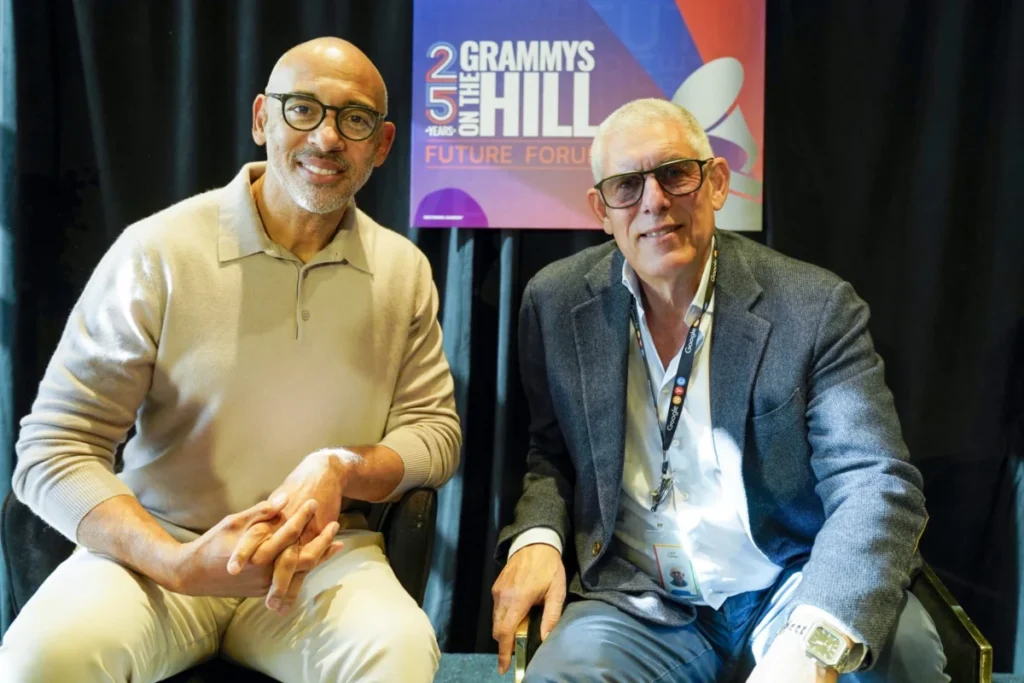
The forum’s closing keynote conversation featured a pivotal exchange between Harvey Mason Jr., CEO of the Recording Academy, and Lyor Cohen, YouTube’s global head of music. This dialogue served as a capstone to an event that has, over a quarter-century, established itself as a crucial nexus for addressing the evolving landscape of the music industry and its legislative and technological challenges.
A Quarter-Century of Advocacy: Grammys on the Hill’s Enduring Mission
Since its inception, Grammys on the Hill has been instrumental in driving significant legislative achievements for the music community. The initiative’s advocacy has directly contributed to landmark legislation such as the Music Modernization Act of 2018, which modernized copyright laws for the digital age, and the PEACE Through Music Diplomacy Act of 2022, aimed at leveraging music for international cultural exchange and understanding.
This year’s event, however, placed an amplified focus on the existential questions posed by artificial intelligence. "Grammys on the Hill represents the core of the Recording Academy’s year-round work to advocate for music people and ensure their rights are safeguarded in our culture," stated Harvey Mason Jr. in a released statement. "As we mark 25 years of Grammys on the Hill, we are reminded that music creators must remain at the center of every conversation shaping the future of the industry, especially as AI and other emerging technologies continue to transform it." This sentiment echoed throughout the various sessions, highlighting a unified concern over the potential displacement, unauthorized use of intellectual property, and the economic ramifications for human artists.
Honoring Bipartisan Champions for Artist Protection
The week commenced on Tuesday, April 21, with the Grammys on the Hill Awards at The Hamilton Live in Washington, D.C. This prestigious ceremony recognized the bipartisan efforts of Senator Chris Coons (D-DE) and Representative María Elvira Salazar (R-FL) for their leadership in championing legislation designed to protect musicians from the burgeoning threat of unauthorized AI-generated replicas of their voices and likenesses. Both lawmakers are key proponents of the NO FAKES Act, a critical piece of legislation aimed at establishing federal protections against such AI misuse.

Senator Coons articulated the urgency of the situation, stating, "Today, too many artists have had their intellectual property, likenesses and livelihoods stolen by online pirates and AI artists. I’m proud to be spearheading efforts in Congress to safeguard your ideas and creativity because what you do cannot be replaced. As a Senator, I’ve had the opportunity to travel all over the world and have seen how American music helps people see us, understand us, and believe in our American dream."
Representative Salazar echoed these sentiments, expressing her honor at the recognition and emphasizing the critical need for legislative action. "I’m truly honored to be recognized by the Recording Academy, a distinction that underscores the vital role music creators play in shaping our culture and economy," she said. "At a time of rapid technological change, protecting the voices, rights and livelihoods of artists is more important than ever. I remain committed to advancing policies like the NO FAKES Act to ensure creators are respected, their work is protected, and their likeness is never exploited." The bipartisan support for the NO FAKES Act signals a growing consensus within Congress regarding the necessity of proactive measures to address AI’s impact on creative industries.
Advocacy Day: A Direct Dialogue on Capitol Hill
Wednesday, April 22, marked Grammys on the Hill Advocacy Day, where over 200 Recording Academy members, including artists, songwriters, and producers, descended upon Capitol Hill. Their mission was to engage directly with lawmakers, advocating for policies that address the profound impact of AI on the music community. The central theme of these discussions revolved around ensuring that human creators remain protected, properly credited, and fairly compensated in an AI-augmented music landscape.
Notable artists such as Durand Bernarr, Grace Potter, Israel Houghton, Maggie Rose, and Molly Tuttle participated in meetings with a diverse group of legislators. These included Senators Alex Padilla (D-CA), Bernie Sanders (I-VT), and Lisa Blunt Rochester (D-DE), alongside Representatives Darrell Issa (R-CA), Erin Houchin (R-IN), Jason Smith (R-MO), Maxwell Frost (D-FL), Nathaniel Moran (R-TX), and Sydney Kamlager-Dove (D-CA). The conversations focused on the critical importance of the NO FAKES Act, alongside other legislative proposals like the TRAIN Act and the CLEAR Act, which aim to provide further protections and clarity for creators.
The day also featured a significant roundtable briefing on "AI and the Future of Music," co-hosted by Senators Marsha Blackburn (R-TN) and Peter Welch (D-VT). This session provided a platform for in-depth discussion on the technological advancements, ethical considerations, and policy frameworks needed to navigate AI’s integration into music creation and distribution.
The evening of Advocacy Day concluded with a reception on Capitol Hill, hosted by the Recording Academy’s Black Music Collective in collaboration with the Congressional Black Caucus. This event served to honor the enduring and influential legacy of Black music, a cornerstone of global culture and innovation. The reception featured a performance by Durand Bernarr, who recently garnered his first Grammy Award for Best Progressive R&B Album for his work "BLOOM." Further underscoring the Academy’s commitment to nurturing future talent, the event also celebrated a $10,000 donation from Amazon Music and the co-chairs of the Black Music Collective to Howard University, supporting their "Your Future Is Now" music equipment grant program for 2026.

The Future Forum: Charting a Course for AI in Music
The three-day Grammys on the Hill initiative concluded on Thursday, April 23, with the third annual Future Forum. This conference gathered an influential cohort of music creators, industry leaders, and policymakers to delve into the most pressing issues confronting the contemporary music industry. The Future Forum’s agenda was particularly focused on the transformative, and at times disruptive, influence of artificial intelligence.
The keynote conversation between Recording Academy CEO Harvey Mason Jr. and Lyor Cohen, YouTube’s global head of music, provided a high-level perspective on how the creative community and industry leaders can collaborate to effectively address the challenges and opportunities presented by AI. Their discussion explored potential frameworks for ethical AI development, fair compensation models for artists whose work might be used to train AI systems, and the role of platforms in ensuring transparency and accountability.
Further illuminating the multifaceted impact of AI, Dr. Chelsey Green, chair of the Recording Academy board of trustees, led a panel discussion on the crucial role of music education in preparing the next generation of artists and industry professionals for a future increasingly shaped by technology. Another vital session, presented by the Academy’s Producers & Engineers Wing, offered practical insights into how artists are currently experimenting with and integrating AI tools into the recording studio, demonstrating both the innovative potential and the emerging technical considerations.
The discussions throughout the Future Forum highlighted a consensus that while AI presents undeniable challenges, it also offers avenues for enhanced creativity and efficiency. The key lies in establishing robust ethical guidelines and legal frameworks that prioritize human artistry and intellectual property. The Recording Academy’s ongoing engagement with policymakers and industry stakeholders through initiatives like Grammys on the Hill is crucial for shaping this future responsibly. The organization’s proactive stance aims to ensure that technological advancements serve to empower, rather than undermine, the vibrant ecosystem of music creation.