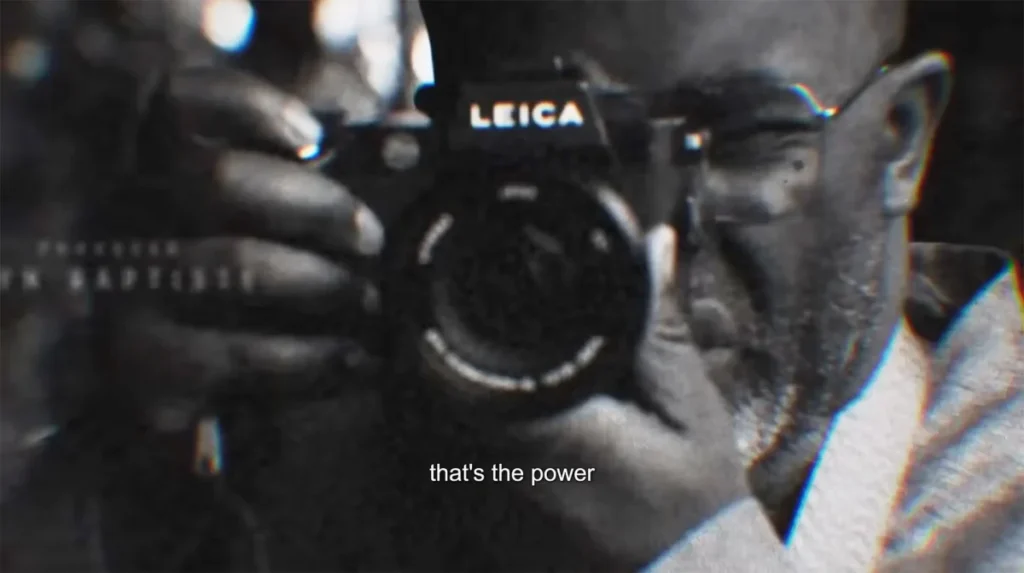

Watermelon Pictures has unveiled a compelling first look teaser trailer for their upcoming documentary, Shoot the People, a profound cinematic exploration of the work and philosophy of acclaimed photographer and Oscar-nominated filmmaker Misan Harriman. The film, which premiered to critical acclaim at SXSW London in 2025 and subsequently made a significant stop at DOC NYC in the fall, offers an intimate and urgent portrait of a visual artist deeply embedded within the global movements for social change. The documentary promises to immerse audiences in the heart of pivotal protests, from the seismic Black Lives Matter demonstrations of 2020 to the enduring Palestinian liberation movement, capturing the raw energy, profound humanity, and undeniable power that fuels these critical global dialogues. The teaser trailer, released via YouTube, offers a glimpse into Harriman’s distinctive lens, showcasing his ability to distill complex social and political landscapes into potent visual narratives. Shoot the People is slated for a limited theatrical release in art-house cinemas across the United States and the United Kingdom commencing this summer, with U.S. showings beginning on June 19th, 2026, and UK screenings following on July 10th, 2026.
The Vision of Misan Harriman: Art as a Catalyst for Change
At its core, Shoot the People delves into the life and work of Misan Harriman, a Nigerian-born British image-maker whose photographic contributions have consistently amplified the voices of those demanding justice and equality. Harriman’s portfolio is a testament to his commitment to documenting the frontlines of societal transformation. His powerful images have captured the visceral realities of climate change protests, the tragic atrocities in Gaza, the impactful demonstrations following the murder of George Floyd, and numerous other historically significant events. The documentary goes beyond merely showcasing his iconic photographs; it seeks to understand the motivations, reflections, and evolving perspectives of the artist himself.
The film highlights Harriman’s unique position as a "self-described person of privilege," a lens through which he grapples with the profound responsibility and potential limitations of his art. Shoot the People features candid discussions with prominent human rights leaders, including U.S. Representative Ilhan Omar and Martin Luther King III. These dialogues explore the efficacy of visual activism and the complex interplay between artistic expression and tangible societal progress. The documentary aims to illuminate Harriman’s unwavering compassion and his persistent questioning, qualities that are presented as increasingly vital in navigating the challenges of the contemporary world.

A Chronology of Impact: From Premieres to Theatrical Release
The journey of Shoot the People from conception to its impending theatrical debut has been marked by significant milestones, underscoring its growing recognition within the documentary film circuit.
- 2025: The film made its world premiere at the prestigious SXSW London festival, an event known for its celebration of innovation in film, music, and interactive media. This initial unveiling provided a crucial platform for critical reception and industry buzz.
- Fall 2025: Following its London debut, Shoot the People continued its festival run with a significant presentation at DOC NYC, North America’s premier documentary film festival. This appearance further solidified the film’s artistic merit and its relevance to a global audience interested in social justice issues.
- May 18, 2026: Watermelon Pictures released the first teaser trailer and associated promotional materials, offering the public a tangible preview of the documentary’s scope and emotional resonance.
- June 19, 2026: The film is scheduled to commence its limited theatrical release in select art-house cinemas across the United States.
- July 10, 2026: The theatrical run will extend to the United Kingdom, bringing Harriman’s powerful narrative to his home audience.
This carefully orchestrated rollout strategy suggests a deliberate effort to build anticipation and engage audiences who appreciate thought-provoking cinematic experiences. The choice of art-house cinemas aligns with the film’s thematic depth and its focus on nuanced social commentary, aiming to attract viewers who seek out challenging and intellectually stimulating content.
Documenting Global Uprisings: Data and Context
The documentary’s focus on key protest movements provides a rich tapestry of socio-political events that have shaped the 21st century. Understanding the context surrounding these movements is crucial to appreciating the significance of Harriman’s work and the film’s narrative.
- Black Lives Matter (2020): The widespread protests against racial injustice and police brutality that swept across the United States and the globe in 2020 were a watershed moment. Fueled by the murder of George Floyd, these demonstrations brought systemic racism to the forefront of global consciousness. Harriman’s documentation of these events captured the pent-up anger, the demand for accountability, and the powerful solidarity of diverse communities. The sheer scale of these protests, with millions participating worldwide, underscored a collective yearning for fundamental societal reform. Data from various sources indicated an unprecedented level of public engagement with issues of racial justice during this period.
- Palestinian Liberation Movement: The ongoing struggle for Palestinian liberation has been a focal point of international concern and activism for decades. Harriman’s lens has turned towards the humanitarian crises, the impact of conflict, and the resilience of Palestinian communities. His work in this arena seeks to humanize the narrative, often overshadowed by political complexities, and to convey the lived experiences of those affected by displacement, occupation, and violence. The protracted nature of this conflict, marked by cyclical violence and international diplomatic stalemates, highlights the persistent need for nuanced visual storytelling to foster understanding and empathy.
- Climate Change Inaction: The growing urgency of the climate crisis has galvanized a new generation of activists demanding decisive action from governments and corporations. Harriman’s photographs have often captured the passion and determination of young people on the frontlines of environmental advocacy, their visual pleas aimed at highlighting the existential threat posed by global warming. Reports from the Intergovernmental Panel on Climate Change (IPCC) consistently underscore the accelerating pace of climate change, making the work of visual chroniclers like Harriman even more critical in raising public awareness and pressuring for policy changes.
By situating Harriman’s work within these critical global events, Shoot the People offers a powerful testament to the role of photography in shaping public discourse and fostering a deeper understanding of complex human struggles.

The Filmmaker’s Perspective: Andy Mundy-Castle’s Vision
The documentary is helmed by BAFTA-winning UK filmmaker Andy Mundy-Castle, a director whose previous work, including the documentary White Nanny Black Child, demonstrates a keen interest in exploring nuanced social dynamics and personal narratives. Mundy-Castle’s directorial approach, combined with Harriman’s photographic vision, promises a film that is both aesthetically compelling and intellectually stimulating. His ability to elicit intimate reflections from his subjects, as evidenced in his prior projects, suggests that Shoot the People will offer a profound and personal insight into Harriman’s motivations and the challenges he faces in his artistic practice. The film’s production by Wyn Baptiste further underscores a commitment to bringing impactful stories to the screen.
Official Statements and Potential Reactions
While direct statements from the filmmakers or Harriman regarding the teaser trailer have not been extensively detailed in the initial announcement, the narrative framing itself implies a collaborative effort to highlight Harriman’s artistic integrity and his commitment to social justice. The emphasis on his "doubts about his work’s effectiveness" suggests an introspective and self-aware approach that is likely to resonate with audiences.
One can infer that representatives from organizations that have been at the forefront of the movements Harriman has documented might express their support and appreciation for the film. For instance, human rights advocacy groups and leaders of social justice movements could potentially issue statements acknowledging the importance of visual documentation in their ongoing work. The inclusion of figures like Rep. Ilhan Omar and Martin Luther King III in the film suggests a level of engagement that points towards a positive reception from those who have been deeply involved in the causes depicted.
Broader Impact and Implications: Art as Activism
Shoot the People arrives at a time when the power of visual media to influence public opinion and drive social change is more pronounced than ever. In an era saturated with information, compelling imagery can cut through the noise, provoke empathy, and galvanize action. The documentary’s exploration of Harriman’s work raises important questions about the role of art in activism:

- Amplifying Marginalized Voices: Harriman’s photographs often provide a platform for individuals and communities whose stories are frequently overlooked or misrepresented by mainstream media. The film can serve to further amplify these voices and bring greater attention to their struggles.
- Fostering Empathy and Understanding: By visually immersing audiences in the realities of protest movements, the documentary has the potential to foster deeper empathy and understanding among viewers, transcending geographical and cultural divides.
- Challenging Dominant Narratives: Through his distinct perspective, Harriman challenges dominant narratives surrounding social and political events, offering a more nuanced and humanized portrayal of complex issues.
- The Evolving Landscape of Activism: The film also implicitly addresses the evolving nature of activism in the digital age, where visual content plays a pivotal role in mobilizing support and raising awareness.
The limited theatrical release strategy suggests a desire to cultivate a dedicated audience and generate meaningful dialogue around the film’s themes. As Shoot the People makes its way to cinemas, it is poised to spark conversations about the intersection of art, activism, and social responsibility, offering a powerful reminder of the enduring capacity of photography to bear witness, to challenge, and to inspire change. The film’s success will likely be measured not only by its critical reception but also by its ability to ignite further engagement with the critical issues it so compellingly portrays.