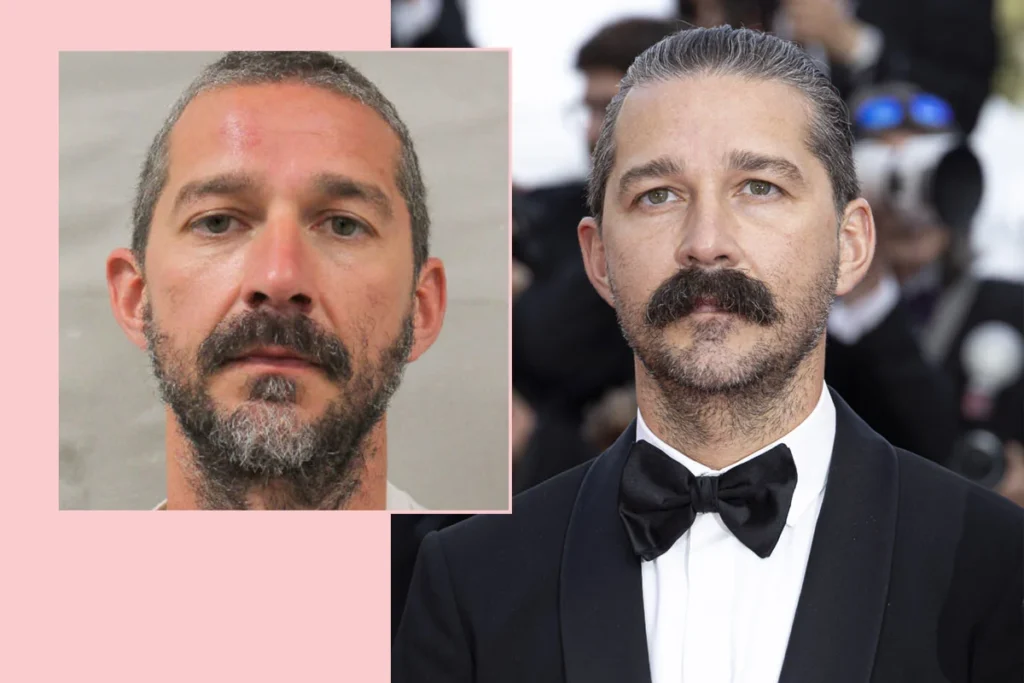

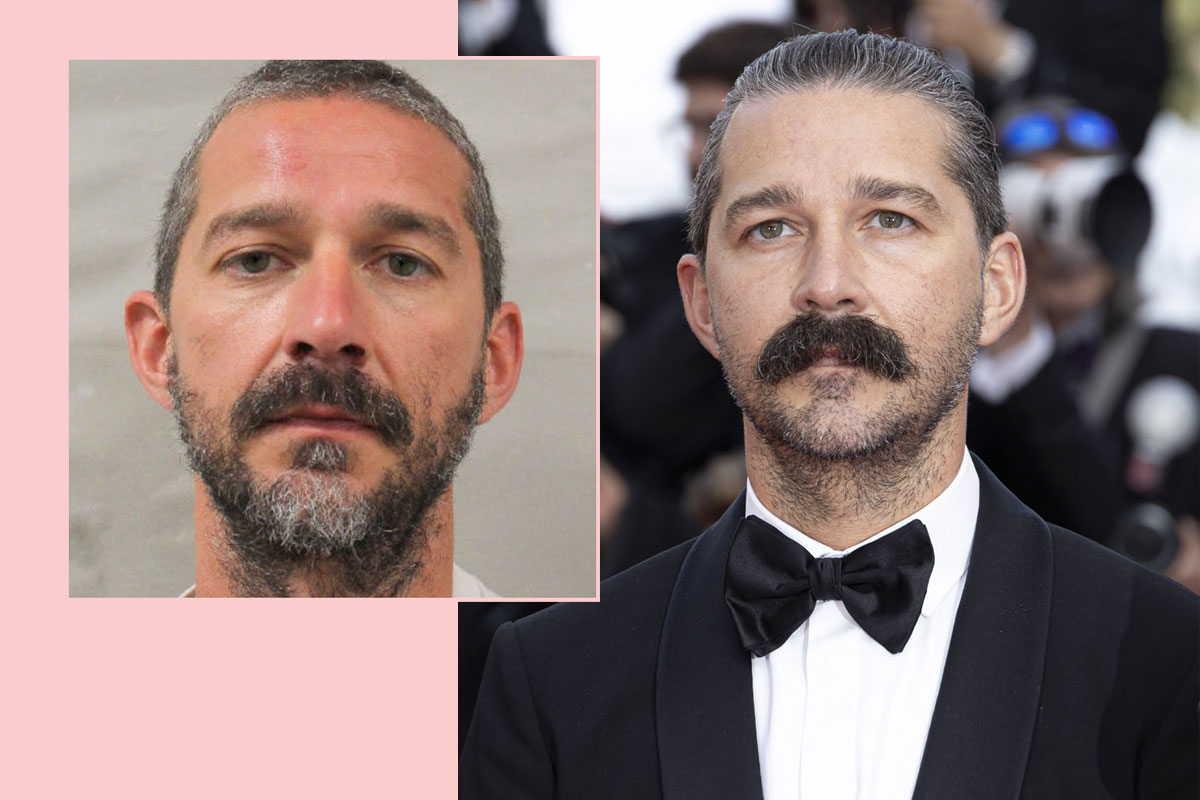
Actor Shia LaBeouf has successfully resolved the legal proceedings stemming from his high-profile Mardi Gras arrest earlier this year, entering a plea agreement on Wednesday, June 3, 2026, that spares him immediate jail time but imposes a suspended sentence and stringent rehabilitative requirements. The 39-year-old star pleaded guilty to three misdemeanor battery charges in a New Orleans courthouse, bringing to a close a tumultuous chapter that began with accusations of "terrorizing" the city during the festive season.
The ruling, as detailed in court records viewed by USA Today, stipulates a six-month suspended sentence and two years of supervised probation. Beyond the immediate legal oversight, LaBeouf has been mandated to complete a comprehensive program of alcohol abuse rehabilitation, sensitivity training, and anger management classes. This outcome underscores the court’s emphasis on corrective measures and behavioral modification rather than punitive incarceration, conditional on his adherence to the terms and his ability to remain free from further legal entanglements.
Chronology of Events and Legal Proceedings
The incident that led to LaBeouf’s arrest and subsequent plea deal unfolded during the vibrant, often chaotic, atmosphere of Mardi Gras in New Orleans. While specific dates leading up to the arrest are not detailed in the immediate report, the event itself transpired earlier this year, culminating in his apprehension. Eyewitness accounts and initial police reports painted a picture of the actor allegedly causing disturbances across the city before an altercation escalated into a physical confrontation inside a local bar. This led to his arrest on charges including misdemeanor battery.
Following the arrest, LaBeouf was formally charged, and the legal process began. Misdemeanor charges, while less severe than felonies, still carry potential penalties ranging from fines to jail time, making the subsequent plea negotiations crucial. The period between his arrest and the June 3, 2026 court appearance would have involved legal consultations, evidence review, and negotiations between his defense team and the New Orleans district attorney’s office. A plea deal, a common legal mechanism, allows defendants to plead guilty to lesser charges or receive reduced sentences in exchange for forgoing a trial, thus saving court resources and ensuring a guaranteed outcome for both parties. In this instance, LaBeouf’s decision to plead guilty to three misdemeanor battery charges suggests a strategic move to mitigate the potential risks of a full trial and the associated public scrutiny.
Details of the Plea Agreement and Sentencing
The core of the resolution lies in the specific terms of the plea agreement. A six-month suspended sentence means that while a six-month jail term was handed down, its enforcement is put on hold. LaBeouf will not serve that time unless he violates the conditions of his probation during the two-year period. This probationary period will likely involve regular check-ins with a probation officer, adherence to all legal statutes, and compliance with the mandated rehabilitative programs. Any infraction, whether a new arrest or failure to attend required sessions, could result in the suspension being revoked, leading to the original six-month sentence being enforced.
The court-ordered rehabilitation components are particularly significant. Alcohol abuse rehabilitation addresses a common underlying factor in public disturbances and altercations, especially during events like Mardi Gras. Such programs typically involve therapy, counseling, and potentially support group attendance, aiming to foster healthier coping mechanisms and reduce reliance on alcohol. Sensitivity training is designed to improve an individual’s awareness and understanding of diverse perspectives and to promote respectful interaction, potentially addressing any reported insensitivity or aggressive behavior during the incident. Anger management classes, a staple in court-mandated behavioral programs, equip individuals with strategies to identify triggers, manage impulses, and respond to stressful situations in a non-violent manner. These requirements underscore the court’s view that the incident was not merely a singular event but potentially indicative of deeper behavioral patterns requiring professional intervention.
Legal Context and Broader Implications
Misdemeanor battery in Louisiana, as in many states, involves the intentional use of force or violence upon the person of another, or the intentional administration of a poison or other noxious liquid or substance to another without his consent. The fact that LaBeouf pleaded guilty to three such charges suggests that the incident may have involved multiple individuals or distinct acts of battery within the same general timeframe. The legal system often weighs various factors when determining sentences for misdemeanors, including the severity of the injuries (if any), the defendant’s prior criminal record, and their willingness to accept responsibility and engage in rehabilitation.
The outcome of no immediate jail time for a celebrity in a high-profile case often sparks public debate regarding fairness and equal application of the law. However, suspended sentences and probation, coupled with mandatory rehabilitation, are common dispositions for misdemeanor offenses, particularly when the defendant expresses remorse and agrees to address the root causes of their behavior. For many legal systems, the goal is often rehabilitation and preventing recidivism rather than solely punitive measures, especially for non-violent or less severe offenses. The court’s decision here appears to align with this rehabilitative philosophy, offering LaBeouf a structured path to address his conduct while maintaining judicial oversight.
Defense’s Perspective and Future Endeavors
LaBeouf’s attorney, Sarah Chervinsky, offered a concise defense of the incident, characterizing it as "nothing more than a minor bar tussle." This framing downplays the severity of the accusations, attempting to contextualize the event as a common, albeit regrettable, occurrence in a high-spirited environment. Chervinsky also explicitly denied that any "bias" was involved in the investigation, a statement that could imply concerns about the celebrity status of her client potentially influencing the charges or the public narrative. Her assertion aims to ensure that the legal process was perceived as fair and unbiased, focusing on the facts of the incident rather than external pressures.
Looking ahead, Chervinsky conveyed her client’s desire to move past this incident, stating that LaBeouf is "looking forward to focusing on family, work and new creative projects." This statement serves as a public declaration of intent, signaling LaBeouf’s commitment to personal growth and a return to his professional life. For an actor whose career has been punctuated by both critical acclaim and public controversies, demonstrating stability and a renewed dedication to his craft will be crucial for rebuilding his public image and securing future opportunities in Hollywood.
A Pattern of Past Legal Encounters
This latest legal encounter is, unfortunately, not an isolated incident in Shia LaBeouf’s public life. The actor has a documented history of run-ins with the law and public disturbances, which the original article briefly referenced, noting it was "far from Shia’s first run-in with the law." These prior incidents provide important context for understanding the current plea deal and the court’s mandated rehabilitation.
Notably, in 2017, LaBeouf was arrested in Savannah, Georgia, on charges of public intoxication, disorderly conduct, and obstruction. The arrest, captured on widely circulated body camera footage, showed him exhibiting aggressive and belligerent behavior towards police officers. He later issued a public apology, acknowledging his struggles with addiction and mental health. Prior to that, in 2014, he was arrested in New York City for disorderly conduct and harassment during a performance of the Broadway show "Cabaret," leading to a period of court-ordered outpatient treatment for alcohol addiction. Other incidents, including a 2008 DUI arrest and various public outbursts, have also contributed to a public perception of an artist grappling with personal challenges.
The mention in the original article that he faced "several issues during Mardi Gras season this year!" suggests that the bar brawl might have been one of multiple challenging situations he encountered during the festive period. While the specific details of these "several issues" are not provided, their collective weight likely contributed to the severity of the initial accusations and the comprehensive nature of the rehabilitative requirements in the plea deal. The court’s decision to mandate alcohol abuse rehabilitation, sensitivity training, and anger management classes directly addresses the recurring themes in his past legal troubles, indicating a judicial effort to break a cyclical pattern of problematic behavior.
Impact on Career and Public Perception
For a public figure like Shia LaBeouf, legal troubles invariably cast a long shadow over his professional career and public image. While he has consistently delivered acclaimed performances in films such as "Honey Boy" (2019), "The Peanut Butter Falcon" (2019), and "Padre Pio" (2022), his off-screen conduct has often overshadowed his artistic achievements. Hollywood is known for its complex relationship with "troubled" stars, often granting second chances but demanding evidence of genuine reform.
The plea deal, by avoiding immediate jail time, allows LaBeouf to continue working, provided his probation terms do not conflict with filming schedules or travel requirements. However, the mandatory rehabilitation programs will require significant time and commitment, which could impact his availability for certain projects. The public and industry’s perception will largely depend on his consistent adherence to the court orders and a sustained period of stable, controversy-free conduct. His attorney’s mention of "new creative projects" hints at an ongoing effort to maintain his career momentum, but the success of these endeavors will undoubtedly be scrutinized through the lens of his recent legal challenges and his commitment to rehabilitation.
Ultimately, this plea deal represents a critical juncture for Shia LaBeouf. It offers a structured pathway for personal accountability and rehabilitation, but the responsibility for successful completion and sustained behavioral change rests squarely on his shoulders. His ability to navigate the next two years without further incident will be a defining factor in his personal trajectory and his professional standing in the entertainment industry. The New Orleans legal system has presented him with an opportunity for redemption, contingent upon his earnest commitment to the prescribed path forward.