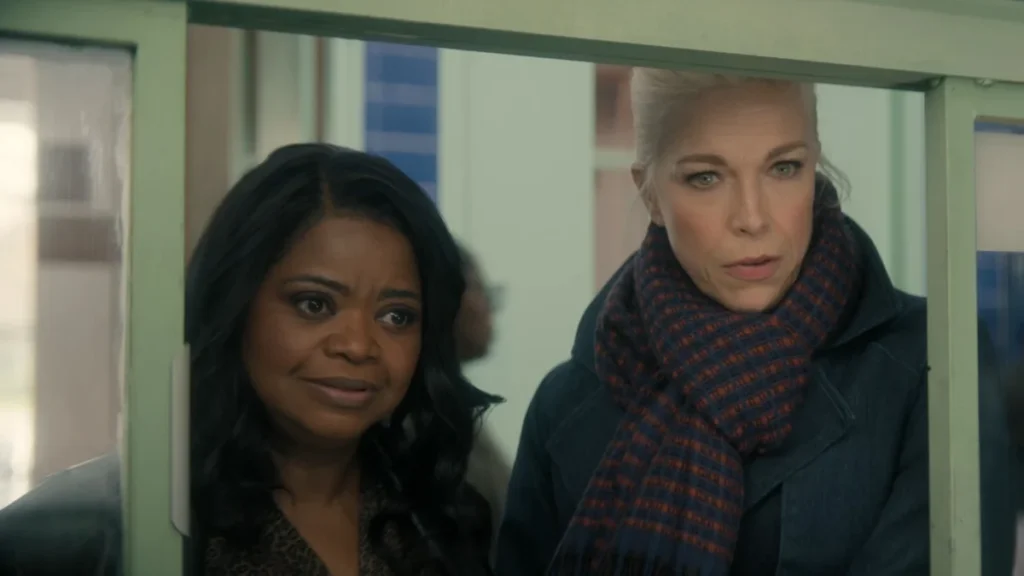

The cancellation marks a notable shift in strategy for Amazon’s streaming platform, which has recently been re-evaluating its scripted content library. While the decision effectively concludes the series’ tenure at Prime Video, industry reports indicate that the project is not necessarily dead. Paramount Television Studios, the lead production entity behind the series, has reportedly begun the process of shopping the property to other potential buyers. This development keeps the door slightly ajar for the survival of the show, though no official successor network or streaming service has yet been named.
A Chronology of the Production and Release
The journey of Ride or Die began with considerable industry buzz, largely driven by the casting of two of Hollywood’s most sought-after performers. Created by Tessa Coates, the series was designed as a high-concept project that balanced humor with high-stakes action sequences.
- Development Phase: Throughout 2025, the series was developed with a heavy emphasis on international locations and a distinct visual style, led by director Peyton Reed.
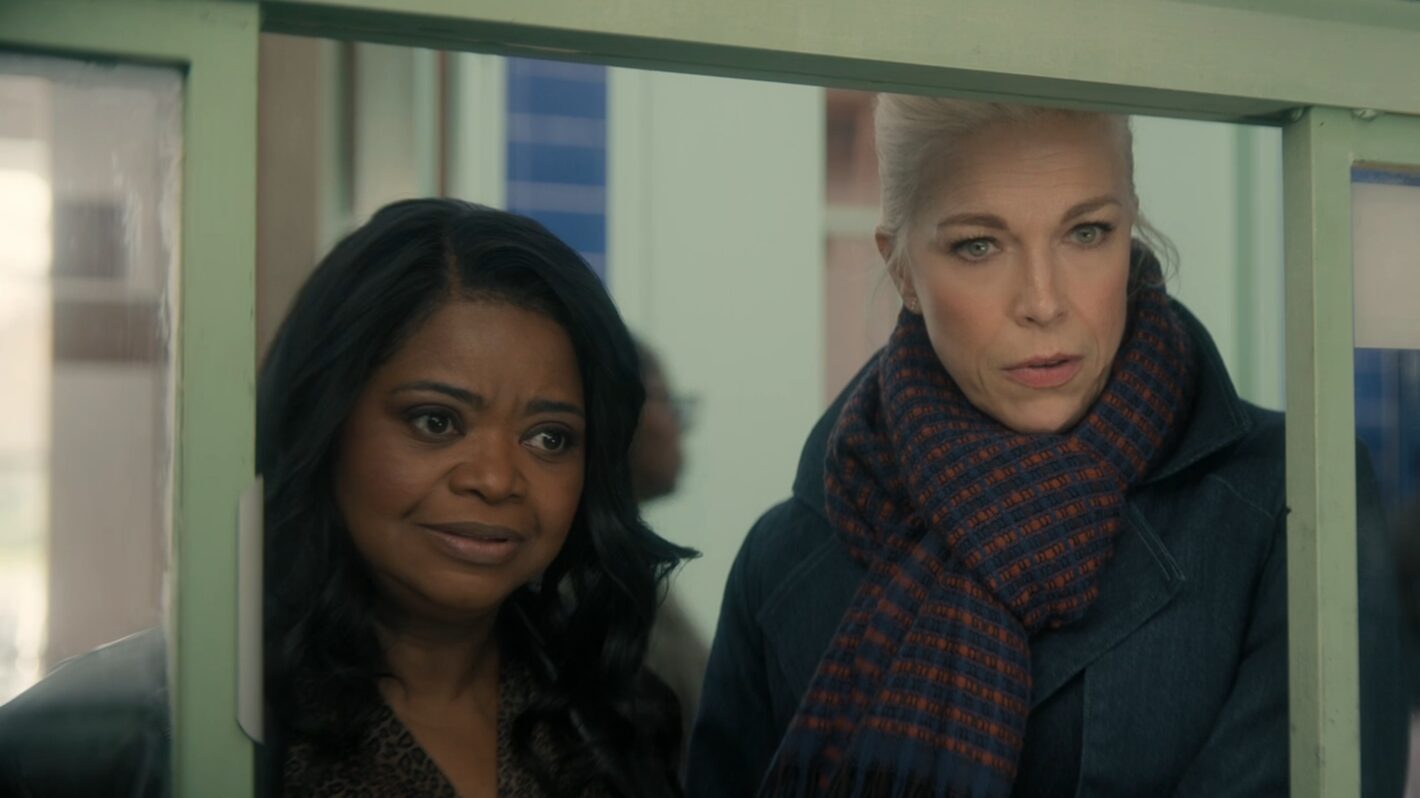
- Premiere (July 15, 2026): The series launched globally on Prime Video. Initial reception focused on the dynamic between Waddingham’s character, the secret international assassin Judith, and Spencer’s character, Debbie.
- The Post-Release Window: Following the release, the series maintained a presence on the platform’s "Top 10" charts for several weeks, though viewership metrics began to plateau in late August.
- Cancellation Announcement (September 2026): Prime Video confirmed that the series would not receive a renewal for a second season, citing a broader shift in content investment priorities.
- Current Status: Paramount Television Studios is actively engaging in negotiations with other media entities to secure a new home for the production.
Analyzing the Narrative Landscape
At the core of the show’s appeal was the unlikely friendship between Judith and Debbie. The narrative premise centered on the revelation that Judith, a seemingly ordinary associate, was in fact a highly trained operative. The ensuing road trip across Europe served as the engine for the series, forcing the protagonists to contend with law enforcement, competing criminal factions, and the strain that a life of violence places on personal relationships.
Creator Tessa Coates utilized the first season to establish a world where the stakes were constantly escalating. However, the conclusion of Season 1 saw significant character turnover. The deaths of primary antagonists Billy (played by Ed Skrein) and Ana (played by Sylvia Hoeks) effectively closed out the primary conflict of the initial arc. While these character exits provide a clean slate for a potential second season, they also necessitate a complete narrative pivot if the show were to be picked up elsewhere. A new season would require the introduction of fresh threats or a new mission for the duo, potentially shifting the focus away from the specific criminal underworld explored in the first eight episodes.
Cast and Creative Composition
The production was defined by its expansive ensemble cast. Alongside Waddingham and Spencer, the first season featured a robust roster of international talent, including Calam Lynch, Savannah Steyn, Jamie Parker, Jacky Ido, Bill Nighy, and the aforementioned Skrein and Hoeks.
The creative team was equally robust, featuring a showrunning tenure by Matt Miller. The executive production team included a collaboration between Miller, Reed, Waddingham, Spencer, and the Muschietti siblings, Andy and Barbara. This level of industry backing suggests that the show was viewed as a prestige project at the time of its commissioning. The decision to cancel such a star-studded production highlights the increasingly rigorous standards platforms are applying to original content, where critical acclaim and strong lead performances are no longer guaranteed safeguards against cancellation if the return on investment does not align with internal performance metrics.
Industry Implications and the "Shopping" Phenomenon
The practice of "shopping" a canceled series to other networks is a phenomenon that has become increasingly common in the streaming era. Notable examples, such as Lucifer moving from Fox to Netflix or The Expanse moving from Syfy to Amazon, demonstrate that a dedicated fanbase and a strong production pedigree can sometimes salvage a series.
However, the odds remain statistically stacked against such transitions. When a primary studio like Paramount Television Studios puts a series up for auction, they are seeking a platform that is willing to cover the production costs, which, in the case of an action-heavy show like Ride or Die, are likely substantial due to the international filming locations and stunt requirements.
For the television industry, this situation serves as a case study in the current "peak TV" correction. Streamers are no longer indiscriminately renewing projects that do not show immediate signs of long-term audience retention or cultural impact. Prime Video’s decision reflects a broader trend of tightening budgets, where streamers are prioritizing high-impact franchises and lower-cost unscripted content over mid-budget, high-concept dramas that require significant marketing spend to maintain visibility.
Potential Avenues for Survival
If Paramount Television Studios is successful in finding a new home for the show, the most logical landing spot would be Paramount+, given the studio’s internal affiliation. Such a move would allow for vertical integration, keeping the production within the same corporate ecosystem. Alternatively, a linear network looking to bolster its library with established intellectual property or a different streaming competitor seeking to attract the demographic that followed Waddingham and Spencer could also emerge as a viable candidate.
As of late 2026, there have been no official comments from Waddingham or Spencer regarding the cancellation. However, given the showrunners’ previous statements about the potential for future stories, it is clear that the creative team had built out a roadmap for at least one additional season. Whether that roadmap ever moves from the page to the screen depends entirely on the financial appetite of potential buyers in a crowded and highly competitive television market.
Conclusion
The cancellation of Ride or Die serves as a poignant reminder of the volatility inherent in modern streaming entertainment. While the series successfully captured the chemistry of its leads and provided a compelling, high-octane narrative for its inaugural season, it now faces the uncertain reality of the secondary market. For now, audiences can still stream the entirety of the first season on Prime Video, which remains a testament to the show’s initial creative vision. Whether the road trip of Judith and Debbie continues, the series will remain a notable entry in the 2026 television landscape, marked by its ambitious scale and the high-profile performances that anchored it. As negotiations continue behind the scenes, the industry will be watching to see if this "Ride" truly has come to an end or if it will find a new lane on another platform.