
The Inauguration of the New Mammal Building
The official opening ceremony took place at the foundation’s primary site in Almere, where Queen Máxima was greeted by the executive leadership of the AAP Foundation and local dignitaries. The centerpiece of the visit was the unveiling of the New Mammal Building, a facility specifically engineered to house a diverse array of exotic mammals that do not fall under the primate category, such as raccoons, skunks, and servals. These animals often arrive at the sanctuary having suffered from neglect, illegal trafficking, or the complexities of being kept as domestic pets in environments unsuited to their biological needs.
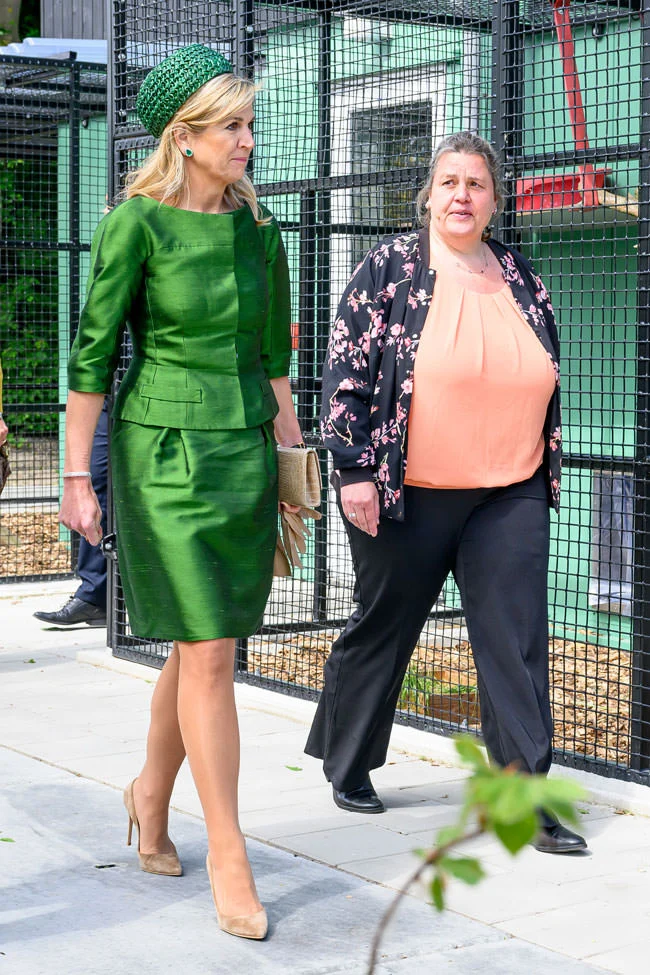
During the tour, Queen Máxima observed the advanced living environments within the building. The facility is divided into various climate-controlled zones, each tailored to the specific ecological requirements of the inhabitants. For instance, the accommodations for North American mammals differ significantly in humidity and temperature from those designed for African or Asian species. The building also incorporates specialized quarantine areas, which are essential for new arrivals that may carry diseases or require intensive medical rehabilitation before being integrated into social groups.
History and Mission of the AAP Foundation
The AAP Foundation, which stands for Stichting AAP (Animal Advocacy and Protection), was founded in the 1970s. Initially focused on the rescue of primates—many of which were being used in laboratory testing or kept in substandard conditions in circuses—the organization has expanded its scope significantly over the last fifty years. Today, it operates as one of the premier rescue centers in Europe, working closely with government agencies, including the Netherlands Food and Consumer Product Safety Authority (NVWA), to provide a safe haven for confiscated animals.
The mission of AAP is two-fold: rescue and advocacy. While the physical sanctuary provides immediate relief and rehabilitation for animals in distress, the foundation’s advocacy arm works at the legislative level in The Hague and Brussels. Their goal is to influence European animal welfare laws, particularly regarding the "Positive List," which dictates which animal species are suitable for private ownership. The opening of the New Mammal Building is a direct response to the increasing number of non-primate exotic animals requiring professional intervention due to shifting trends in the illegal pet trade.
Chronology of the Royal Visit
The royal engagement followed a structured itinerary designed to highlight both the technical capabilities of the new facility and the human element of the foundation’s work.

- Arrival and Reception: Her Majesty arrived at the Almere facility in the early afternoon, where she was received by David van Gennep, the long-standing director of the AAP Foundation.
- Briefing on Current Challenges: The Queen participated in a roundtable discussion regarding the current state of exotic animal welfare in Europe. Topics included the impact of social media on the demand for "exotic pets" and the logistical challenges of transporting rescued animals across international borders during times of political or environmental crisis.
- Facility Tour: The Queen was led through the New Mammal Building. She was introduced to several of the sanctuary’s current residents and received briefings from specialized veterinarians and behavioral experts on the rehabilitation processes used to help traumatized animals regain their natural instincts.
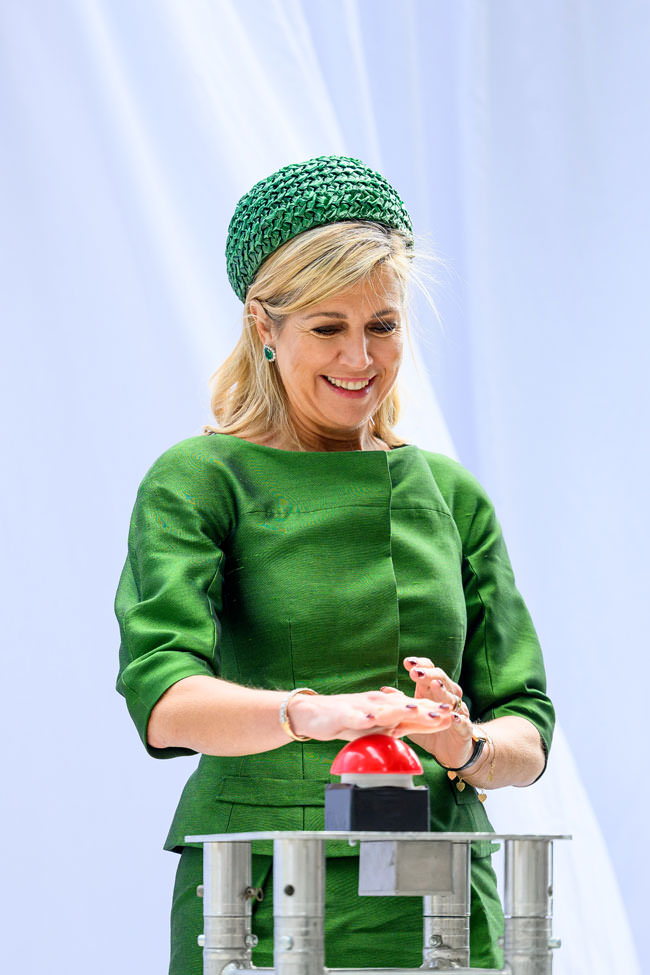
- Official Ribbon-Cutting: The formal opening was marked by a symbolic gesture in front of the new facility, where the Queen officially declared the building operational.
- Meeting with Volunteers and Staff: Recognizing that the foundation relies heavily on a dedicated network of volunteers and donors, the Queen spent time conversing with the staff who manage the day-to-day operations of the sanctuary.
Supporting Data: The Rising Need for Exotic Animal Sanctuaries
The necessity for the New Mammal Building is supported by alarming data regarding the exotic animal trade. According to recent reports from the European Union, the illegal trade in wildlife is estimated to be worth billions of euros annually, ranking alongside the trafficking of drugs and arms.
In the Netherlands specifically, the implementation of stricter animal welfare laws has led to an influx of surrendered animals. For example, when certain species are added to the "prohibited" list for private ownership, rescue centers like AAP often see a spike in intake. The foundation reports that they receive hundreds of requests for placement every year, many of which they previously had to decline due to space constraints. The new building increases the foundation’s capacity by approximately 25%, allowing for more rapid intervention in emergency seizure cases.
Furthermore, the behavioral rehabilitation of these animals is a long-term financial commitment. A single rescued serval or macaque may live for 20 to 30 years in captivity, requiring specialized diets and medical care that can cost thousands of euros per year. The AAP Foundation’s ability to fund these operations through a mix of private donations and occasional government grants is a testament to the public’s support for their cause.
Official Responses and Statements
Following the event, David van Gennep expressed the foundation’s gratitude for the royal visit. In a statement released to the press, he noted, "The presence of Queen Máxima today is a powerful validation of the work our team performs every day. It brings international attention to the plight of exotic animals that are often forgotten once they are no longer ‘useful’ or ‘cute’ to their owners. This new building is not just a structure of brick and mortar; it is a promise of a better life for animals that have known only hardship."
While the Royal House typically maintains a policy of neutrality on specific legislative debates, the Queen’s visit is seen by many in the animal rights community as an implicit endorsement of the rigorous standards of care practiced at AAP. Representatives from the local municipality of Almere also praised the foundation, noting that it has become a center of excellence and a major employer and volunteer hub for the region.
Broader Impact and Policy Implications
The opening of this facility comes at a critical juncture for European animal policy. The European Commission is currently reviewing several directives related to biodiversity and wildlife trafficking. The data gathered by organizations like AAP—which document the physical and psychological condition of animals rescued from the trade—serves as vital evidence for policymakers.
The New Mammal Building also sets a new benchmark for sanctuary design. By utilizing sustainable building materials and energy-efficient climate control systems, the AAP Foundation is demonstrating that animal welfare can align with environmental sustainability. This "One Welfare" approach recognizes that the well-being of animals, humans, and the environment are interconnected.
Sartorial Diplomacy and Public Presence
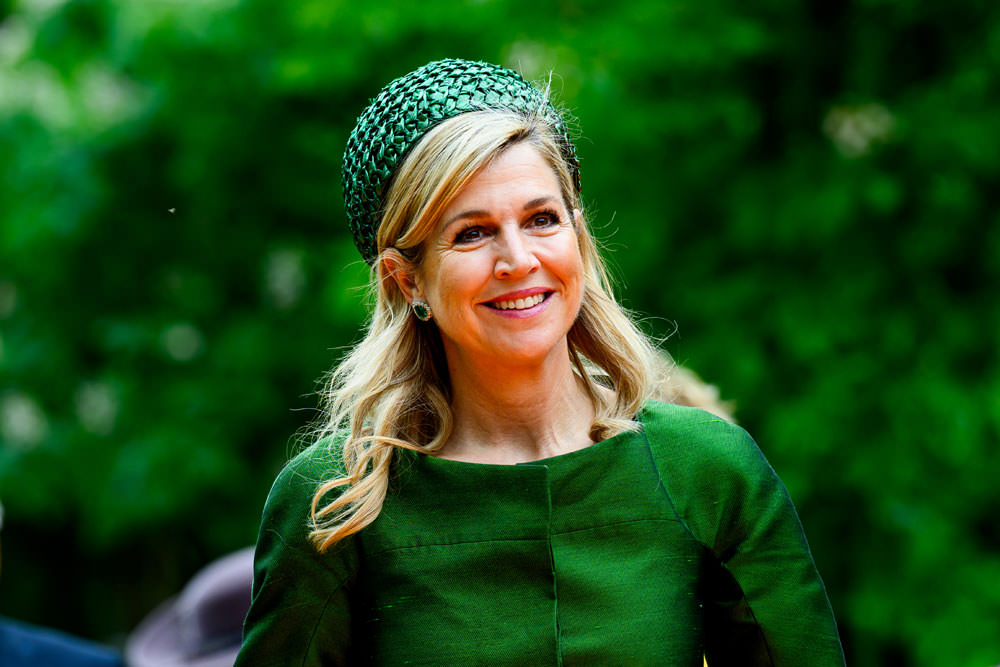
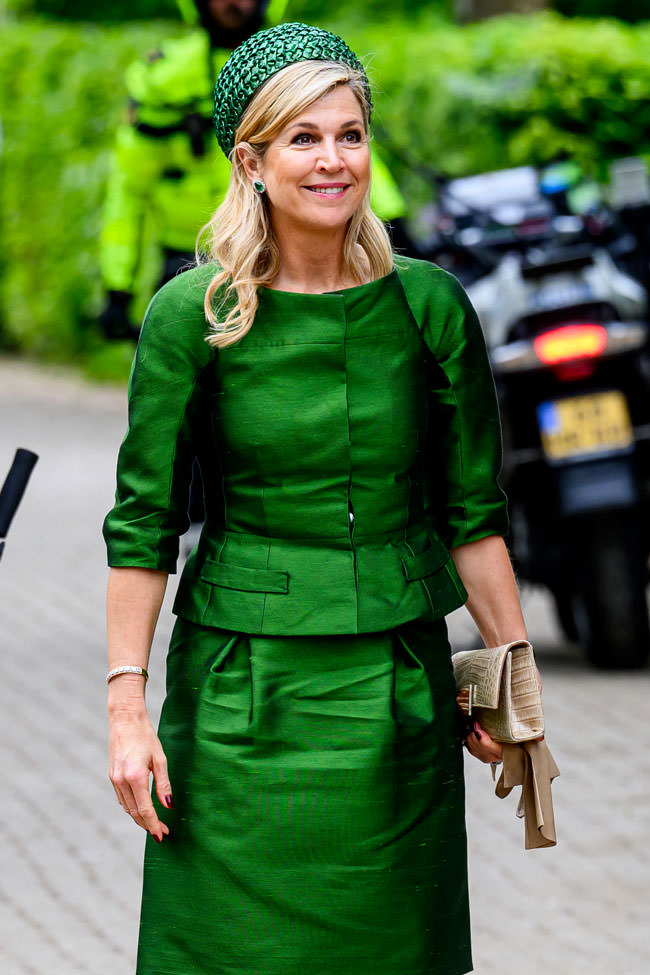
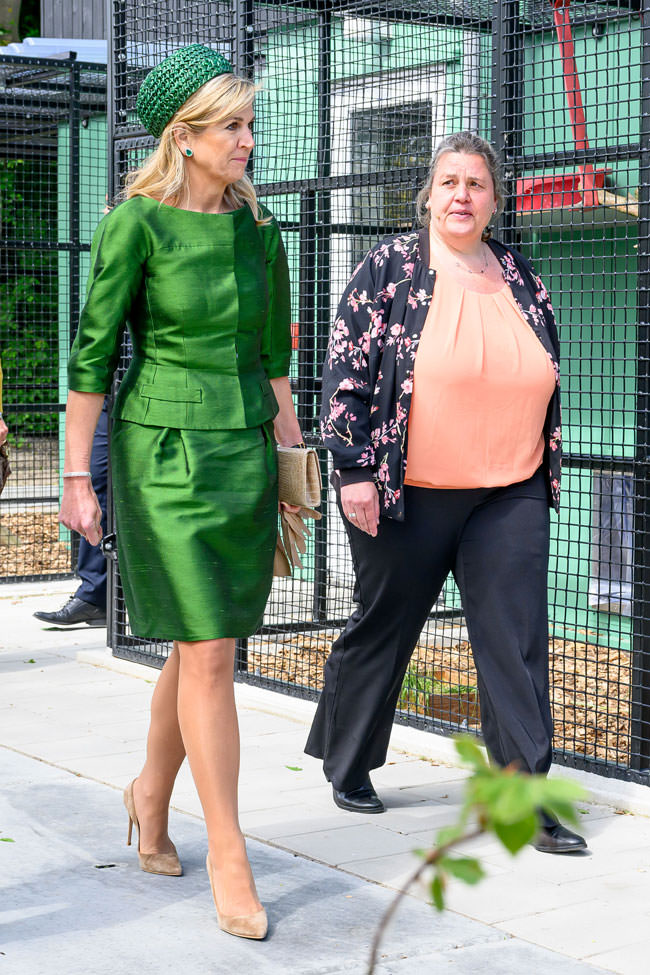
In keeping with the formal nature of the occasion, Queen Máxima appeared in a striking monochromatic ensemble, a choice often utilized by high-ranking royals to remain visible in large crowds and during outdoor ceremonies. She wore a green silk suit by the Belgian fashion house Natan, paired with a matching Jolanda hat and neutral Gianvito Rossi pumps.
While fashion is often a secondary topic in the context of animal welfare, the Queen’s choice of a professional, tailored silhouette reflects the seriousness of the engagement. Monochromatic dressing has become a hallmark of her public wardrobe, signaling a disciplined and modern approach to her role as a representative of the Dutch state. The use of vibrant color is frequently interpreted as a nod to the vitality of the organizations she visits, in this case, the flourishing and expanding AAP Foundation.
Conclusion
The inauguration of the New Mammal Building at the AAP Foundation by Queen Máxima represents more than just the expansion of a local charity. It is a reflection of the Netherlands’ commitment to ethical leadership in animal welfare and a recognition of the complex challenges posed by the global trade in exotic species. As the foundation begins to fill the new facility with animals in need of refuge, the support of the Royal House serves as a reminder of the ongoing responsibility to protect those species that cannot protect themselves. The facility stands as a beacon of hope for hundreds of animals, providing them with the environment, care, and dignity they were previously denied.