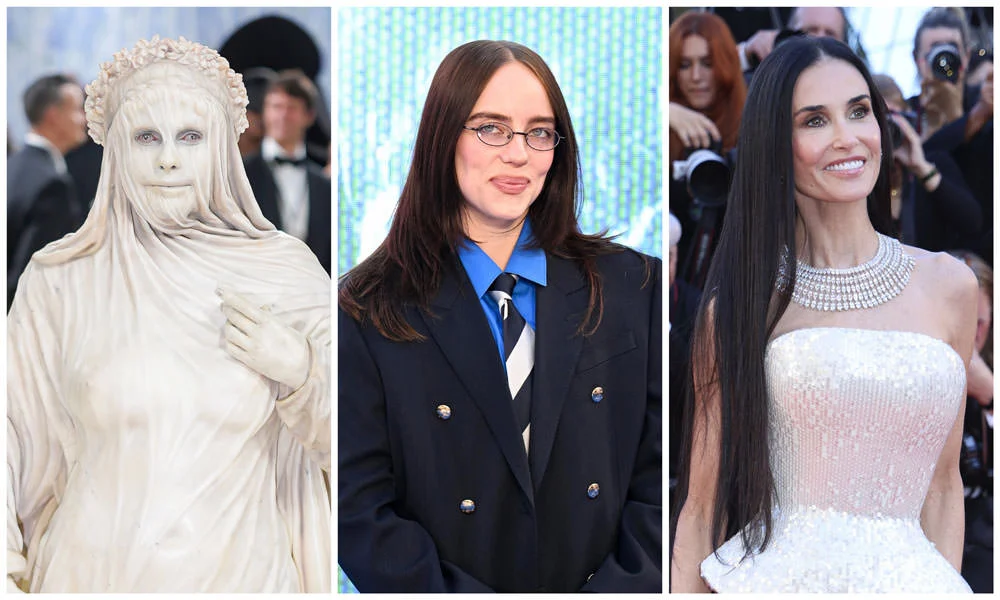

The Digital Transformation of the Red Carpet and the Met Gala Legacy
The 2024 Met Gala served as a catalyst for a broader discussion regarding the evolution of red carpet events from physical fashion showcases to digital-first spectacles. While the event has historically been the pinnacle of high-fashion curation, recent years have seen a shift toward "viral-ready" moments that prioritize social media engagement over artisanal craftsmanship. This shift was most notably highlighted by the proliferation of AI-generated imagery during the event. High-fidelity digital renders of celebrities such as Katy Perry and Rihanna—who were not actually in attendance—circulated globally, garnering millions of likes and fooling even seasoned fashion observers.
This phenomenon represents an alarming shift in celebrity "red carpentry." The emergence of deepfake fashion photography poses a direct threat to the traditional role of red carpet journalism. If the digital representation of an event can supersede the physical reality, the necessity of the red carpet as a promotional tool comes into question. Critics argue that the acceptance of these digital fabrications erodes the value of the actual craftsmanship involved in creating couture. Furthermore, it creates an environment where celebrity "presence" can be manufactured without the physical participation of the individual, leading to concerns about the future of live event coverage and the potential for a complete detachment between the public image and the physical person.
Billie Eilish and the Challenges of Celebrity Authenticity
Billie Eilish has frequently found herself at the center of media storms regarding her public statements. Known for her candor, the Academy Award-winning artist has often used her platform to discuss industry sustainability, body image, and the pressures of fame. However, the recurring backlash to her comments suggests a growing friction between Gen Z’s demand for authenticity and the rigid expectations of the traditional celebrity PR machine.
In recent instances, Eilish’s critiques of industry practices—such as the environmental impact of producing multiple vinyl variants of the same album—have been met with defensive reactions from both industry peers and various fanbases. While Eilish’s intent is often rooted in systemic critique, the interpretation of her words frequently devolves into tabloid fodder. This highlights a broader trend where celebrities are encouraged to be "relatable" and "vocal," yet are swiftly penalized when their opinions challenge the commercial interests of the entertainment complex. The nuance required to navigate these discussions is often lost in the digital echo chamber, leading to a cycle of "mouthing off" followed by inevitable public relations damage control.
The Erosion of Narrative Costume Design
A significant point of contention within the creative community is the perceived "laziness" in contemporary costume design for major television and film productions. Traditionally, costume designers served as visual storytellers, meticulously crafting garments to reflect a character’s internal journey, socioeconomic status, and historical context. However, a growing trend sees designers bypassing the creative process of fabrication in favor of simply sourcing "off-the-rack" looks from major luxury fashion houses.
This shift is often viewed as a dereliction of duty by industry purists. When a character in a prestige drama is dressed entirely in current-season runway looks from brands like Gucci, Chanel, or Balenciaga, the costume becomes a form of product placement rather than a tool for character development. This practice not only diminishes the unique visual identity of a production but also threatens the livelihoods of artisans, tailors, and textile artists who have historically been the backbone of the costume departments. The reliance on established fashion houses transforms the film set into a high-stakes catalog, where the goal is to sell a brand rather than to inhabit a role.
The AI Frontier: Hollywood’s Contentious Embrace of Technology
The discourse surrounding Artificial Intelligence in Hollywood has reached a fever pitch, particularly following the 2023 SAG-AFTRA and WGA strikes. While the unions fought for protections against the unauthorized use of digital likenesses, several high-profile stars, including Demi Moore, have recently spoken about the potential benefits of embracing AI. This shift in rhetoric from resistance to acceptance suggests a pragmatism that many find troubling.
The integration of AI in the creative world is often framed as a tool for efficiency, but critics argue it reflects a dismissiveness toward human labor. From de-aging technology to the use of generative AI for background actors, the technology threatens to replace the nuanced performances of human beings with algorithmic approximations. The willingness of established stars to lend their likenesses to AI projects raises questions about the long-term viability of the acting profession. If a star’s digital twin can perform a scene without the physical presence of the actor, the leverage of the performer is fundamentally compromised. This transition speaks to a broader "laziness" in the creative process, where the convenience of digital manipulation is prioritized over the authenticity of human expression.
The American Exodus from the Cannes Film Festival
The 2024 Cannes Film Festival saw a notable decrease in the presence of major American studios, a strategic pivot that reflects the changing economics of the film industry. Historically, Cannes has been the premier launchpad for global blockbusters and prestige cinema alike. However, the high costs of promotion at the festival, combined with the unpredictable nature of the French audience—notorious for their vocal booing of films they dislike—has made US studios increasingly risk-averse.
The decision to avoid Cannes is largely driven by financial considerations. A promotional campaign at the festival can cost millions of dollars, and if a film receives a lukewarm or hostile reception, it can damage its box office prospects months before its wide release. Instead, studios are opting for more controlled environments or focusing their resources on fall festivals like Venice and Telluride, which are often seen as more direct precursors to the Academy Awards. This withdrawal signals a shift in how Hollywood views international prestige; the "glamour" of the Croisette is being weighed against the harsh reality of global marketing budgets and the potential for digital-era PR disasters.
Implications for the Future of Entertainment and Fashion
The convergence of these trends suggests a transformative period for the entertainment and fashion industries. The evolution of the red carpet into a digital-first space, the scrutiny of celebrity speech, the commercialization of costume design, the encroachment of AI, and the shifting strategies of film festivals all point toward a future where the "real" is increasingly subordinated to the "digital."
Chronology of Recent Industry Shifts:
- May 2023: The start of the WGA strike, followed by the SAG-AFTRA strike, placing AI at the center of labor negotiations.
- March 2024: Billie Eilish’s public comments on the environmental waste of the music industry spark widespread debate.
- May 2024: The Met Gala sees a surge in viral AI-generated images, leading to a debate on the future of event photography.
- May 2024: Major US studios announce limited presence at Cannes, favoring domestic or late-season festivals.
Data and Industry Impact:
- AI Adoption: Industry reports suggest that up to 40% of post-production tasks could be automated by AI within the next five years.
- Costume Design: The Costume Designers Guild (CDG) has seen a rise in "brand partnerships" in TV credits, which some argue dilutes the guild’s creative standards.
- Festival Costs: The average cost for a major studio to bring a "tentpole" film to Cannes, including travel, lodging, and events, can exceed $2 million to $5 million.
The broader implications of these developments are profound. As technology continues to offer shortcuts to creativity, the value of the "human touch" becomes both more rare and more essential. The industry stands at a crossroads: it can continue to move toward a highly efficient, brand-saturated, and digitally manufactured future, or it can recommit to the artisanal and unpredictable elements that have historically defined great cinema and fashion. The "Pop Style Opinionfest" reflects a growing sentiment of resistance among those who believe that the soul of the creative arts is at risk of being lost to the looming threats of automation and corporate homogenization.