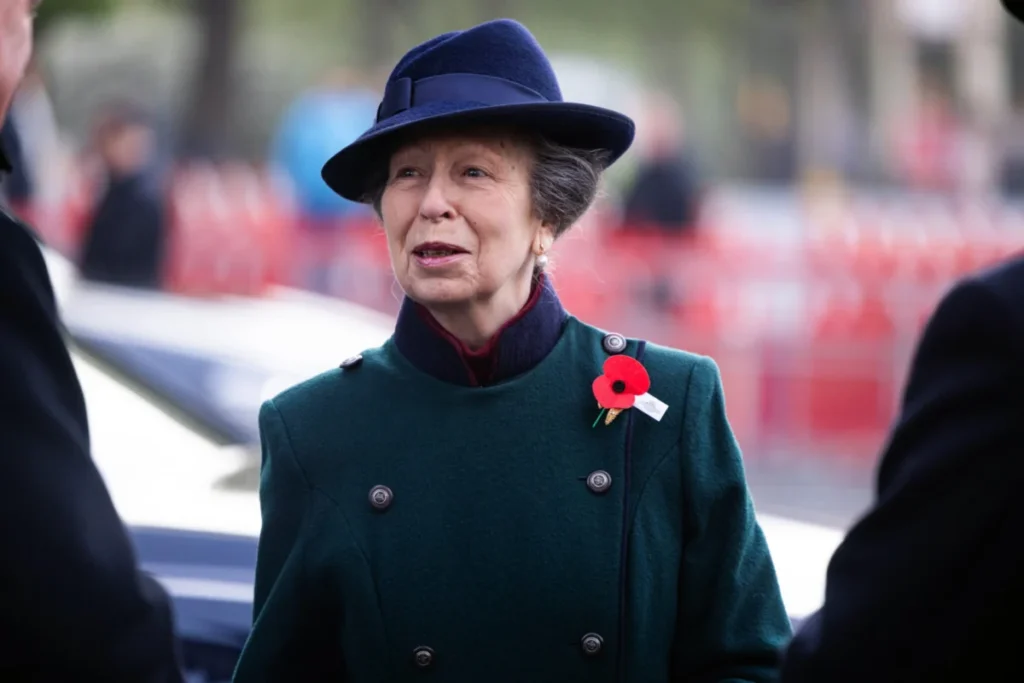

The United Kingdom marked Anzac Day on April 25th with solemn ceremonies across London, honouring the courage and sacrifice of Australian and New Zealand Army Corps troops. Princess Anne, The Princess Royal, stood at Wellington Arch for a moving dawn service, while Catherine, The Princess of Wales, attended commemorations at the Cenotaph and Westminster Abbey. These events underscore the enduring historical ties between the UK, Australia, and New Zealand, and the shared remembrance of those who have served and fallen.
Dawn Service at Wellington Arch: A Solemn Tribute
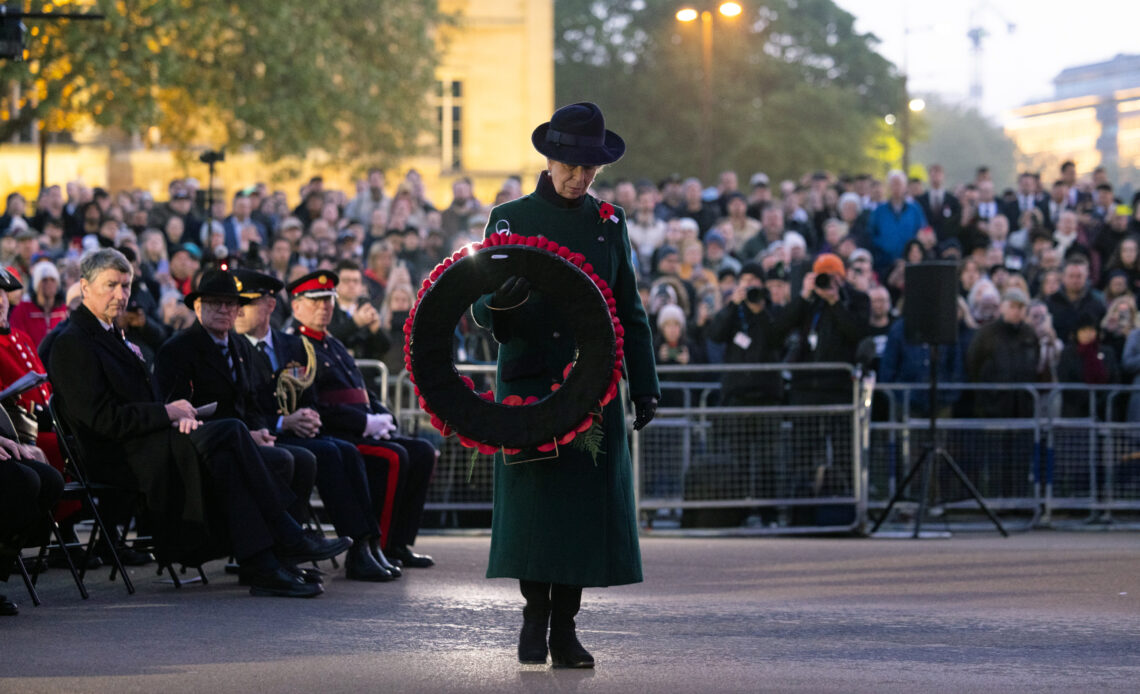
As dawn broke over the capital, Princess Anne joined military personnel and veterans at Wellington Arch for the traditional Anzac Day dawn service. The ceremony, held at first light on April 25th, commemorates the anniversary of the fateful Gallipoli landings of 1915. This pivotal moment in World War I saw thousands of troops from Australia and New Zealand land on the Gallipoli peninsula, in a campaign that would forge a powerful sense of national identity for both nations.
Princess Anne, a distinguished figure in military affiliations and a staunch supporter of armed forces charities, laid a wreath of vibrant red poppies. This poignant act served as a solemn tribute to all who have made the ultimate sacrifice for their country. The choice of poppies, a symbol deeply ingrained in remembrance of World War I casualties, resonated with the historical significance of the day. The dawn service is characterised by its quiet solemnity, often beginning with the evocative playing of the Last Post, followed by a period of profound silence. This year, the Princess Royal was accompanied by veterans and serving members of the armed forces, as well as Louise Sandher-Jones, the Minister for Veterans and People, highlighting the governmental recognition of this important commemorative event.
The Princess of Wales at the Cenotaph and Westminster Abbey
Later in the day, Catherine, The Princess of Wales, continued the Royal Family’s tradition of participation in Anzac Day observances. Her Royal Highness attended the service at the Cenotaph, the United Kingdom’s principal war memorial. Here, she laid a wreath bearing the Prince of Wales feathers and a handwritten card. The card, signed by both the Princess of Wales and Prince William, carried a personal message of remembrance and gratitude. The Cenotaph service was preceded by a significant parade, featuring current military personnel and veterans, a powerful visual representation of continuity and shared duty across generations.
Following her attendance at the Cenotaph, the Princess of Wales proceeded to Westminster Abbey for a further Anzac Day service. This multi-faceted involvement by members of the Royal Family demonstrates the deep and sustained respect the United Kingdom holds for its Commonwealth allies and the sacrifices made during wartime.
The Historical Significance of Anzac Day
Anzac Day, observed annually on April 25th, is a cornerstone of remembrance for Australia and New Zealand. It honours the bravery, determination, and sacrifice of all who have served in these nations’ armed forces. The date marks the anniversary of the landing of the Australian and New Zealand Army Corps (ANZAC) on the shores of Gallipoli, Turkey, on April 25, 1915. The Gallipoli campaign, though ultimately unsuccessful militarily, became a defining moment in the formation of national identities for both Australia and New Zealand. It is widely considered to be the first major military action in which Australian and New Zealand troops fought together as distinct national contingents, fostering a unique bond and a shared sense of heritage.
The dawn service tradition originated from the belief that the first ANZAC troops landed at dawn. This timing is deliberately chosen to reflect the historical event and evoke the conditions under which these soldiers first set foot on enemy soil. Across Australia, New Zealand, and other countries with significant diaspora communities, dawn services are a fundamental part of the day’s observances. These services typically involve the laying of wreaths, the recitation of prayers, and the solemn playing of the Last Post, followed by a period of two minutes’ silence. Marches and further commemorative events often take place later in the day in towns and cities throughout Australia and New Zealand, bringing together veterans, their families, and the wider community to pay their respects.
Royal Tradition and Evolving Commemorations
The tradition of a member of the Royal Family attending Anzac Day ceremonies in the UK is long-standing, signifying the close relationship between the monarchies and the Commonwealth nations. In 2025, Princess Anne undertook a significant visit to Gallipoli, Turkey, to mark the 110th anniversary of the landings, a powerful testament to her personal commitment to honouring this history. This year’s arrangement, with Princess Anne leading the dawn service and the Princess of Wales attending later ceremonies, represents a continuation of this tradition, adapted to the current engagements and roles of senior royals. It also highlights the increasing involvement of the younger generation of the Royal Family in these important national commemorations.
Broader Context and Enduring Significance
The Anzac Day commemorations in London serve as a vital reminder of the shared history and sacrifices made during global conflicts. The presence of both Princess Anne and the Princess of Wales underscores the UK’s unwavering support for its Commonwealth allies and its commitment to remembering the generations of servicemen and women who have defended peace and freedom. The events of April 25th are not merely historical retrospectives; they are living traditions that reinforce bonds of kinship, acknowledge the enduring legacy of military service, and serve as a solemn warning against the devastating cost of war. The continued participation of the Royal Family ensures that these vital commemorations remain at the forefront of national consciousness, fostering a sense of collective memory and mutual respect. The symbolism of the poppy, the silence, and the Last Post continues to resonate deeply, connecting present generations with the sacrifices of the past and reinforcing the importance of peace and international understanding.